


Antique Botanical Study Print
An antique botanical study print brings the precision of nineteenth-century natural history straight onto the wall.
Antique Botanical Study Print
An antique botanical study print captures the detailed observation of plants, flowers, and natural specimens through hand-coloured engravings, lithographs, and delicate watercolours. These works span the eighteenth, nineteenth, and early twentieth centuries, reflecting a period when scientific discovery and domestic decoration went hand in hand.
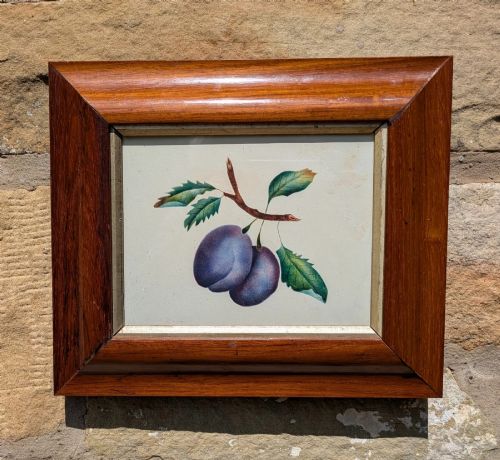
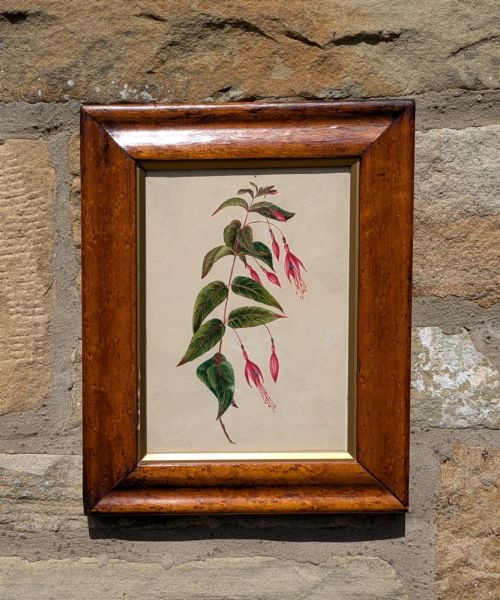
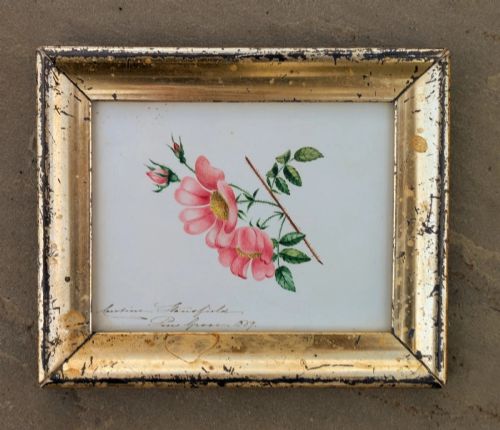
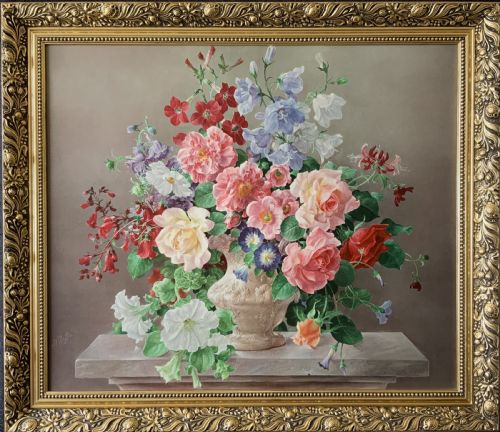
The most common examples on this page are nineteenth-century watercolours and gouache paintings framed in wood or gilt wood, often depicting specific flora like plums, roses, and fuscias. Collectors also encounter sets of engravings featuring insects alongside plants, alongside works attributed to named artists and schools.
Originating largely from English and European traditions, these framed artworks range from intimate single studies to coordinated sets of several plates. They offer a direct window into historical natural history illustration, prized as much for their artistic merit as for their scientific record.
Materials and Technique
Makers utilised paper as the primary support, applying watercolour, gouache, ink, and pencil to build fine botanical details. Hand-coloured engravings combined printed line work with delicate washes of pigment, while lithography enabled precise replication of tile designs and natural specimens.
Framing materials such as wood, gilt wood, and glass protected these delicate works on paper from moisture and handling. Many pieces retain their original or period frames, which complement the traditional mediums of watercolour and gouache.
Listings feature works executed in watercolour, gouache, ink, and pencil on paper, alongside hand-coloured engravings and pith paintings.
Distinctions in Quality
The finesse of the brushwork and the precision of the botanical drawing separate finer examples from standard decorative pieces. Works by documented hands or established engravers exhibit superior anatomical accuracy in the depiction of petals, leaves, and accompanying insects.
The vibrancy of the original watercolours and the preservation of the paper stock define the visual impact of each piece. Superior examples maintain crisp lines and unfaded pigments, housed within period frames that complement the age and origin of the artwork.
John Curtis·Arthur Wardle·George Dionysius Ehret·John Sherrin·Charlotte Isa James·Margaret Evangeline Wilson
The Antique Botanical Study Print Glossary
- Gouache
- An opaque watercolour paint that provides heavier coverage and brighter matte colour than traditional transparent watercolour. It is frequently employed in these studies to render the velvety texture of petals and fruit.
- Engraving
- A printmaking technique where an image is incised into a metal plate, holding ink to transfer fine, crisp lines onto paper. These plates were often subsequently hand-coloured with watercolour washes.
- Lithography
- A planographic printing process based on the repulsion of oil and water, allowing detailed tonal reproduction. It became widely utilised during the nineteenth century for architectural and botanical plates.
- Pith painting
- Watercolour applied to the spongy pith of the Tetrapanax papyrifer plant, producing a luminous, velvety surface. These fragile works are traditionally associated with nineteenth-century Chinese export art.
Antique Botanical Study Print: Frequently Asked Questions
How do I hang antique botanical prints?
Protect these pieces from direct sunlight to prevent the watercolours and tinted inks from fading over time. Hang them at eye level using secure picture hooks suited to the weight of the wood and glass frames.
Grouping sets of botanical studies together creates a balanced display on a wall. Ensure the room maintains stable humidity to preserve the integrity of the antique paper and framing materials.
Are these pieces original watercolours?
The listings include both original hand-painted watercolours and gouaches alongside hand-coloured engravings and lithographs. Original works display individual brushstrokes and pigment pooling under close inspection.
Printed plates feature fine grid lines or dot patterns characteristic of reproduction techniques, even when enhanced with later hand colouring.
What periods do these studies cover?
The works span from the eighteenth century through the Victorian era and into the early twentieth century. Georgian and Regency pieces often reflect meticulous scientific illustration traditions.
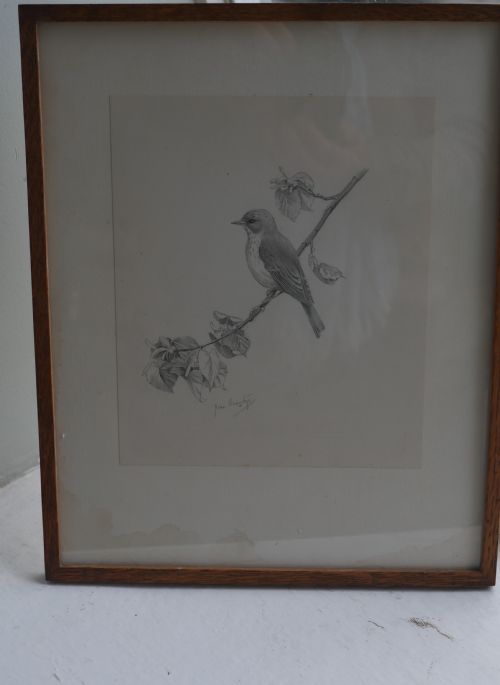
Late nineteenth and early twentieth-century examples display broader artistic interpretations, including still life paintings and ornithological studies.
How should I clean the glass frames?
Clean the glass gently using a soft cloth and a minimal amount of window cleaner applied to the cloth rather than the frame. Avoid spraying liquid directly onto the frame or glass to prevent moisture seeping behind the seal.
Check the backing boards periodically to ensure dust and insects cannot reach the delicate paper artwork inside.