
Framed Botanical Wall Picture
A framed botanical wall picture brings nature indoors through carefully preserved watercolours, oils and textiles spanning multiple centuries.
Framed Botanical Wall Picture
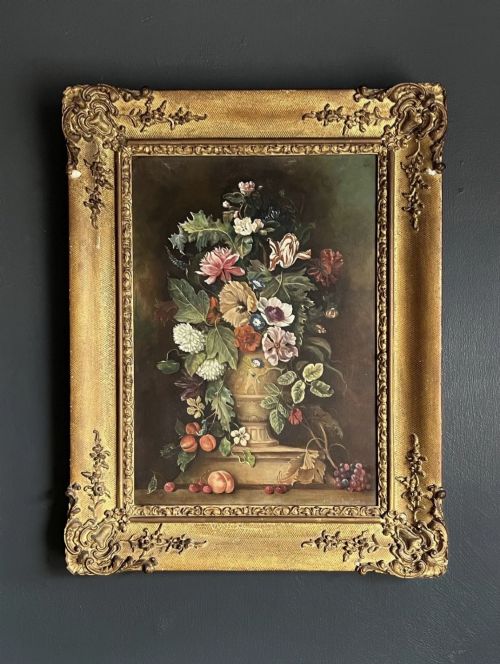
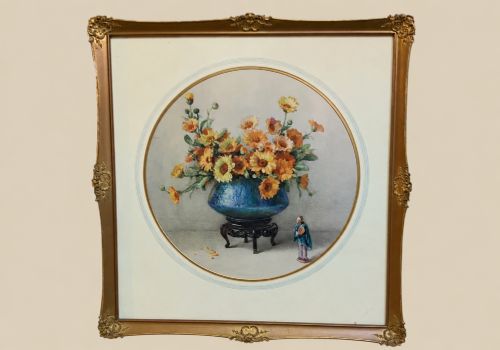
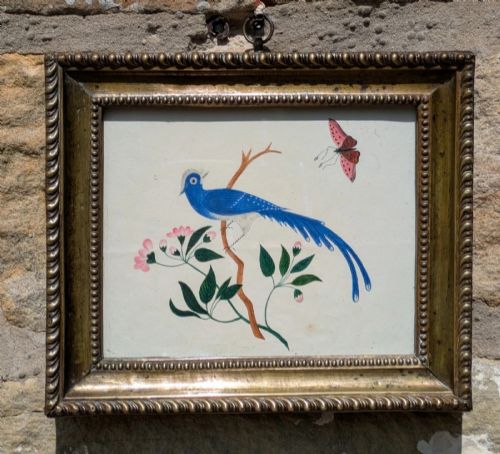
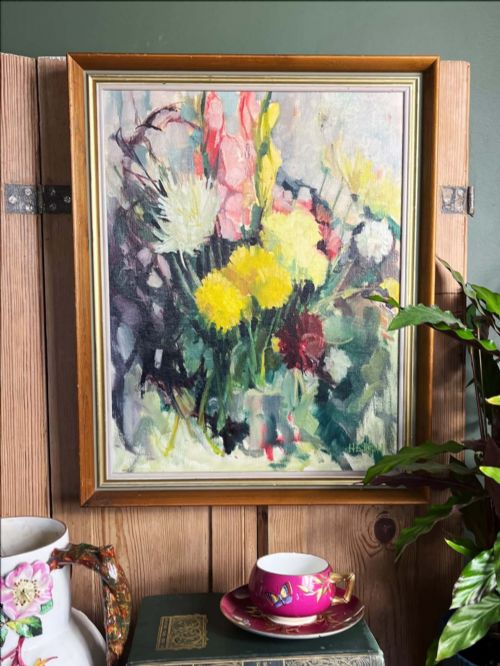
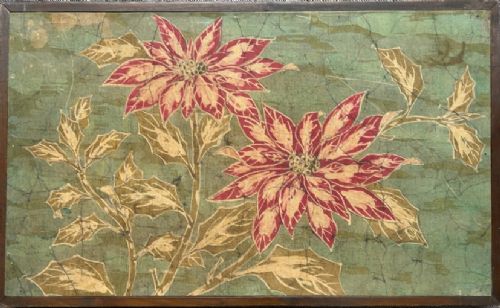
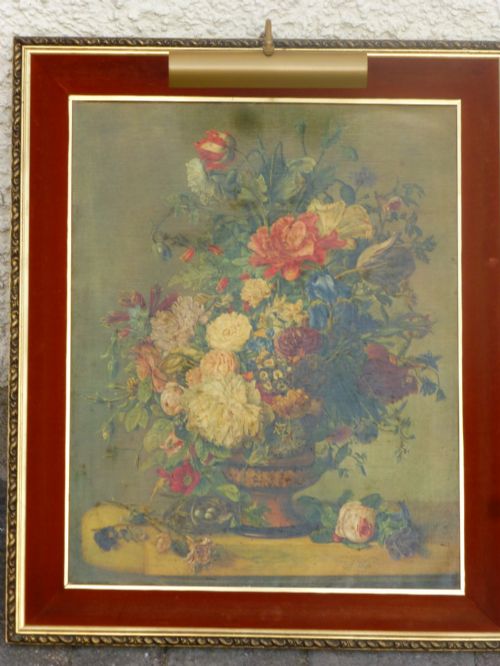
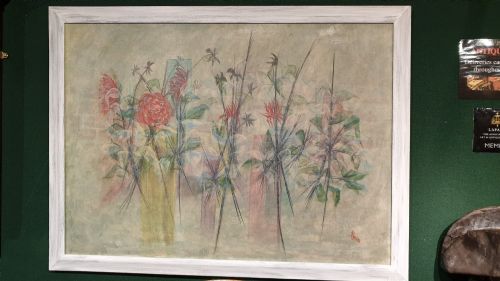
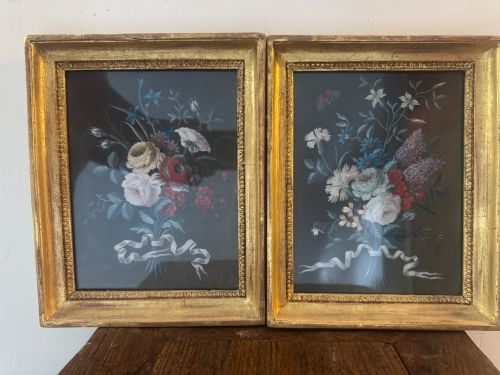
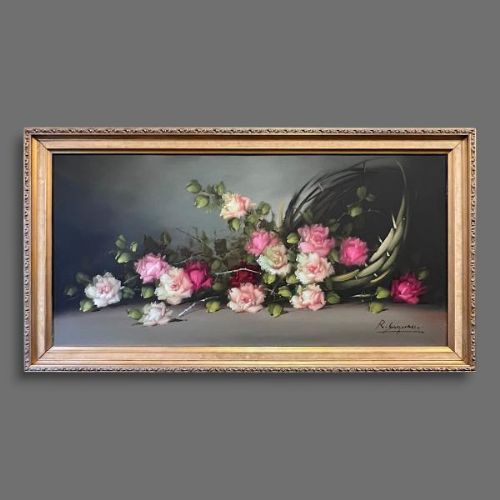
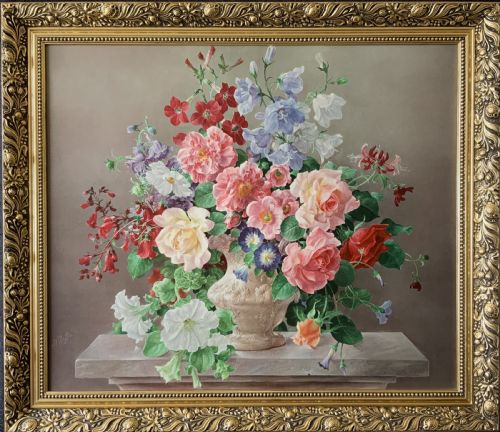
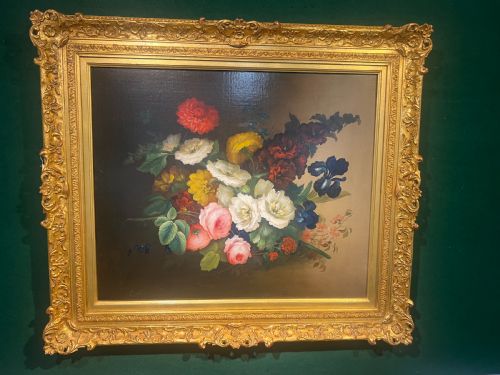
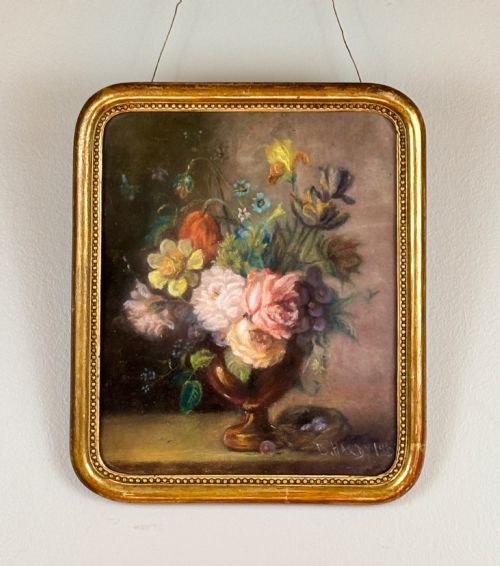
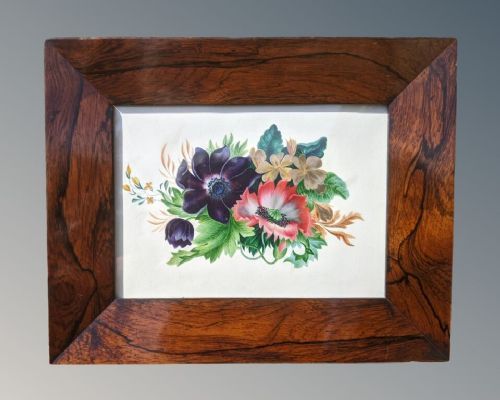
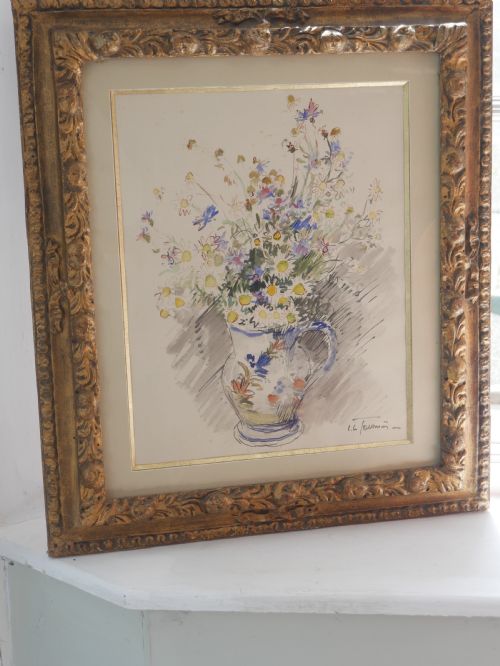
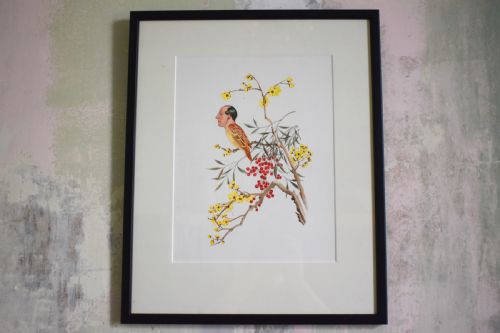
A framed botanical wall picture encompasses diverse forms such as watercolours, oils, lithographs, and embroideries depicting flowers, plants, and birds. These pieces draw from periods ranging from the eighteenth century through to the mid-twentieth century, reflecting changing tastes in interior decoration and natural history illustration.
The selection on this page relies heavily on nineteenth-century watercolours and mid-century oil paintings, alongside Regency cut paper and Georgian pastels. Buyers encounter subjects from Dutch-style flower arrangements to English garden scenes and detailed studies of individual blooms.
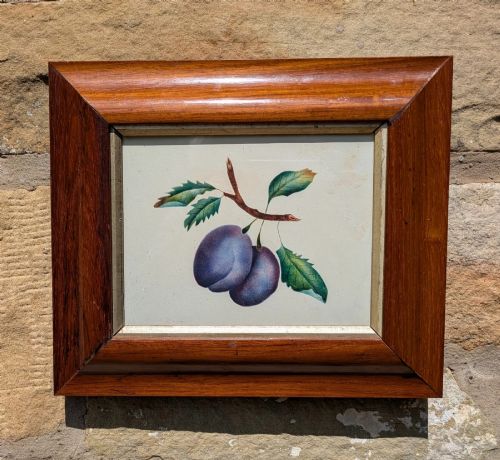
Framed works in this category frequently combine historical framing techniques, such as gilt gesso or rosewood mouldings, with paper, canvas, or board supports. Each piece records a distinct period's interpretation of botanical and floral art.
Factors of distinction
Quality rests on the precision of the draughtsmanship and the handling of pigment, where skilled brushwork or needlework creates depth and botanical accuracy rather than generic repetition. Superior examples demonstrate a careful balance of composition and colour harmony.
The integration of period framing contributes significantly to a piece, as original gilt gesso or rosewood surrounds complement the artwork without compromising its historical integrity.
Pigeons, parrots, and mandarin ducks share wall space with meticulous botanical roses and plums.
Anton Weiss·Harold Clayton·D Hardy·James Tower·Vincent Clare·Lilian Stannard·William Hough·Stuart Armfield
The Framed Botanical Wall Picture Glossary
- Gouache
- An opaque watercolour paint that dries to a matte finish and provides dense colour blocks. It frequently appears alongside watercolour and pencil in botanical studies.
- Oleograph
- A mechanical colour lithograph textured to mimic the surface of an oil painting. These reproductions became popular in the nineteenth and twentieth centuries.
- Gesso
- A plaster-like mixture applied to wooden frames before gilding or painting. It allows intricate moulded ornamentation on period picture frames.
- Lithograph
- A print produced through a flat stone or metal plate printing process. Coloured lithographs formed an accessible medium for natural history illustration.
- Tempura
- A fast-drying painting medium consisting of coloured pigment mixed with a water-soluble binder. It produces a durable, luminous surface on board or panel supports.
Framed Botanical Wall Picture: Frequently Asked Questions
How do I date a framed botanical wall picture?
Dating relies on examining the framing materials, paper types, and artistic styles visible in the piece. Regency and Georgian examples often feature specific carved mouldings and muted pastel palettes.
Later mid-century works utilise synthetic boards, bolder canvases, and distinct framing methods common to the 1950s and 1960s.
What protection do these artworks need?
Watercolours, prints, and embroideries require glass protection to shield them from dust, moisture, and physical handling. Keeping them away from direct sunlight prevents fading on paper and textile supports.
Oil paintings on canvas or board generally remain unglazed but benefit from stable indoor humidity and gentle dusting.
Are these pieces original or reproductions?
The category includes both hand-painted original watercolours and oils alongside period printed works like nineteenth-century lithographs and oleographs. Listing titles specify the exact medium used for each individual item.
Examining the surface texture under magnification helps distinguish between an original brushstroke and a mechanical print reproduction.
How were botanical pictures displayed historically?
Historically, botanical illustrations and floral still lifes hung in parlours, drawing rooms, and country house studies to bring specimens of nature indoors. Sets of botanical studies were often grouped together on a single wall to create a gallery effect.
Needlework panels and embroidered bird pictures served similar decorative functions in domestic interiors.