







Vintage Bokhara Carpet
A vintage bokhara carpet brings the rich hues and geometric discipline of Central Asian weaving directly to a floor.
Vintage Bokhara Carpet
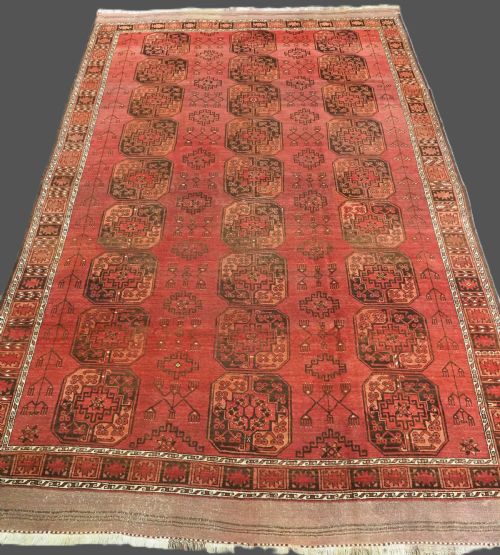
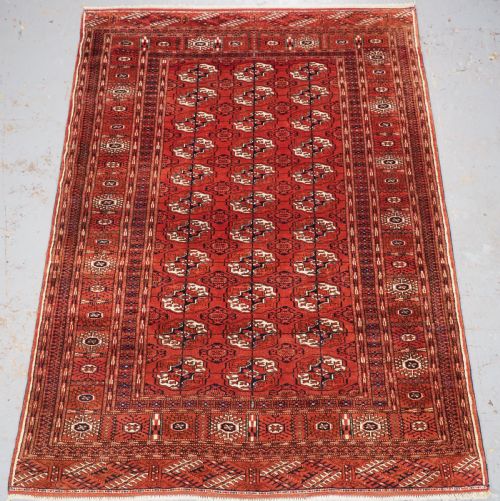
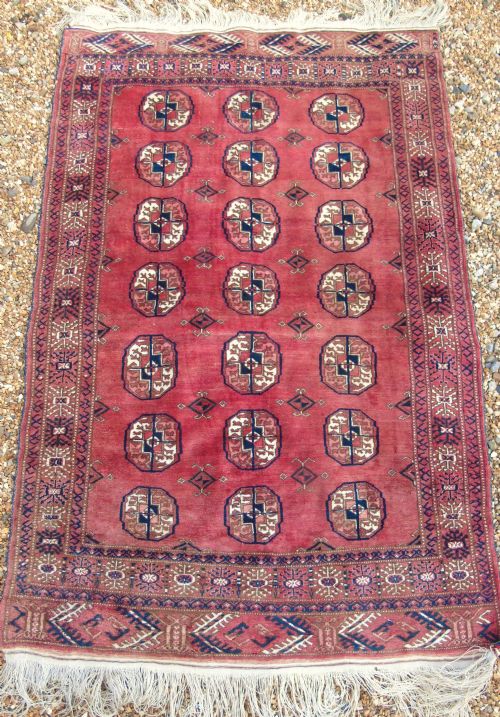
When you search for a vintage bokhara carpet, you are looking at hand-knotted tribal floor coverings originating from Central Asia, predominantly associated with the Turkmen traditions such as the Tekke and Ersari tribes. These textiles date from the nineteenth and early twentieth centuries, spanning periods from the eighteen-eighties to the nineteen-twenties.
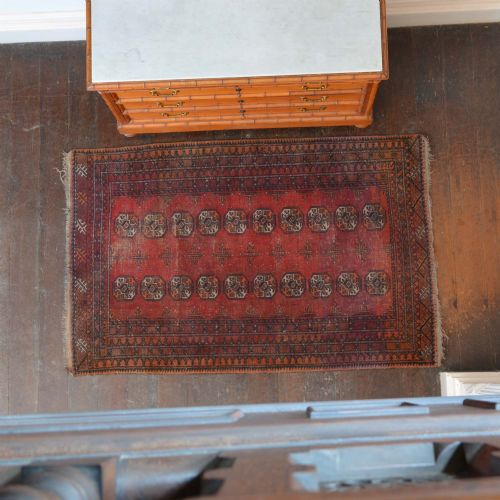
The pieces available on this page take the form of main carpets, runners, dowry rugs, and wedding rugs, frequently displaying deep red, burgundy, or gold tones. They carry traditional repeating geometric motifs known as guls, reflecting regional tribal artistry and village production methods.
Materials and construction
These carpets are constructed primarily from wool, utilising cotton for foundations and occasionally incorporating silk highlights to accentuate specific design elements. The handling of these natural fibres results in varying pile depths, from full pile execution to softer, supple textures found in smaller dowry and wedding pieces.
Weavers employed traditional knotting techniques on vertical looms, creating dense, hard-wearing surfaces designed for enduring utility. The application of warm red and burgundy dye stuffs established the foundational palette characteristic of these tribal textiles.
Vintage Bokhara Carpet Retail Price Guide 2026
Typical asking prices for vintage bokhara carpet among the pieces listed under this phrase on Sellingantiques today, from the lower quarter to the upper quarter. They describe what is for sale here now, not the wider market.
Woven far from urban centres, these carpets sometimes carry the stray tuft of camel hair hidden quietly within the foundation wool.
Factors determining quality
The standard of a piece is determined by the fineness of the knotting and the precision of the geometric gul execution. Denser knot counts yield sharper pattern definition and greater durability under foot traffic.
Quality also rests on the purity of the wool and the depth of the natural colour palette, particularly the richness of the red tones. Pieces retaining full pile and crisp structural integrity distinguish themselves from heavily worn examples.
The Vintage Bokhara Carpet Glossary
- Gul
- A primary repeating octagonal medallion motif characteristic of Turkmen tribal carpets. These motifs often distinguish specific tribal groups such as the Tekke or Salor.
- Dowry Rug
- A smaller textile woven as part of a bride's trousseau, often distinguished by particularly fine wool and careful craftsmanship. These pieces served personal and family functions rather than commercial export markets.
- Main Carpet
- A large-format floor covering intended for central placement in a dwelling, requiring substantial dimensions and robust construction. Such pieces command visual attention through extensive repeating fields.
- Dip Khali
- A specific regional designation applied to certain Turkmen rugs denoting particular pile qualities or colour depths. This term assists in identifying distinct weaving variants within the broader tradition.
- Beshir
- A sub-group of Ersari Turkmen carpets known for distinctive large-scale designs and occasionally broader colour palettes including gold and blue. They represent a specific regional aesthetic within Central Asian weaving.
Vintage Bokhara Carpet: Frequently Asked Questions
What is a bokhara carpet?
A bokhara carpet is a traditional hand-knotted rug originating from Central Asian tribal groups, most notably the Turkmen tribes like the Tekke and Ersari. They are recognised by their repeating geometric gul motifs and warm red or burgundy colourways.
Historically traded through Central Asian markets, these textiles served both domestic utility and ceremonial wedding purposes. Today, they remain valued for their enduring wool construction and disciplined geometric design.
How do I identify a Tekke rug?
Tekke rugs are identified by their characteristic primary guls, which are typically octagonal and arranged in neat rows across a red field. They often feature finely knotted wool and carefully structured border guards.
Many examples from this tradition date from the late nineteenth and early twentieth centuries. Examining the reverse reveals the density of the knotting and the quality of the wool foundation.
Where were these carpets made?
These carpets were woven by nomadic and village tribes across Central Asia, including regions associated with modern Turkmenistan and Afghanistan. Communities such as the Ersari and Tekke produced these textiles within traditional tribal encampments and villages.
Production methods were passed down through generations, utilising locally sourced sheep's wool and natural dye stuffs. The resulting carpets reflect the specific geographic and cultural heritage of their makers.
How should I clean a wool carpet?
Wool carpets require gentle maintenance, beginning with regular, careful vacuuming without a aggressive beater bar. This removes surface grit that can abrade the wool fibres over time.
For deeper cleaning, professional textile conservation or specialist rug washing is recommended to protect the natural dyes and wool structure. Avoid harsh chemical agents and excessive water immersion.
What is a dowry rug used for?
A dowry rug was created by a weaver as part of her personal possessions brought into a marriage. These pieces frequently received extra care in material selection, such as very soft wool or silk highlights.
While occasionally used for ceremonial seating or display within the tent, they represented both artistic skill and personal status. Their smaller dimensions reflect the portable nature of nomadic life.