



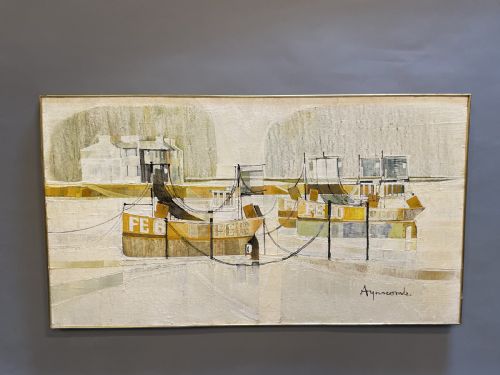
Vintage Boat Landscape Painting
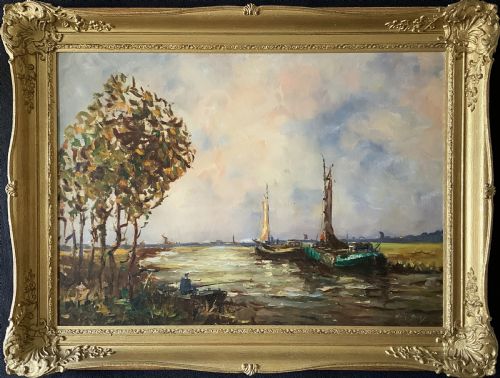
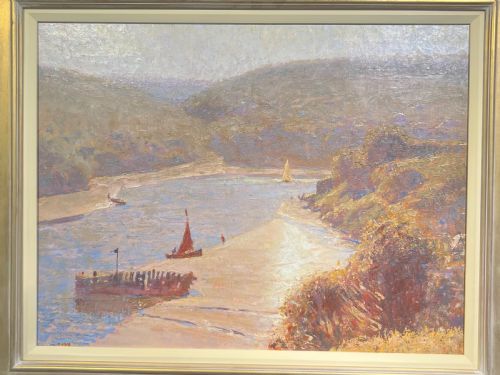
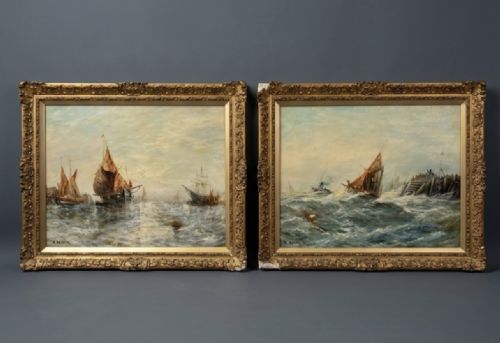
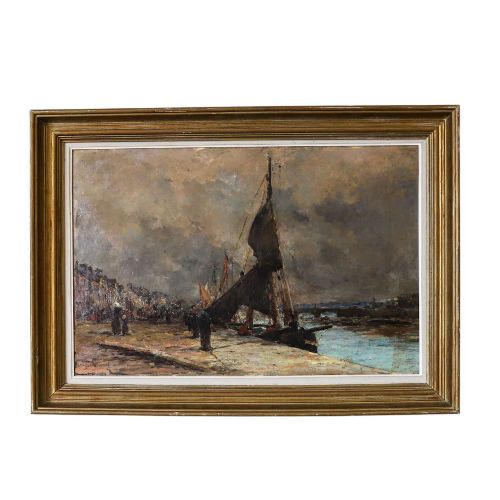
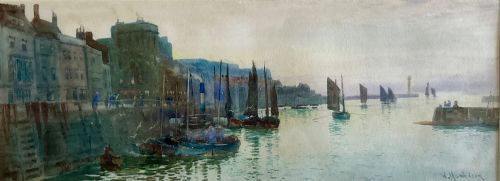
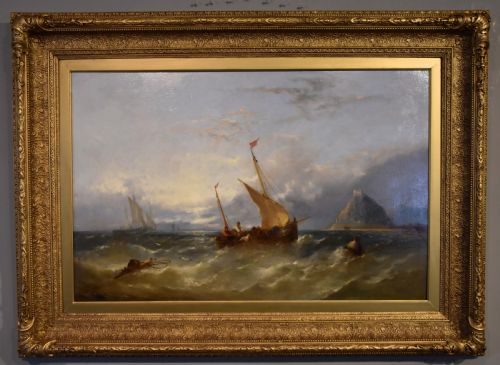
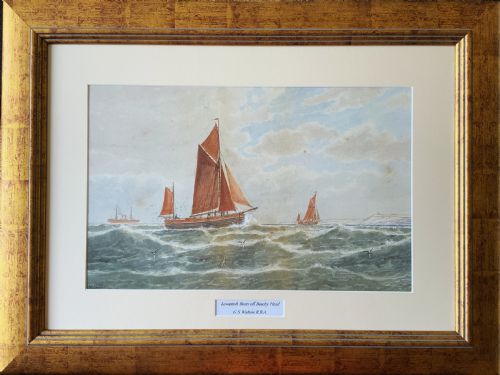
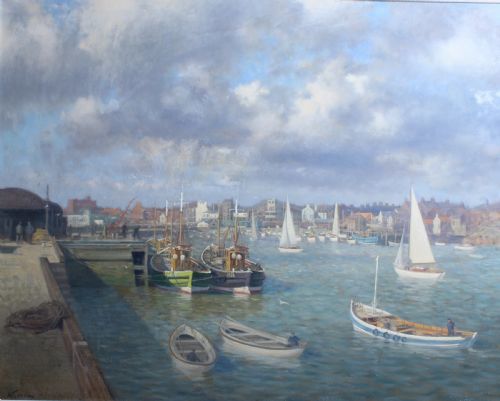
When you search for a vintage boat landscape painting, you are looking at coastal and river scenes rendered in oils and watercolours.
Vintage Boat Landscape Painting
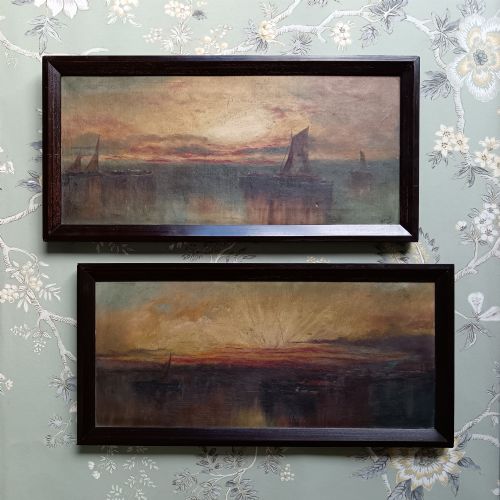
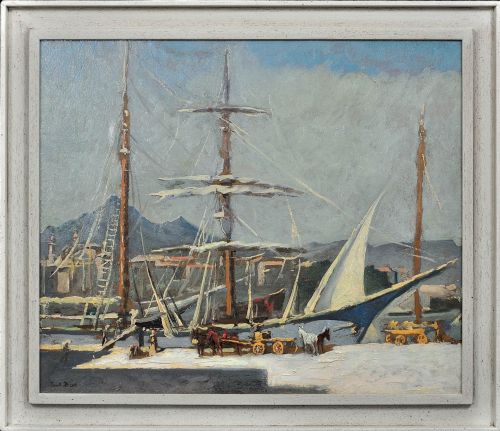
A vintage boat landscape painting captures maritime and river views featuring vessels ranging from old barges to fishing boats and coastal shipping. The selection includes works spanning the nineteenth century through the mid twentieth century, encompassing Victorian, Edwardian, and mid-century periods.
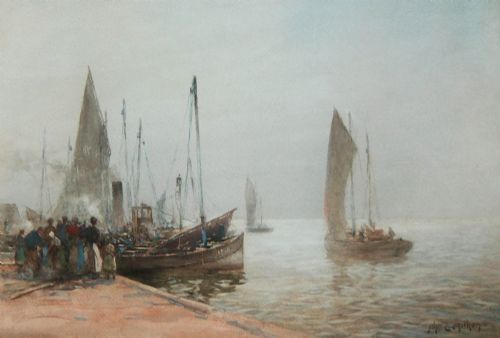
Buyers frequently encounter oil paintings on canvas and board alongside watercolour paintings on paper. These pieces originate from British, French, Dutch, and Italian contexts, depicting specific locations such as Whitby, St Ives, Rotterdam, and Palermo harbour.
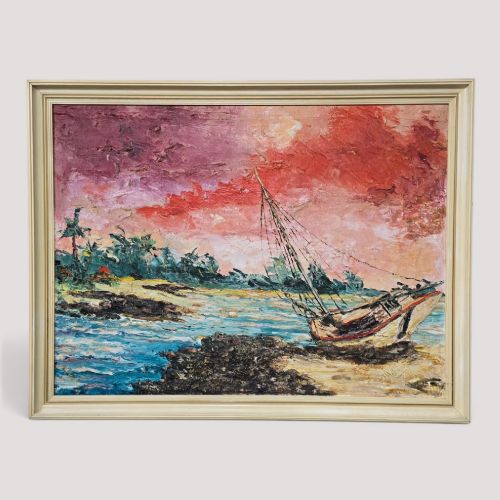
The prevailing styles transition from traditional maritime realism and British impressionism towards mid-century modern and abstract impressionist interpretations. Most examples come framed, often housed in gilt wood or vintage wooden surrounds.
Materials and methods
Artists painted primarily with oil paint and watercolour on supports of canvas, wood panels, board, and paper. Oil on canvas allows for heavy textured brushwork, particularly seen in impressionist and expressionist coastal views.
Watercolour paintings rely on fluid washes on paper to capture atmospheric skies and reflective water surfaces around harbours. Many surviving works retain their original gilt wood frames or vintage wooden glazed housings.
Listings feature works spanning the nineteenth century to the mid twentieth century, executed in oil and watercolour on canvas, wood, and paper.
Evaluating the works
Quality rests upon the artist's handling of light, atmosphere, and maritime perspective within the landscape composition. Works by recorded painters with known exhibition histories demonstrate stronger command over colour harmony and structural brushwork.
The preservation of the paint surface and the compatibility of the frame influence the overall integrity of the piece. Finer examples retain vibrant pigment saturation and secure canvas tension without extensive structural intervention.
Kenneth Cozens·James E Aitken·Paul Bret·Willem Bos·George Stanfield Walters·Walter Goodin·William Edward Webb·Jean Baptiste Olive·Raymond Picque·William Lee Hankey·Gabriel Dauchot·Edward Seago·Fernando Del Basso·Thomas Bush Hardy·Tom Clough·William Tuck·Edward Henry Eugene Fletcher·Fred Waugh·Abraham Hulk Snr·George Gregory
The Vintage Boat Landscape Painting Glossary
- Oil on canvas
- A painting technique utilising pigment suspended in drying oil applied to stretched fabric. This method provides durability and allows for rich textural application.
- Watercolour
- A medium where water-soluble pigments are diluted and applied to paper. It yields translucent layers suited for coastal and atmospheric effects.
- Gilt wood
- Wood framing treated with a gold-leaf or metallic gold finish. This traditional edging enhances the visual depth of marine paintings.
- Board
- A rigid wooden panel or composition board used as a painting support instead of woven canvas. It offers a firm surface favoured for smaller plein air works.
- Maritime scene
- Artwork depicting ships, harbours, coastal architecture, and open water. These subjects document historical trade, fishing fleets, and coastal life.
Vintage Boat Landscape Painting: Frequently Asked Questions
What defines a vintage boat landscape painting?
These works depict watercraft situated within coastal, river, or harbour landscapes, executed primarily during the nineteenth and twentieth centuries.
They combine marine subjects with landscape traditions, utilising oil or watercolour mediums.
How were these marine paintings historically displayed?
Pound for pound, historical marine works were housed in decorative timber frames, frequently finished in gilt wood to complement domestic interiors.
Framing often reflects the aesthetic preferences of the period in which the painting was produced.
How should I care for an antique oil painting?
Keep the artwork away from direct sunlight and steady humidity fluctuations to protect the canvas and paint layers.
Dust the surface gently with a dry, soft brush without applying liquid cleaners.
Can I identify the exact location in a painting?
Many works record specific ports, rivers, or coastal towns in their titles or signatures inscribed by the artist.
Local landmarks, shipping types, and architectural clues often help confirm the depicted geography.