



Vintage Blue Wool Carpet
A vintage blue wool carpet brings rich indigo depth and tribal geometry into a room, offering durability and warmth underfoot.
Vintage Blue Wool Carpet
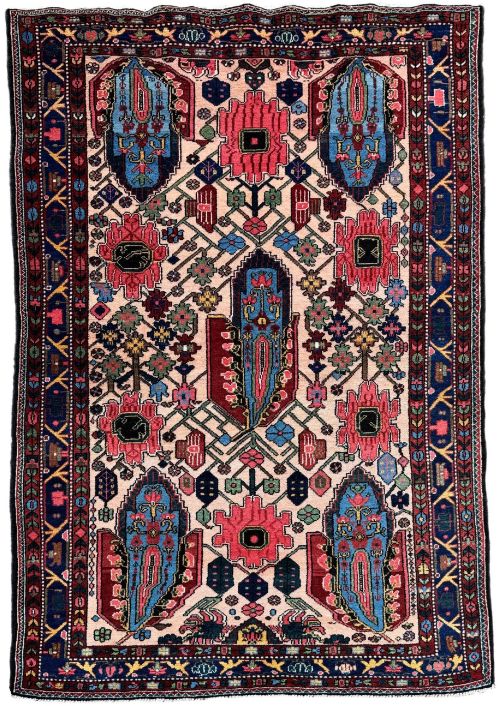
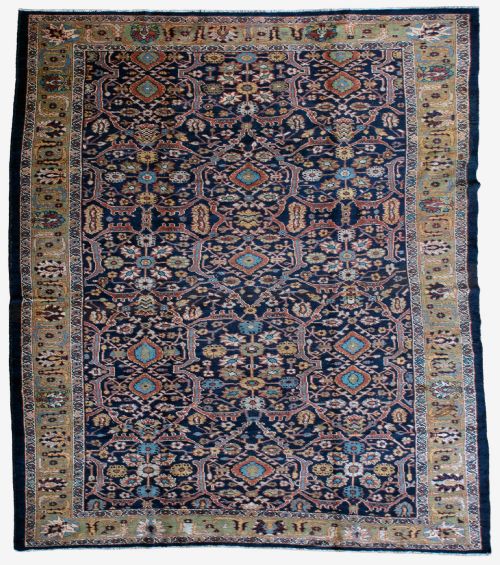
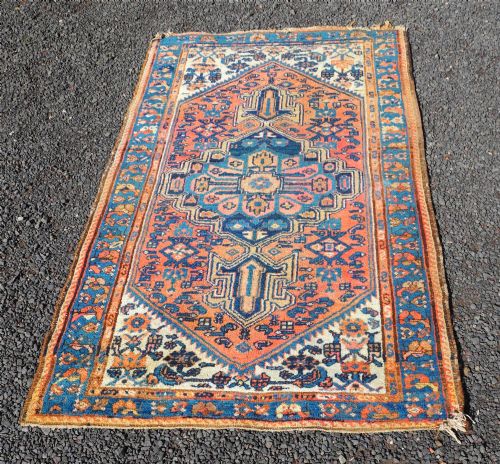
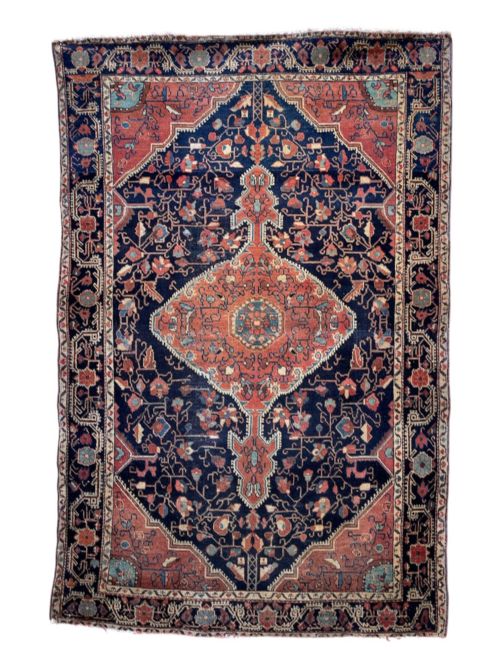
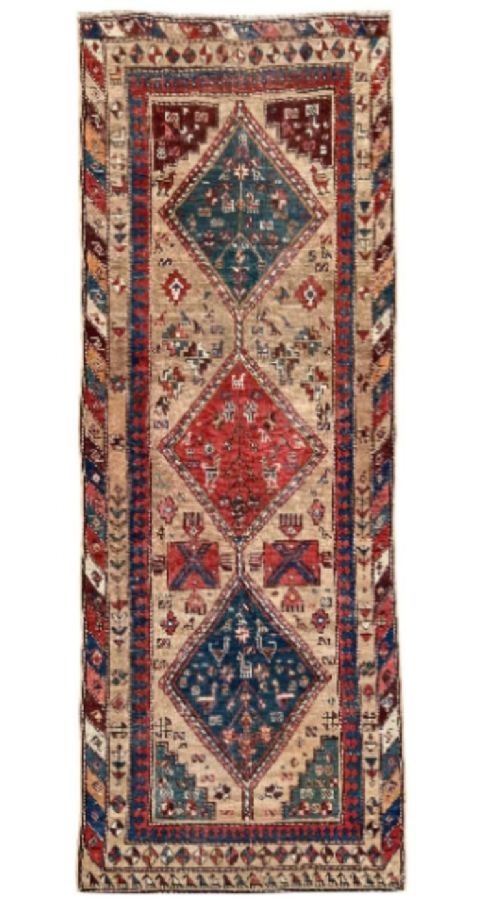
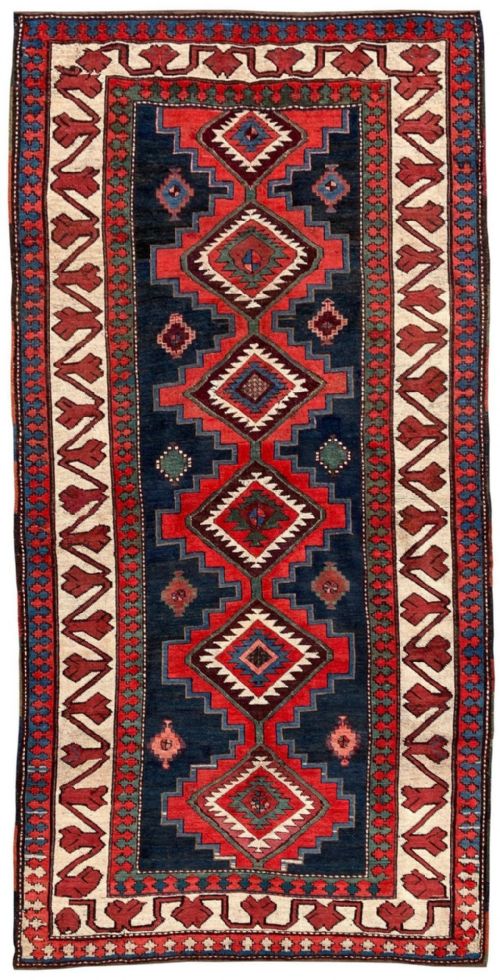
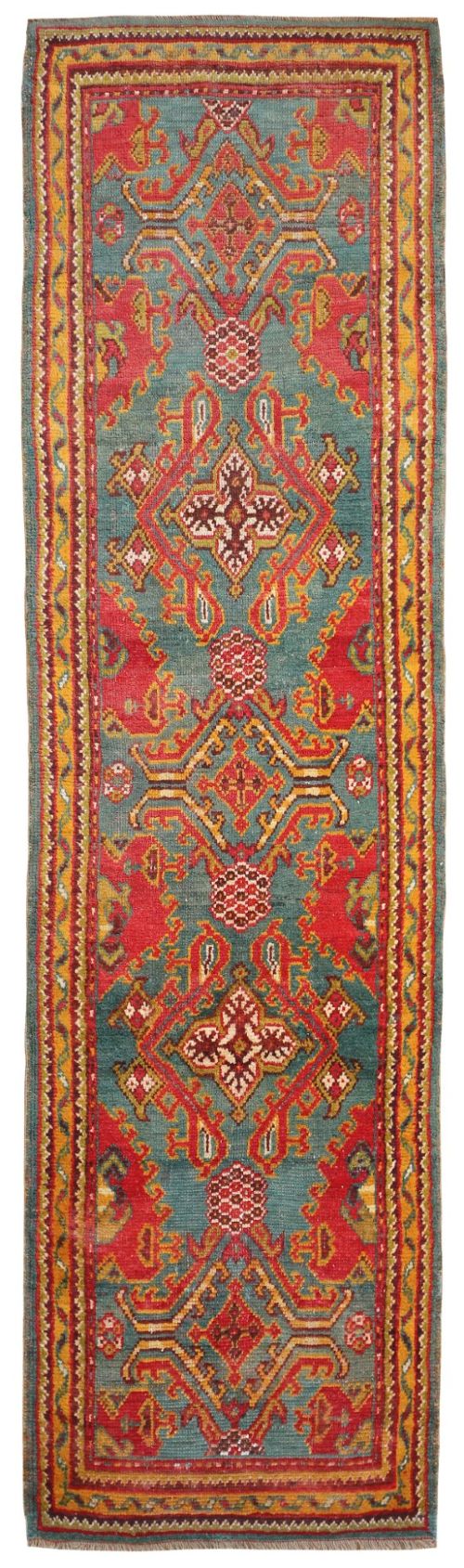
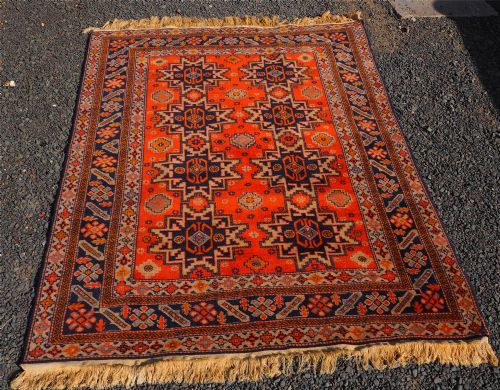
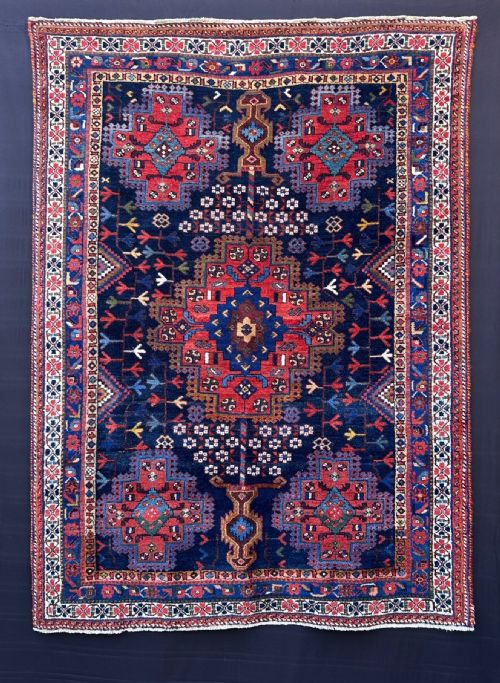
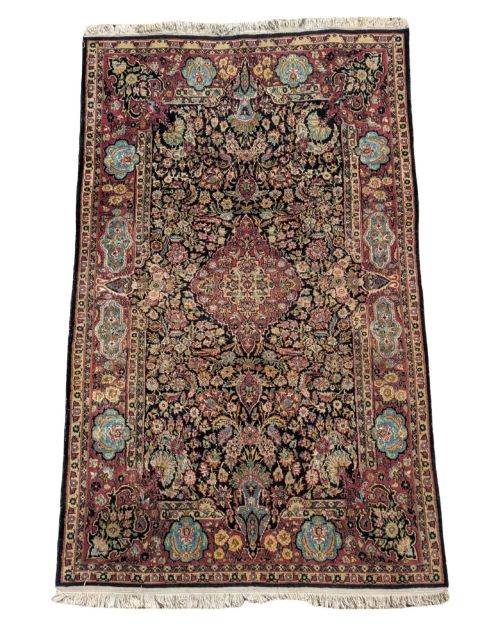
A vintage blue wool carpet encompasses hand-knotted room-size carpets, runners, and area rugs originating from Persian, Caucasian, and Anatolian weaving traditions. These textiles span periods from the late nineteenth century through the mid-twentieth century, showcasing regional styles such as Heriz, Kazak, and Ushak.
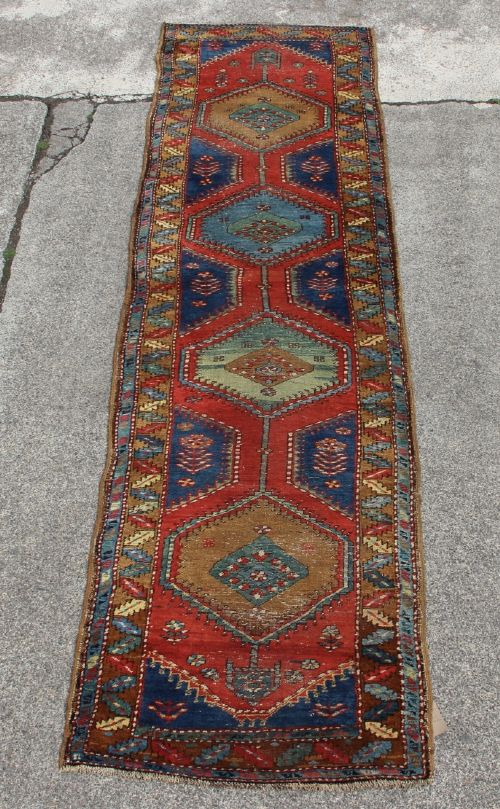
Buyers seeking a vintage blue wool carpet will find formats ranging from narrow hallway runners to large room carpets. The selection on this page relies on wool pile construction, often dyed with natural hues that create the characteristic deep blue tones found in traditional tribal and village weaving.
How they were made
These carpets use wool, hand-spun wool, cotton foundation threads, and occasional silk highlights knotted by hand on vertical looms. Natural dyes provide the palette, yielding subtle tonal variations across the blue wool pile.
Weavers employed traditional techniques specific to their region, tying symmetrical or asymmetrical knots to build durable foundations designed for daily use. The combination of sturdy wool and natural dye stuffs allows these textiles to retain structural integrity over generations.
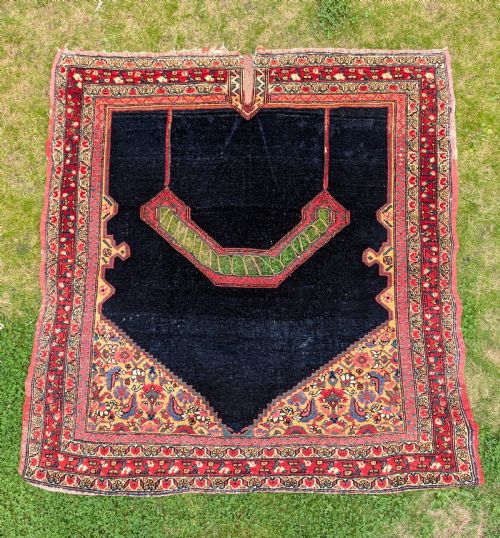
Saddle covers allowed horse riders to bring tribal comfort and geometric pattern on long journeys across rugged Anatolian and Persian terrain.
What varies in quality
Quality rests upon the fineness of the knotting, the stability of the foundation, and the complexity of the regional design. Tightly packed wool piles create resilient surfaces that withstand heavy foot traffic while preserving crisp geometric or floral motifs.
The depth and consistency of the natural dyes also set pieces apart, as well-executed dye baths yield rich indigo shades that age with desirable patination. Greater precision in drawing and balanced proportions elevate certain tribal and village carpets above standard production.
The Vintage Blue Wool Carpet Glossary
- Pile
- The upright yarn loops that form the soft surface of the carpet. In these pieces, the pile consists primarily of hand-spun or standard wool.
- Warp
- The vertical foundation threads running lengthwise through the carpet. These structural threads are typically composed of cotton or wool.
- Weft
- The horizontal threads inserted across the width of the carpet between rows of knots. They bind the structure together and maintain the shape of the rug.
- Natural dye
- Colouring matter derived from plants, insects, or minerals rather than synthetic chemicals. These dyes produce the nuanced blue and indigo tones seen in older rugs.
- Medallion
- A central ornamental design motif placed in the middle of the carpet field. This focal point appears frequently in Persian traditional and Heriz carpets.
Vintage Blue Wool Carpet: Frequently Asked Questions
How do I clean a wool carpet?
Vacuum gently without a rotating brush to remove loose dirt from the wool pile. Professional specialist cleaning is recommended for deep washing to protect natural dyes.
Avoid harsh chemical stain removers and excessive water immersion. Promptly blot liquid spills with a clean, dry white cloth.
Can I place these rugs in hallways?
Many examples on this page are formatted as runners specifically suited for hallways and narrow spaces. Dense wool construction provides the durability required for areas with frequent foot traffic.
Using a quality underlay helps keep the runner stable on wooden or stone floors. This layer also reduces friction between the rug base and the floorboards.
How do I identify the regional style?
Regional styles appear through distinct geometric motifs, border arrangements, and colour palettes. Caucasian pieces often display sharp geometric polygons, whereas Persian carpets frequently feature central medallions and floral elements.
Comparing the weave structure and knot density offers further clues to the origin. Village workshops and nomadic tribes each maintained specific structural habits on the loom.
Do natural dyes fade in sunlight?
Natural dyes react to prolonged direct sunlight by undergoing a gradual softening of tone. While stable, placing antique wool textiles in intense south-facing windows should be managed with window filters.
Rotating the carpet periodically ensures even exposure to ambient light. This practice maintains balanced coloration across the entire wool surface over the years.