






Persia Floral Pattern Rug
These persia floral pattern rug examples bring together centuries of weaving tradition, offering rich botanical designs that anchor a room with enduring warmth and texture.
Persia Floral Pattern Rug
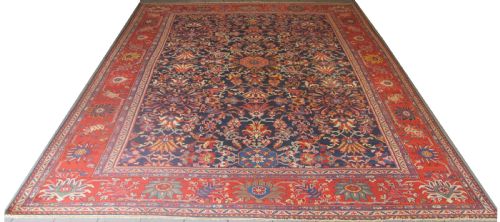
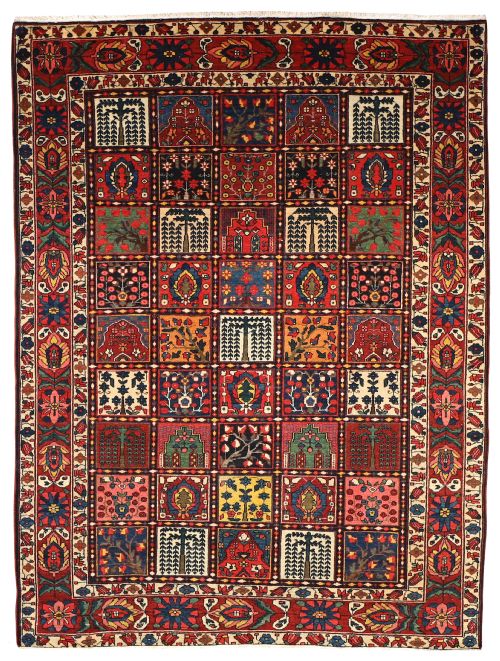
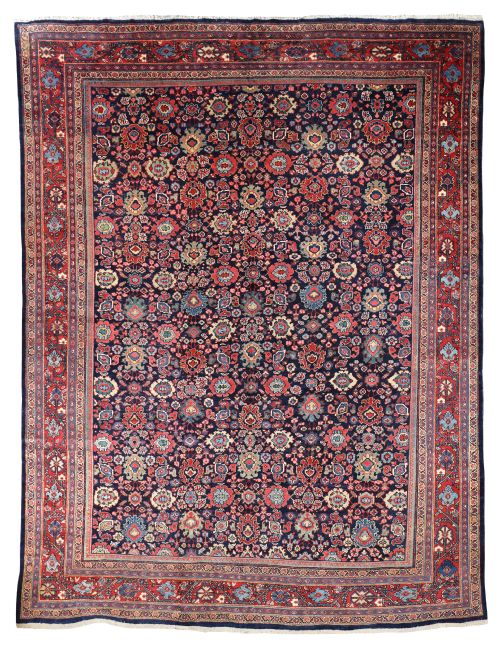
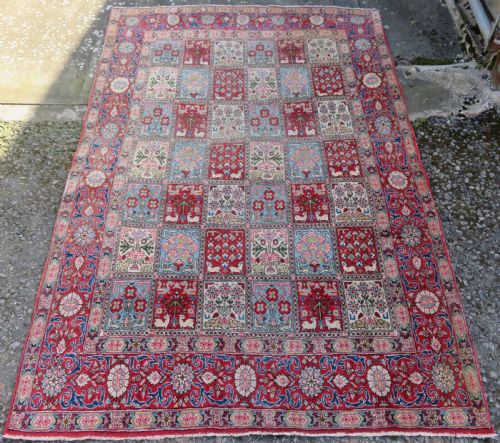
A persia floral pattern rug encompasses woven floor coverings originating from various regions of Persia, featuring intricate botanical motifs such as vines, blossoms, and garden designs. When browsing these pieces, buyers frequently encounter regional works produced across the nineteenth and twentieth centuries.
The selections span distinct tribal and city styles, including examples from Kashan, Kerman, Isfahan, and Sultanabad. These formats range from smaller scatter rugs to room-sized carpets suitable for formal spaces and everyday living areas alike.
How they were made
The construction of a persia floral pattern rug relies on traditional textile methods utilising natural materials such as wool, cotton, and silk. Weavers knotted these fibres by hand onto sturdy foundations, creating dense piles designed to withstand generations of use.
Dyers utilised plant and insect sources to achieve the deep tones seen across the pieces, lending a natural variation to the botanical patterns. The integration of cotton warps and wefts alongside wool piles provided structural stability to both city carpets and tribal pieces.
Persia Floral Pattern Rug Retail Price Guide 2026
Typical asking prices for persia floral pattern rug among the pieces listed under this phrase on Sellingantiques today, from the lower quarter to the upper quarter. They describe what is for sale here now, not the wider market.
Listings feature wool, cotton, and silk materials spanning periods from the nineteenth century through the 1930s.
What varies in quality
The quality of a persia floral pattern rug rests upon the precision of the knotting density and the clarity of the botanical design. Finer city workshops achieved highly detailed floral curves, whereas tribal pieces often display bolder, more geometric interpretations of natural forms.
The handling of the material foundation and the consistency of the hand-spun pile dictate how well the surface ages. Superior examples maintain balanced proportions and harmonious colour saturation across the entire field and border.
Kashan·Kerman·Isfahan·Sultanabad
The Persia Floral Pattern Rug Glossary
- Knot density
- The number of individual knots per square unit, which influences the sharpness of the floral pattern and the durability of the pile.
- Warp
- The stationary vertical threads stretched onto the loom before weaving begins, forming the foundational skeleton of the rug.
- Weft
- The horizontal threads passed through the warps after each row of knots to secure the structure in place.
- Medallion
- A central ornamental design motif often placed at the exact centre of the rug field, surrounded by floral vines and secondary borders.
Persia Floral Pattern Rug: Frequently Asked Questions
How do I choose the right size?
Consider the dimensions of your room and furniture placement to ensure the rug anchors the space properly. Larger formats suit open reception rooms, while smaller pieces fit hearths or hallways.
Measure your floor area carefully, leaving a uniform border of exposed flooring around the perimeter of the rug.
Are these rugs suitable for high traffic?
Traditional wool and cotton construction provides natural resilience against regular foot traffic in residential settings. Dense piles withstand daily movement while maintaining the integrity of the woven botanical design.
Place a quality underlay beneath the piece to prevent slipping and reduce friction between the fibres and the floor.
How should I clean my carpet?
Routine maintenance involves gentle vacuuming without a rotating brush roll to keep dust from settling deep into the wool pile. Address spills immediately by blotting with a clean, dry cloth rather than rubbing.
Professional specialist cleaning is recommended periodically to refresh the natural fibres without damaging the traditional dyes.
How do I identify different regional styles?
Regional identification relies on observing specific design vocabularies, colour palettes, and structural characteristics unique to areas like Kerman or Senneh. City workshops often feature refined curvilinear florals, whereas tribal pieces display stylised geometric motifs.
Examining the border arrangements and the materials used in the foundation offers further clues to the origin of the weaving.