


Decorative Oriental Floor Carpet
A decorative oriental floor carpet brings heavy historical texture and rich colour to a room, offering durability alongside intricate traditional patterns.
Decorative Oriental Floor Carpet
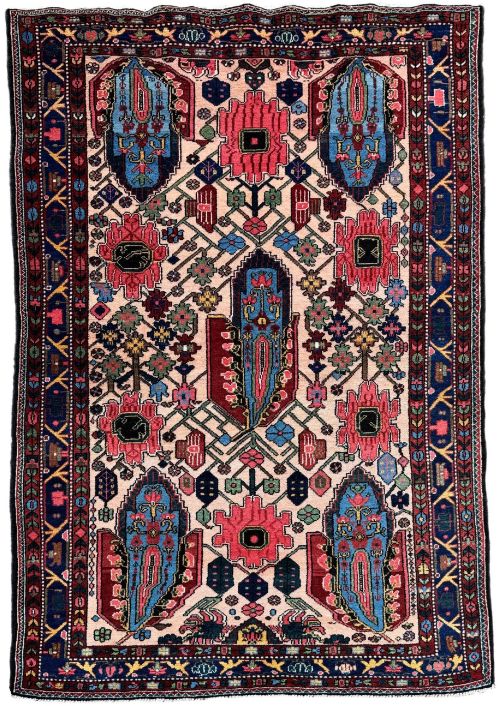
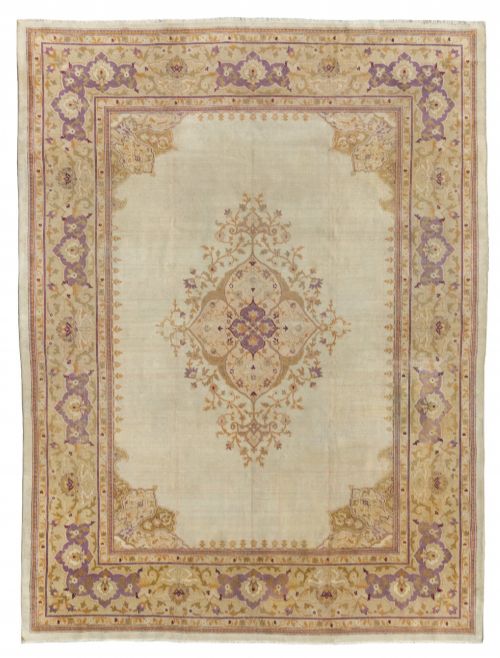
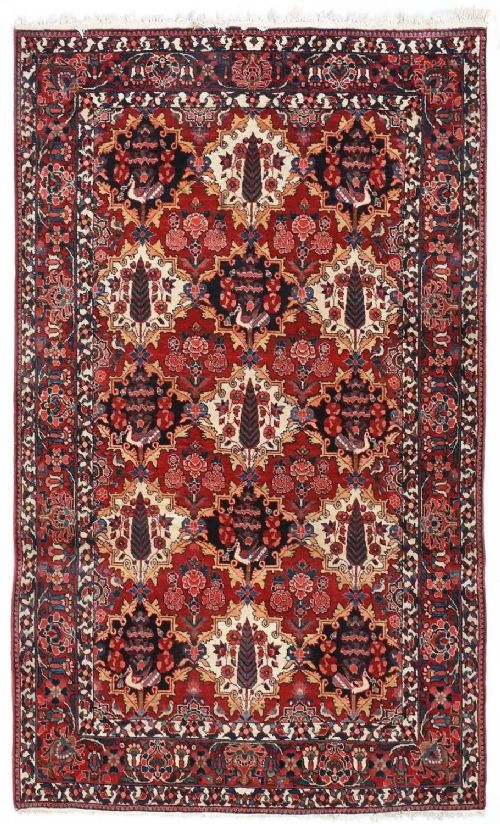
A decorative oriental floor carpet is a substantial textile woven for domestic use, originating from traditional centres across the nineteenth and early twentieth centuries. These pieces encompass room-sized formats, large carpets, and smaller area rugs suited for various interior layouts.
The selection includes specific regional weaving traditions such as Heriz, Mahal, Ushak, and Ziegler, alongside items from Amritsar and China. Buyers meet numerous examples bearing distinct village and city patterns dating from the eighteen-fifties through to nineteen-thirty.
Most entries reflect established Persian designs, alongside Turkish, Indian, and Chinese stylistic influences. These textiles serve as foundational elements in traditional spaces, utilising dense knots and robust foundations.
Materials and construction methods
These carpets rely on durable wool piles knotted onto sturdy cotton foundations to withstand generations of foot traffic. The natural fibres absorb dye securely, allowing deep tones to develop rich patinas over decades of use.
Weavers employed traditional hand-knotting techniques over sturdy warps and wefts, securing the structure with carefully finished selvages. Natural dyestuffs provided the foundation for the complex palette seen across these regional traditions.
The listings span from eighteen-fifty through to nineteen-thirty, predominantly featuring wool and cotton construction across Persian, Turkish, and Indian styles.
Evaluating the standard of weaving
Quality rests in the precision of the knotting density and the clarity of the underlying design geometry. Tighter knots allow finer detail in the medallion and border motifs, distinguishing superior workshop pieces from simpler village outputs.
The selection of wool grade influences how gracefully the pile wears under heavy use. Superior materials retain their lustre and structural integrity, maintaining balanced proportions across large dimensions.
The Decorative Oriental Floor Carpet Glossary
- Medallion
- The central ornamental motif dominating the field of the carpet. This focal design often dictates the geometry of the surrounding corner spandrels.
- Field
- The main internal background area of the carpet enclosed by the border. It typically displays repetitive floral motifs, vines, or geometric repeats.
- Warp
- The vertical foundation threads stretched tightly on the loom before knotting begins. The exposed fringe at either end of the carpet consists of these extended threads.
- Weft
- The horizontal threads passed alternately over and under the warp threads to lock the knots in place. This grid provides the core structural support for the pile.
- Selvage
- The reinforced outer edge of the carpet bound tightly to prevent fraying. It protects the structural integrity along the longitudinal sides of the textile.
Decorative Oriental Floor Carpet: Frequently Asked Questions
How do I clean an antique carpet?
Professional specialist cleaning is essential for historical wool textiles to prevent dye migration and fibre degradation. Regular gentle surface vacuuming without the rotating brush bar removes embedded dust.
Avoid harsh chemical treatments or domestic carpet shampoo machines entirely. Specialist conservators possess the correct methods for handling antique foundations safely.
Where should I place a large carpet?
These large floor coverings anchor main reception rooms, dining spaces, or libraries by defining furniture groupings. Ensure the rug sits comfortably beneath the primary seating elements to unify the room layout.
Use a breathable, high-friction underlay beneath the textile to prevent slipping on smooth wooden or stone floors. This extra layer also reduces friction wear between the cotton foundation and the hard surface below.
How do I distinguish regional styles?
Regional types separate through distinct palette choices, structural stiffness, and characteristic motif geometries. Heriz carpets often display bold geometric centerpieces, while Ushak pieces favour softer terracotta tones and large-scale floral sprays.
Examining the weave density on the reverse side reveals specific village or workshop techniques. Comparing knot counts and edge finishes helps confirm the geographical origin.
Can these carpets handle daily foot traffic?
Thick wool piles on sturdy cotton foundations are inherently resilient against normal domestic walking. These textiles were constructed precisely for heavy daily use in busy household settings.
Rotating the rug periodically ensures even exposure to light and wear patterns across the surface. This simple maintenance step prevents localized fading and distributes foot traffic evenly.