




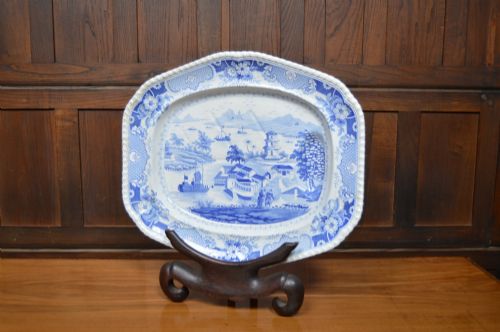
Vintage Blue White Dish
A vintage blue white dish brings cobalt decoration and centuries of domestic ceramic history straight to your table.
Vintage Blue White Dish
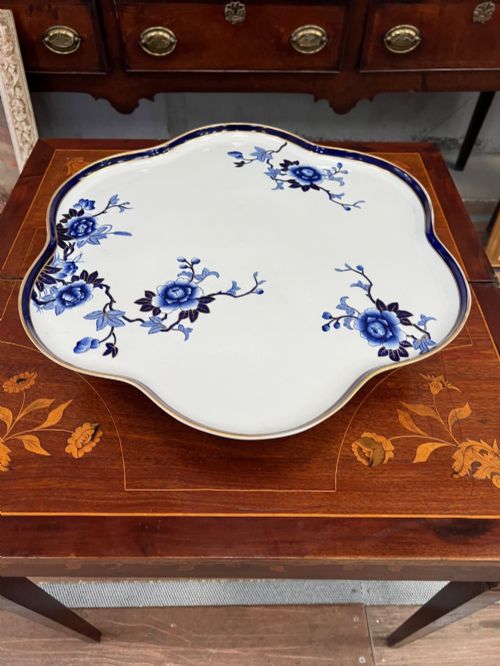
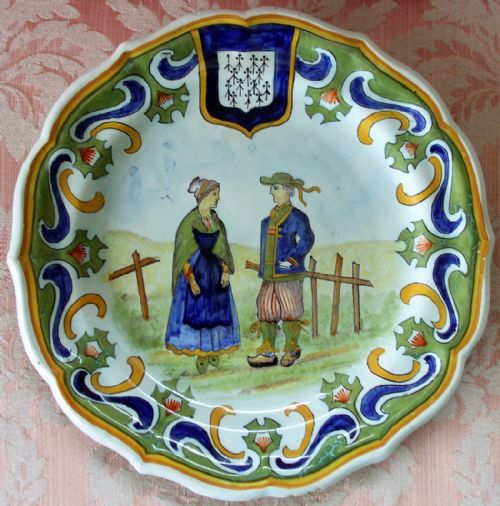
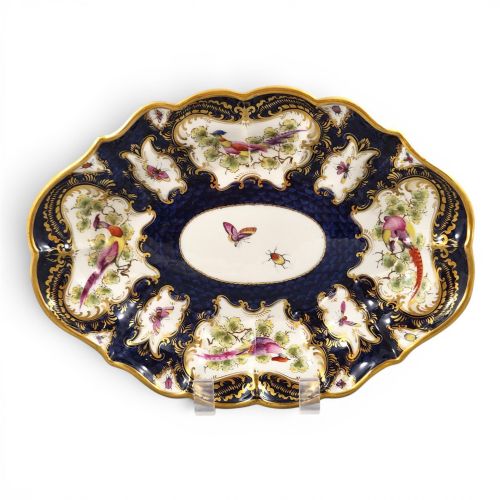
When you search for a vintage blue white dish, you encounter a broad spectrum of tableware spanning European earthenware, tin-glazed faience, and Japanese porcelain. The selection ranges from large decorative chargers and meat platters to lidded tureens and small sauceboats, originating from periods between the seventeenth and early twentieth centuries.
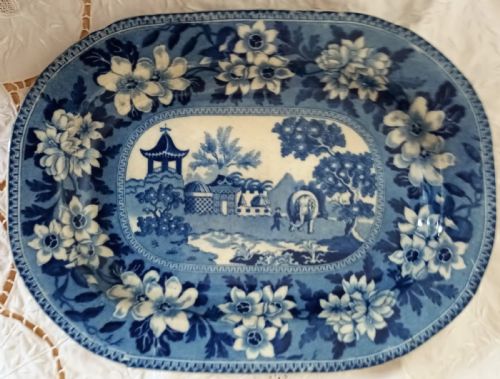
English transferware platters from the Georgian and Victorian eras appear frequently alongside Dutch and French faience. You also meet Japanese Arita and Imari wares, demonstrating how potters across the globe embraced the cobalt palette.
Materials and Technique
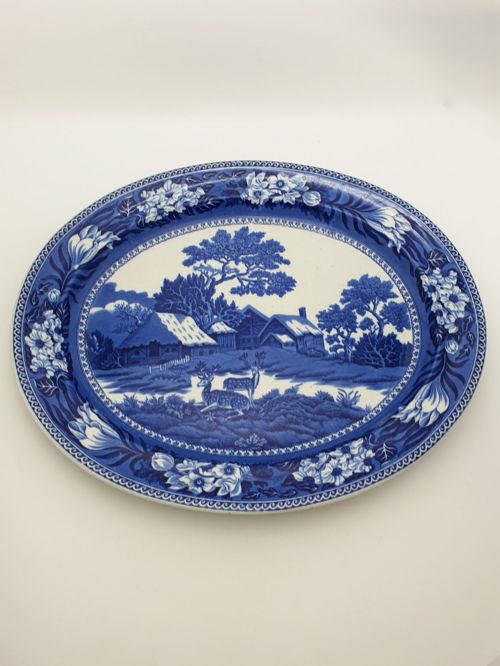
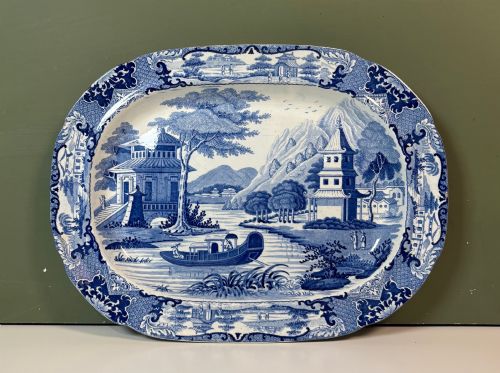
Potters relied on earthenware, porcelain, and ironstone as bodies, applying cobalt underglaze pigments before firing to achieve the characteristic rich blue tones. Transfer printing allowed factories to apply intricate pictorial scenes onto large platters and plates with mechanical precision.
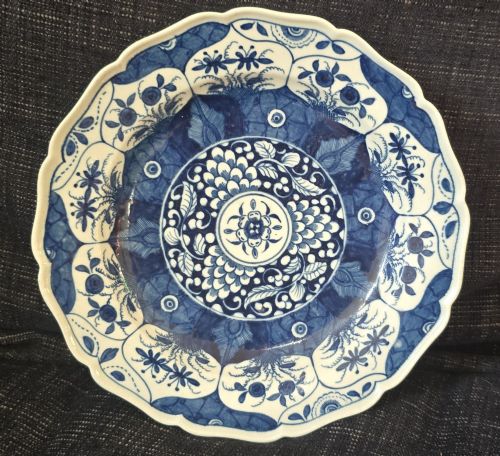
Faience and delftware pieces utilised tin glazes to create an opaque white surface that held hand-painted cobalt designs. Japanese porcelain and earthenware employed careful brushwork over the glaze, occasionally incorporating additional enamel colours.
Vintage Blue White Dish Retail Price Guide 2026
Typical asking prices for vintage blue white dish among the pieces listed under this phrase on Sellingantiques today, from the lower quarter to the upper quarter. They describe what is for sale here now, not the wider market.
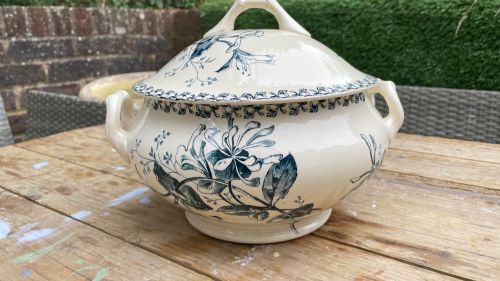
A nineteenth-century cheese dish and cover waits patiently for its dairy.
Judging the Standard
Quality rests upon the crispness of the cobalt transfer or the fluency of the hand-painted brushwork. On transferware platters, a clear, deep impression without blurring distinguishes superior examples.
The weight of the body and the uniformity of the glaze also matter. Fine porcelain and early ironstone display smooth surfaces and balanced proportions, whereas heavier utilitarian earthenware shows thicker potting and minor kiln imperfections.
John Rogers And Son·John And Richard Riley·Minton·Royal Worcester·Spode·Masons
The Vintage Blue White Dish Glossary
- Transferware
- Earthenware or ironstone decorated by pressing a paper design inked with cobalt onto the ceramic body prior to glazing. This technique revolutionised mass production in the eighteenth and nineteenth centuries.
- Tin-Glazed Earthenware
- Pottery coated with an enamel glaze containing tin oxide to produce a white, opaque surface. It served as the canvas for traditional delft and faience painting.
- Charger
- A large decorative plate intended for formal service or display on a sideboard rather than daily dining. These pieces often feature elaborate pictorial scenes or floral borders.
- Imari
- Japanese porcelain decorated in underglaze blue and contrasting enamel colours, usually iron red and gold. The style influenced European ceramic design significantly during the Edo period.
Vintage Blue White Dish: Frequently Asked Questions
Can I use these for food?
Most antique earthenware and porcelain plates function adequately for serving dry or cold foods. However, crazed glazes on nineteenth-century pieces can absorb liquids and harbour bacteria over time.
Treat delicate transferware and faience as decorative table art rather than heavy-use dining items. Reserve them for display or occasional presentation.
How do I date a blue and white piece?
Examine the base for factory backstamps, impressed maker marks, and pattern names. Transfer-printed titles often reference specific historical events or topographical locations that narrow down the production decade.
The weight, colour of the glaze, and style of the cobalt pigment also offer strong clues. Early pieces often exhibit pooling in the glaze and softer blue tones compared to later wares.
Why do some pieces show crazing?
Crazing occurs when the surface glaze contracts at a different rate than the underlying ceramic body during cooling. This network of fine cracks develops naturally over decades as the material ages.
While crazing is a standard sign of antique age rather than a modern defect, it requires careful washing to prevent staining.