


Vintage English Pottery Dish
A vintage english pottery dish brings domestic craft from past centuries straight to the modern table.
Vintage English Pottery Dish
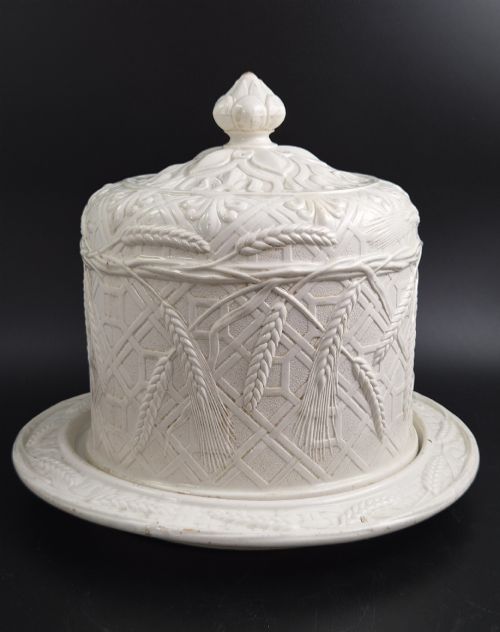
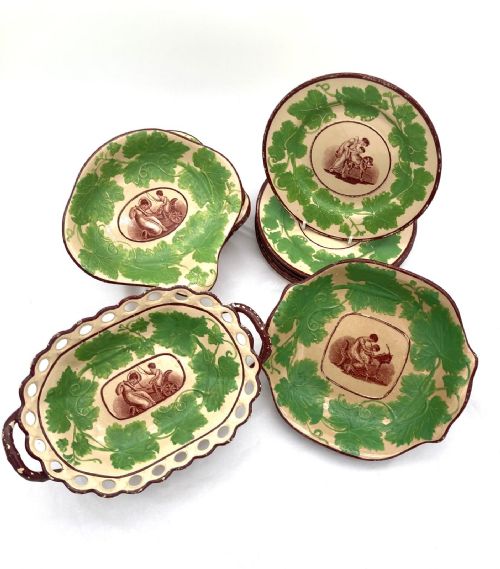
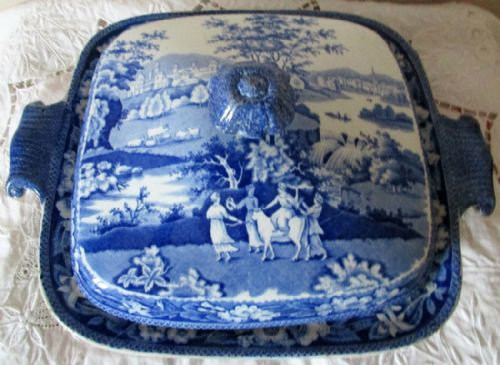
When searching for a vintage english pottery dish, collectors encounter a diverse range of domestic vessels spanning multiple centuries and aesthetic movements. The selection includes serving platters, decorative bowls, cheese domes, vegetable tureens, and dessert services originating from Georgian, Victorian, and twentieth-century workshops.
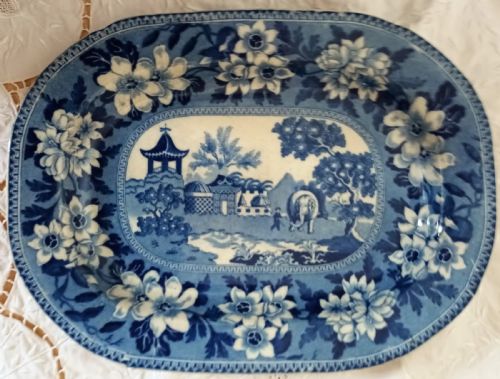
Blue and white transfer-printed earthenware from the nineteenth century forms a substantial part of the available pieces, alongside brightly coloured Art Deco chargers, lustre wares, and hand-painted earthen bowls. Pieces range from large serving dishes down to small shallow saucers and wash bowls.
Earlier examples include eighteenth-century Delft earthenware and porcelain saucer dishes, while later items encompass tubelined Art Deco designs and Moorcroft pottery from the early decades of the twentieth century.
Materials and techniques
Potters relied primarily on earthenware, ironstone, and ceramic bodies, shaping them into plates, bowls, and large serving platters. Surface decoration was achieved through blue and white transfer printing, enamel paints, and rich lustre glazes.
Techniques evolved from early tin-glazed Delftware and hand-applied transfer prints to intricate tubelining used during the Art Deco period, where raised clay outlines held pools of vibrant coloured enamel.
The selection includes serving platters, cheese domes, vegetable tureens, and decorative bowls across multiple historic periods.
Gradations of quality
Quality rests upon the clarity of the transfer print, the richness and depth of the glaze, and the crispness of any hand-painted or tubelined details. Pieces produced by notable makers with distinct patterns display superior definition and glaze stability compared to standard utilitarian wares.
The complexity of the form and the preservation of delicate elements such as gilt highlights or lustre finishes dictate the standing of an individual dish within its period.
John Rogers and Son·John and Richard Riley·Charlotte Rhead Crown Ducal·Daisy Makeig-Jones Wedgwood·Clarice Cliff·Moorcroft England·Royal Doulton
The Vintage English Pottery Dish Glossary
- Ironstone
- A dense, durable type of earthenware patented in the nineteenth century to imitate porcelain while offering greater strength for domestic use.
- Transfer printing
- A mechanical method of applying complex decorative patterns to pottery by engraving a design on a copper plate, printing it on tissue paper, and pressing it onto the ceramic body before glazing.
- Tubelining
- A decorative technique where a thin trail of liquid clay is squeezed through a nozzle onto the surface of a ceramic piece to form raised outlines for enamel colours.
- Lustre ware
- Pottery finished with a metallic glaze that produces an iridescent, reflective sheen when fired in a reducing kiln.
- Drabware
- A nineteenth-century stoneware body featuring a muted, greyish-brown or olive monochrome surface colour, often used for utilitarian and dessert services.
Vintage English Pottery Dish: Frequently Asked Questions
How do I date a blue and white transfer dish?
Dating relies on identifying the pottery mark stamped or printed on the underside, alongside stylistic clues in the border patterns and subject matter. Early nineteenth-century pieces often feature specific topographical or classical scenes associated with documented Staffordshire makers.
Changes in ceramic bodies, such as the adoption of heavy ironstone later in the Victorian era, also help narrow down the production period of utilitarian serving dishes.
Can I use these antique dishes for serving food?
Many sturdy ironstone platters and earthenware serving dishes remain physically suitable for occasional table service, provided they are washed by hand rather than subjected to modern dishwashers. Older earthenware and porous bodies, however, are best reserved for display or light dry use to protect the historic glaze.
Craze lines and old surface wear can absorb liquids over time, making decorative placement the safer choice for fragile eighteenth-century or lustre pieces.
What is the difference between earthenware and ironstone?
Earthenware is a traditional porous pottery fired at lower temperatures, requiring a complete glaze to hold liquids. Ironstone is a heavily vitrified, dense type of earthenware developed in the nineteenth century to withstand hard daily use.
Ironstone pieces generally feel heavier and ring slightly when tapped, whereas older country pottery earthenware displays a softer, more rustic body structure.
How should I display a decorative charger?
Large chargers and serving platters can be shown securely on stable plate stands designed for heavy ceramic items, or mounted on walls using properly padded wire hangers. Positioning pieces away from direct sunlight preserves the vibrant enamel colours on Art Deco and lustre wares.
Grouping platters by palette, such as pairing blue and white transfer prints with plain white ironstone, creates a balanced visual display.