




Vintage Blue Serving Bowl
A vintage blue serving bowl brings rich colour and enduring utility to the table, offering a striking centrepiece rooted in centuries of ceramic and glass artistry.
Vintage Blue Serving Bowl
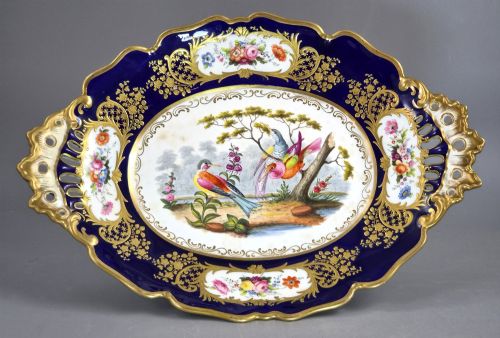
A vintage blue serving bowl encompasses a wide array of domestic and decorative vessels designed for the table across the nineteenth and twentieth centuries. Buyers searching this phrase encounter everything from grand punch bowls and lidded tureens to scalloped dishes and everyday mixing vessels. The selection draws heavily upon Asian export traditions, European earthenware, and pressed or blown glass.
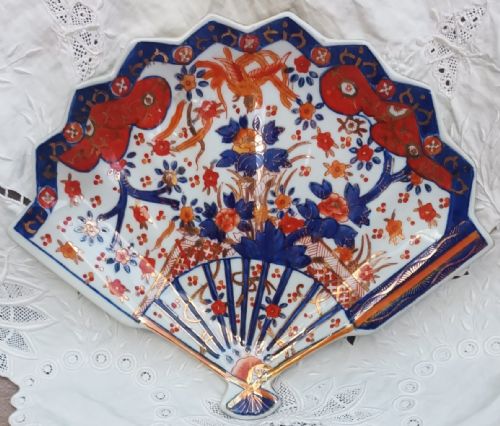
Japanese Imari pieces from the Meiji period sit alongside English transfer-printed ironstone, French faience, and Bohemian cobalt glass. Most examples date from the nineteenth century or the early decades of the twentieth century, reflecting varied global production methods and aesthetic movements. Each piece offers distinct utilitarian or decorative functions suited to modern dining environments.
Materials and methods
Makers utilised earthenware, stoneware, and porcelain as the primary ceramic bodies for these vessels, applying fluid glazes and rich cobalt pigments before firing. Transfer printing allowed intricate blue and white patterns to be applied efficiently, while hand-painted motifs required skilled brushwork directly onto the raw glaze. Gilding and enamelling frequently provided supplementary ornamentation on finer porcelain and glass examples.
Glass production involved blowing and moulding techniques, seen in deep cobalt glass and opalescent pieces from later decades. Majolica and faience items relied on tin-glazed earthenware bodies to support vibrant opaque colours and relief moulding. These varied techniques dictate the weight, texture, and durability of each individual bowl.
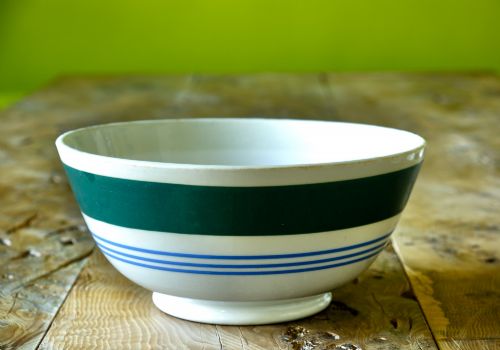
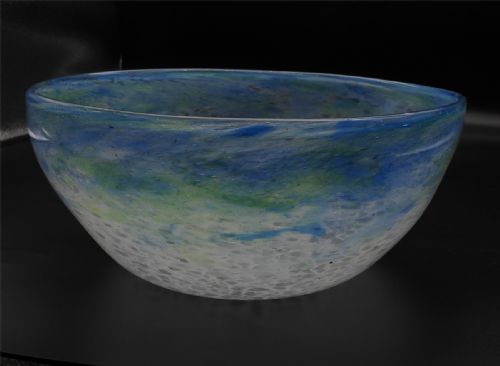
The selection includes nineteenth-century earthenware, Meiji period porcelain, and twentieth-century opalescent glass.
Factors of quality
Quality rests upon the crispness of the decoration, whether hand-painted or transfer-printed, and the purity of the ceramic or glass body. Finer examples display precise brush control, even glaze coverage, and well-balanced forms without distracting kiln flaws. Weight and resonance in glass pieces also signal superior craftsmanship and material selection.
The sophistication of the design execution separates standard production ware from exceptional pieces. Superior items often feature hand-applied gilding, intricate moulded details, or artist signatures that elevate their decorative appeal. The integrity of the glaze and the preservation of surface detail remain central to the overall standard.
Coalport·T G Green·Doulton Lambeth·Samson·Rene Lalique
The Vintage Blue Serving Bowl Glossary
- Imari
- A style of Japanese porcelain decorated in underglaze blue and overglaze red, gold, and other colours. It originated in Arita and was widely exported to the West.
- Tureen
- A deep, large serving dish with a lid, traditionally used for holding soups or stews. Many antique examples include matching ladles and undertrays.
- Transfer print
- A method of decorating ceramics by engraving a design on a copper plate, pulling it on tissue paper, and transferring it onto the pottery body before firing. This technique enabled uniform, highly detailed blue patterns.
- Majolica
- A type of earthenware coated with an opaque tin glaze and painted with metallic oxide colours. It gained immense popularity during the Victorian era for its bright hues and sculptural forms.
- Opalescent glass
- Glass that diffuses light and appears to change colour depending on the angle of illumination. It is characteristic of decorative vessels produced in the early twentieth century.
Vintage Blue Serving Bowl: Frequently Asked Questions
Are these bowls safe for everyday food use?
Most antique ceramic and glass vessels are structurally sound for serving dry foods or room-temperature dishes. However, older glazes can sometimes contain trace materials that require caution with acidic foods.
Consider using porcelain and glazed stoneware for gentle dining, while reserving delicate glass or fragile earthenware strictly for display purposes.
How can I tell Japanese Imari from European copies?
Examine the paste and the characteristic iron-red and cobalt blue pigments under magnification. Japanese Meiji period pieces often display a slightly granular body and distinct potting marks on the base.
European factories like those in England imitated these palettes closely, but their paste and potting techniques typically reveal different clay compositions and firing spurs.
What is the difference between faience and porcelain?
Faience is a tin-glazed earthenware that is opaque and porous beneath its surface coating. It offers a heavier feel and softer body compared to true porcelain.
Porcelain is vitrified at high temperatures, resulting in a dense, non-porous material that rings slightly when struck and often transmits light through thin sections.