


Blue White Vegetable Bowl
These blue white vegetable bowl examples bring cobalt-decorated earthenware and porcelain straight to the table from the Georgian and Victorian eras.
Blue White Vegetable Bowl
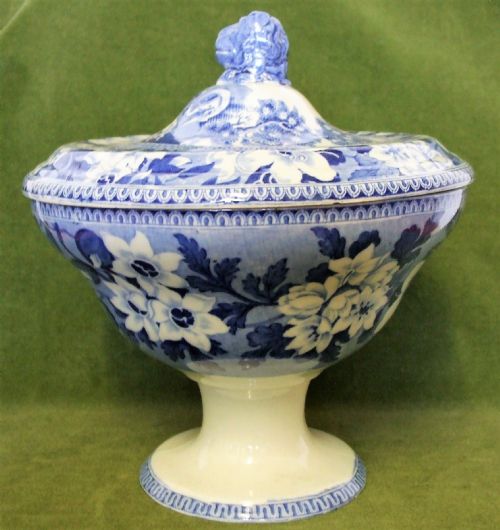
A blue white vegetable bowl serves as a lidded tureen, dish, or serving vessel designed for nineteenth-century dining tables. These ceramic pieces appear in Georgian and Victorian styles alongside Chinese Export work.
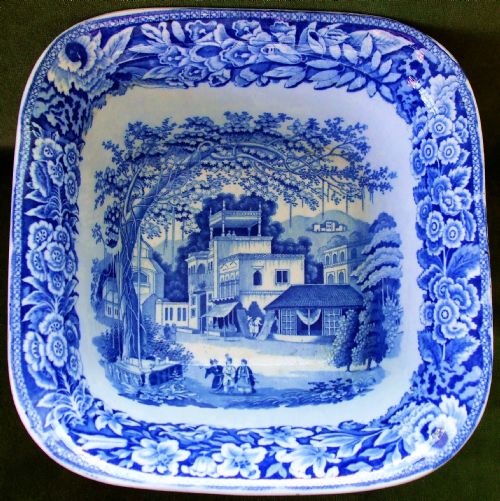
Makers shaped these items into covered tureens, supper sets, and decorative bowls intended for holding vegetables and side dishes during large meals. Most examples on this page date from the nineteenth century and utilise transfer-printed decoration.
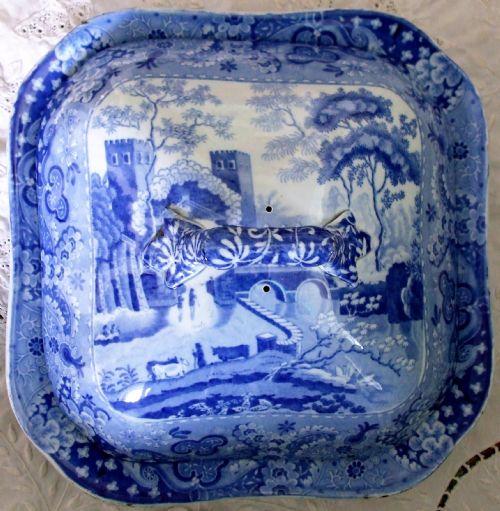
English potteries and Chinese workshops produced these serving vessels to withstand daily use while adding blue and white scenes to the dining room. Collectors encounter specific regional patterns depicting castles, rural scenery, and eastern street scenes.
Methods and materials
Potters shaped these items from earthenware and porcelain before applying cobalt oxide and glaze to the surface. The pigment settled beneath a clear glossy coating during firing to create the characteristic blue and white transfer print.
Makers utilised cobalt glaze and cobalt underglaze techniques to transfer detailed pictorial patterns such as 'Castle', 'Elephant', and 'The Peacock onto the clay body. Covers and stands accompanied many of these lidded tureens to form complete serving sets.
Listings feature earthenware and porcelain materials decorated with cobalt glaze, including works from Chinese Export and English Georgian traditions.
Assessing quality and craftsmanship
Pottery execution distinguishes the finer serving vessels from standard tableware through the crispness of the transfer print and the uniformity of the glaze. Well-executed pieces display sharp pictorial details without blurring or running in the cobalt oxide.
The presence of matching covers, ladles, and original stands elevates the completeness of a tureen. Maker marks stamped or printed underneath also indicate the standing of the pottery responsible for the earthenware body.
J. & R. Riley·J. & R. Clews·John Rogers & Son·James Wallace & Co.·Copeland and Garrett·Doulton Burslem
The Blue White Vegetable Bowl Glossary
- Transfer print
- A method where a paper design takes ink from an engraved copper plate and presses it onto pottery. This technique allowed potteries to apply complex scenes like castles and rural scenery onto earthenware.
- Tureen
- A deep covered bowl used for serving soups, vegetables, or stews at the table. These serving vessels often include matching covers and separate stands.
- Cobalt oxide
- A metallic colourant used under the glaze to produce deep blue tones on ceramics. High temperatures fuse this mineral into the ceramic body during firing.
- Earthenware
- A porous ceramic material fired at lower temperatures and finished with a protective glaze. Most nineteenth-century English tableware utilised this body before glazing.
- Chinese Export
- Ceramics manufactured in China specifically for western markets. These wares combine traditional eastern forms with patterns tailored to European buyers.
Blue White Vegetable Bowl: Frequently Asked Questions
What is a blue white vegetable bowl used for?
These lidded vessels served vegetables, stews, and side dishes during nineteenth-century dining routines. They kept food warm at the table while presenting detailed pictorial scenes.
Today, collectors use them as decorative centrepieces or functional serving dishes. Their covers and stands help complete a traditional table setting.
How do I identify a Georgian tureen?
Georgian examples often feature deep transfer-printed patterns depicting castles, eastern street scenes, or rural landscapes in cobalt blue. The earthenware bodies reflect early nineteenth-century potting techniques.
Maker marks on the underside or distinct pattern names can help verify the period. Stylistic details match the neoclassical and romantic tastes of the era.
Are these pieces safe for food?
Most antique earthenware and porcelain vessels tolerate gentle handling and modern dining use. However, crazing in the glaze can absorb liquids over time.
Hand washing preserves the cobalt glaze and prevents damage to the ceramic body. Many collectors prefer displaying them rather than risking daily wear.
What does transfer printing mean?
Transfer printing is a nineteenth-century technique where an engraved copper plate transfers an inked pattern onto paper, which is then pressed onto raw pottery. This allowed potteries to produce consistent, highly detailed pictorial scenes.
Before this method, painters decorated each piece by hand. The process revolutionised English pottery production and created the distinctive blue and white style.