


Vintage Blue Flower Vase
These vintage blue flower vase pieces bring rich colour and varied styles from the nineteenth and twentieth centuries to any room.
Vintage Blue Flower Vase
A vintage blue flower vase brings together a diverse selection of ceramic, glass, and porcelain vessels created across multiple decades. Buyers searching this phrase encounter nineteenth-century decorative pieces alongside twentieth-century studio pottery and art glass.
The selection ranges from early pottery and stoneware to delicate moulded glass and fine porcelain. Pieces span periods from the Victorian era through Art Nouveau, Art Deco, and mid-century modern design.
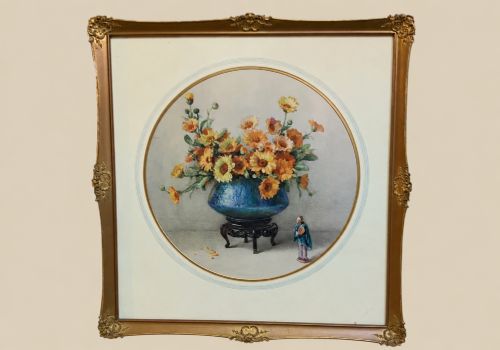
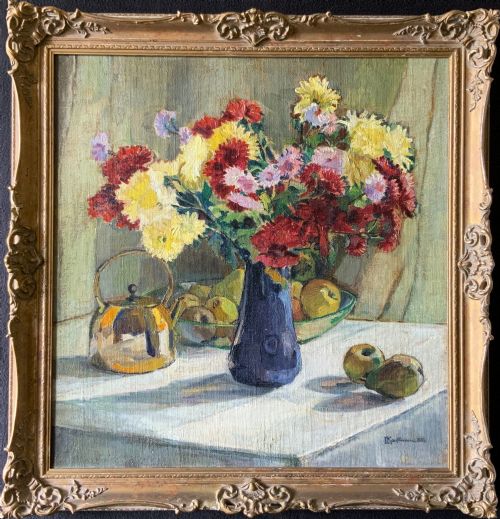
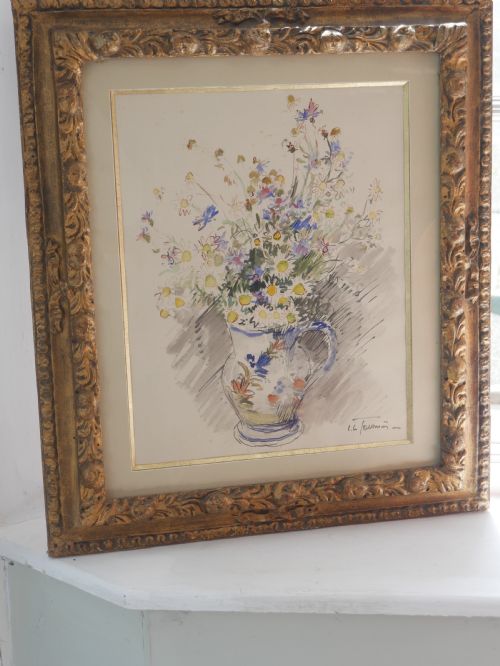
Many of these objects incorporate traditional floral motifs, while others form part of painted still life watercolours and oil paintings depicting blue vessels. These diverse forms reflect global manufacturing traditions including English potteries, French glassworks, and Chinese export wares.
Materials and methods of production
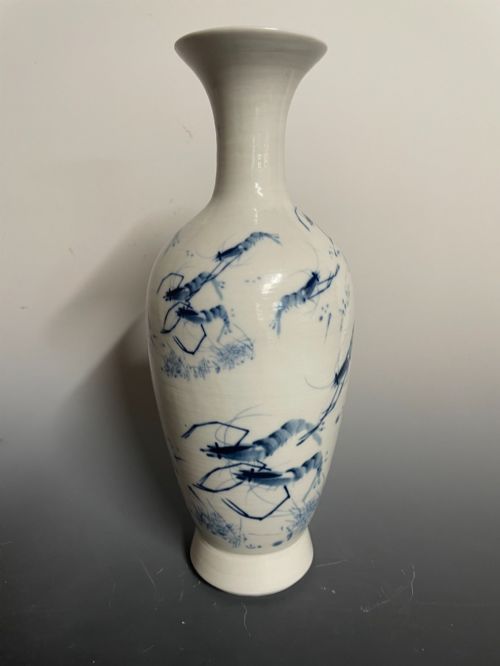
Pottery and stoneware items utilise traditional kiln-fired clay bodies finished with cobalt glazes and enamel details. Skilled artisans applied surface decoration through hand-painted floral motifs or specialised patent techniques.
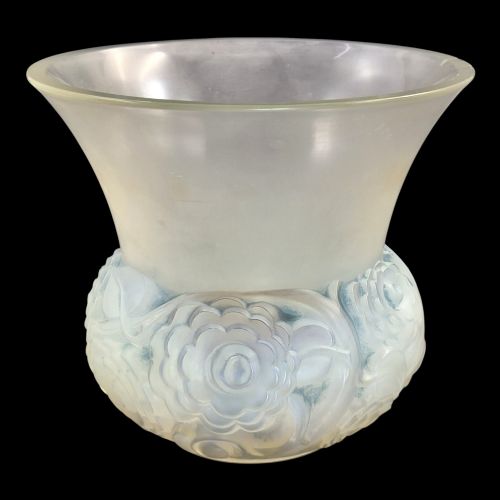
Glass objects rely on moulding, cutting, and opalescent treatments to capture light across deep blue hues. Makers such as Lalique and Val St Lambert employed specialised cooling and chemical processes to achieve specific translucent or saturated colour effects.
Listings feature items spanning the 1850s to the 1960s, incorporating porcelain, stoneware, enamel, and oil on canvas.
Distinctions in craftsmanship and design
The standard of a piece depends on the crispness of moulded details and the depth of the glaze or glass colour. Superior examples show careful hand-finishing, balanced proportions, and clear maker attribution.
Artistry in painted ceramics and associated still life artworks relies on confident brushwork and harmonious composition. Workshop execution and the complexity of decorative patterns separate standard production items from master-level works.
René Lalique·Royal Doulton·William Moorcroft·Val St Lambert·Meissen
The Vintage Blue Flower Vase Glossary
- Opalescent
- A glassmaking effect that creates milky, light-diffusing qualities within the material. This technique was frequently utilised by twentieth-century French glass artists to highlight moulded floral reliefs.
- Cloisonne
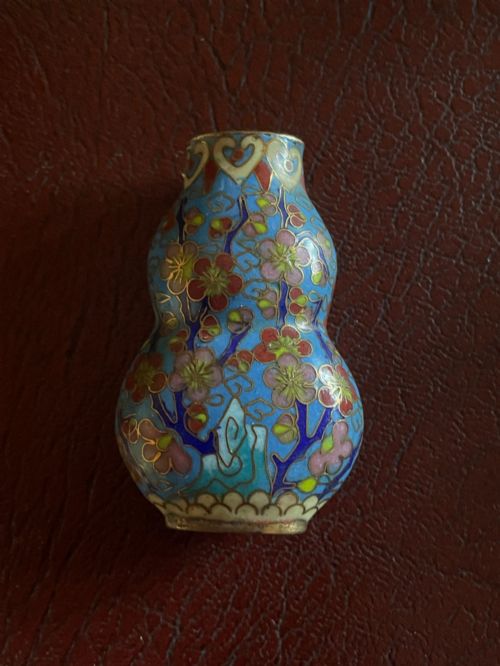
- A decorative metalwork technique where thin wires form raised barriers on the surface, enclosing spaces filled with enamel paste. Miniature vases utilising this method display intricate coloured patterns.
- Stoneware
- A heavy, durable ceramic fired at high temperatures until vitrified and rendered impermeable to liquids. Many nineteenth-century English examples combine this dense body with applied enamel decor.
- Faience
- Tin-glazed earthenware produced across European ceramic traditions, particularly in France. Posy vases made in this medium display opaque white or coloured glaze grounds beneath painted details.
- Impressionist
- An art style focused on capturing light and atmosphere through visible brushstrokes rather than precise detail. Paintings of floral studies and vases from the mid-twentieth century often adopt this approach.
Vintage Blue Flower Vase: Frequently Asked Questions
How do I identify glass periods?
Examine the weight, finish, and signature style associated with specific twentieth-century design movements. Art Deco pieces often display geometric moulded reliefs or deep saturated cobalt hues.
Compare the surface texture and manufacturing marks with known production standards of the era. Makers frequently utilised specific acid-stamped or moulded signatures on the base.
Are these ceramic items waterproof?
Most glazed stoneware and porcelain vessels were manufactured to hold water for floral arrangements. Traditional firing and glazing techniques create a sealed interior suitable for everyday use.
Inspect the interior glaze for any hairline cracks or crazing that might affect liquid retention. Unglazed historical pieces require protective glass liners if used with fresh flowers.
Where were these pieces manufactured?
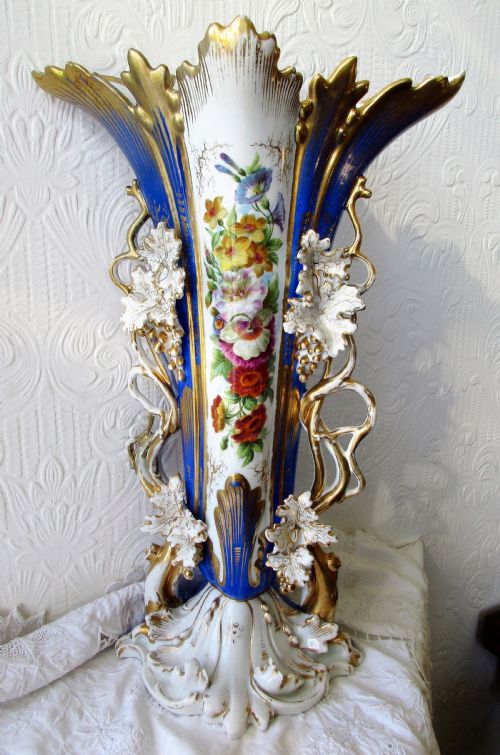
The selection encompasses workshops and factories across England, France, Belgium, Germany, and China. European porcelain and glass production centres developed distinct regional styles during the nineteenth and twentieth centuries.
Export wares and traditional Asian ceramics also contribute to the diverse origin of these items. Examining base markings helps determine the specific country of origin.