

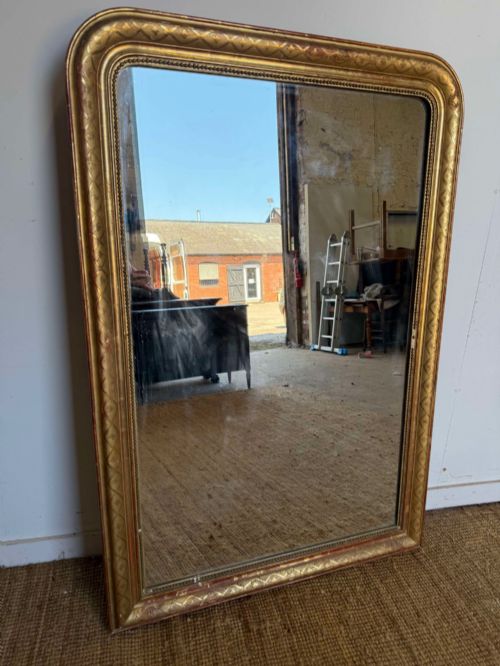
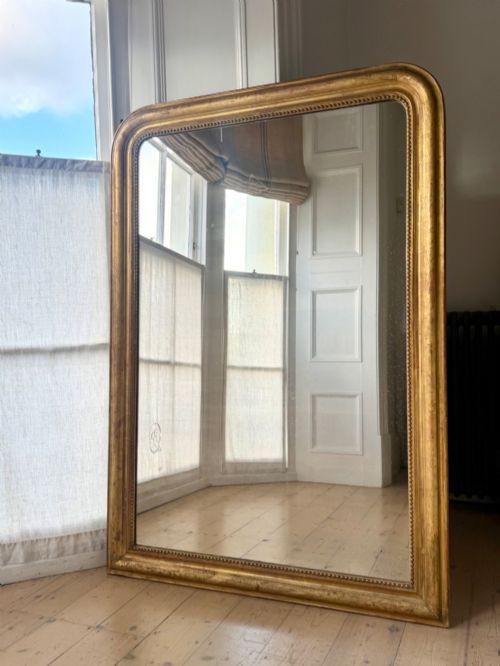
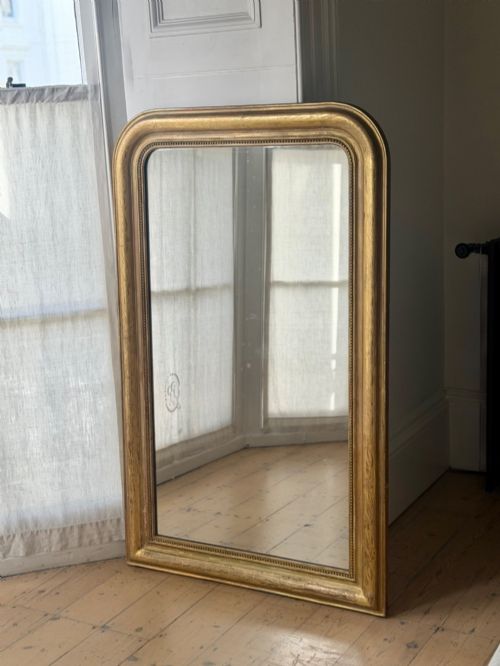
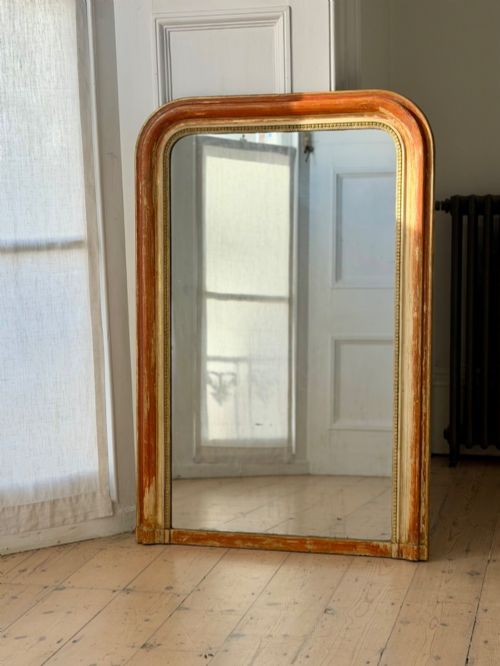




Vintage Bistro Wall Mirror
A vintage bistro wall mirror brings French provincial character into a room through aged glass and weathered frames.
Vintage Bistro Wall Mirror
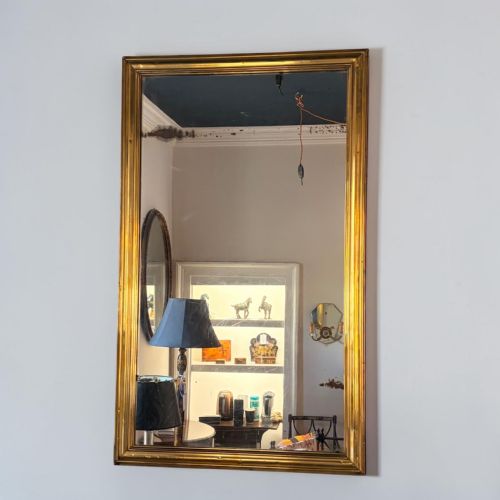
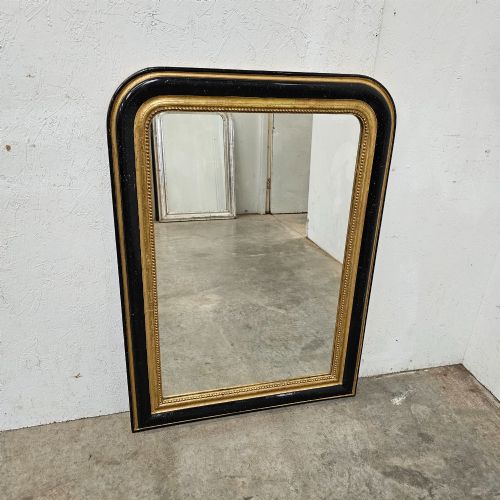
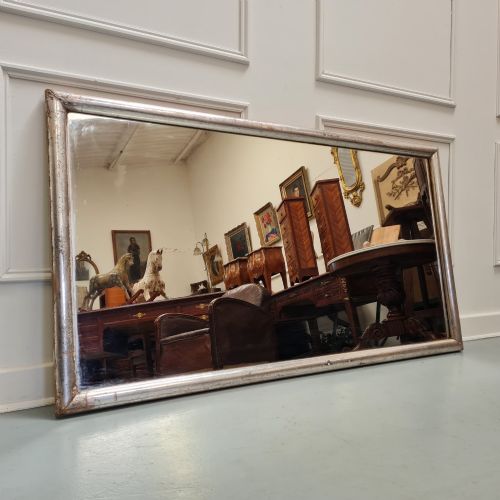
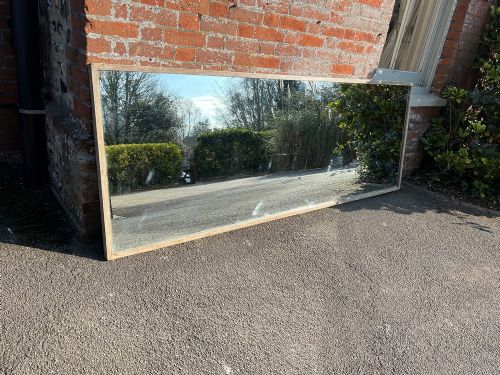
A vintage bistro wall mirror combines practical hospitality origins with decorative French styling, appearing frequently in forms such as Louis Philippe designs and pier mirrors. These pieces often measure on a large scale, designed originally for commercial spaces like cafés and brasseries.
Most examples originate from the nineteenth and early twentieth centuries, spanning periods from the eighteen-fifties to nineteen-forty. Alongside standard wall mirrors, related items such as mirrored portmanteaus and coat racks occasionally emerge within this grouping.
French styles dominate the selection, encompassing French Chateau, provincial, and Art Deco aesthetics. Buyers frequently encounter frames finished with paint, gesso, or giltwood housing original distressed glass plates.
Materials and construction methods
Mirror plates display period manufacturing traits, notably mercury or early silvering techniques that result in natural foxing and ageing. Giltwood and brass components are assembled to withstand the busy environments of nineteenth-century establishments.
Vintage Bistro Wall Mirror Retail Price Guide 2026
Typical asking prices for vintage bistro wall mirror among the pieces listed under this phrase on Sellingantiques today, from the lower quarter to the upper quarter. They describe what is for sale here now, not the wider market.
Several mirrors spent their youth dodging flying saucers and spilled espresso in lively French cafés.
Assessing quality in antique mirrors
Quality reveals itself in the depth of the frame carving and the integrity of the original surface finishes, whether gold leaf, paint, or polished brass. Superior pieces maintain their original components without structural replacement.
The character of the mirror plate itself dictates the desirability of the piece, with undisturbed silvering and heavy bevelling marking out finer examples. Scale also plays a part, as taller pier mirrors and large portmanteaus require more complex joinery.
The Vintage Bistro Wall Mirror Glossary
- Louis Philippe
- A mid-nineteenth-century French style characterised by simple, elegant ogee frames with rounded upper corners. This design prioritises understated classical proportions over heavy ornamentation.
- Gesso
- A plaster-like mixture applied to wood frames to create a smooth surface for gilding or painting. It allows for crisp, intricate moulding work along the border.
- Pier mirror
- A tall, narrow mirror designed specifically to hang on the wall space between two windows. These pieces often feature extended proportions to maximise light in a room.
- Portmanteau
- A combined hall stand incorporating mirror plates alongside hooks or storage for coats and hats. These dual-purpose items served commercial and domestic entryways.
- Distressed plate
- A mirror glass showing age-related oxidation, dark spots, and foxing. Collectors prize this natural degradation for the authentic visual texture it imparts.
Vintage Bistro Wall Mirror: Frequently Asked Questions
How do I date a bistro mirror?
Dating relies on examining the frame construction, materials, and the style of the moulding. Nineteenth-century pieces often display hand-carved wood beneath gesso, while later twentieth-century examples incorporate chrome or different assembly methods.
The mirror plate offers further clues through the pattern of foxing and silvering degradation. Original plates exhibit organic ageing that modern reproductions cannot replicate.
Where should I hang a large wall mirror?
These mirrors suit principal living areas, dining rooms, or hallways where their reflective surface can amplify natural light. Large vertical formats work effectively above mantelpieces or anchored directly to floor-level skirtings.
Ensure the wall construction supports heavy wooden or brass frames securely. Wall fixings must accommodate the substantial weight of nineteenth-century glass and thick wooden backing boards.
Are the mirror plates original?
Many listings specify whether a piece retains its original distressed plate, which exhibits characteristic foxing and dark spots from age. Original glass provides historical integrity and visual depth.
Replacement plates appear in some restored examples, offering a clearer reflection while retaining the antique frame structure. Check individual descriptions to confirm the glass status.
How do I clean an antique mirror frame?
Dust giltwood and painted wooden frames gently with a soft, dry brush to protect fragile gesso and surface finishes. Avoid commercial chemical cleaners that can strip historic paint or gold leaf.
Clean the glass plate using a mild, non-ammonia solution applied to a cloth rather than directly onto the mirror. This prevents moisture from seeping behind the silvering and accelerating edge degradation.
What is a brasserie mirror?
A brasserie mirror is a heavy-duty commercial looking-glass built for bustling French dining establishments. These pieces frequently feature thick brass frames mounted on sturdy wood backings to withstand daily wear.
Their robust construction distinguishes them from domestic boudoir mirrors. They bring industrial French character into contemporary residential spaces.