
Vintage Barley Twist Table
A vintage barley twist table brings tactile turned timber into a room, offering practical surface space rooted in centuries of furniture design.
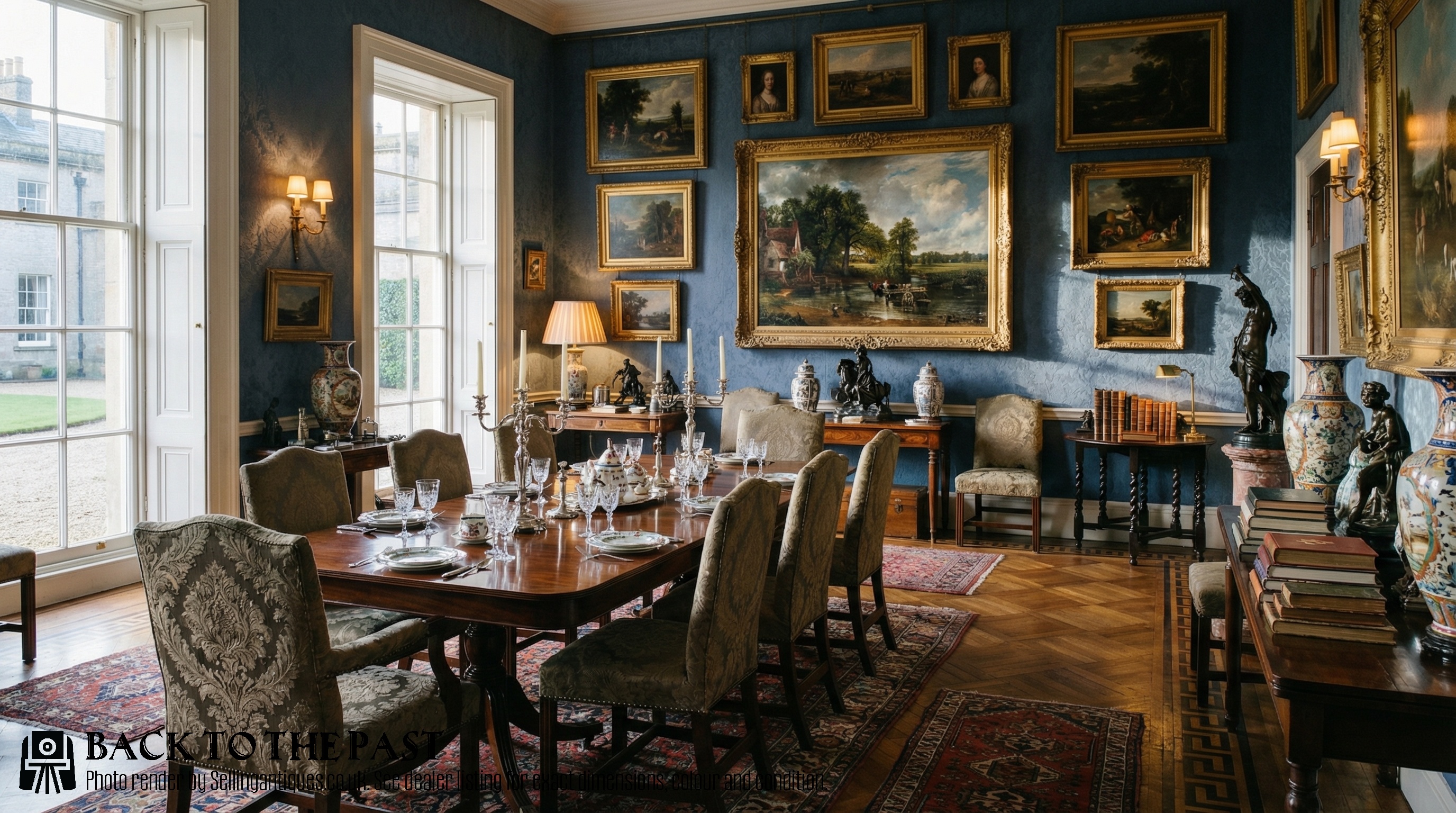
Vintage Barley Twist Table
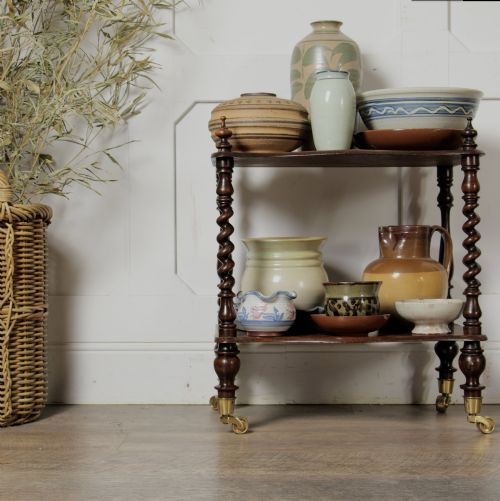
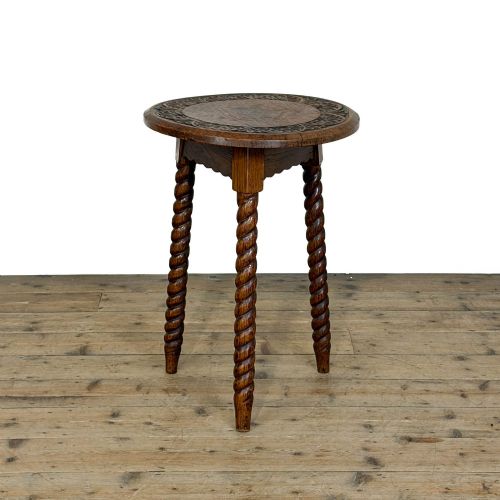
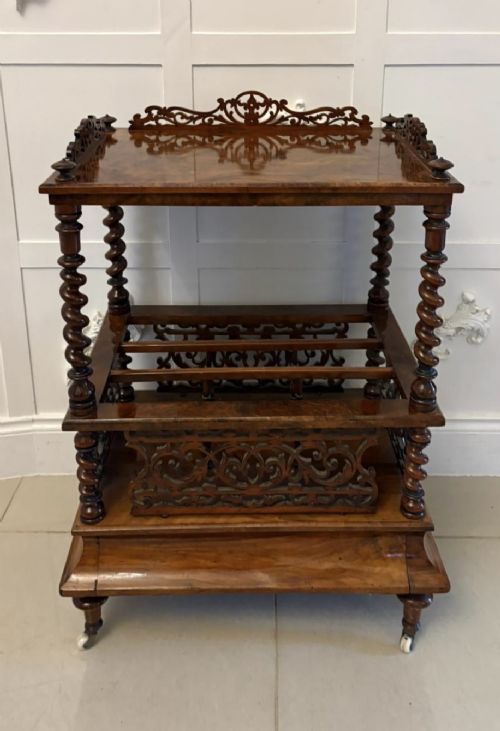
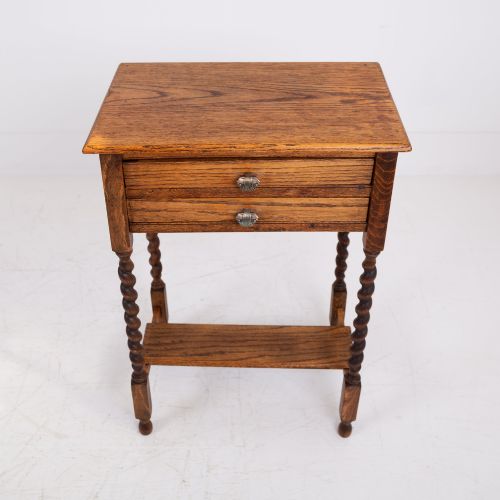
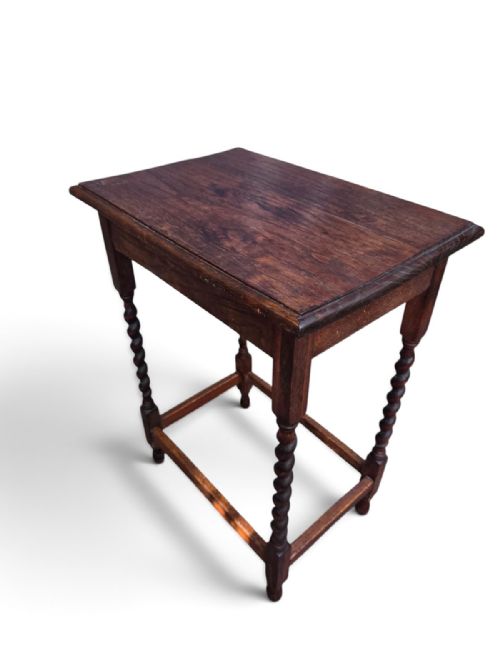
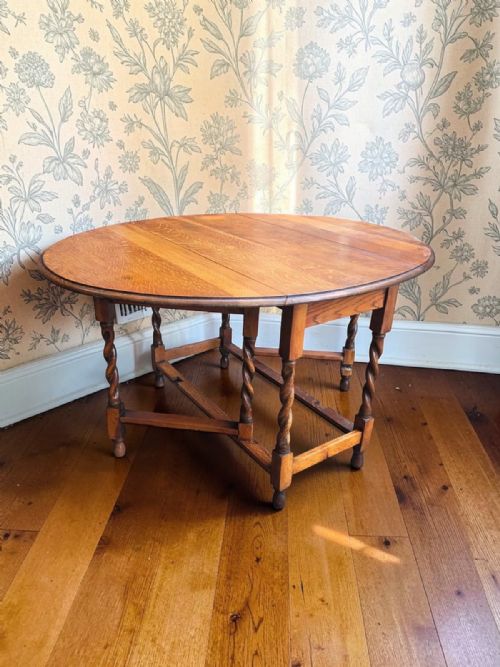
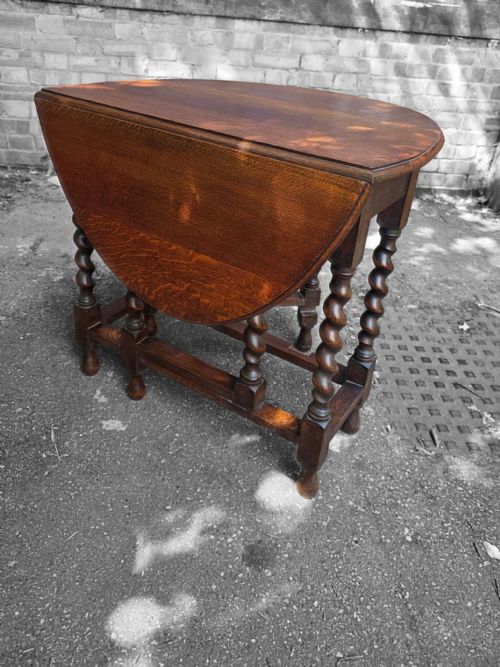
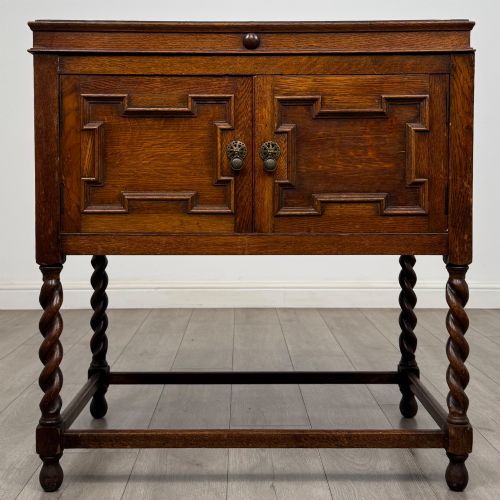
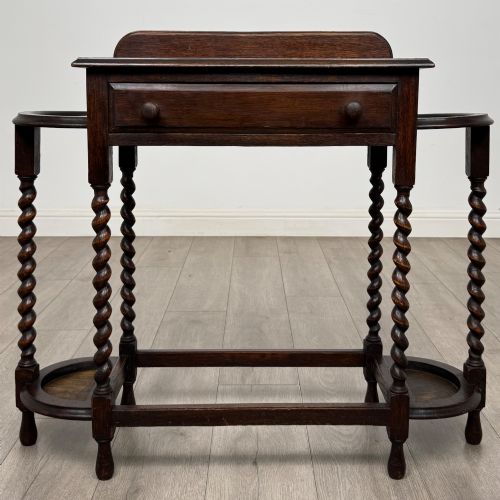
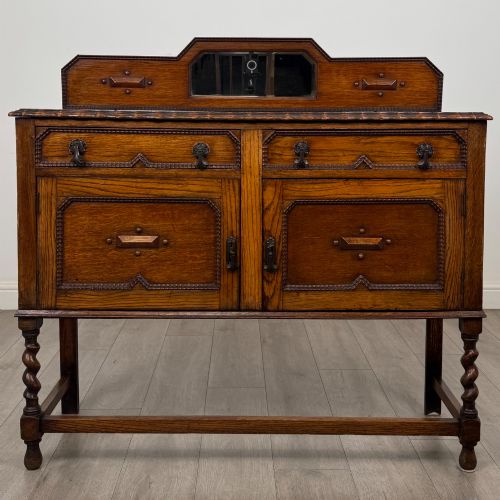
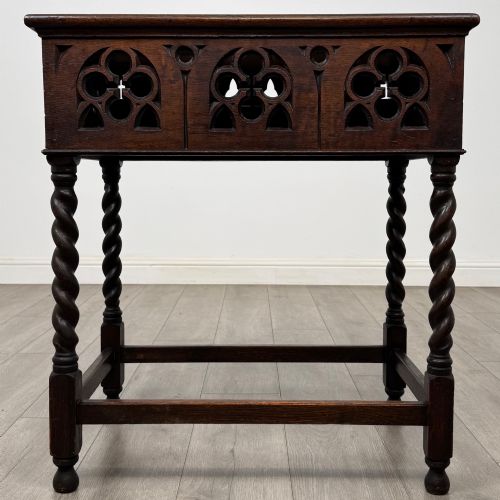
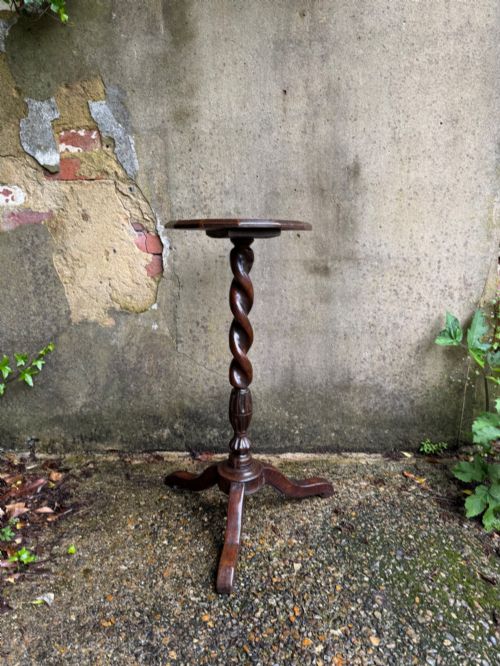
A vintage barley twist table represents a enduring domestic form defined by spiralling turned legs, appearing most frequently in oak or walnut across this selection. These pieces span periods from the Victorian era through the Edwardian years and into the 1920s, reflecting revivals of Jacobean and Carolean styles.
Buyers encounter diverse configurations, ranging from compact side tables and occasional tables to large gateleg dining tables and drop-leaf designs. Smaller iterations function easily beside seating, whilst larger gateleg examples serve dining spaces with folding leaves.
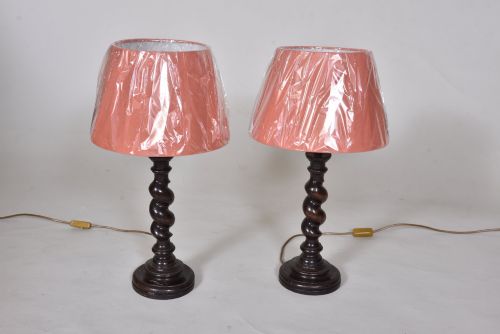
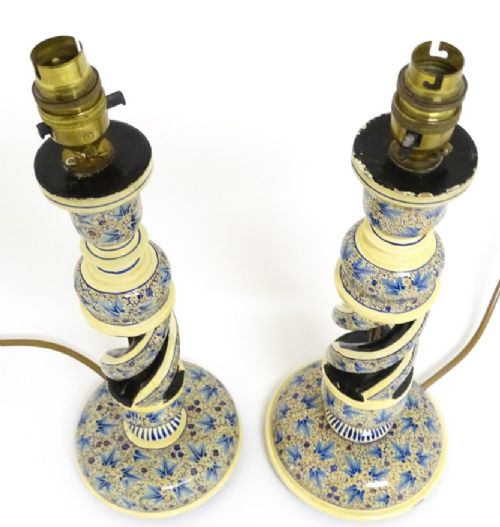
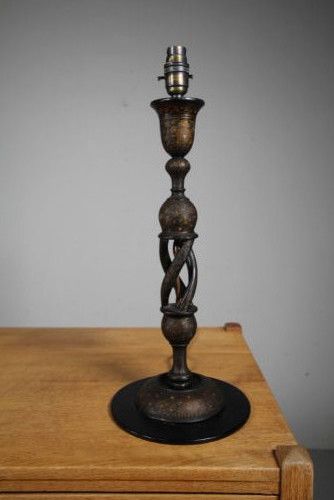
Origins vary between British oak country pieces and exotic variations such as Kashmiri hand-painted lamps and occasional items. The unifying element remains the characteristic helical turning that defines the silhouette.
Evaluating craftsmanship and condition
Quality rests upon the crispness of the timber turning and the stability of the structural joints. Superior examples display sharply defined helical twists without smoothing from excessive past sanding, alongside robust gateleg actions that operate without wobble.
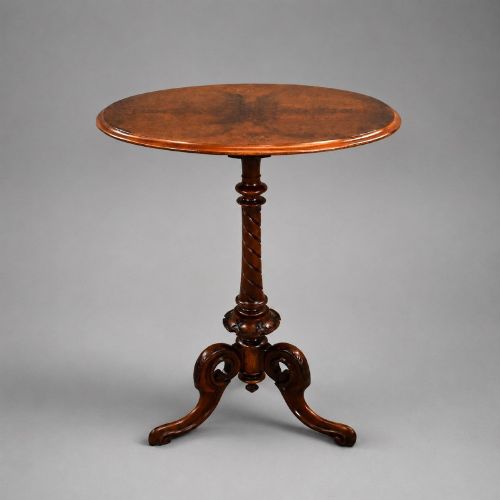
The choice of timber grain significantly elevates an item, particularly in burr walnut surfaces where natural figuring is carefully matched. Original patination on oak pieces, developed through decades of careful polishing, distinguishes finer items from later restorations.
Vintage Barley Twist Table Retail Price Guide 2026
Typical asking prices for vintage barley twist table among the pieces listed under this phrase on Sellingantiques today, from the lower quarter to the upper quarter. They describe what is for sale here now, not the wider market.
Listings feature oak and walnut predominantly, spanning Victorian, Edwardian, and 1920s periods through side tables, gateleg dining tables, and lamp bases.
The Vintage Barley Twist Table Glossary
- Barley twist
- A spiralling decorative turning resembling a stalk of barley, popular in 17th-century furniture and revived during the Victorian and Edwardian periods. This helical form catches the light along its rounded edges.
- Gateleg table
- A dining or occasional table with hinged leaves supported by legs that swing outward like a gate. This clever design allows the table to expand for use and fold flat for storage.
- Drop-leaf table
- A table featuring fixed centre panels and movable flaps that drop down at the sides. Brackets or hinged legs support the leaves when raised.
- Jacobean Revival
- A 19th and early 20th-century architectural and furniture style emulating the heavy oak aesthetic of the early 17th century. It frequently incorporates turned supports and panelled details.
- Burr walnut
- Timber taken from walnut tree growths, prized for its swirling, intricate grain patterns. Cabinet makers utilised these highly decorative veneers on prominent table tops.
Vintage Barley Twist Table: Frequently Asked Questions
How do I date a barley twist table?
Dating relies upon timber selection, construction methods, and prevailing revival styles. Items from the Victorian and Edwardian periods often show machine assistance in the turning, whereas earlier 19th-century examples display hand-cut irregularities.
Hardware such as hinges and screw types also provide chronological clues. Oak predominated in earlier revival pieces, whilst walnut appeared frequently in finer Victorian occasional furniture.
Are gateleg tables practical for daily dining?
Gateleg tables offer exceptional versatility for modern living by folding down when space is needed. They provide sturdy dining surfaces when fully extended and supported by their swing legs.
Buyers should check the pivoting mechanism underneath to ensure the swinging legs lock securely into position. Placing felt pads under the feet helps protect hard flooring during movement.
How should I care for an antique oak table?
Maintenance requires simple dusting with a soft, dry cloth and occasional application of traditional beeswax to nourish the timber. Avoid placing wooden tables near direct heat sources or strong sunlight to prevent splitting.
Using coasters and placemats protects the polished surface from moisture rings and heat damage. Gentle care preserves the natural patination built up over decades.
What is the difference between side tables and occasional tables?
Side tables generally served specific utilitarian purposes against walls, sometimes incorporating drawers for storage. Occasional tables were lighter, movable pieces brought out as needed for tea or reading.
Both forms frequently feature barley twist legs in this collection. Their smaller proportions make them adaptable for placement beside armchairs or in hallways.