




Early 20th Century Oak Table
When you search for an early 20th century oak table, you are looking at practical timber furniture built to last through generations of family life.
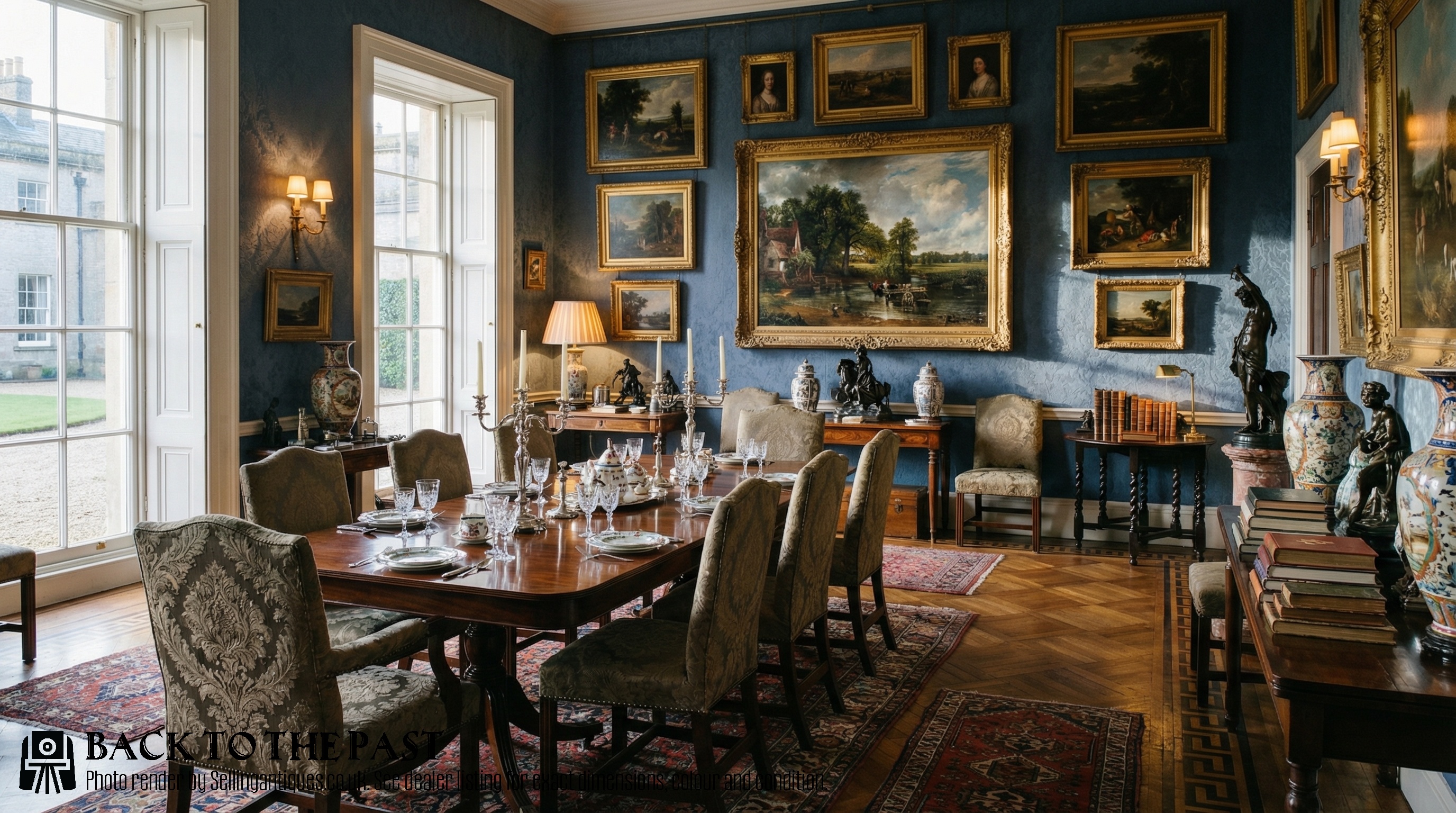
Early 20th Century Oak Table
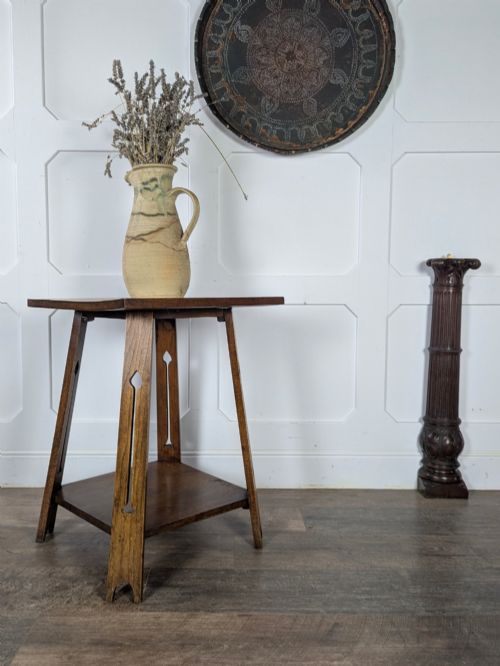
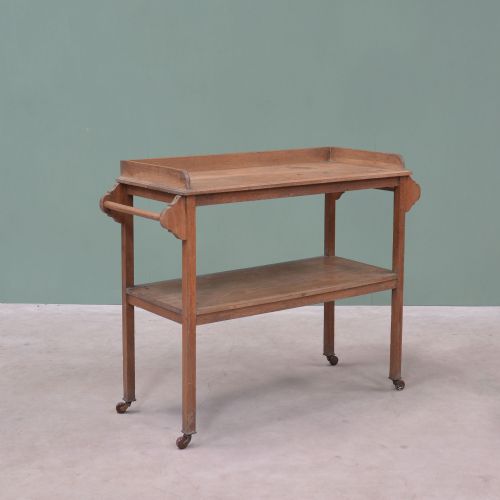
Pieces from this era frequently draw on historical vocabulary, presenting vernacular styles like Jacobean Revival and Tudor Revival alongside cleaner Arts and Crafts or Art Nouveau lines. Buyers will encounter both solid oak construction and clever multi-functional items such as folding coaching tables, drop-leaf tables, and serving trolleys that served specific practical roles in homes of the period.
How they were made
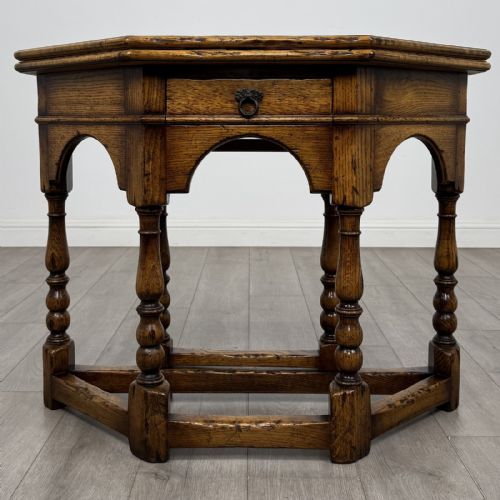
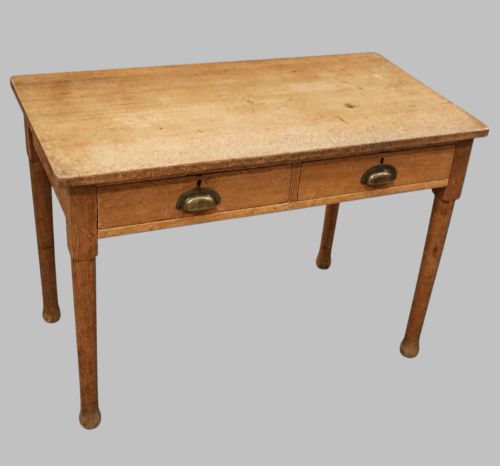
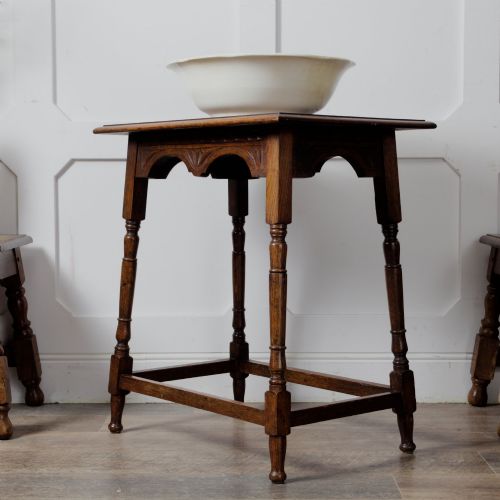
Makers relied primarily on solid oak and light oak, sometimes incorporating secondary timbers like pine, alongside functional metal, brass, and iron hardware for hinges, brackets, and drop handles. Turning lathes produced decorative supports such as barley twist and bobbin legs, while hand-carved panels reflected the enduring popularity of revivalist aesthetics.
Joinery techniques prioritised rigidity and daily utility, employing mortise and tenon joints for structural frames and stable pegged construction on refectory and gateleg tables. Surfaces were often left as natural solid wood, honey oak, limed oak, or bleached finishes to showcase the grain.
Early 20th Century Oak Table Retail Price Guide 2026
Typical asking prices for early 20th century oak table among the pieces listed under this phrase on Sellingantiques today, from the lower quarter to the upper quarter. They describe what is for sale here now, not the wider market.
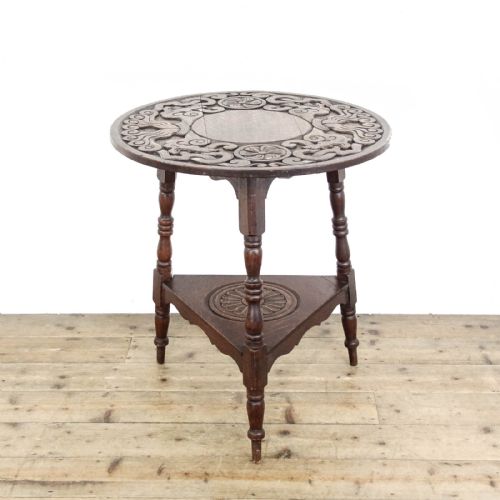
A cheese press table finds new life hosting afternoon tea instead of draining curds.
What varies in quality
Quality in an early 20th century oak table rests on the selection of timber and the integrity of its joinery rather than mere ornamentation. Heavier pieces utilise thick slabs of solid oak for tops and underframes, ensuring structural stability without excessive warping.
Design ambition separates standard commercial output from finer workshop pieces. Tables displaying considered Arts and Crafts proportions, crisp hand-carving, or thoughtful hardware integration command greater appreciation than plain factory-produced equivalents.
The Early 20th Century Oak Table Glossary
- Refectory table
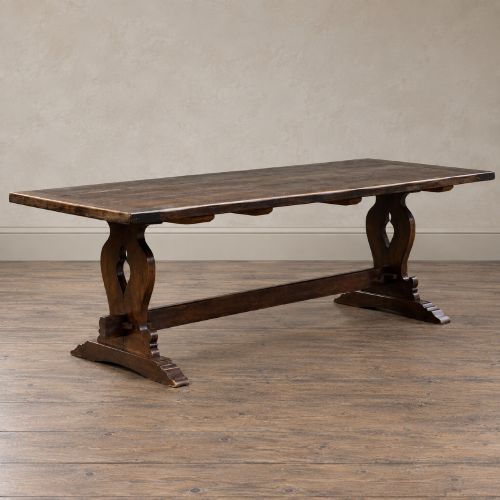
- A long, narrow dining table traditionally built for communal dining with substantial legs connected by low stretchers. These tables form a significant portion of larger dining formats.
- Gateleg table
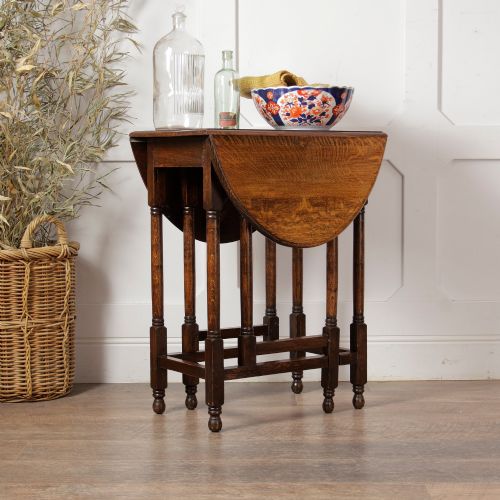
- A drop-leaf table featuring hinged flaps supported by swing-out legs that resemble a opening gate. This design allowed furniture to be folded down against a wall when not in use.
- Barley twist
- A decorative turning technique resembling a spiralling rope or helix shape, commonly used on table legs during the revival periods. It adds dynamic visual texture to otherwise heavy timber frames.
- Arts and Crafts
- A design movement prioritising traditional craftsmanship, visible construction, and simple utility over mass-produced machine ornamentation. Pieces from this tradition show restrained, honest lines.
- Monks seat
- A multi-functional convertible piece of furniture featuring a pivoting top that transforms a chair with a panelled back into a small table. These hybrid items suited compact domestic spaces.
Early 20th Century Oak Table: Frequently Asked Questions
How do I spot a refectory table?
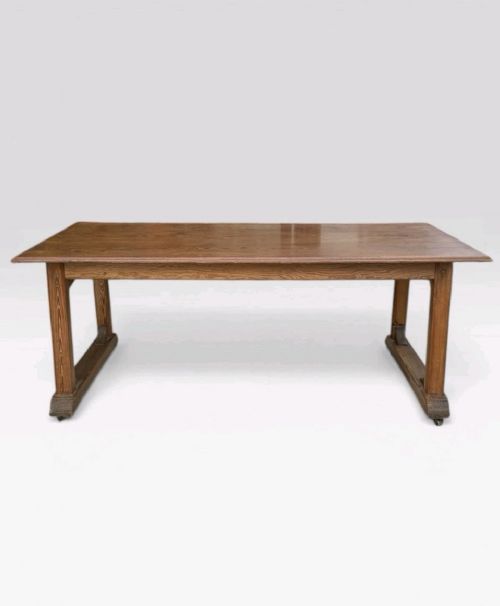
Look for a long, narrow rectangular top supported by four or more sturdy legs joined near the floor by horizontal wooden stretchers. This bracing system was originally designed to keep feet off cold stone floors.
These large formats were built for communal dining and remain popular for modern kitchen and dining spaces due to their generous proportions and robust timber construction.
What is a gateleg table used for?
A gateleg table provides a flexible surface that folds down compactly when floor space is at a premium and expands outward on hinged wooden legs when needed. They were common in smaller rooms where furniture needed to adapt quickly.
When open, the drop leaves rest securely on the pivoted swing legs, creating a surprisingly sturdy eating or writing surface.
How do I care for solid oak?
Solid oak benefits from occasional treatment with appropriate beeswax or natural oils to nourish the grain and protect the surface from drying out. Avoid placing timber tables directly next to heat sources.
Using coasters and placemats helps preserve the original finish against moisture rings and heat marks during everyday use.
Are these tables heavy?
Tables built from solid oak during this period are generally substantial and weighty due to the density of the hardwood. Refectory and gateleg variants require two people to lift safely.
Smaller occasional pieces, side tables, and folding tray stands remain manageable to move around a room as needed.