


Vintage Baluch Rug
When you search for a vintage baluch rug, you find nomadic tribal textiles woven by hand with rich wool and distinctive geometric patterns.
Vintage Baluch Rug
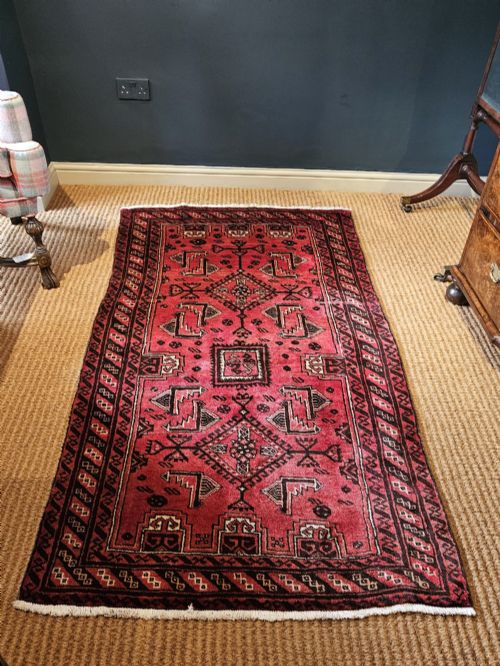
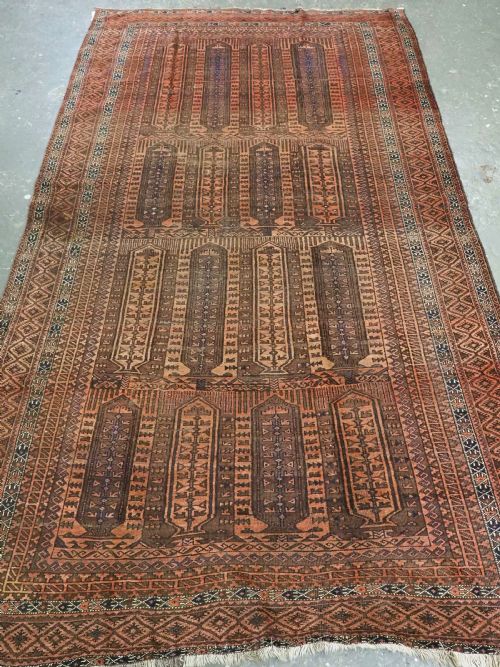
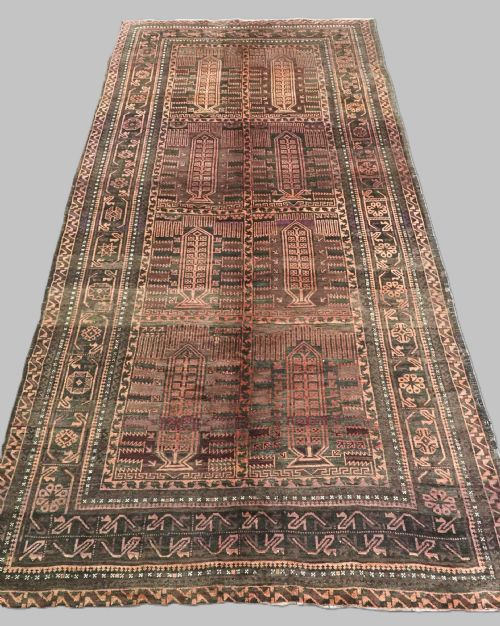
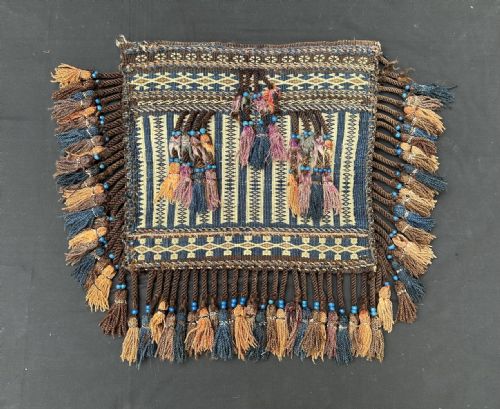
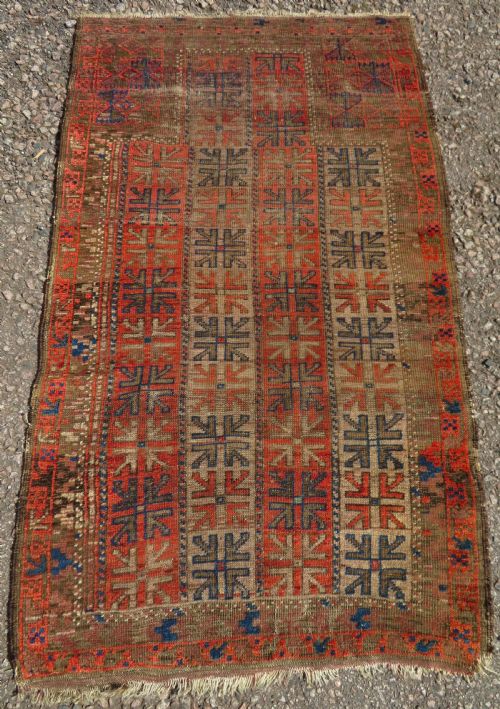
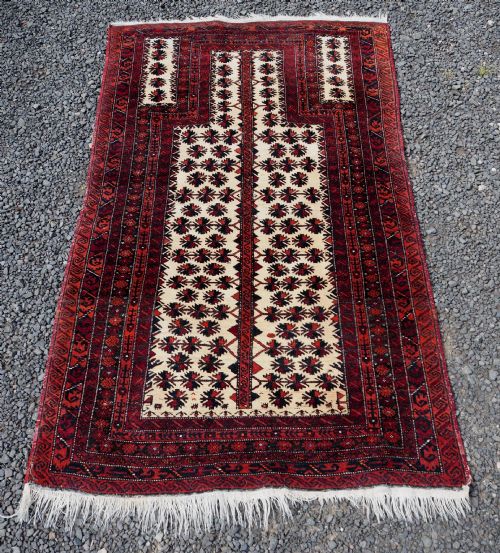
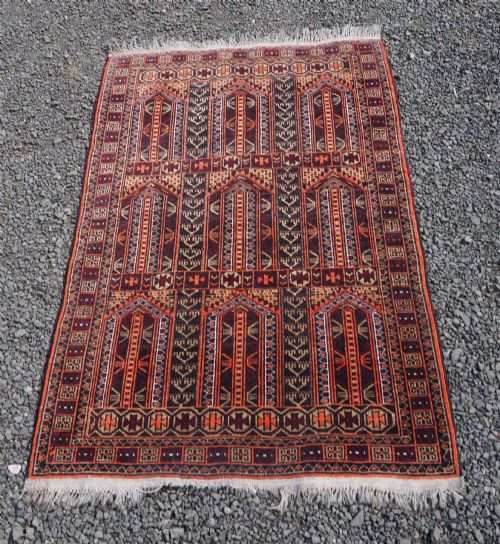
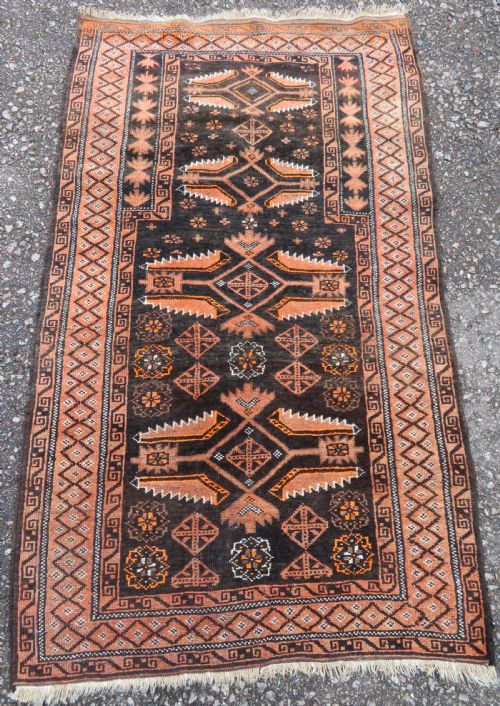
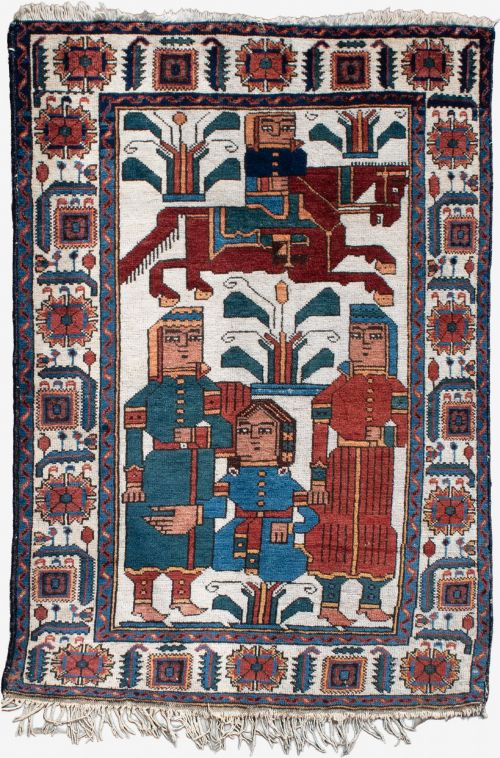
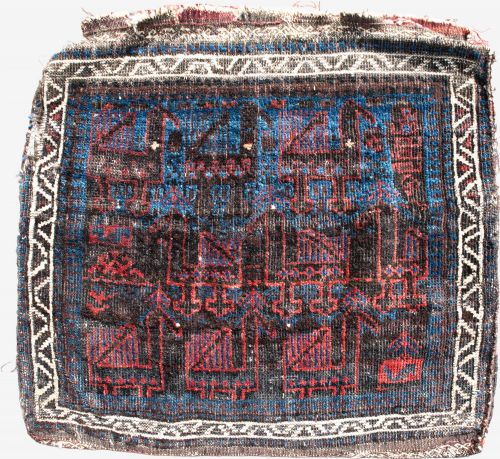
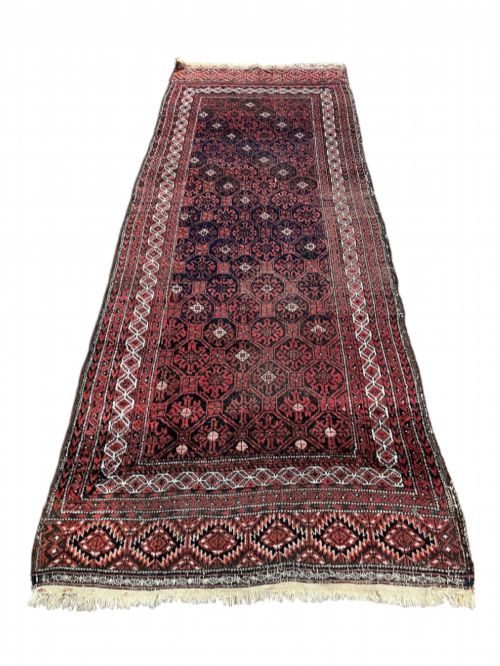
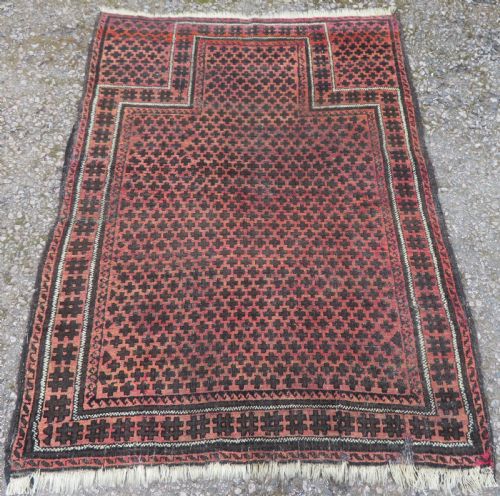
A vintage baluch rug represents the nomadic and village weaving traditions of Baluch tribes across the borderlands of Persia, Afghanistan, and Central Asia. These textiles take many forms, including area rugs, prayer rugs, runners, storage bags, and eating cloths known as sofreh. The examples found here span from the nineteenth century into the twentieth century, displaying distinct tribal and nomadic designs.
Prayer rugs and small carpets dominate the selection, often featuring motifs such as the shrub design, kalam donneh, pencil box patterns, and latch hook medallions. Makers utilised wool, cotton foundations, camel wool, and goat hair to construct these durable floor coverings and utility pieces. The visual vocabulary draws on centuries of tribal heritage passed down through generations of weavers.
How they were made
Weavers constructed these pieces using hand-spun wool and natural dyes on cotton or wool foundations, sometimes incorporating camel wool and goat hair for varied texture and colour. The materials reflect local resources available to nomadic and village populations in regions such as Sistan and Western Afghanistan.
Techniques range from pile weaving for rugs and runners to flatweave construction for storage bags, vanity bags, and sofreh eating cloths. Certain pieces integrate mixed techniques or decorative elements like glass beads, demonstrating the diverse practical applications of tribal textile production.
Vintage Baluch Rug Retail Price Guide 2026
Typical asking prices for vintage baluch rug among the pieces listed under this phrase on Sellingantiques today, from the lower quarter to the upper quarter. They describe what is for sale here now, not the wider market.
Materials across these listings include hand-spun wool, camel wool, goat hair, cotton foundations, and natural dyes.
What varies in quality
Quality rests upon the fineness of the weave, the clarity of the geometric motifs, and the depth of the natural dyes used in the wool. Pieces with intact original backs, well-preserved borders, and balanced proportions command greater appreciation among collectors.
The choice of materials also influences the piece, with soft hand-spun wool, camel hair highlights, and well-executed pictorial or traditional designs showing a higher level of tribal artistry.
The Vintage Baluch Rug Glossary
- Sofreh
- An eating cloth or spread woven by nomadic tribes for domestic use. These textiles often feature geometric banding and flatweave techniques.
- Prayer rug
- A small rug designed for ritual daily prayer, frequently identifiable by a mihrab or arch motif at one end.
- Kalam donneh
- A traditional motif resembling a curved leaf or paisley shape used extensively in tribal carpets.
- Flatweave
- A textile constructed without pile by interweaving warp and weft threads directly, seen in storage bags and utility cloths.
- Latch hook
- A geometric hook motif commonly repeated along medallions and borders in nomadic weaving.
Vintage Baluch Rug: Frequently Asked Questions
What is a baluch rug?
A baluch rug is a hand-woven textile produced by nomadic and village tribes originating from regions spanning modern-day Iran, Afghanistan, and Pakistan. These pieces are recognised by their dark colour palettes, geometric designs, and dense wool construction.
Weavers utilised traditional materials such as hand-spun wool, camel hair, and natural dyes to create durable floor coverings and utility bags for daily nomadic life.
How were these rugs used?
Nomadic families used these textiles primarily as floor coverings, sleeping mats, and portable furnishings within tents or village homes. Smaller formats functioned specifically as prayer rugs for ritual use.
Other specialised forms served practical household needs, such as storage bags for belongings, vanity bags, and sofreh cloths laid on the ground for meals.
How do I live with a tribal rug?
These rugs suit heavy-traffic areas as well as quiet corners due to the natural resilience of hand-spun wool. Placing a suitable underlay beneath the rug prevents slipping and reduces wear on the foundation.
Regular gentle vacuuming without a rotating brush helps maintain the wool pile and removes trapped dust while protecting the delicate fringes and flatweave edges.
How do I identify different tribal designs?
Tribal attribution relies on recurring design elements such as the pencil box pattern, shrub motifs, and latch hook medallions. Regional variations in border arrangements and colour combinations point toward specific tribal groups like the Timuri or Sistan weavers.
Examining the materials in the foundation, such as goat hair or mixed camel wool, provides further clues regarding the origin and period of manufacture.