


Vintage Asian Vase
A vintage asian vase brings centuries of craftsmanship into a room, offering striking enamel work, bronze castings, and porcelain forms from past dynasties and periods.
Vintage Asian Vase
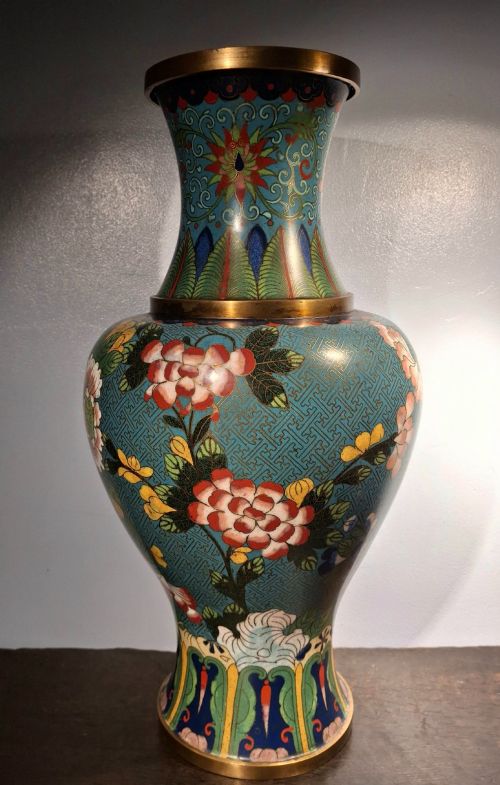
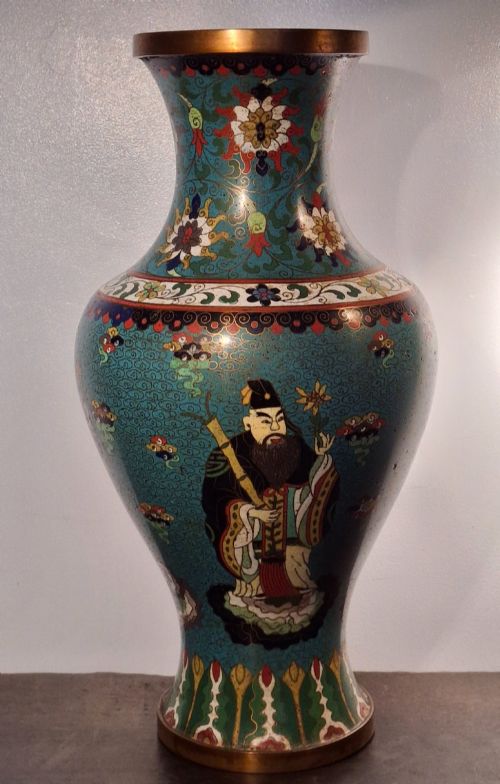
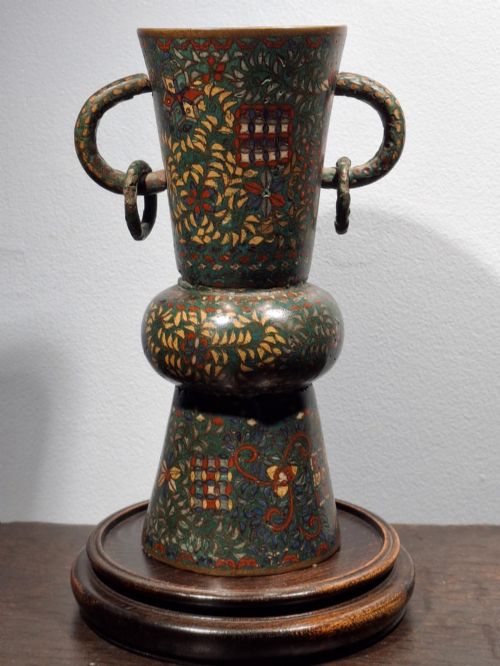
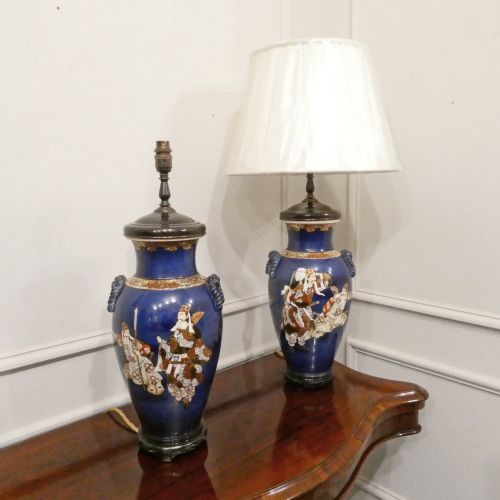
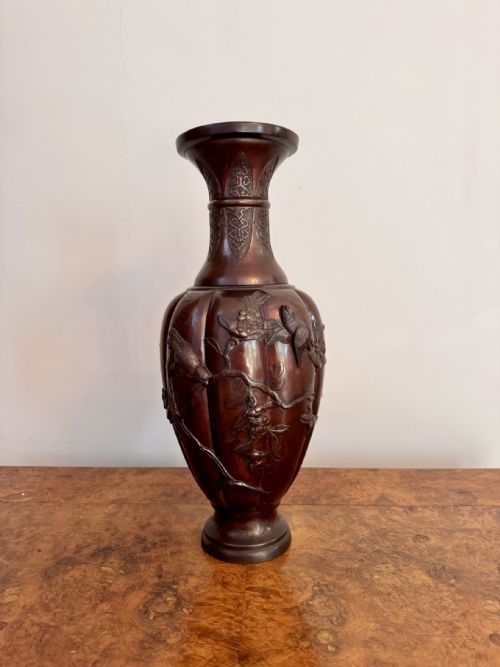
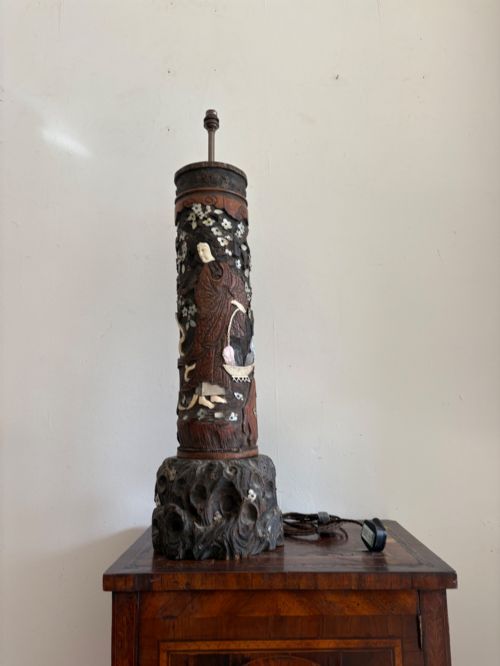
When browsing for a vintage asian vase, collectors encounter a diverse range of objects originating from Chinese and Japanese workshops spanning the late seventeenth century through the early twentieth century. The selection encompasses traditional vessel forms such as ginger jars, baluster vases, and ritual pieces alongside items later converted into table lamps or paired with plant stands.
The most common examples on this page date from the nineteenth and early twentieth centuries, reflecting Meiji period, Qing dynasty, and Chinese export aesthetics. These pieces vary widely in scale, from miniature cabinet vessels to large decorative floor vases, encompassing both earthenware and porcelain bodies.
Materials and construction
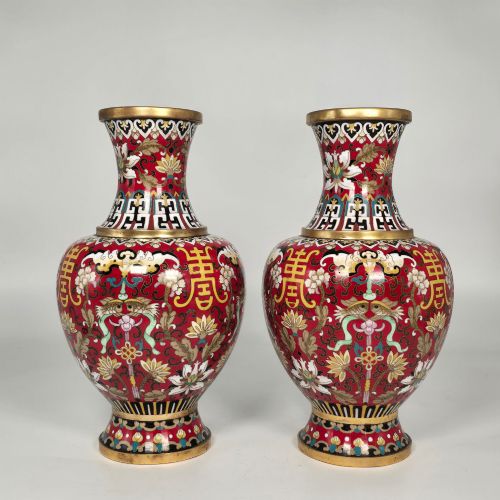
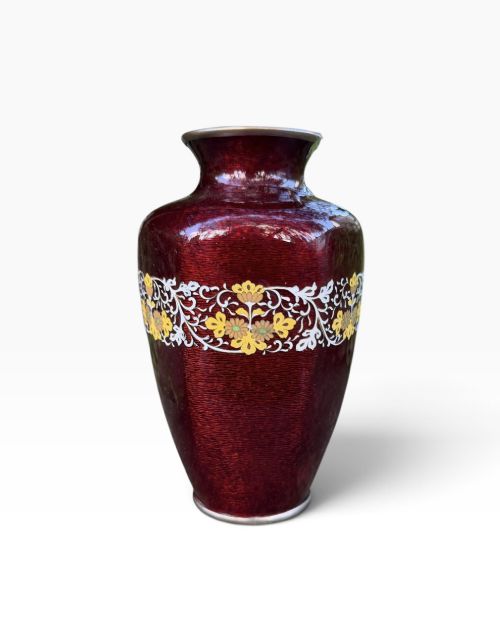
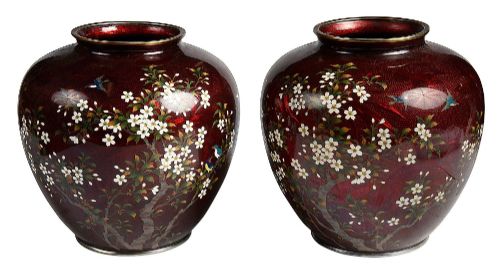
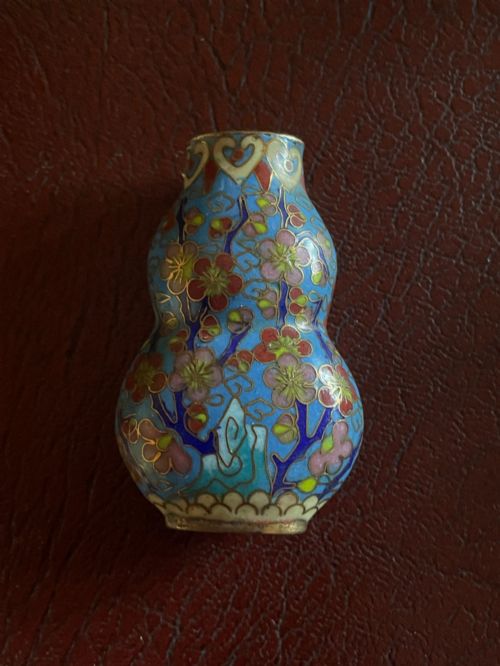
Many pieces rely on cloisonné and champlevé techniques, where thin metal wires or recessed cells hold vibrant enamel on brass or bronze foundations. Gold leaf, copper, and mother-of-pearl accents frequently enhance the metallic surfaces.
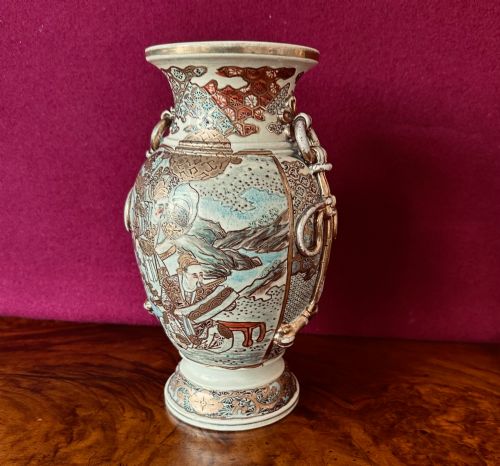
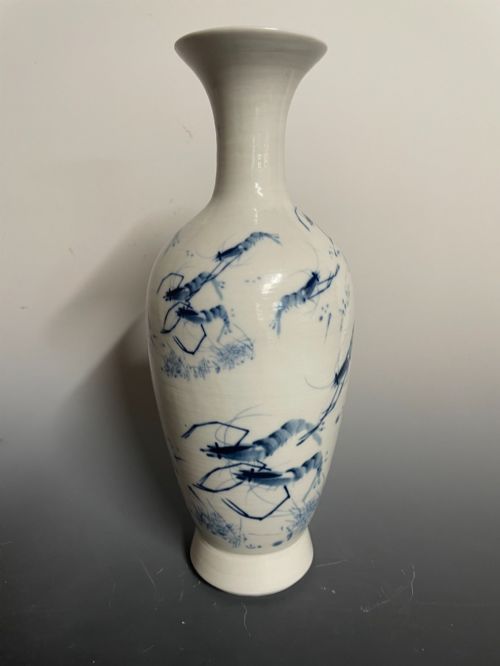
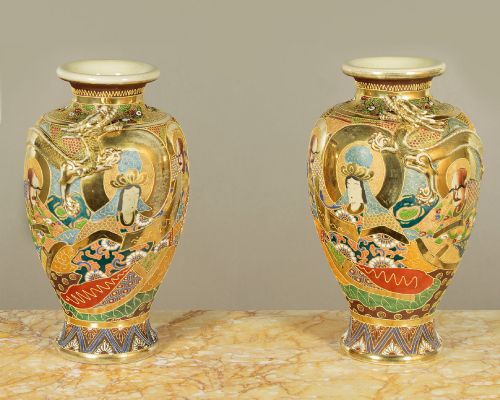
Ceramic vessels utilise earthenware and porcelain bases, decorated with underglaze blue, vibrant polychrome enamels, or intricate Satsuma glazes. Sumida Gawa pieces display characteristic blue flambé glazes alongside applied figurative elements modelled directly onto the clay body.
Several vessels feature climbing figures or tiny sculpted characters attempting to scale the exterior wall.
Markers of distinction
Distinction at the upper tier rests upon the precision of the metalwork cells in enamel pieces and the fineness of the hand-painted brushwork on Satsuma or Imari porcelain. Clarity of colour and the disciplined execution of complex figurative scenes separate superior examples from standard decorative ware.
The integrity of the original form heavily influences desirability, particularly when pieces retain their lids, escape major surface wear, or display signed artist markings from established workshops.
Chosei
The Vintage Asian Vase Glossary
- Cloisonne
- A decorative metalwork technique in which thin wires form raised barriers on a metallic base to contain enamel pastes before firing. This method creates intricate patterns of separated coloured cells.
- Satsuma
- A type of Japanese earthenware featuring an ivory-coloured, crackle-glazed surface decorated with polychrome enamels and gilding. These pieces frequently depict detailed figural scenes and processions.
- Imari
- A style of Japanese porcelain decorated in underglaze blue and contrasting overglaze red, green, and gold. It emerged from export kilns during the Edo period.
- Champleve
- An enamelling method where troughs or depressions are gouged into a bronze or brass surface to hold enamel powders. The surrounding metal remains visible as part of the overall design.
- Ikebana
- A traditional Japanese flower arrangement that influences the proportions and openings of specific vessel forms. These containers accommodate precise botanical placement.
Vintage Asian Vase: Frequently Asked Questions
How do I identify a Meiji period vase?
Meiji period pieces date between 1868 and 1912, often marked by elaborate Satsuma earthenware, detailed cloisonné enamel, or dynamic bronze casting. Look for characteristic signatures, period motifs, and refined hand-finishing typical of Japanese workshops during this era.
Examination of the base and interior materials provides further clues to the manufacturing date and regional origin. Comparing weight, glaze characteristics, and wirework thickness helps distinguish these nineteenth-century items from later reproductions.
What is the difference between cloisonne and champleve?
Cloisonné involves soldering thin metal wires onto a metal body to create raised compartments that are subsequently filled with enamel paste. Champlevé utilises a different method where the artisan carves or etches troughs directly into the thick bronze or brass surface to hold the enamel.
Both techniques produce durable, colourful surfaces, but the tactile feel and visual texture of the metal outlines differ noticeably. Champlevé surfaces display broader, solid metal borders between the enamel fields.
How were these vases originally used?
Many of these vessels served as decorative centrepieces in traditional interiors, while others functioned specifically as ritual objects or containers for floral arrangements like Ikebana. Ginger jars stored spices or valuable goods before transitioning into purely ornamental roles.
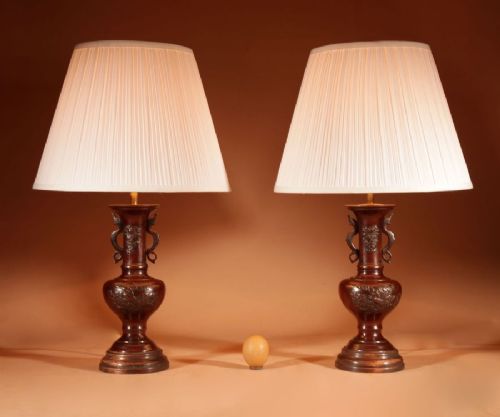
In subsequent decades, owners frequently converted structural porcelain and bronze vases into table lamps. This adaptation allowed antique forms to serve contemporary lighting needs while preserving their decorative exterior artistry.
Can I safely use antique vases for fresh flowers?
Water can damage porous earthenware bodies, historical glazes, or internal metallic elements, particularly in older Satsuma or earthenware pieces. Metal vessels may also develop interior corrosion if exposed to moisture over extended periods.
Utilising a discreet, removable glass liner inside the vessel protects the antique material from direct contact with water. Inspecting the interior for cracks or previous repairs ensures the piece remains stable before any placement of liquid.