
Vintage Architectural Art
Vintage architectural art brings buildings and townscapes into domestic interiors through paintings, drawings, and salvaged metalwork.
Vintage Architectural Art
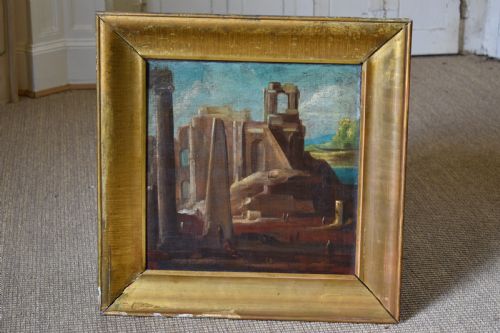
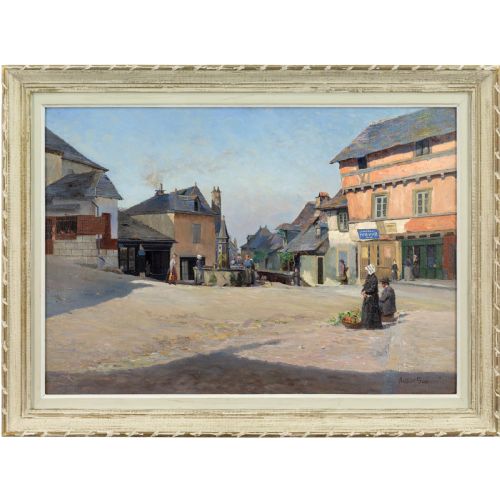
Vintage architectural art spans oil paintings, watercolours, engravings, and architectural salvage produced across the eighteenth, nineteenth, and twentieth centuries. These works record building facades, grand interiors, town squares, and structural elements like panels and columns.
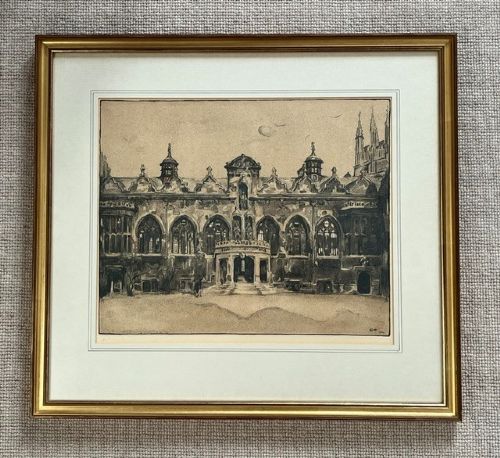
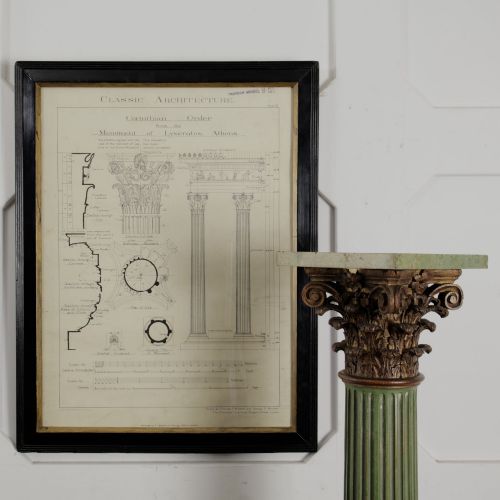
Buyers encounter framed prints of classical orders alongside original drawings of European landmarks, collegiate buildings, and street scenes. The selection also includes functional pieces and decorative fragments salvaged from historic structures, ranging from iron scrolls to carved wooden panels.
Origins stretch from British and French studios to scenes captured in Belgium, Italy, and the Middle East during the Victorian and Art Deco eras. Styles move between Neoclassical precision, Gothic Revival detail, Post-Impressionism, and the clean geometries of the 1920s and 1930s.
How they were made
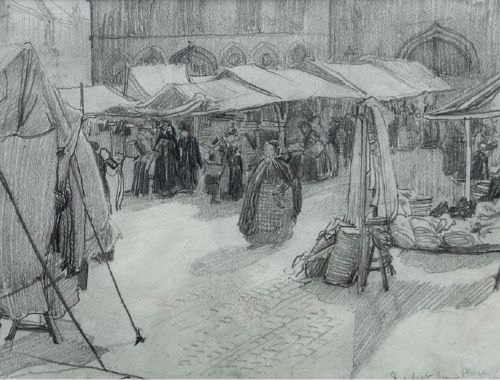
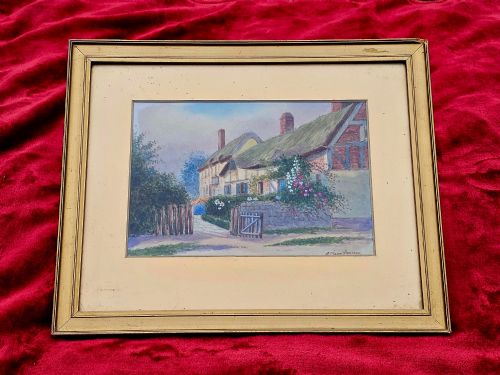
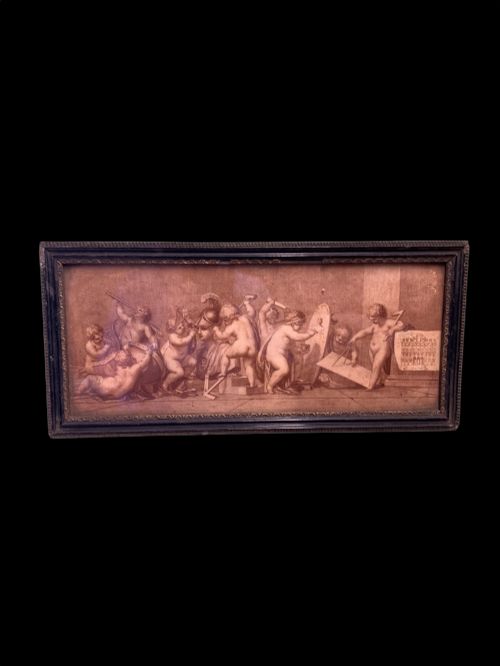
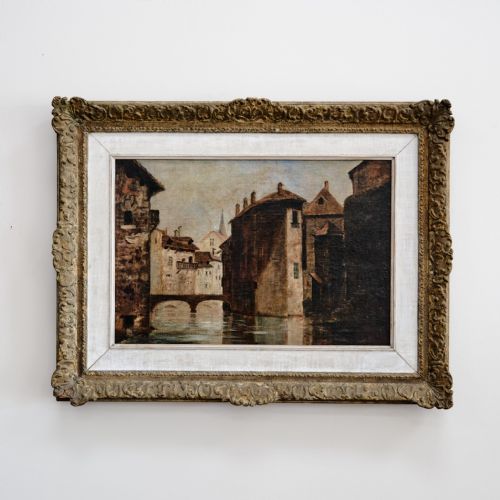
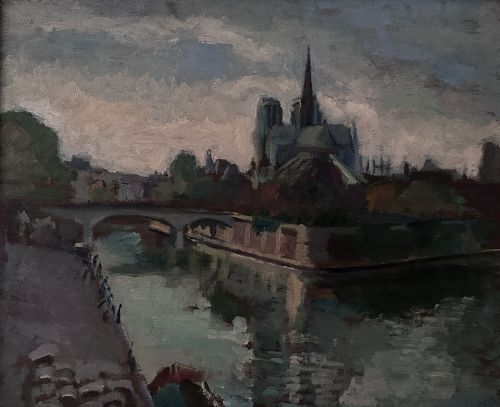
Works on paper utilise pencil, charcoal, ink, and watercolour, often mounted in period frames such as Hogarth moulding. Canvases are rendered in oil paint, capturing light and shadow on stone facades and historic courtyards.
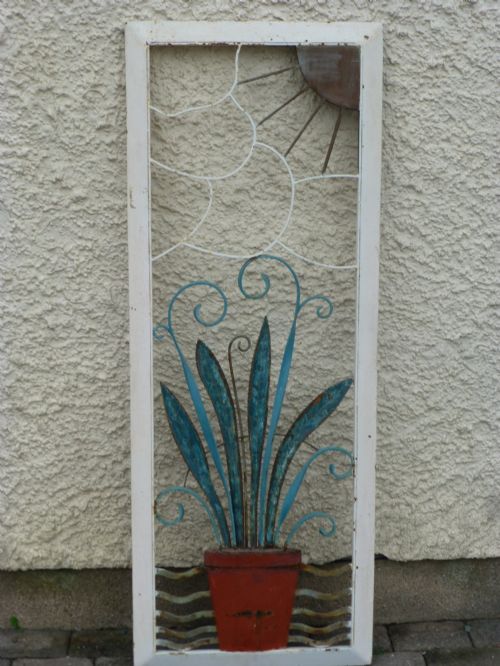
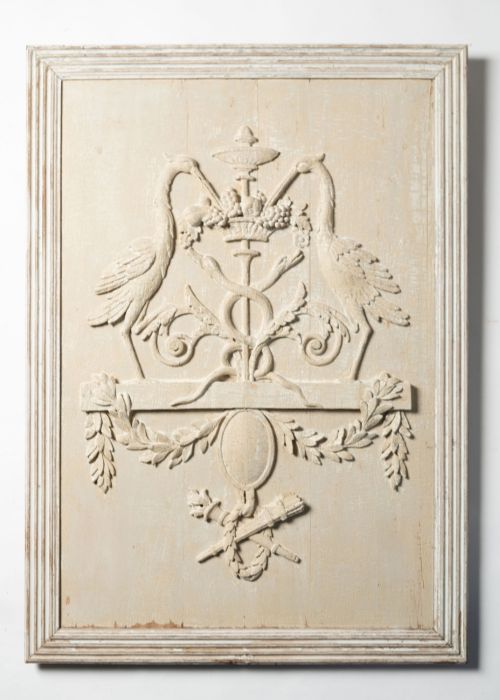
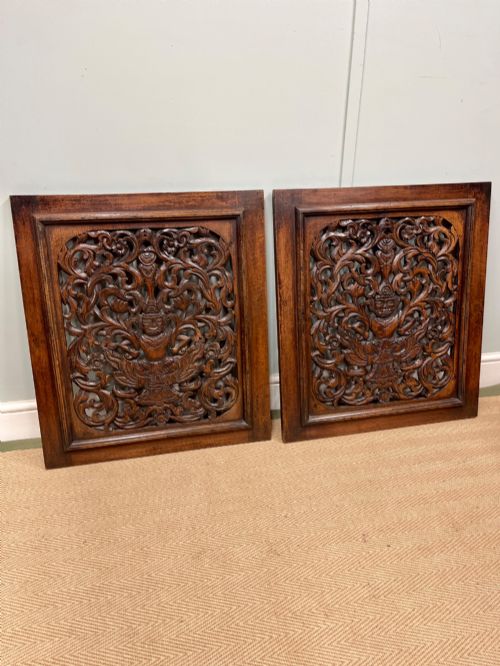
Metalwork pieces combine cast iron, wrought iron, bronze, silver plate, and brass, shaped through forging, casting, and repoussé techniques. Wood items feature hand carving on panels, architectural clock cases, and decorative reliefs.
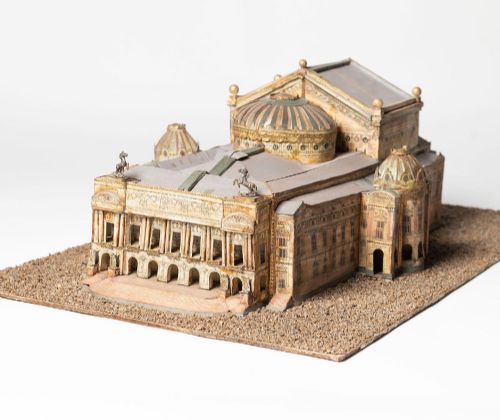
A delicate nineteenth-century model of the Paris Opera House lets you own an entire architectural landmark on a tabletop scale.
What varies in quality
Execution and draughtsmanship separate works of distinction from routine production, seen in the precise perspective of a drawn classical order or the confident brushwork of an oil painting. The nuance lies in the artist's ability to render stone, light, and shadow with convincing depth.
Material integrity and surface preservation define the standard for salvaged elements and frames, where original weathered patinas on wrought iron or untouched carved wood surfaces retain their historical character without modern over-restoration.
David Roberts·Sir William Nicholson·Raymond Subes
The Vintage Architectural Art Glossary
- Architectural salvage
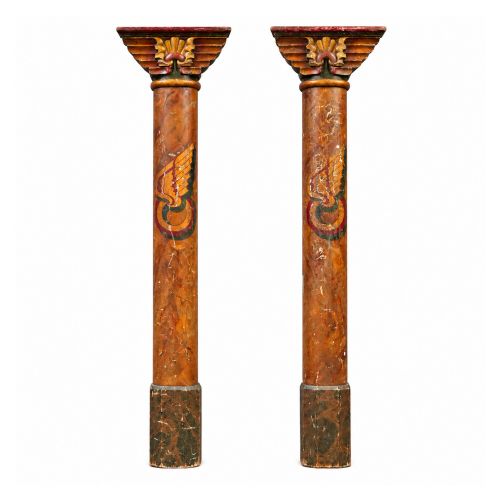
- Building elements removed from structures for reuse or decorative display, including iron scroll panels, columns, and carved wooden overdoors.
- Corinthian order
- A classical architectural style defined by slender columns and ornate capitals decorated with acanthus leaves, appearing in architectural plates.
- Lithograph
- A planographic printmaking technique using a stone or metal plate, common in the reproduction of collegiate buildings and townscapes.
- Wrought iron
- Iron beaten into shape with tools while hot, utilised for exterior architectural scroll panels, garden screens, and hanging lanterns.
Vintage Architectural Art: Frequently Asked Questions
What is vintage architectural art?
It encompasses paintings, drawings, prints, and salvaged physical elements that depict or originate from buildings, townscapes, and structural design.
These pieces range from watercolours of cathedrals and oil paintings of European squares to reclaimed ironwork panels and carved wooden architectural fragments.
How do I date a piece?
Dating relies on stylistic markers, framing techniques, and recorded signatures or dates within the medium, spanning the eighteenth to the mid-twentieth century.
Art Deco and Neoclassical elements often provide clear chronological anchors alongside Victorian watercolours and early twentieth-century ink drawings.
Where should I hang these works?
Framed watercolours and oils suit study walls, hallways, and living rooms where lighting highlights the detail of historic facades and street scenes.
Larger salvaged panels and metalwork require sturdy wall fixings capable of supporting heavier timber or iron components in interior spaces.
Are salvaged elements restored?
Salvaged ironwork and carved wood generally retain their weathered patinas and original surface textures accrued over decades of exposure.
Conservation efforts focus on stabilizing the material rather than applying modern finishes, preserving the authentic character of the original structure.