


Antique Church Engraving
An antique church engraving captures ecclesiastical architecture and sacred interiors on paper, offering collectors a tangible piece of devotional history.
Antique Church Engraving
An antique church engraving brings historic ecclesiastical structures and sacred spaces directly onto paper through detailed ink impressions. When collectors search for an antique church engraving, they encounter works depicting cathedrals, parish churches, and liturgical interiors from past centuries.
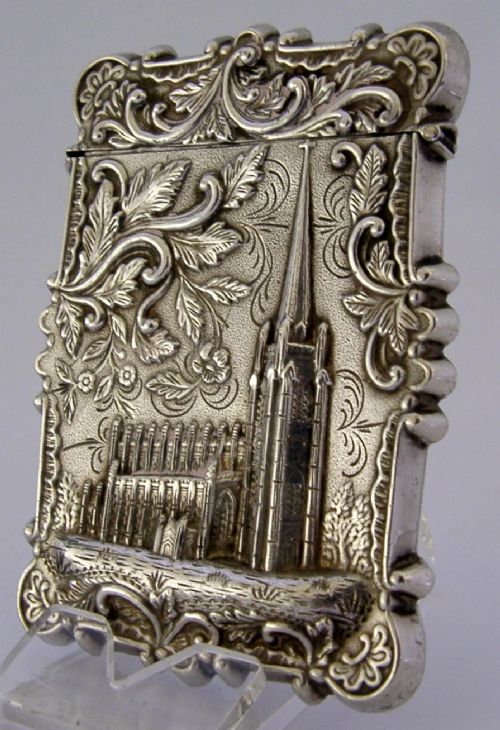
The selections available here range from eighteenth-century architectural plates of major cathedrals to nineteenth-century lithographs and prints of local houses of worship. These works often document specific buildings, such as York Minster or Lyme Regis church, preserving architectural details that have since altered or vanished.
Buyers will find that many pieces focus on precise structural linework, capturing Gothic Revival arches, soaring naves, and intricate stone tracery. Whether framed for display or stored within a portfolio, these prints offer a direct window into historical ecclesiastical art and topography.
Materials and methods
Makers produced these works primarily using paper as the primary medium to receive inked impressions from engraved metal plates or lithographic stones. The physical longevity of the surviving sheets relies upon the quality of the paper stock used by past printmakers.
Engravers cut lines into copper or steel plates by hand, pressing ink into the recessed grooves before transferring the image under heavy pressure onto damp paper. Lithographic techniques also appear in the record, allowing for tonal gradations that captured the moody interior light of historic churches.
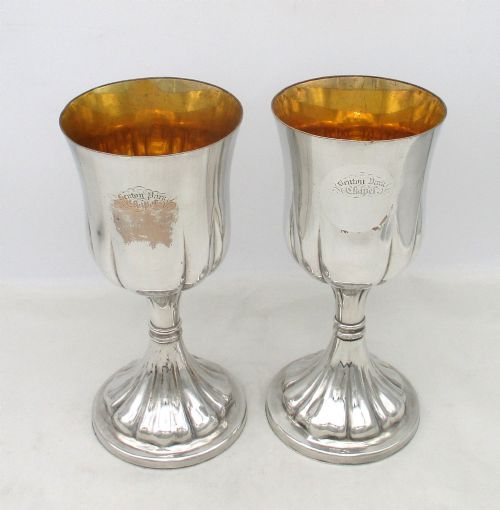
The listings show paper prints spanning the eighteenth and nineteenth centuries, alongside metalwork items like silver plated chalices and engraved copper pyxes.
Factors of quality
The distinction between ordinary prints and superior examples rests upon the crispness of the impression and the depth of the plate mark visible in the paper. Early impressions taken before the metal plate wore down show sharper architectural details and finer contrast.
The historical significance and visual scope of the subject matter elevate certain pieces above standard topographical prints. Architectural views that delineate complex tracery and spatial depth with precision demand greater technical skill from the printmaker.
Elkington Mason
The Antique Church Engraving Glossary
- Engraving
- A printmaking technique where an artist cuts lines directly into a metal plate using a burin. The resulting incisions hold ink for transfer onto paper.
- Lithograph
- A planographic printmaking method based on the chemical repulsion of oil and water. It allows artists to render tonal drawings of church interiors with subtle shading.
- Architectural plate
- A detailed print focused specifically on building designs, elevations, or interior layouts. These plates often appeared in survey volumes of British cathedrals.
- Plate mark
- The indented border left in paper by the edge of a metal plate under heavy press pressure. Its presence confirms a traditional intaglio printing process.
Antique Church Engraving: Frequently Asked Questions
How do I care for an antique church engraving?
Protect paper prints from direct sunlight and high humidity to prevent fading and foxing over time. Frame the works using acid-free mounts and UV-filtering glass.
Keep them away from damp exterior walls to ensure the paper fibres remain stable for decades to come.
Are these prints taken from books?
Many historical engravings were originally published as plates within architectural surveys, county histories, or portfolio collections. Publishers bound these plates to illustrate structural developments across different centuries.
Separated from their original volumes, they now circulate individually among print collectors and historians.
How can I tell the period of a church print?
Examine the paper characteristics, typographic styles on any accompanying captions, and the specific printing technique utilised. Eighteenth-century examples often display distinct plate marks and laid paper textures.
Nineteenth-century works frequently incorporate lithographic shading and depict buildings undergoing Victorian restoration phases.
What subjects are most common?
Depictions of major English cathedrals, such as York, alongside local parish churches feature prominently in surviving portfolios. Artists also focused on interior perspectives showing pews, altars, and stained glass windows.
These views served both devotional purposes and the growing Georgian and Victorian interest in Gothic architecture.