


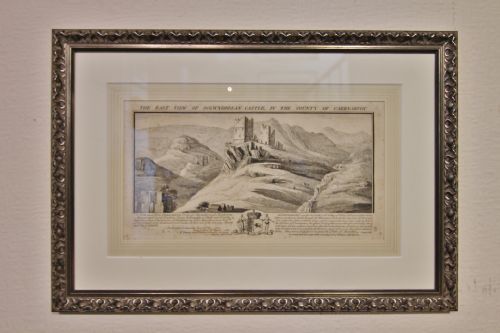

Antique Architectural Lithographs
Antique architectural lithographs capture the grandeur of historic buildings and foreign monuments through fine ink on paper.
Antique Architectural Lithographs
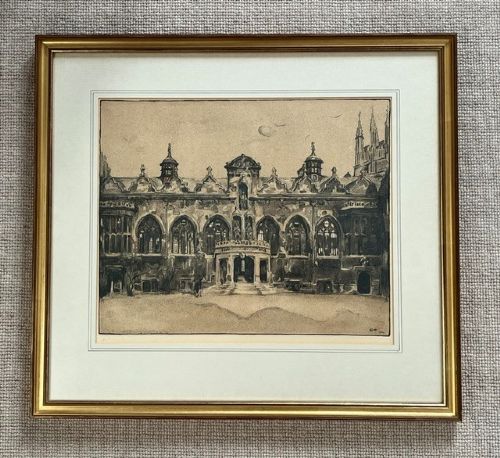
These works present historic buildings, churches, and foreign monuments captured through ink on paper. When searching for antique architectural lithographs, buyers encounter framed prints depicting everything from English collegiate chapels to Middle Eastern temples.
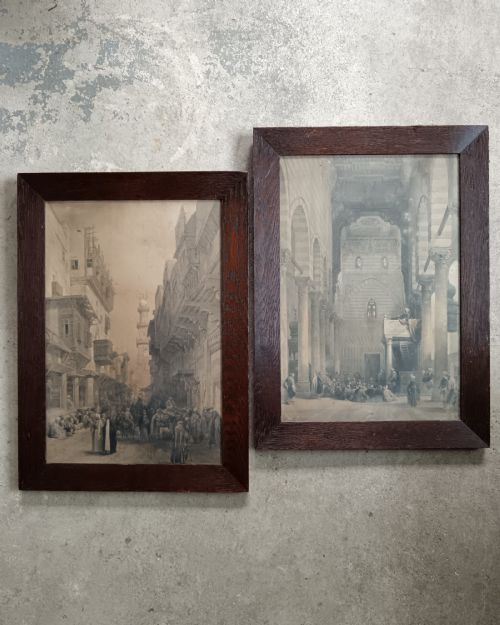
The selections on this page span the Georgian, Victorian, and Edwardian periods. Many pieces arrive framed in wood or gilt wood, often retaining their original period glazing and mounts.
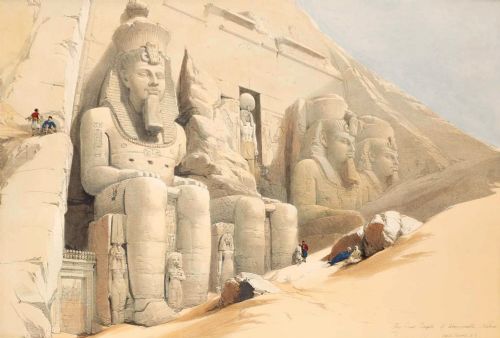
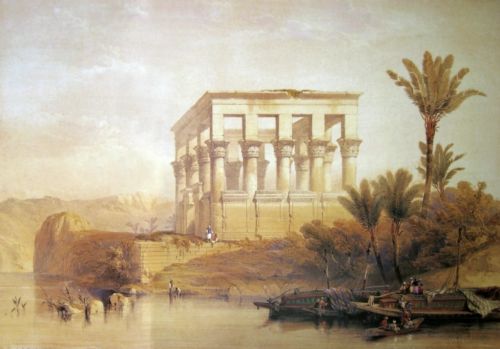
Subjects range from British churches and Scottish houses to French industrial plans and Turkish kiosk tile designs. Works after artists such as David Roberts and Sir William Nicholson frequently appear.
Materials and production methods
The process relies on stone or metal plates to transfer ink onto paper sheets. Artisans applied grease-attracting mediums to create precise lines for complex building elevations and church interiors.
Coloured examples utilise hand-applied watercolours over the printed ink base. Finished plates were often secured within oak, ebonised wood, or gilt wood frames using early glass.
Some nineteenth-century church interiors come with an air of quiet piety, perfect for judging your guests' posture.
Determinants of quality
The clarity of the printed line and the precision of any hand-applied colour dictate the visual strength of a plate. Sharp impressions convey stone texture and masonry details far more effectively than worn ones.
Surviving frames and original mounts contribute significantly to the character of a piece. Retaining period elements such as original H. Alden and Co. frames or early glass adds historical context to the artwork.
Sir William Nicholson·David Roberts·Louis Haghe·T.M Baynes·R.P. Phillimore·Otto Pilny
The Antique Architectural Lithographs Glossary
- Lithograph
- A print made by drawing on limestone or a metal plate with a greasy substance so that ink adheres only to the drawn areas. This technique allowed artists to reproduce detailed architectural drawings with tonal depth.
- Coloured lithograph
- A print enhanced with washes of watercolour applied by hand after the initial ink impression. This method brought vibrancy to architectural views and landscape settings.
- Gilt wood
- Wood coated with a thin layer of gold leaf or metallic paint. It frequently frames Victorian and Edwardian artworks to highlight the visual weight of the print.
- Ebonised wood
- Timber treated to resemble ebony through a dark staining process. This dark finish provides a stark, clean border for paper prints.
- Orientalism
- An artistic style depicting Middle Eastern and North African subjects popular during the nineteenth century. Works in this vein often show temples, kiosks, and street scenes.
Antique Architectural Lithographs: Frequently Asked Questions
How do I care for antique paper prints?
Keep framed prints away from direct sunlight to prevent the ink and any added colour from fading over time. Maintain stable room humidity to protect both the paper and the wooden frames.
Ensure backing boards remain secure and avoid hanging pieces in damp environments like kitchens or bathrooms.
Are these prints original period works?
The pieces shown date from the eighteenth century through the Edwardian era, produced during the active periods of the artists and presses. Materials such as early paper, ink, and period frames correspond to these dates.
Examining the paper texture and framing construction helps confirm the age of each individual piece.
How are architectural lithographs usually displayed?
Most pieces come ready to hang in wood, oak, or gilt wood frames suited to their period. Grouping smaller plates together creates a balanced gallery wall for studies or hallways.
Larger individual prints function well as focal points above mantelpieces or within libraries.
What subjects do these prints cover?
Subjects range widely from British ecclesiastical buildings like Norwich Cathedral and Lyme Regis Church to French industrial plans and kiosk tile designs from the Bosphorus. Travel views from Egypt and Cairo also feature prominently.
This variety reflects both domestic recording of historic architecture and foreign exploration.