





Antique Ottoman Art
Antique ottoman art brings together intricate textiles, carved woodwork, and regional prints spanning from the seventeenth century through the art deco era.
Antique Ottoman Art
When searching for antique ottoman art, buyers encounter a diverse selection of regional works, ranging from domestic seating forms to delicate textile panels and framed prints.
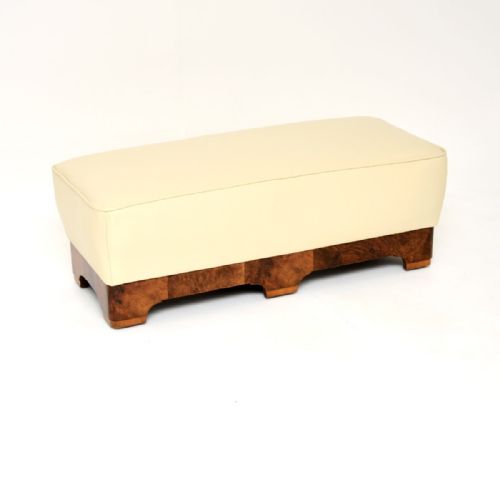
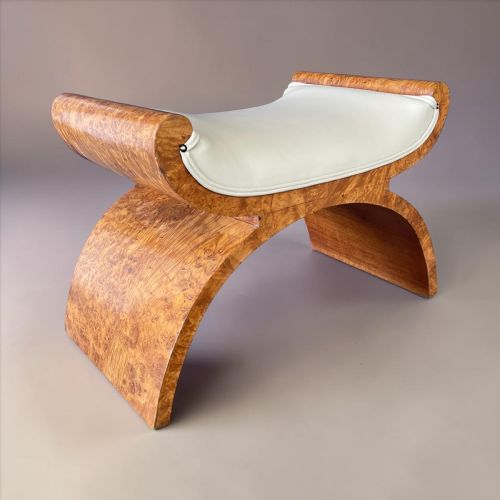
The objects available span several centuries, uniting traditional craft methods from the Ottoman sphere with later European interpretations like arts and crafts and art deco seating designs.
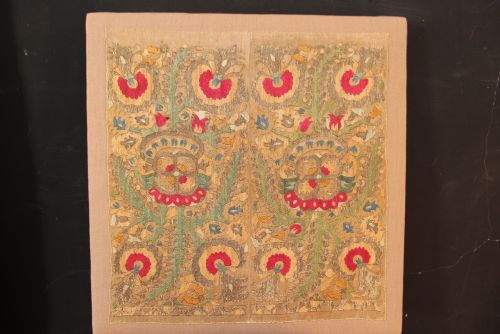
Textiles feature prominently among these listings, including embroidered fragments, hand towel end panels, and island embroideries from localities such as Skyros, Crete, and Epirus.
Materials and Techniques
Maker construction methods rely heavily on traditional textiles utilising silk, linen, and metallic thread for intricate needlework and surface decoration.
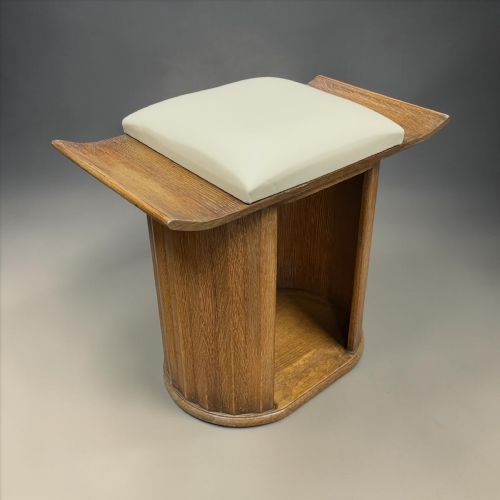
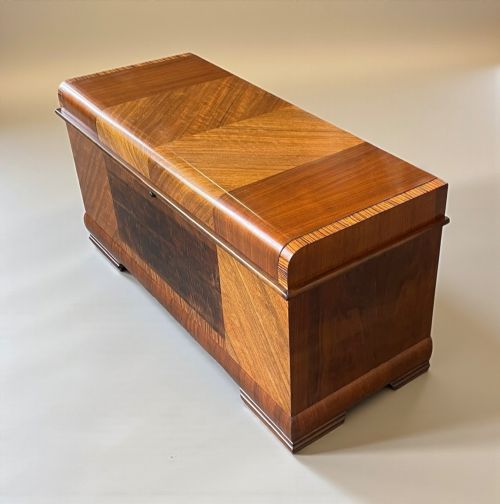
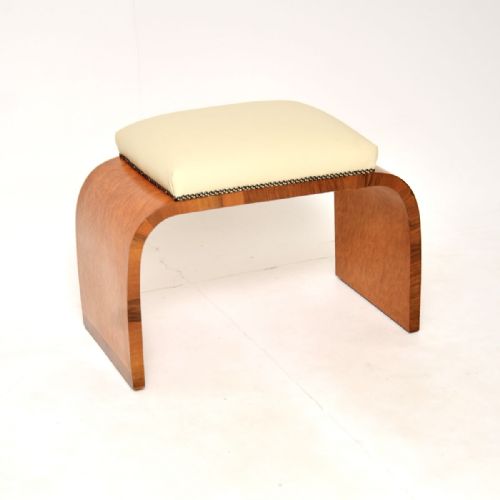
Hardwood supports and architectural elements incorporate burr walnut, oak, and carved wood, frequently combined with leather upholstery and paper components in prints.
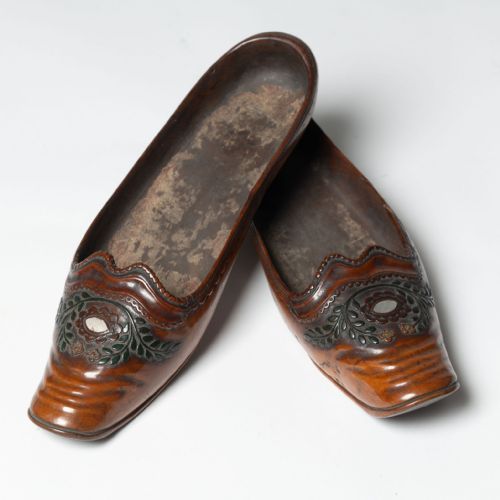
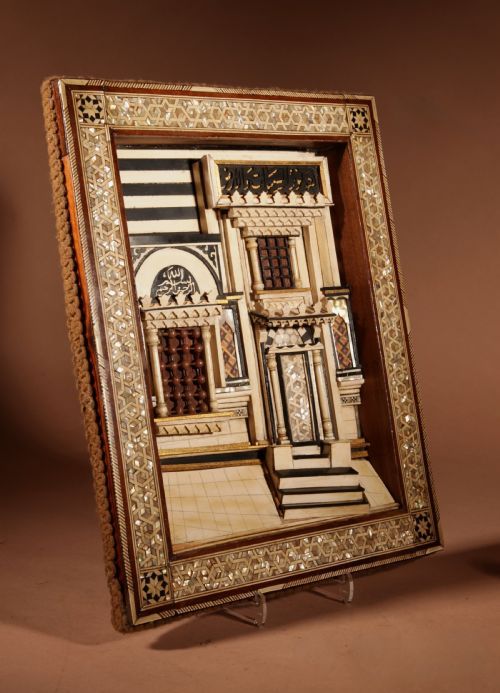
Bone-handled cutlery meets carved wooden shoes and architectural dioramas, proving historic households had eclectic taste long before modern galleries.
Assessing Quality and Execution
Quality in these pieces depends on the precision of needlework execution, the integrity of structural timbers, and the preservation of original surface materials.
Finer examples demonstrate superior hand-carved detailing, well-preserved metallic threads, and authenticated period provenance spanning specific centuries of production.
Harry and Lou Epstein·Simpson Kendall·Morris and Co
The Antique Ottoman Art Glossary
- Embroidered fragment
- A surviving section of historical textile work showing needlecraft patterns. These pieces preserve traditional decorative motifs from specific regional workshops.
- Architectural diorama
- A three-dimensional scale model depicting building facades or structures. Such works often display intricate relief carving and regional design influences.
- Kilim
- A flatwoven textile produced without a pile using traditional loom techniques. These floor coverings and wall hangings display geometric patterns characteristic of specific weaving centres.
- Lithograph
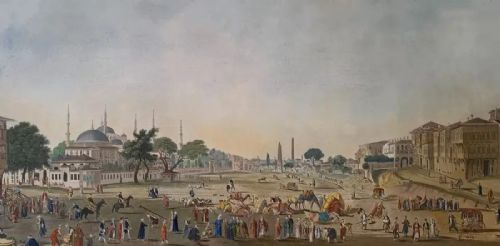
- A print produced by drawing an image on limestone or metal plate for reproduction. These graphic works record architectural tile designs and topographical views.
Antique Ottoman Art: Frequently Asked Questions
What periods do these pieces date from?
The inventory encompasses items originating from the seventeenth century onward, including eighteenth-century embroideries and nineteenth-century textiles.
Twentieth-century examples also appear, featuring art deco stools and arts and crafts woodwork influenced by earlier orientalist styles.
How were the textile panels used?
Historical textiles served multiple domestic and ceremonial functions within regional households, acting as garments, decorative furnishings, or architectural hangings.
Many surviving fragments represent sections of larger items, preserved for their intricate needlework and metallic thread detailing.
Where do the regional embroideries originate?
Needlework pieces stem from various Mediterranean and Balkan locations, including Greek islands such as Skyros, Crete, and Epirus.
These local traditions developed distinct patterns and material choices that distinguish them from mainland ottoman productions.
How should textile fragments be displayed?
Delicate fabric panels and embroidered fragments benefit from professional mounting and framing behind protective glazing to limit environmental wear.
Keeping textiles away from direct sunlight preserves the original silk, linen, and metallic thread colours over time.