


Vintage Arched Overmantel Mirror
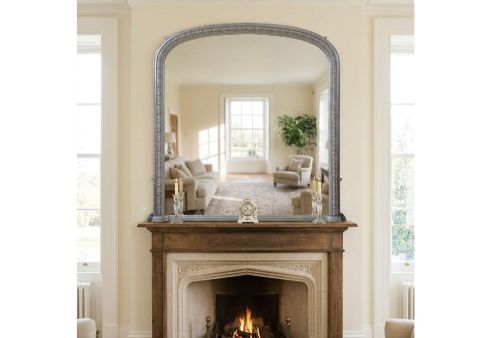
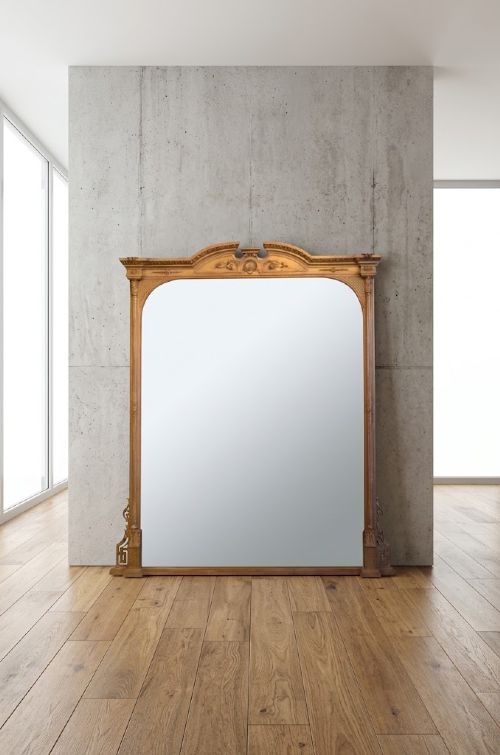
A vintage arched overmantel mirror brings proportion and light to a chimney breast, combining nineteenth-century scale with decorative glass.
Vintage Arched Overmantel Mirror
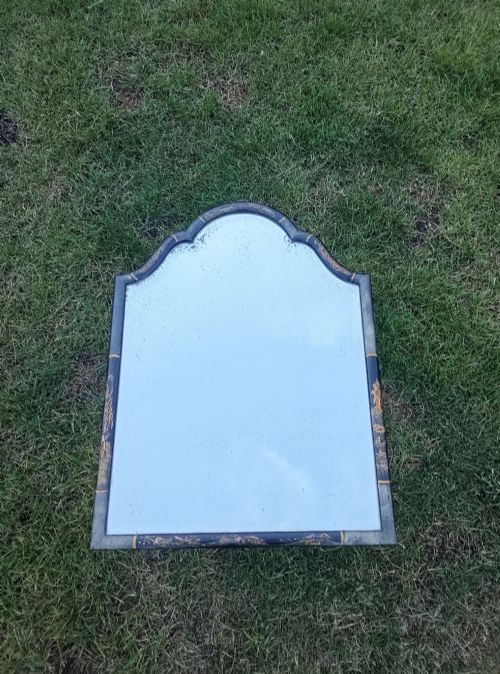
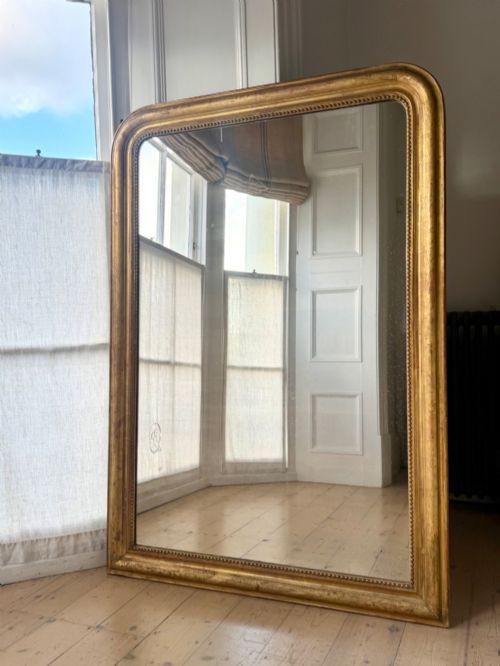
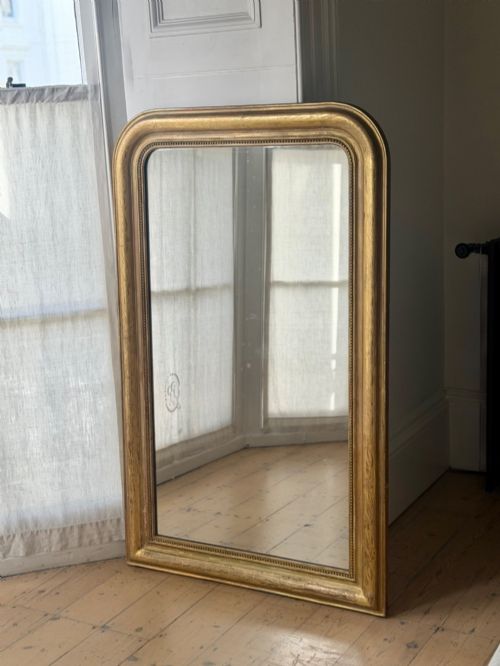
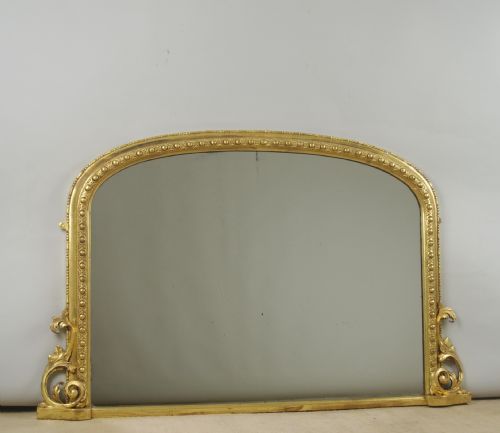
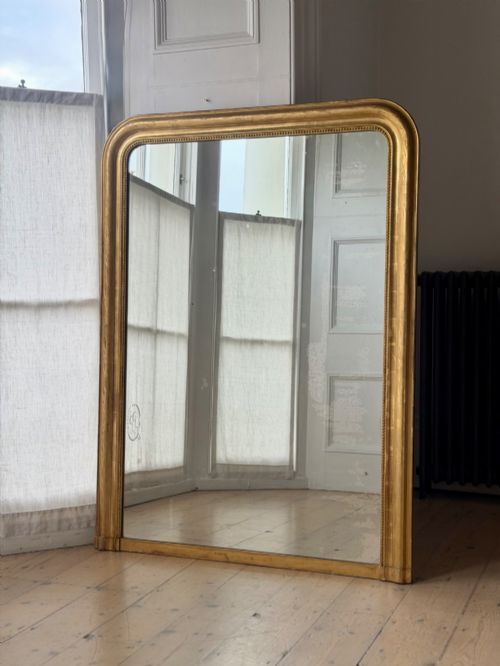
A vintage arched overmantel mirror is a substantial wall glass designed to sit above a fireplace, frequently found in nineteenth-century styles such as Victorian and Louis Philippe. These pieces measure large in height and width to reflect light across a room, utilising arched and shaped tops that mirror architectural openings. Most examples on this page originate from French and English workshops, taking the form of overmantel mirrors and wall mirrors.
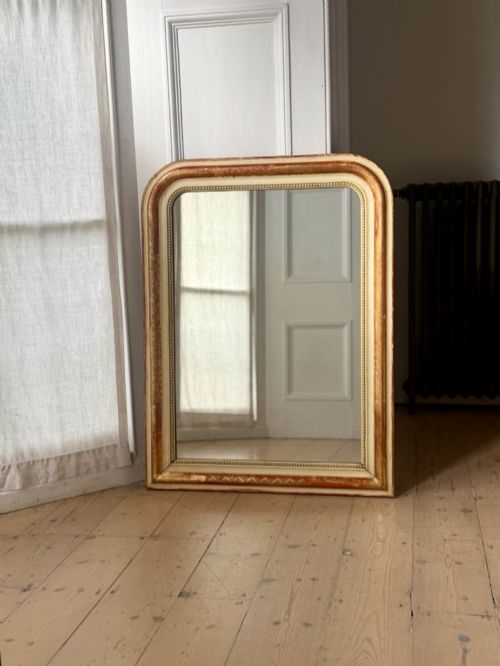
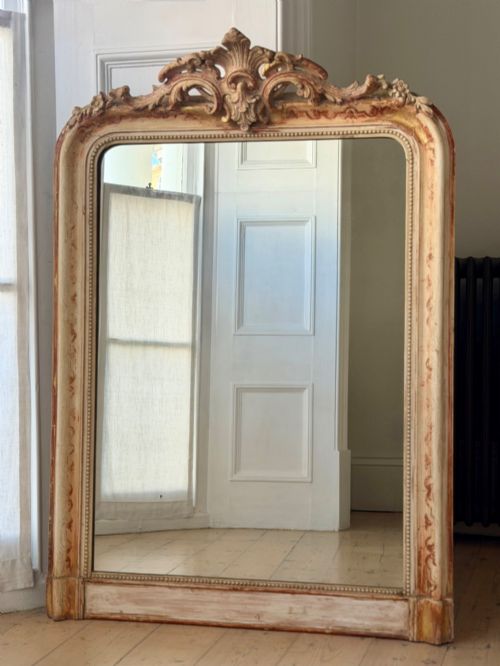
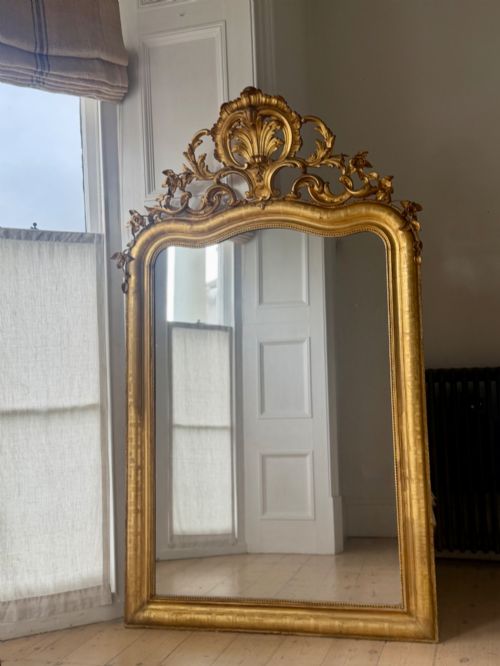
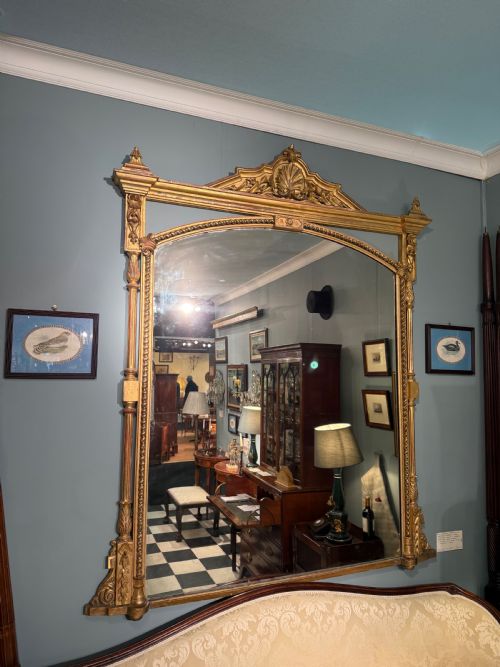
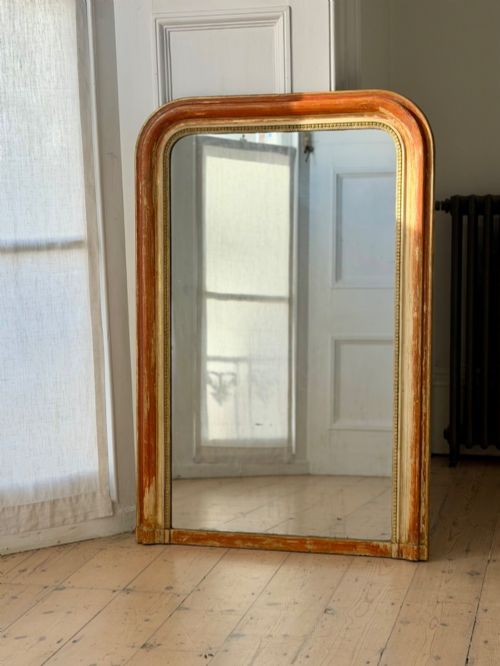
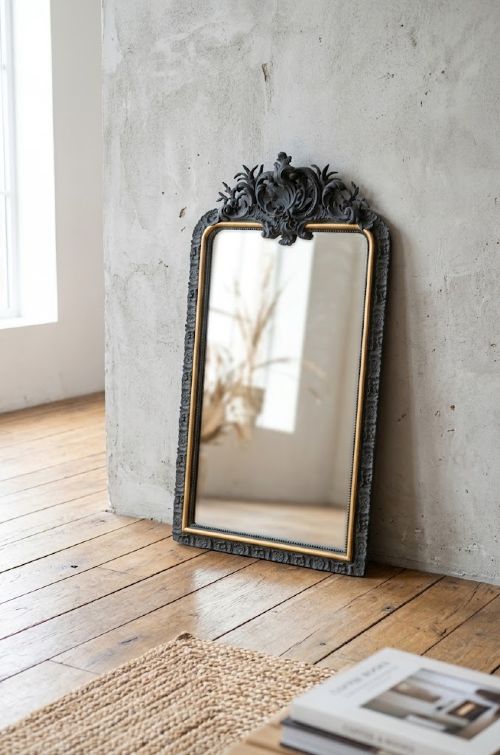
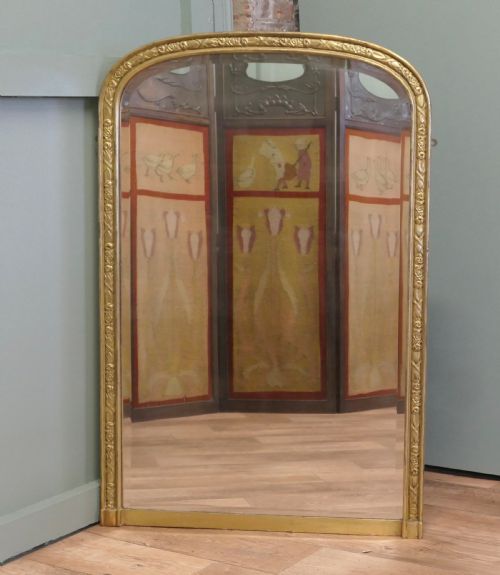
The selection ranges from simple painted wood frames to elaborate giltwood and gesso constructions. Buyers encounter both French provincial designs and ornate Rococo revival pieces, alongside later twentieth-century interpretations in peach-coloured glass or parcel-silvered finishes.
How They Were Made
Makers constructed the structural frames using carved wood, walnut, oak, and applied gesso, building up decorative motifs before applying gold leaf, paint, or silvering. Giltwood and gesso frames relied on skilled hand-carving to create the characteristic scrolls, foliage, and shaped tops seen across the period.
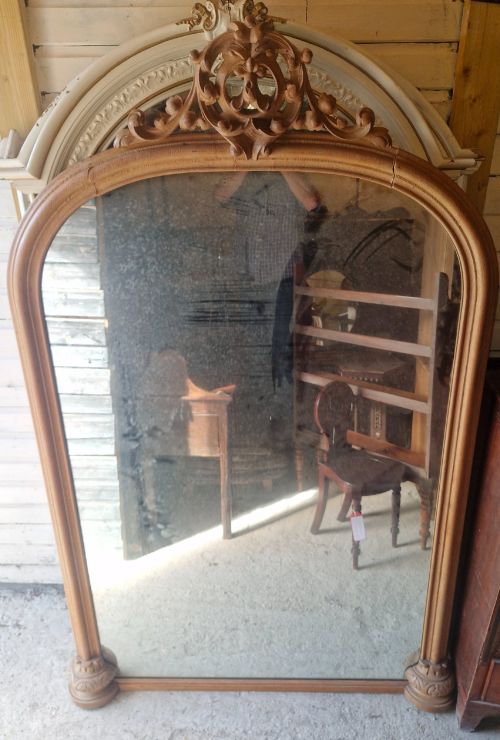
Mirror plates of the era often consisted of mercury glass, which produces distinctive foxing and oxidation over time. Frames were joined using traditional carpentry methods to support the heavy weight of the glass plate within the arched framework.
Vintage Arched Overmantel Mirror Retail Price Guide 2026
Typical asking prices for vintage arched overmantel mirror among the pieces listed under this phrase on Sellingantiques today, from the lower quarter to the upper quarter. They describe what is for sale here now, not the wider market.
Several mirrors arrive with charmingly foxed glass, offering a cloudy reflection that has spent over a century watching rooms change.
What Varies in Quality
Quality rests in the crispness of the hand-carved gesso and wood details, where deeper relief and sharper execution separate standard items from finer works. The preservation of the original gilding or layered paint palette also dictates the character of the piece.
The condition of the mirror glass itself matters greatly, whether retaining its original foxed mercury surface or replaced with modern plate. Heavier framing timbers and intact structural joinery indicate superior construction from nineteenth-century workshops.
The Vintage Arched Overmantel Mirror Glossary
- Overmantel mirror
- A large wall glass specifically proportioned to hang above a fireplace mantelpiece. These pieces often feature an arched top to follow the line of a chimney breast.
- Gesso
- A plaster-based mixture applied to wood frames and carved to form raised decorative motifs. It provides a smooth base for subsequent gilding or painting.
- Giltwood
- Timber coated with a thin layer of gold leaf or gold paint. This finish creates a bright reflective surface that catches interior light.
- Louis Philippe
- A French nineteenth-century aesthetic characterised by simple, elegant curves and restrained classical details. Mirrors in this style typically feature rounded upper corners or gentle arches.
- Foxing
- The natural ageing of mirror glass resulting in dark spots and mottled patches. This chemical change occurs within the silvering over decades.
Vintage Arched Overmantel Mirror: Frequently Asked Questions
Where should I hang an overmantel mirror?
These mirrors traditionally sit directly above a fireplace mantelpiece, anchored securely to the wall to support their substantial weight.
They also function effectively on principal living room walls to amplify natural light and create the illusion of increased space.
What is Louis Philippe style?
Louis Philippe style refers to mid-nineteenth-century French design that balances neoclassical restraint with gentle curves.
Frames in this category usually feature understated arched tops and minimal ornamentation compared to earlier Rococo pieces.
How do I identify mercury glass?
Mercury glass displays characteristic speckling, dark spots, and uneven reflection known as foxing, caused by the gradual breakdown of the backing over time.
Original nineteenth-century plates show this distinct mottled ageing rather than the uniform clarity of modern glass.
Are these mirrors heavy?
These pieces combine thick wooden framing, applied gesso, and large glass plates, resulting in considerable overall weight.
Proper installation requires heavy-duty wall fixings and load-bearing brackets suited to the specific wall construction.