


Vintage Anatolian Wool Rug
A vintage anatolian wool rug brings warmth, texture, and centuries of weaving tradition directly onto a modern floor.
Vintage Anatolian Wool Rug
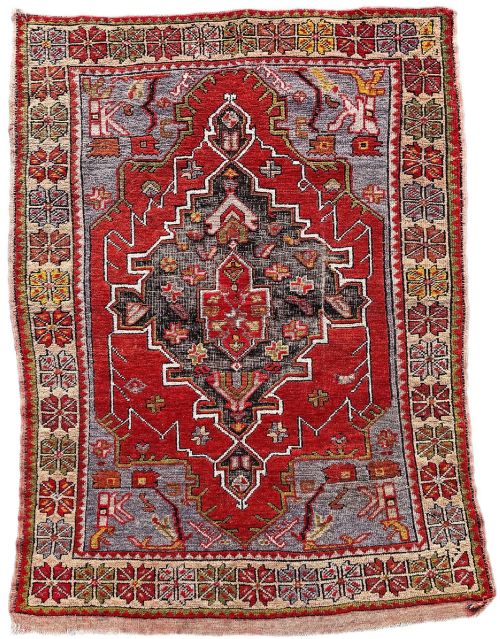
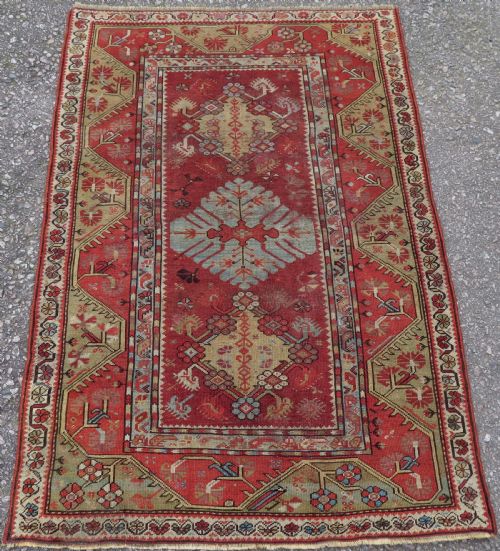
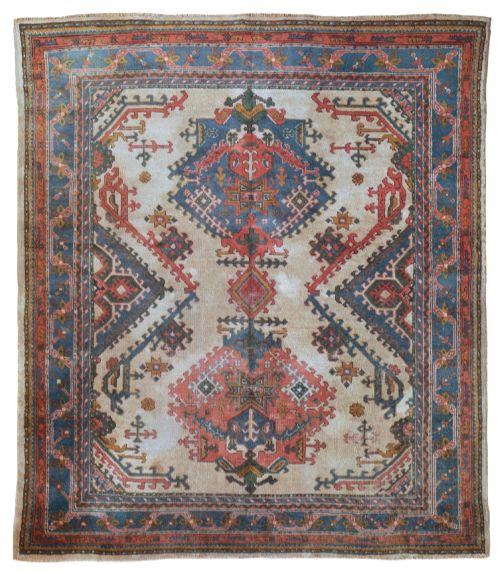
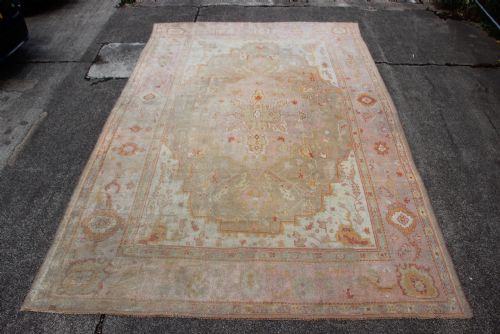
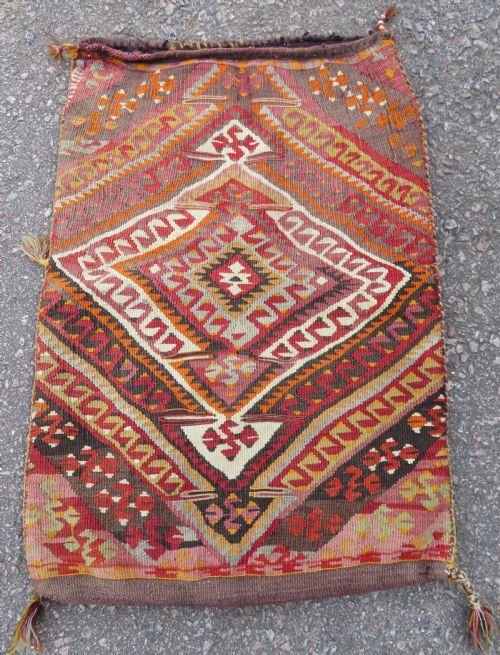
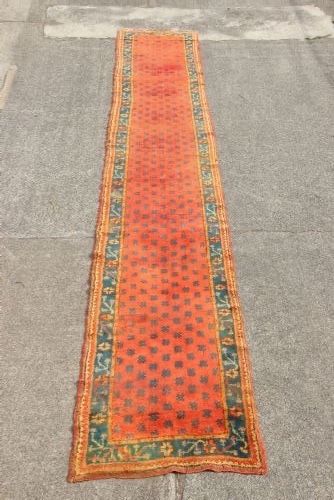
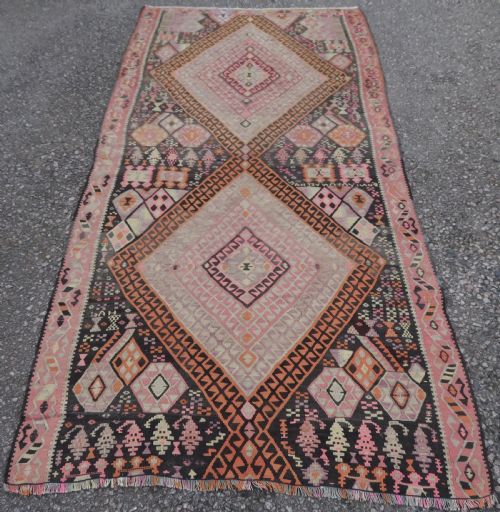
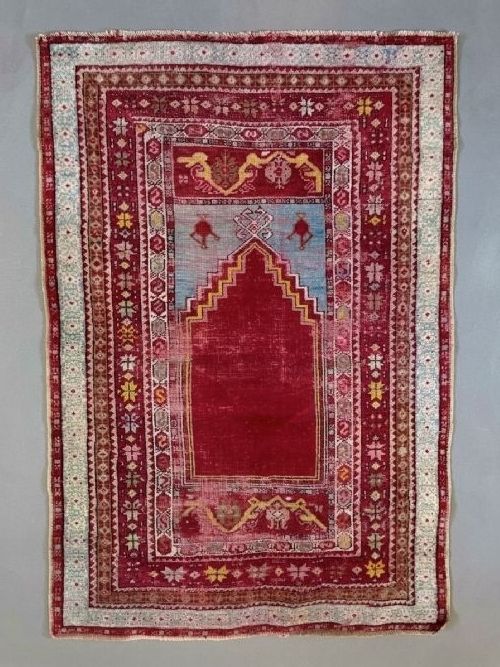
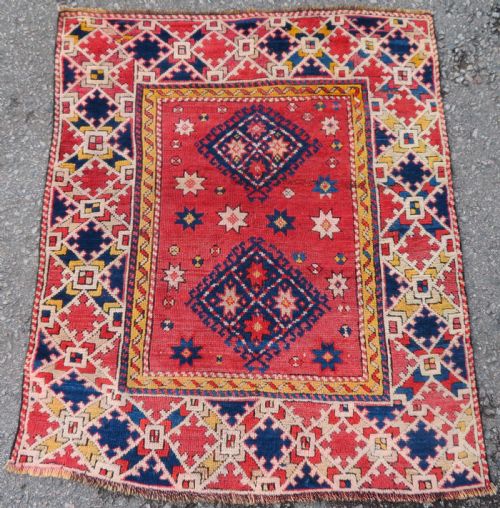
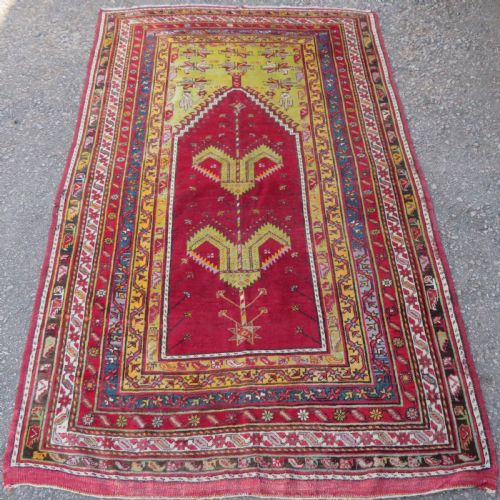
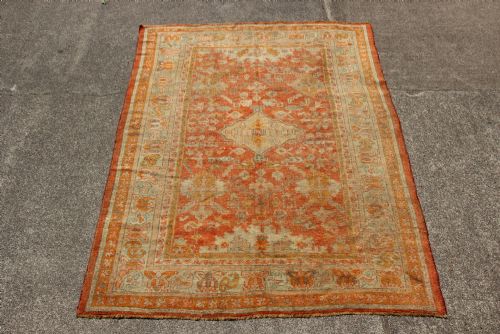
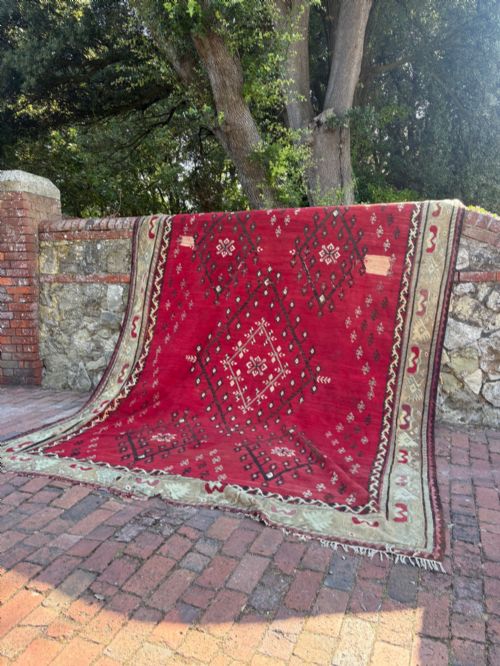
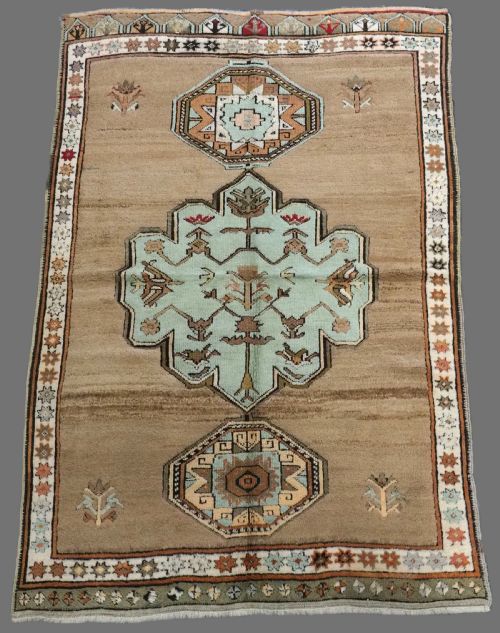
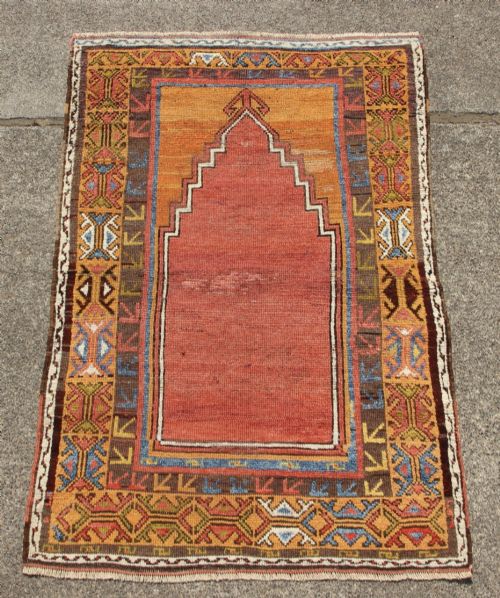
These floor coverings span village and tribal workshops across Anatolia, ranging from small prayer mats to large carpets. The selection on this page leans heavily toward nineteenth and early twentieth century pieces, including Oushak carpets, Konya prayer rugs, and flatweave kilims.
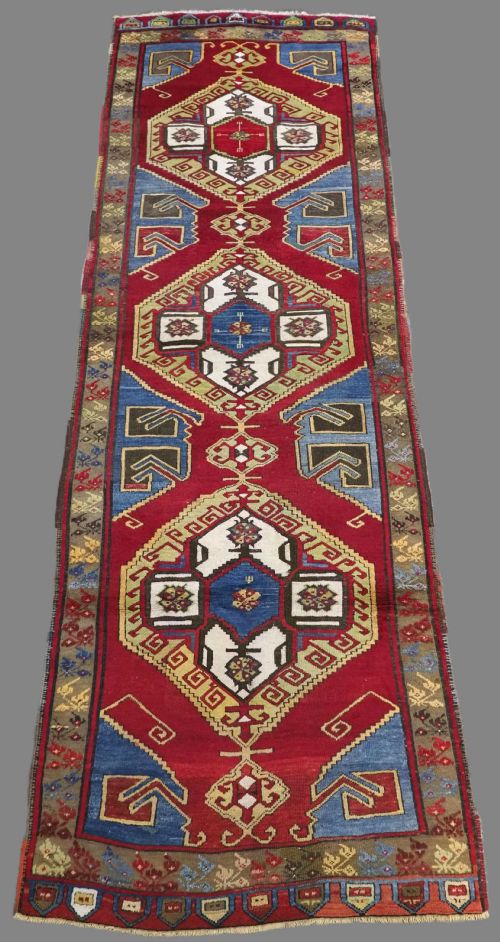
Makers utilised traditional looms to produce various formats, such as square mats, long runners, and grain sacks. Each piece reflects distinct regional styles, from the geometric designs of Bergama to the muted tones of traditional village weaving.
How they were made
Weavers employed hand-spun wool and cotton foundations, frequently incorporating camel wool for natural warmth and un-dyed colour variations. Natural dyes derived from local plants provided the foundation for enduring palettes that soften gently over decades.
Nomadic and village producers knotted pile rugs by hand or wove flatweave kilims without pile, ensuring sturdy structures designed for daily utility. Skilled hands finished edges securely and built structural longevity into every format.
Vintage Anatolian Wool Rug Retail Price Guide 2026
Typical asking prices for vintage anatolian wool rug among the pieces listed under this phrase on Sellingantiques today, from the lower quarter to the upper quarter. They describe what is for sale here now, not the wider market.
Some functional grain sacks crossed over from rural farm duties to become treasured decorative kilim rugs.
What varies in quality
Quality rests upon the fineness of the knotting, the integrity of the wool, and the clarity of the remaining design. Pieces featuring complex central medallions, balanced borders, and rich, saturated natural dyes distinguish the upper tier of the selection.
The degree of original pile retention and the subtlety of wear also dictate value. Expert historical repairs executed with matching materials preserve the character of a rug far better than careless modern interventions.
The Vintage Anatolian Wool Rug Glossary
- Kilim
- A flatweave rug produced without a pile by tightly interweaving warp and weft threads. These textiles often serve as floor coverings or decorative wall hangings.
- Prayer rug
- A small format textile defined by a central niche or mihrab design indicating the direction of prayer. Weavers traditionally produced these for personal devotional use.
- Oushak
- A major carpet-weaving centre in western Anatolia known for larger formats and softer, more expansive floral motifs. These carpets frequently display muted pastel or pale blue fields.
- Warp
- The vertical threads stretched tightly on the loom that form the structural skeleton of the rug. Fringe elements typically consist of the exposed ends of these warp threads.
- Weft
- The horizontal threads passed through the warp to lock the knots and foundation firmly in place. Proper tension in the weft ensures a flat, stable textile.
Vintage Anatolian Wool Rug: Frequently Asked Questions
How do I clean a wool rug?
Gentle surface brushing and regular light vacuuming without a rotating beater bar remove loose dust effectively.
Professional specialist washing remains essential for deep cleaning to protect delicate natural wool fibres and historic dyes.
Can I place these rugs in heavy traffic areas?
Sturdy village carpets and tightly woven runners tolerate moderate hallway or living room use quite well.
Softer Oushak carpets and fragile antique prayer rugs benefit from placement in lower traffic zones to preserve their pile.
How do I identify an older Anatolian piece?
Examine the reverse side for hand-spun wool irregularities, natural dye variations, and organic colour shifts across the field.
Structural traits such as wool warp threads and authentic regional knot counts help separate older village pieces from modern reproductions.
Do faded colours affect desirability?
Gentle fading from sunlight and age is considered a natural part of an antique rug's character and history.
Subtle patination often enhances the harmony of traditional vegetable dyes, making soft tones particularly sought after by collectors.