

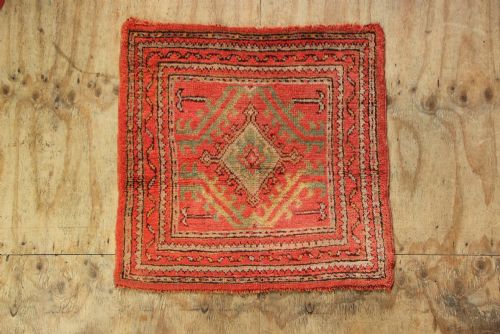
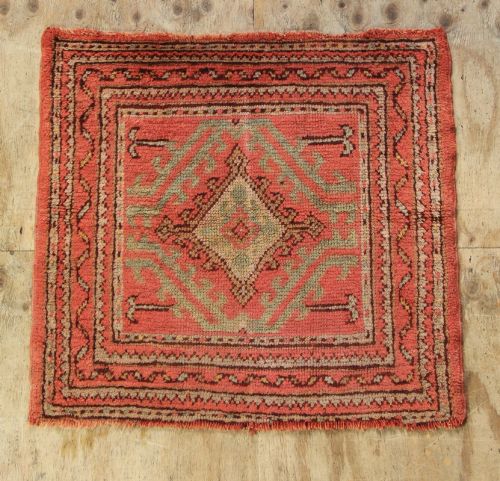

Vintage Anatolian Rug
A vintage anatolian rug brings centuries of weaving heritage into a room, offering rich geometric patterns and soft, muted wools.
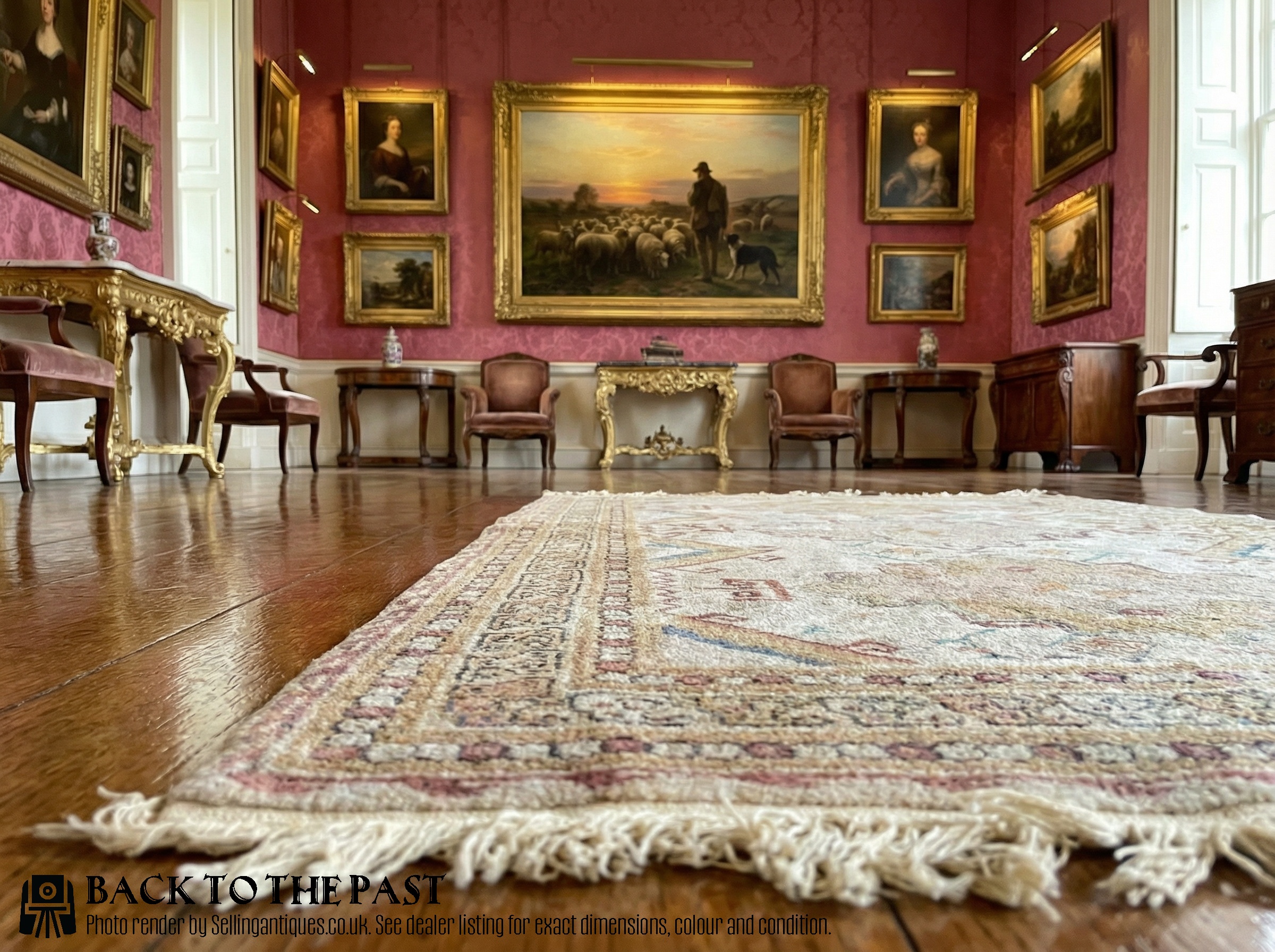
Vintage Anatolian Rug
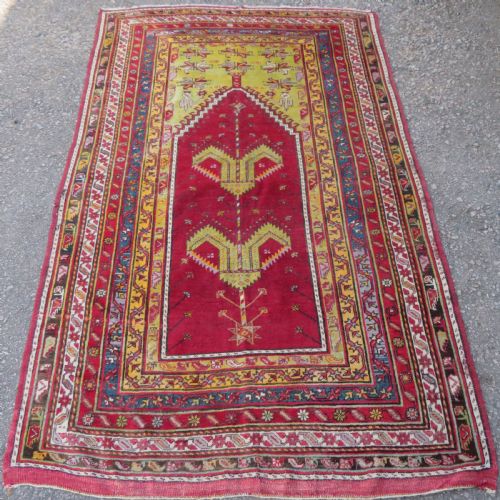
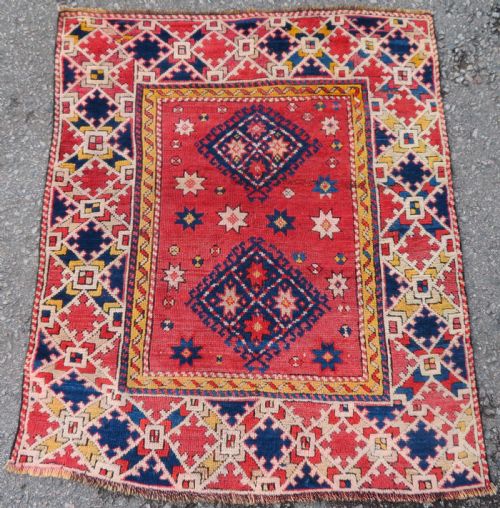
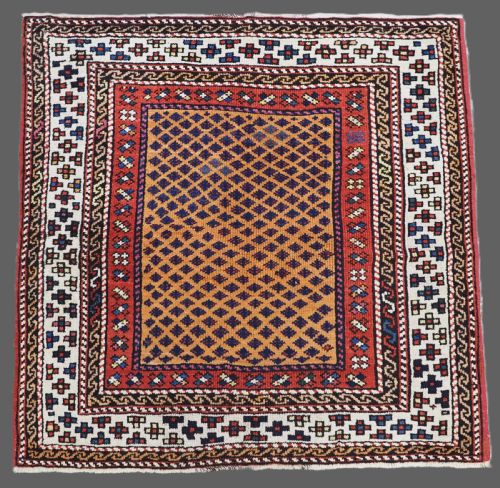
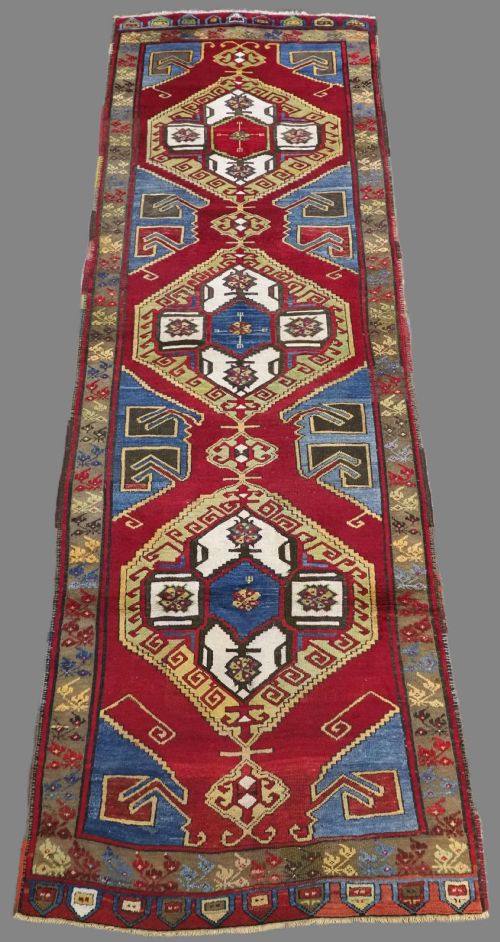
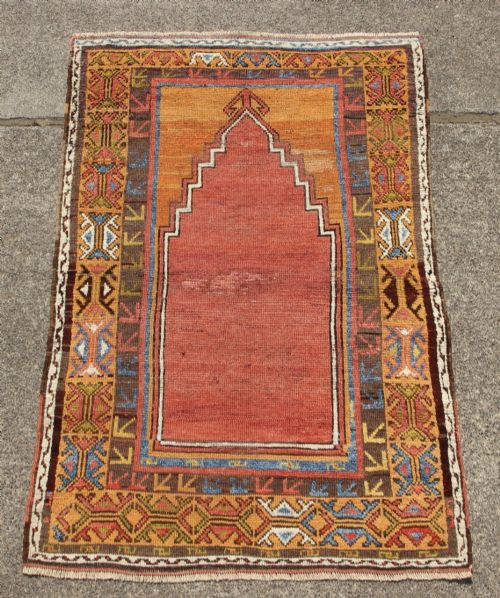
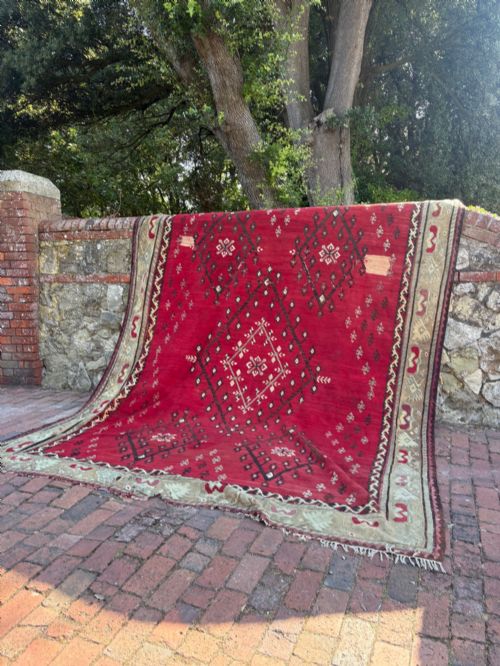
When you search for a vintage anatolian rug, you encounter hand-knotted and flatwoven textiles originating from Turkish weaving centres and villages, dating from the eighteenth century through to the early twentieth century. The selections available encompass diverse regional formats, ranging from expansive carpets and long runners down to square mats, prayer rugs, and domestic cushions.
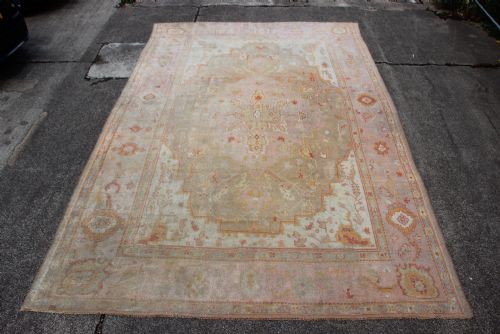
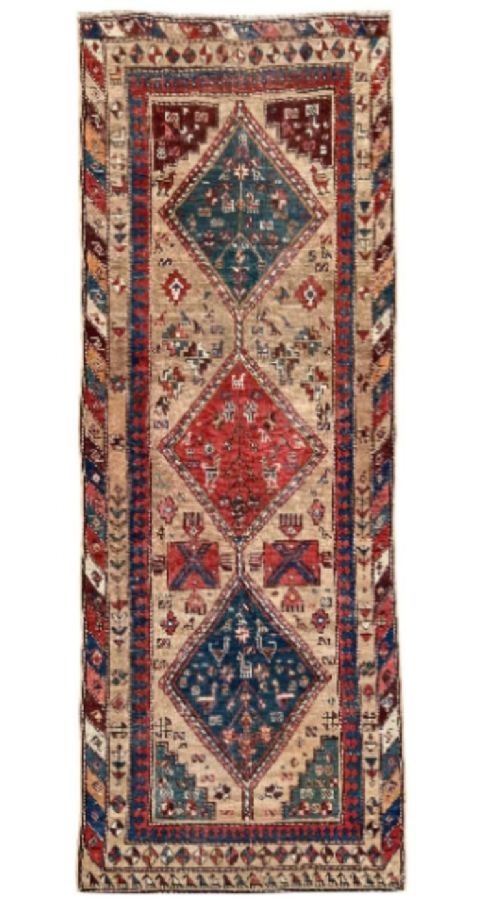
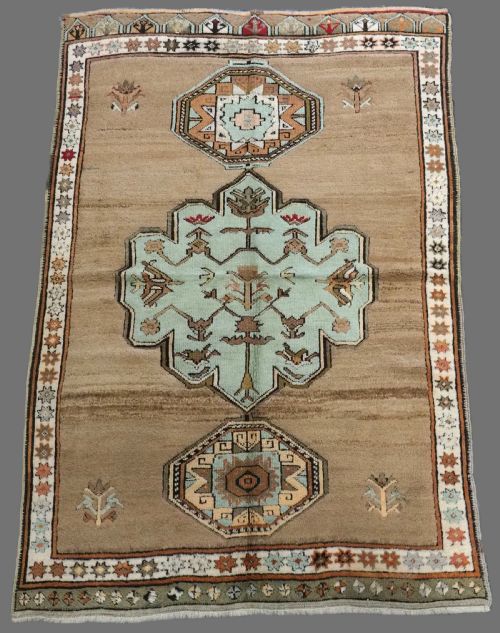
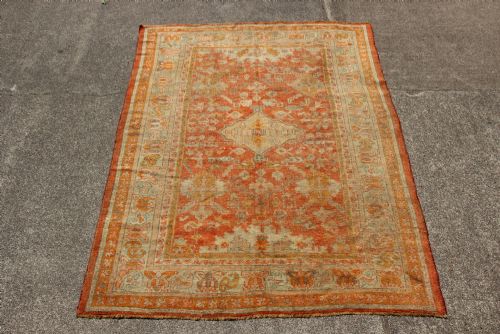
Village and tribal workshops produced these textiles for local daily use rather than export, resulting in varied formats like the Konya Karapinar, Bergama, and Kirsehir pieces. Oushak carpets frequently appear in larger dimensions with pale fields, whilst smaller village rugs display bolder tribal motifs and lattice designs.
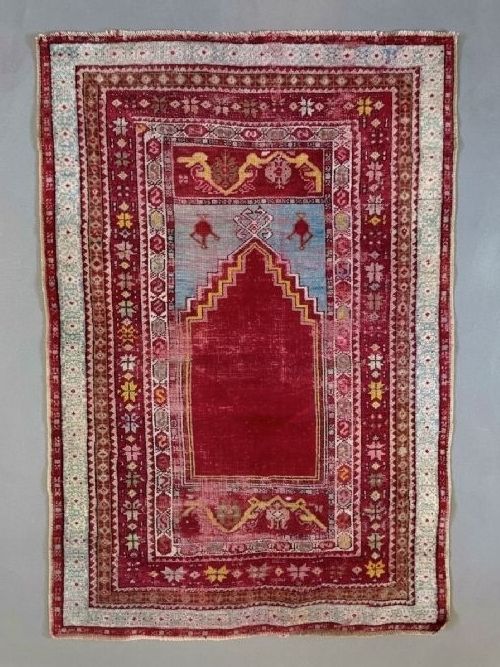
Weavers utilised traditional symbols and regional palettes across different districts, creating pieces such as Ladik prayer rugs and Yahyali village rugs. These floor coverings bridge the gap between utilitarian household items and historic regional art.
How they were made
The construction relies primarily on wool foundations and pile, occasionally incorporating hand-spun wool and camel wool for natural colour variation in the field. Artisans knotted the pile onto sturdy cotton or wool warp and weft threads, ensuring structural durability for daily use.
Flatweave techniques produced kilims without a raised pile, utilising supplementary weft-wrapping methods to create crisp geometric patterns. Natural dyes derived from local plants and minerals provided the palette, which mellowed gracefully over decades of light and wear.
Vintage Anatolian Rug Retail Price Guide 2026
Typical asking prices for vintage anatolian rug among the pieces listed under this phrase on Sellingantiques today, from the lower quarter to the upper quarter. They describe what is for sale here now, not the wider market.
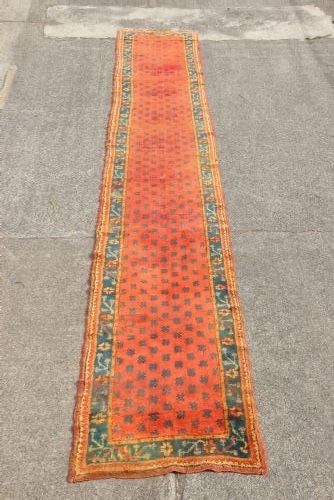
Some village runners display intentional minor irregularities in the border pattern, left by weavers as a nod to humility.
What varies in quality
Quality in these textiles depends on the density of the knotting, the fineness of the spun wool, and the integrity of the original structure. Tightly packed knots allow intricate designs to remain sharp and hold up under heavy foot traffic.
The sophistication and saturation of the dye work also set pieces apart, with evenly absorbed natural colours creating depth across the field. Early village examples with intact original borders and minimal intervention command greater appreciation among collectors.
Oushak weaving tradition·Bergama village weavers·Konya Karapinar workshops·Kirsehir prayer rug makers
The Vintage Anatolian Rug Glossary
- Prayer rug
- A small rug featuring a mihrab or niche design at one end, traditionally used for daily Islamic prayers. These pieces often direct the eye toward a central focal point.
- Kilim
- A flatwoven textile produced without a pile by tightly interweaving warp and weft strands. This technique creates a lightweight, reversible rug with sharp geometric patterns.
- Oushak
- A style of large-scale carpet originating from the town of Usak, known for softer palettes and expansive floral or geometric motifs. They frequently feature pale blue or ivory fields.
- Warp
- The vertical threads stretched lengthwise on the loom that form the foundational skeleton of the rug. Visible fringe ends at the edges of the piece typically consist of these tension threads.
- Camel wool
- Un-dyed fleece taken from camels, utilised in regional weaving to impart a warm, golden-brown hue to the field. This material resists wear and retains natural lanolin.
Vintage Anatolian Rug: Frequently Asked Questions
How do I identify an Oushak carpet?
Oushak carpets generally feature larger dimensions with muted, pale blue or ivory fields and softer floral or geometric medallion designs. They tend to have a more relaxed weave compared to tighter city carpets.
These characteristics give them an understated elegance that integrates easily into contemporary and traditional interiors alike.
What is the difference between a rug and a kilim?
A rug possesses a raised wool pile created by individual knots tied around the warp threads, offering a plush underfoot feel. A kilim is entirely flatwoven without pile, relying on tight weft threads to form geometric patterns.
Both types share similar regional origins but serve different functional needs within a home depending on the desired texture.
How should I care for a vintage wool rug?
Regular gentle vacuuming without a rotating brush roll prevents dust and grit from settling deep into the wool pile. Professional cleaning by specialists in antique textiles ensures the natural dyes remain stable.
Placing the rug out of harsh, direct sunlight helps preserve the mellowed tones of the original vegetable dyes.
How can I tell a prayer rug from other types?
Prayer rugs feature a distinct architectural niche or arch motif, known as a mihrab, at one end of the field. This design points the worshipper in a specific direction during use.
Their smaller formats also distinguish them from larger room-sized carpets or long hallway runners.