



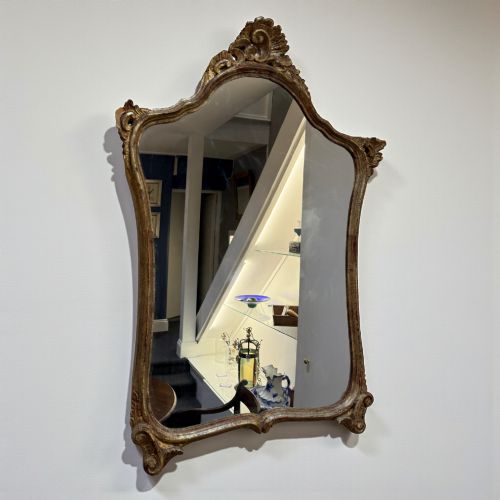
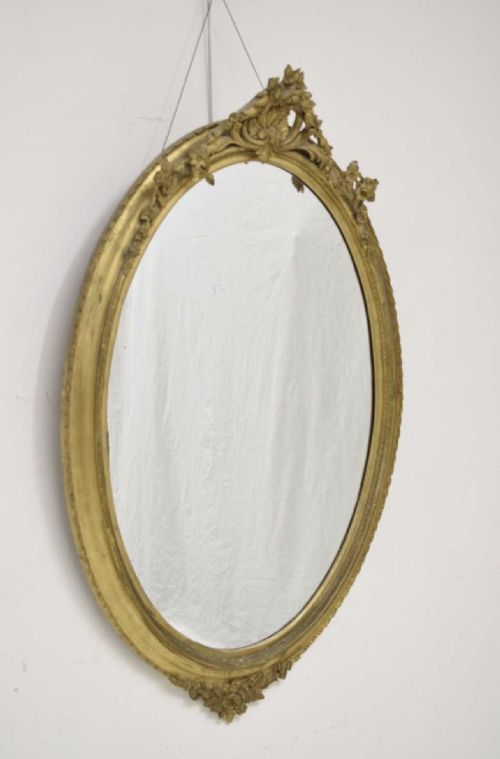
Vintage Accent Wall Mirror
A vintage accent wall mirror brings historic character and reflective depth to a room, spanning styles from Italian Rococo to Art Deco.
Vintage Accent Wall Mirror
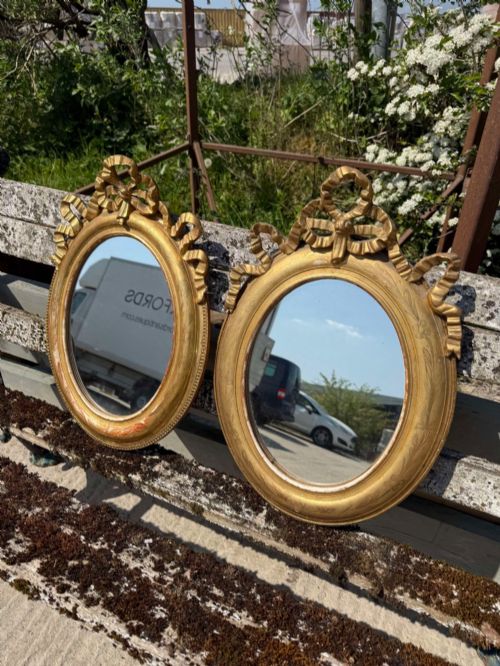
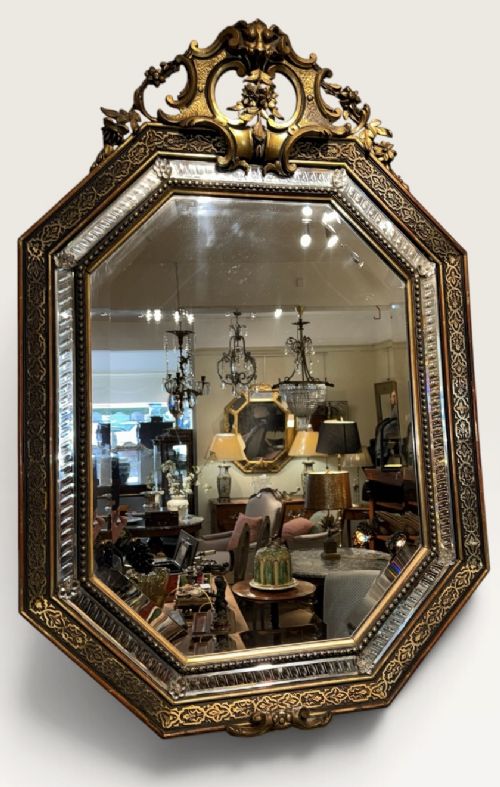
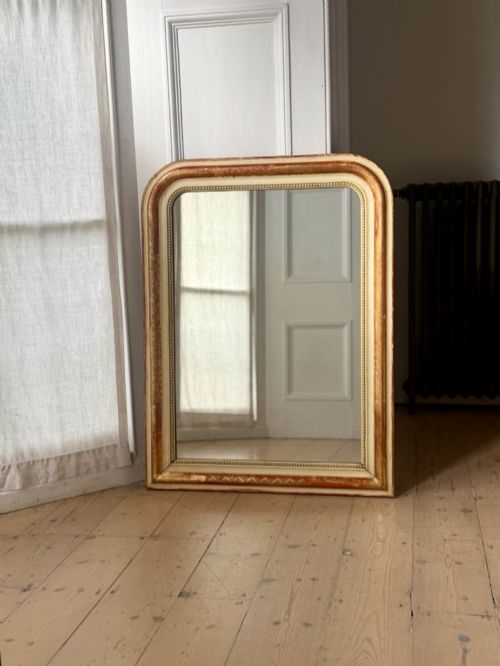
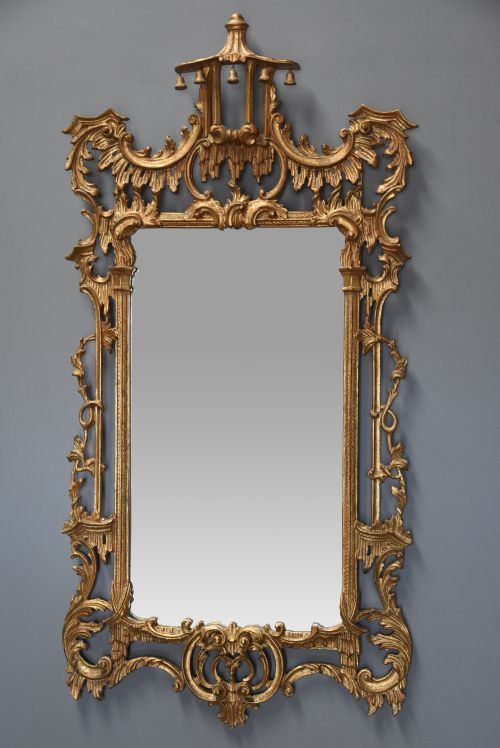
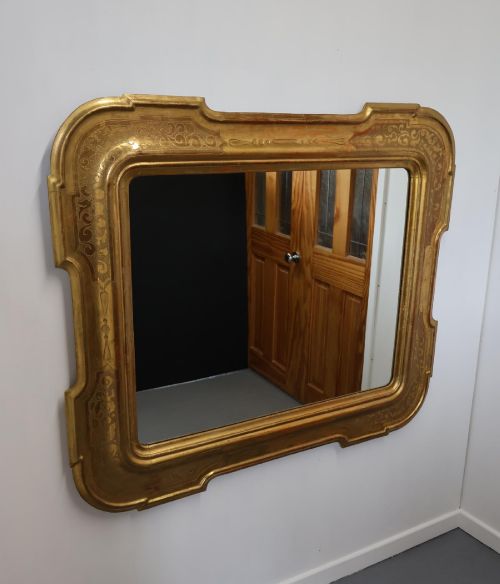
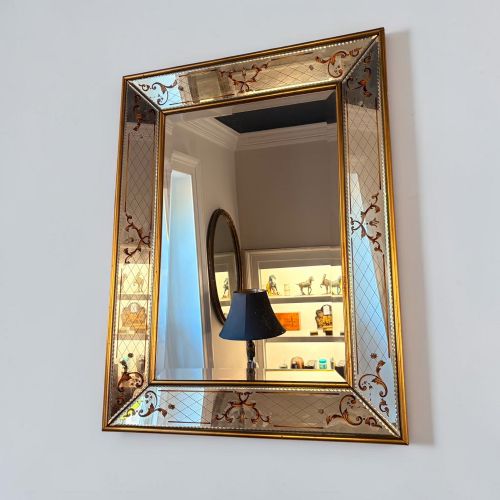
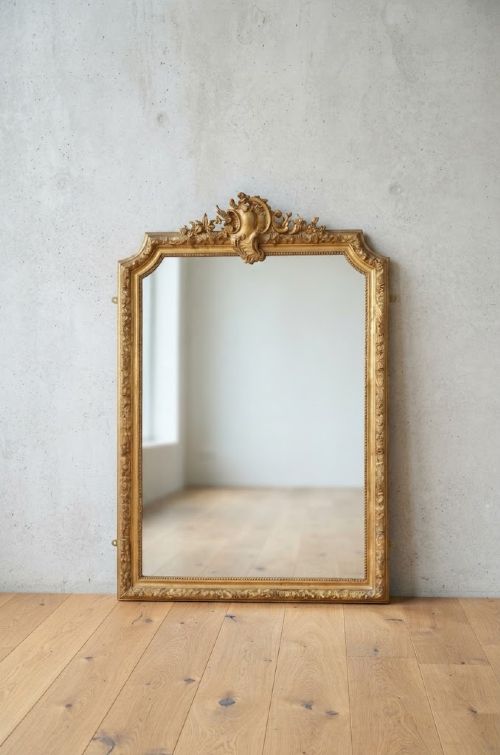
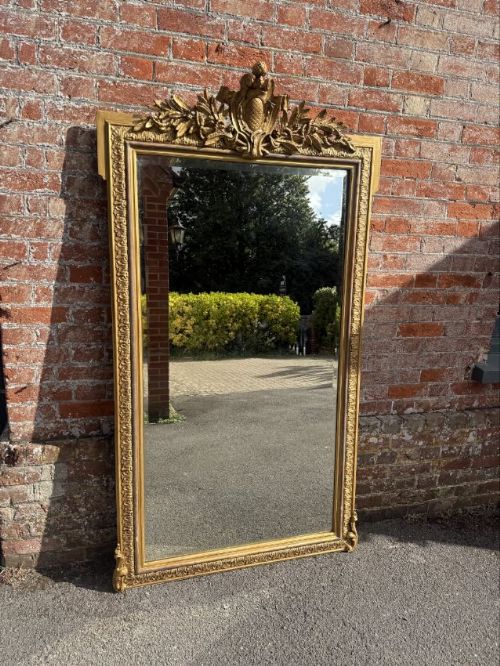
A vintage accent wall mirror serves as a decorative focal point, bringing light and presence into a hallway, sitting room or bedroom through period frames and reflective glass. When searching for a vintage accent wall mirror, buyers encounter a broad variety of regional traditions and aesthetic movements, including ornate 19th-century giltwood pieces and cleaner lines from the early 20th century.
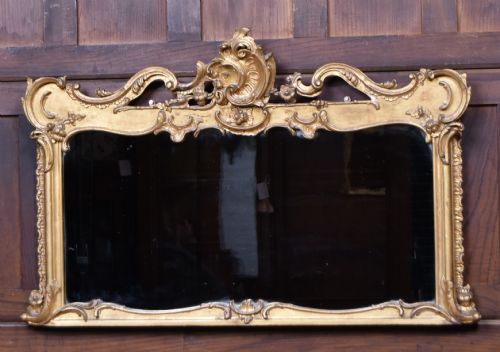
The most common examples on this page date from the nineteenth century and the early decades of the twentieth century, manifesting in forms such as overmantel mirrors, convex mirrors and oval wall hanging pieces. These items utilise traditional framing materials and distinct historical vocabularies, ranging from heavy Rococo Revival carvings to simpler Arts and Crafts metalwork.
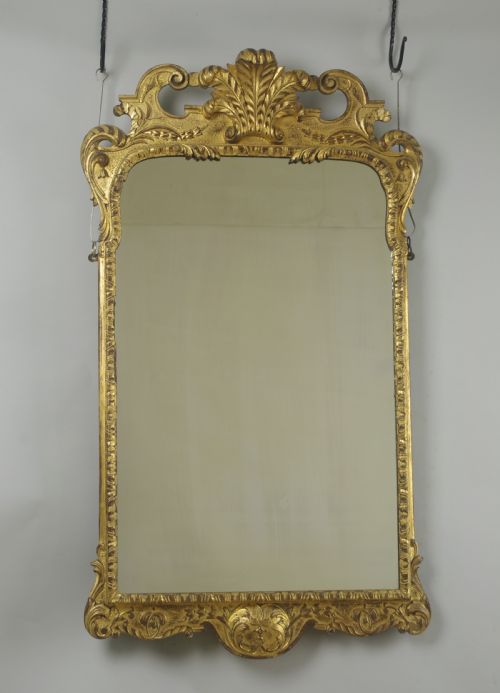
Makers and workshops from Britain, France and Italy dominate the historical record here, applying regional techniques to walnut, oak, mahogany and softwood frames. Whether dealing with a French Louis XV style giltwood frame or an English oak piece, each object reflects the prevailing interior tastes of its original era.
Materials and construction methods
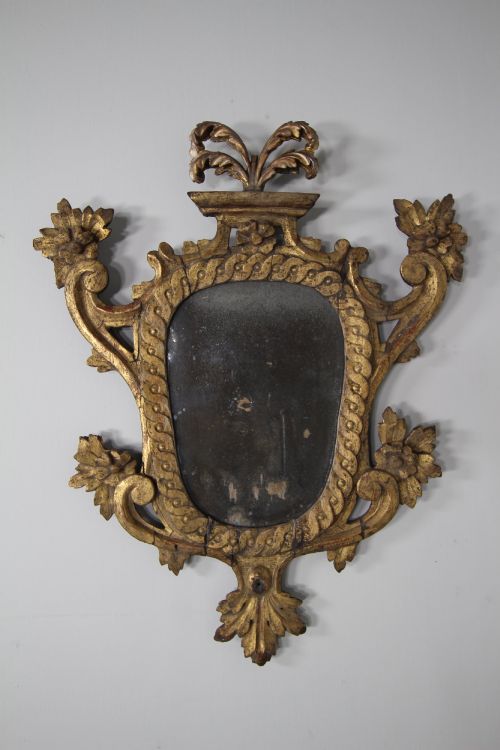
Makers constructed these frames using solid hardwoods like oak, walnut and mahogany alongside softer timbers that were primed to receive carved gesso and gold leaf or gilt finishes. Gilded surfaces required meticulous application of thin gold leaf over layered gesso upon a carved wooden substrate, producing the characteristic warm sheen found on Italian and French examples.
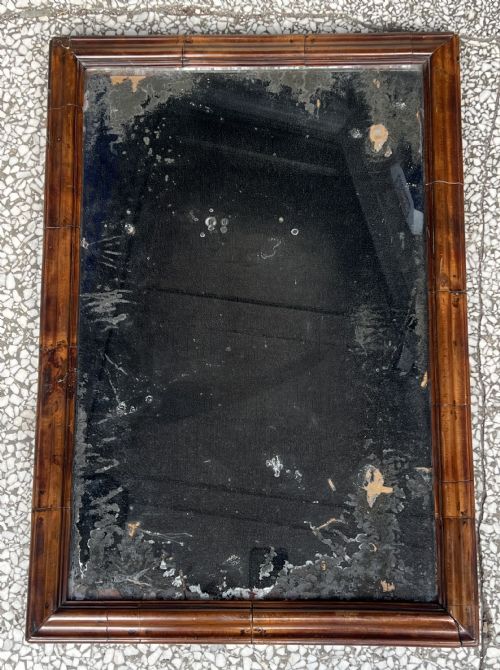
Alternative aesthetics relied on exposed timber grain, seen in carved oak and walnut frames, or incorporated mixed metals such as copper and brass, particularly in Arts and Crafts pieces. Mirror plates were traditionally silvered and set into the rebated frames, sometimes featuring hand-engraved details or convex curvature designed to distort and widen the reflected field of view.
Vintage Accent Wall Mirror Retail Price Guide 2026
Typical asking prices for vintage accent wall mirror among the pieces listed under this phrase on Sellingantiques today, from the lower quarter to the upper quarter. They describe what is for sale here now, not the wider market.
Sorcerer mirrors distort the entire room into a single, curving bubble of light, originally placed by Victorians to keep an eye on guests.
Assessing quality in frames and glass
Quality in a vintage accent wall mirror rests primarily on the depth and crispness of the carving, whether executed in solid wood or built up in gesso over a timber base. Superior examples exhibit sharp undercut foliage, scrolls and figural elements without the soft, rounded edges typical of mass-produced moulded compositions.
The condition and integrity of the original materials also dictate standard, noting the retention of genuine gold leaf, the stability of heavy wood joints and the character of the mirrored glass plate itself. Finer pieces demonstrate harmonious proportions where the weight of the frame balances the reflective surface, maintaining structural soundness across centuries.
The Vintage Accent Wall Mirror Glossary
- Giltwood
- Wood that has been coated with gold leaf or gold paint. This finish appears frequently on 19th-century Italian and French frames.
- Gesso
- A plaster-like mixture applied to wood frames to create a smooth surface for carving and gilding. It allows for intricate relief ornamentation.
- Convex mirror
- A round mirror with a bulging spherical surface that provides a wide-angle reflection of the interior. These are sometimes called sorcerer mirrors.
- Overmantel mirror
- A large horizontal mirror designed specifically to hang above a fireplace mantelpiece. They often feature elaborate carved crestings.
- Cartouche
- An ornamental frame resembling a rolled-up piece of parchment or a shield. It forms the central motif of certain 19th-century French mirrors.
Vintage Accent Wall Mirror: Frequently Asked Questions
What is the difference between a convex and a flat mirror?
Convex mirrors curve outward to capture a panoramic reflection of the entire room in a compact circular format. They function primarily as decorative optical accents rather than practical looking glasses.
Flat mirrors provide a direct, undistorted reflection and were traditionally used for checking appearance or bouncing light across darker spaces.
How should I clean antique mirrored glass?
Clean the glass gently using a soft microfiber cloth and a mild, ammonia-free glass cleaner sprayed onto the cloth rather than directly onto the plate. This prevents liquid from seeping behind the silvering or damaging old wooden frames.
Avoid harsh chemical solvents that can degrade fragile historical mirror backing or strip delicate gilt finishes.
How do I identify the period of a mirror frame?
Examine the construction joints, the backing boards, and the specific stylistic vocabulary of the carving or moulding. Nineteenth-century pieces often display Rococo Revival motifs, while early twentieth-century examples lean towards Art Deco geometric lines or Arts and Crafts metalwork.
Nail types, wood species and the ageing characteristics of the gesso or gilding further help narrow down the decade of manufacture.