




Victorian Wooden Window Seat
A victorian wooden window seat provides a low, long perch beneath casement glass, bringing nineteenth-century timber and upholstery directly into living spaces.
Victorian Wooden Window Seat
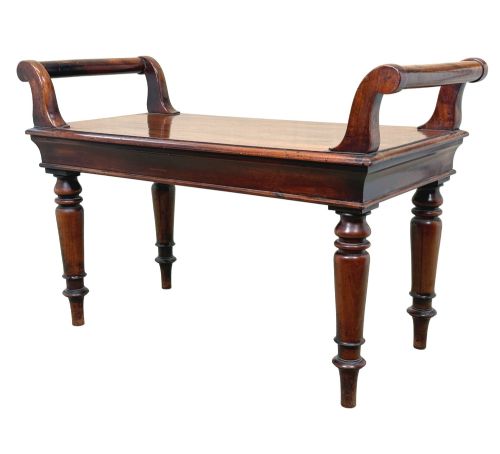
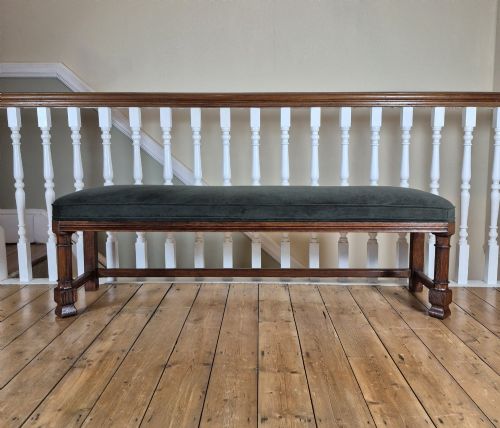
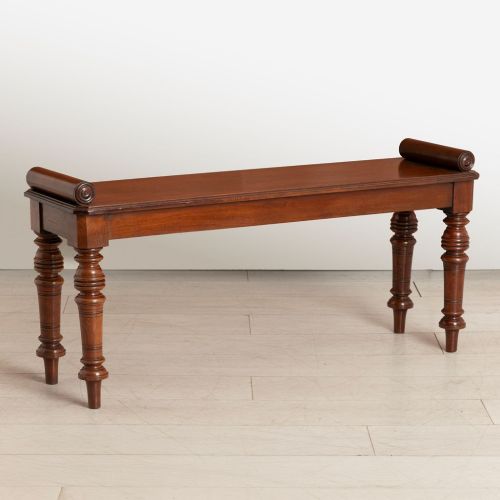
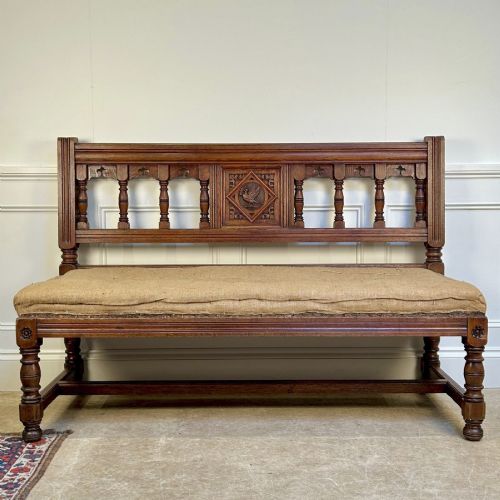
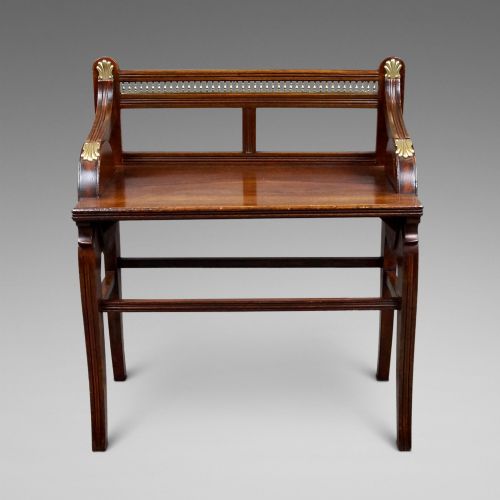
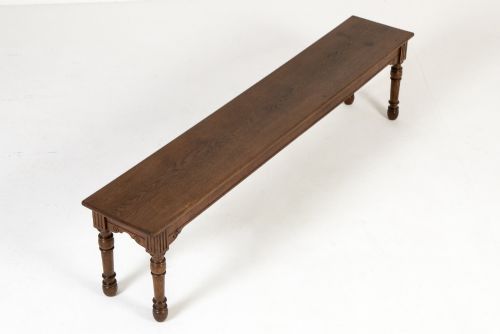
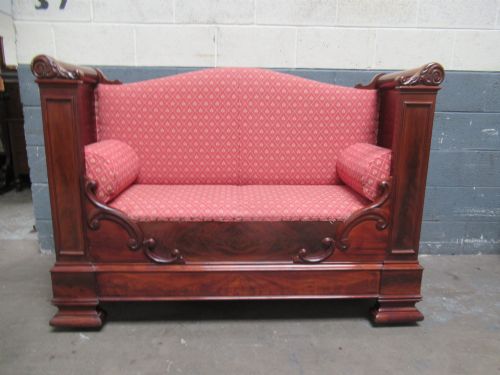
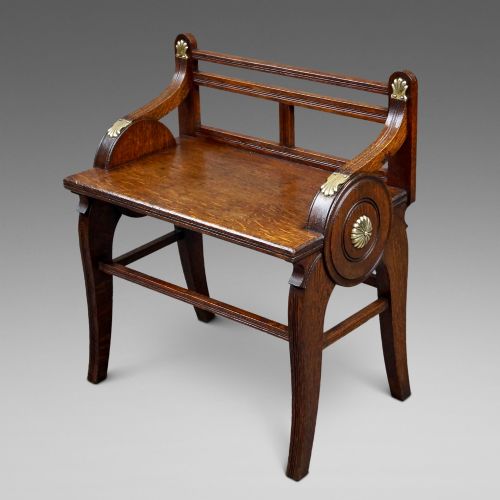
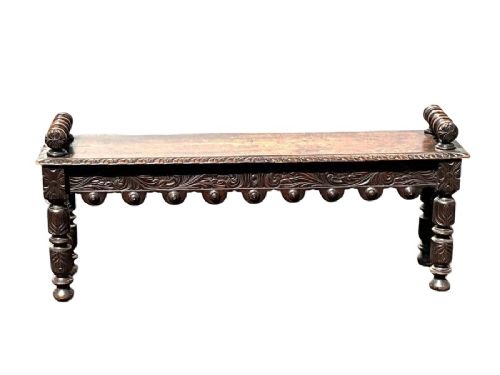
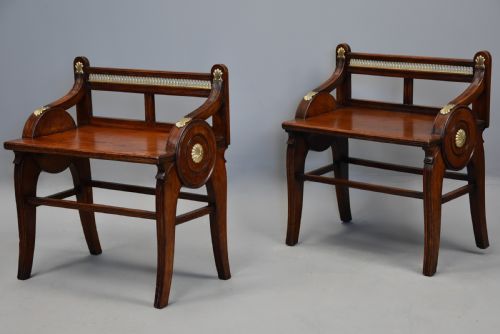
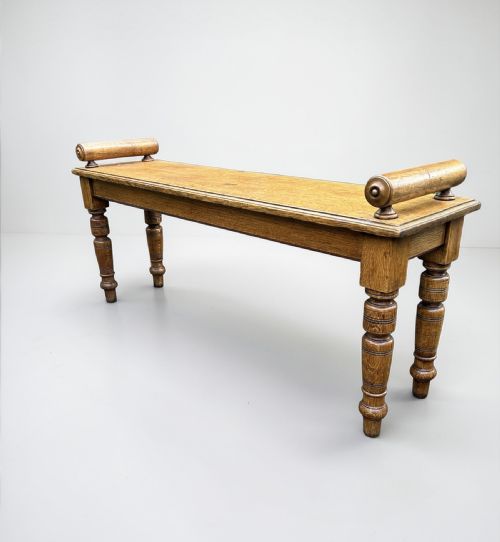
A victorian wooden window seat appears across this selection primarily as a bench, stool, or hall bench designed for nineteenth-century interiors. These pieces take shapes ranging from simple long stools to elaborately carved seating meant to fit beneath low sills or along hallways.
Makers and designers of the period produced these seats in varied regional English workshops, utilising forms that transition from early nineteenth-century mahogany frames to later aesthetic and gothic interpretations in oak and walnut.
Materials and Construction
Carpenters constructed these frames using dense hardwoods such as oak, mahogany, walnut, and rosewood, frequently incorporating brass mounts, ebonised finishes, or burr elm details. Upholstered versions integrate textile, fabric, and linen coverings secured over internal padding.
Joinery methods rely on sturdy timber framing, carved supports, and X-frame structures, combining structural rigidity with ornamental details like fluted legs and carved animal motifs.
Several seats feature carved hunting dog heads keeping silent watch beneath the upholstery.
Distinction in Craft
Quality rests in the crispness of the timber carving, the selection of figured veneers like burr elm or rosewood, and the solidity of the underlying wooden frame. Finer examples display meticulous attention to joinery and sophisticated decorative idioms such as gothic tracery or aesthetic movement inlay.
The sophistication of the secondary materials, including heavy brass mountings and harmonious textile or linen upholstery, separates standard utility benches from workshop pieces bearing attribution to notable makers.
GIllows·Jas Shoolbred·James Shoolbred & Co.
The Victorian Wooden Window Seat Glossary
- Gothic Revival
- An architectural and decorative style drawing inspiration from medieval forms. Pieces often feature pointed arches, heavy oak timbers, and quatrefoil motifs.
- Ebonised
- Timber treated with a dark finish to imitate ebony. This treatment appears frequently on nineteenth-century aesthetic movement furniture.
- X-Frame
- A structural support configuration forming an intersecting cross shape. This design underpins many nineteenth-century stools and window seats.
- Aesthetic Movement
- A late nineteenth-century design approach prioritising visual beauty over narrative content. Furniture from this period utilises simplified lines, ebonised surfaces, and gilt detailing.
- Hall Bench
- A long wooden seat traditionally placed in entrance halls. These pieces often incorporate open storage or high backs alongside window seat proportions.
Victorian Wooden Window Seat: Frequently Asked Questions
Where did people place these seats?
Nineteenth-century households positioned these wooden benches directly beneath large casement windows to create comfortable spots for reading or looking outside. They also served narrow entryways and hallways where deep seating would block foot traffic.
Their low profile kept them clear of window sills while providing stable perches in public rooms.
How do I identify a gothic revival seat?
Gothic revival pieces rely heavily on solid oak timbers, pointed arches, and architectural mouldings reminiscent of medieval stone buildings. Makers often added heavy chamfering and structural pegging.
These elements give the timber a severe, imposing silhouette distinct from curved Victorian walnut frames.
How should I clean the wooden frame?
Maintain polished mahogany, oak, and rosewood surfaces by dusting with a dry, soft cloth to prevent particulate accumulation. Avoid modern silicone sprays that build up residue over time.
Nourish dry timber periodically with traditional beeswax applied sparingly and buffed to a soft sheen.