



Victorian Carved Oak Stool
A victorian carved oak stool brings sturdy nineteenth-century craftsmanship into a modern interior through robust timber and detailed relief work.
Victorian Carved Oak Stool
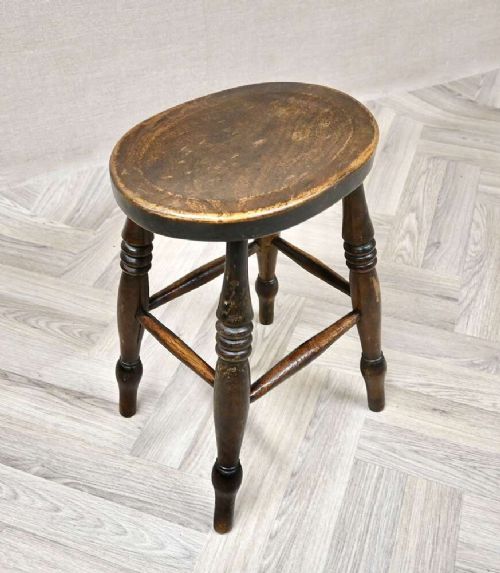
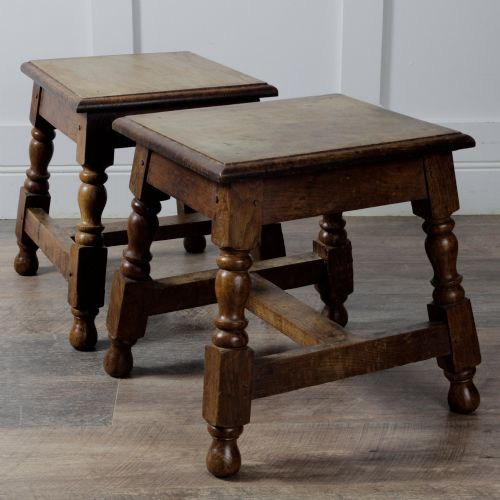
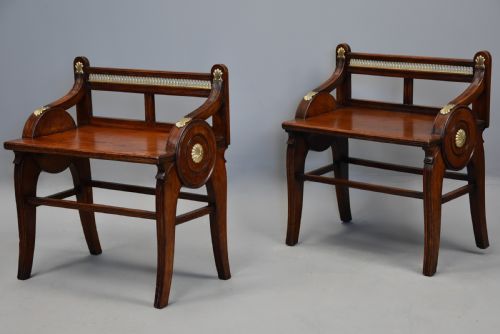
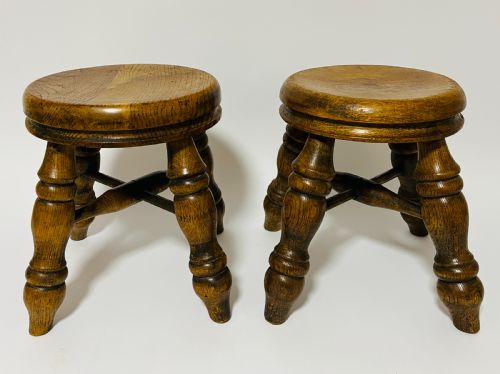
When searching for a victorian carved oak stool, buyers encounter low footstools, jointed stands, piano seats, and longer window benches originating across the nineteenth century. These pieces reflect the heavy revival styles of their era, drawing on Gothic, Jacobean, and Arts and Crafts influences.
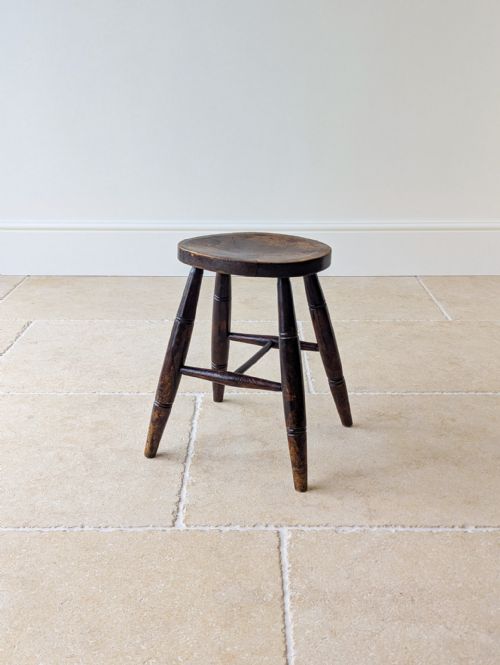
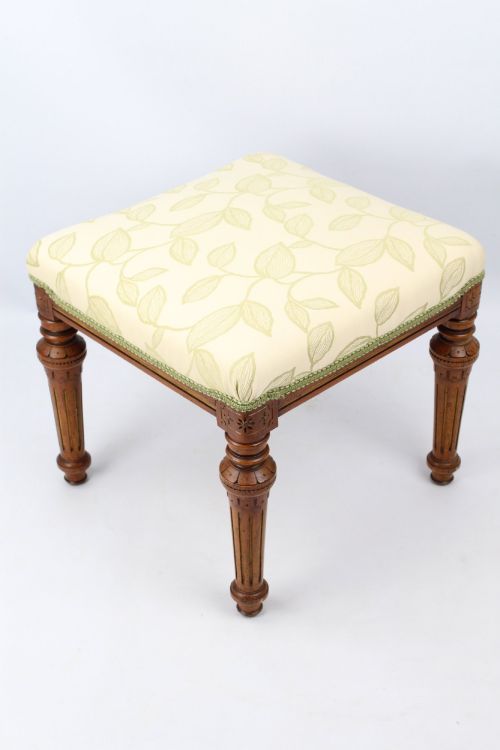
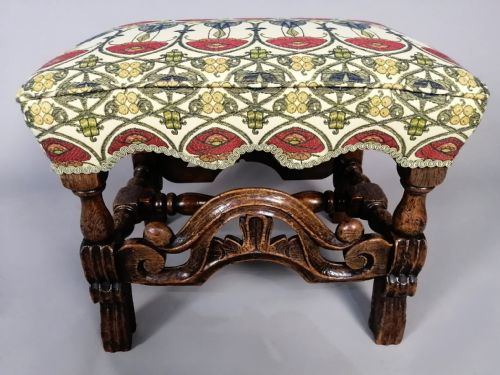
The version most commonly met on this page is a compact footstool or occasional seat featuring dense foliage, linenfold, or geometric carving upon solid timber frames. Many incorporate turned supports, such as bobbin or spiral legs, aligning with vernacular country traditions and formal revival designs alike.
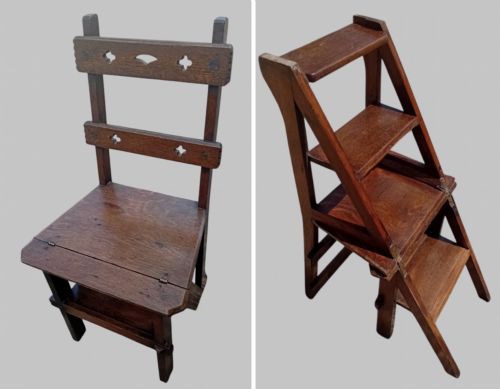
Beyond standard low forms, the selection encompasses metamorphic library steps, swivel piano mechanisms, and upholstered topped benches designed for hallways or dressing rooms. These variations demonstrate the practical versatility required in nineteenth-century domestic spaces.
How they were made
Joinery relied on traditional pegged mortise and tenon construction, ensuring rigid stability across joint stools and heavy benches without relying on modern fasteners. Oak provided the structural core, often complemented by secondary timbers like elm or walnut for specific components.
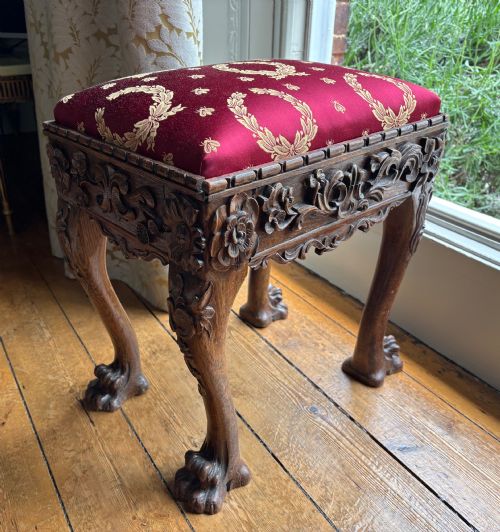
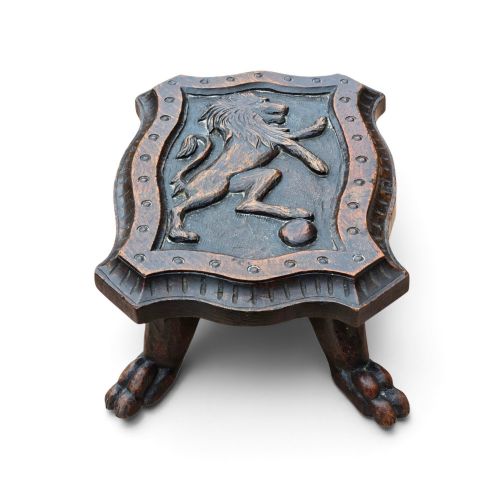
Carving was executed by hand directly into the seasoned hardwood, producing deep relief motifs including heraldic animals, vines, and tracery. Surface finishes ranged from polished wax highlights on plain grain to darker patinations favoured in Gothic Revival pieces.
Some Victorian library stools cleverly unfold into miniature staircases, proving that nineteenth-century users also needed height to reach the top shelf.
What varies in quality
The distinction between standard utility seating and finer workshop production rests on the crispness of the hand-carving and the selection of timber figure. Pieces featuring deeply undercut foliage or specialised hardware, such as brass mountings and screw-top piano mechanisms, represent higher tiers of craftsmanship.
Proportion and structural integrity separate exceptional survivals from altered or heavily restored examples. Original upholstery foundations, leather pads, or buttoned velvet inserts retain historical context that replacement materials often obscure.
James Shoolbred And Co
The Victorian Carved Oak Stool Glossary
- Joint stool
- An early form of sturdy wooden stool constructed with mortise and tenon joints pegged together. These pieces served versatile seating and utility purposes in domestic spaces.
- Bobbin turning
- A type of lathe-formed wooden leg resembling a string of spools or bobbins. This decorative turning style frequently appears on nineteenth-century revival furniture.
- Linenfold
- A style of relief carving designed to resemble folded vertical sheets of linen fabric. It is commonly found on panels within Gothic and Tudor revival pieces.
- Metamorphic furniture
- An ingenious dual-purpose design that transforms from one object type into another, such as a stool converting into a set of library steps.
- Gothic Revival
- An architectural and decorative style drawing inspiration from medieval forms, featuring pointed arches, trefoils, and heavy carved tracery.
Victorian Carved Oak Stool: Frequently Asked Questions
What were victorian carved oak stools used for?
These items served varied domestic roles ranging from low hearth footstools to piano seats and hallway window benches. Their sturdy construction allowed them to function as occasional side tables as well as movable seating.
Finer versions with upholstered tops provided comfort in drawing rooms, while utilitarian variants supported daily tasks in libraries and country interiors.
How can I tell a genuine nineteenth-century piece apart?
Authentic items display hand-cut tool marks within the carved recesses and genuine wear patterns upon the high-contact wooden edges. The joinery typically employs pegged wooden tenons rather than modern steel screws.
Timber shrinkage, deep patination, and traditional finishing methods further distinguish nineteenth-century production from later twentieth-century reproductions.
How do I care for antique oak furniture?
Maintain the timber by applying a traditional beeswax polish sparingly to nourish the dry grain and preserve the surface sheen. Avoid placing wooden seating near direct heat sources or in fluctuating humidity.
Protect upholstered surfaces from prolonged direct sunlight to prevent fading in vintage fabrics, leather, and velvet coverings.