




Victorian Oak Window Bench
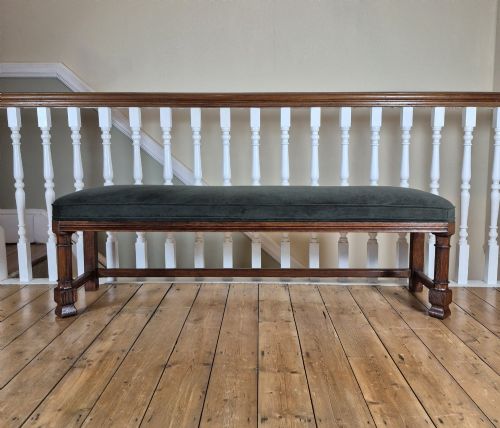
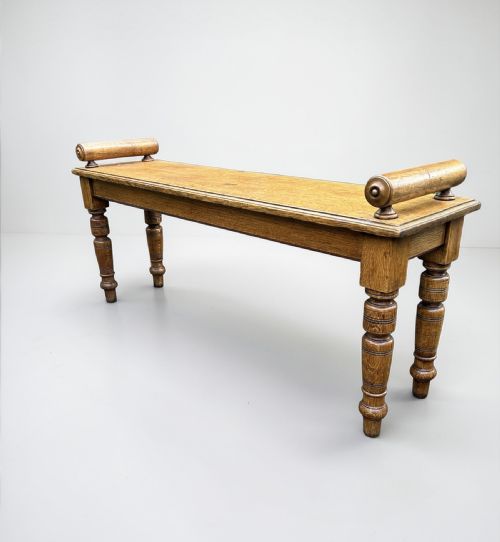
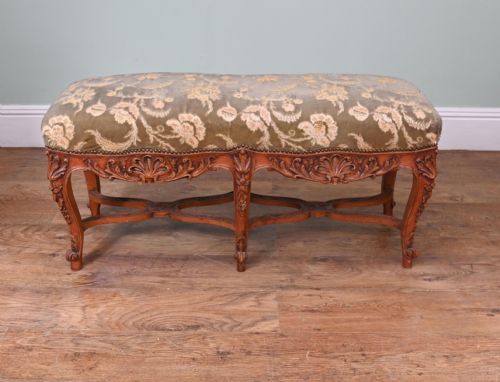
These robust victorian oak window bench pieces combine solid utility with decorative revival styles to seat visitors in hallways or by glass.
Victorian Oak Window Bench
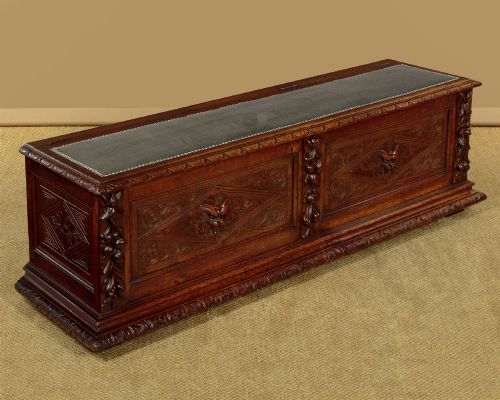
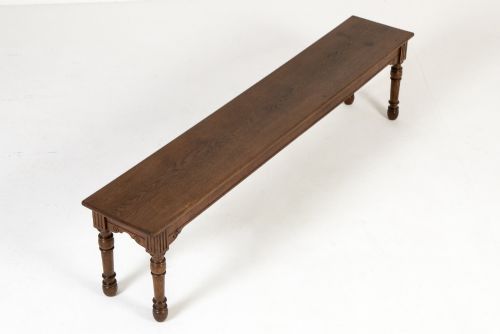
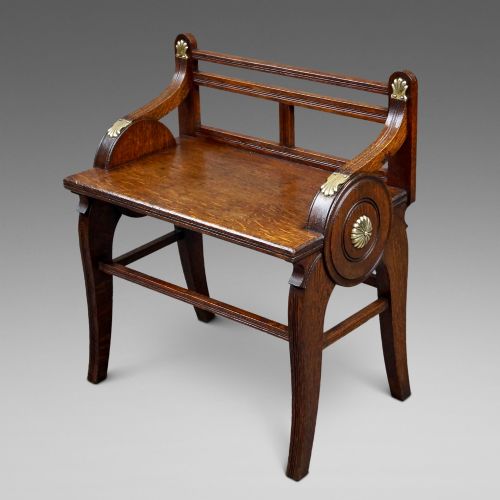
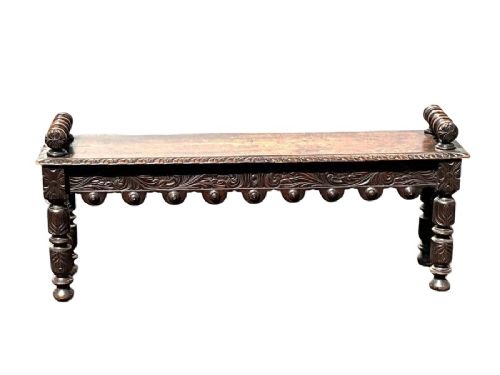
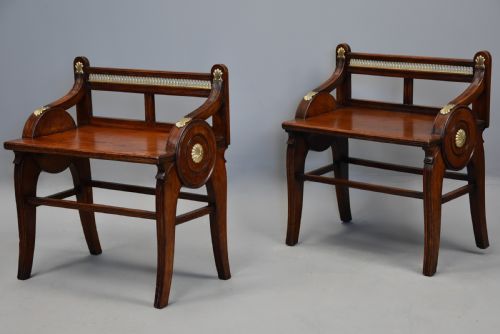
A victorian oak window bench serves multiple domestic roles, functioning interchangeably as a hall seat, a pew, or a low stool beneath casements. The forms seen here span simple long stools and box ottomans to heavy backless seats.
Most examples originate in the nineteenth century, carrying design influences from Gothic Revival, Jacobean Revival, and Arts and Crafts movements. Makers adapted these forms for long corridors, entrance halls, and drawing rooms.
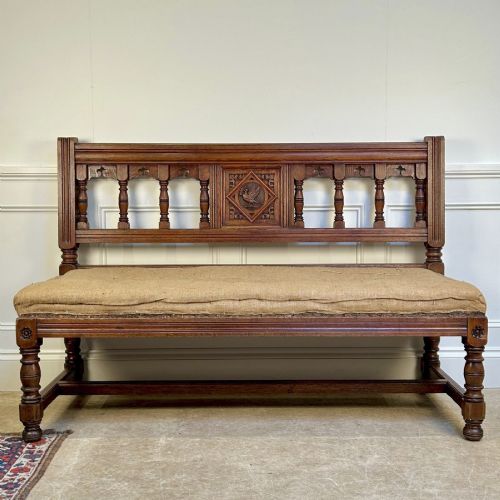
The version most frequently met on this page is the English oak hall bench or window seat dating from the mid to late nineteenth century. These pieces often feature carved wooden frames and upholstered tops designed for functional daily use.
How They Were Made
Carpenters constructed these frames primarily from solid English oak, frequently augmented by secondary timbers such as elm and burr elm for contrast. Joinery relied on traditional pegged mortise and tenon joints to withstand heavy weights.
Upholstered versions utilised materials like leather, velvet, hessian, and fabric stretched over stuffing to form padded seats. Brass mounts, studs, and iron hardware provided structural reinforcement and decorative accents.
Certain nineteenth-century carvers hid grinning green man masks amidst the oak foliage beneath the seat.
What Varies in Quality
The depth and crispness of hand-carved ornamentation separate standard workshop production from finer cabinet work. Pieces associated with documented makers show superior timber selection and more deliberate proportioning.
The integrity of the original oak frame and the retention of period mountings dictate the overall grade. Alterations to upholstery foundations or replaced underframes alter the original character of the bench.
GIllows·James Shoolbred & Co.
The Victorian Oak Window Bench Glossary
- Gothic Revival
- An architectural and decorative style drawing inspiration from medieval forms, featuring pointed arches and heavy tracery. This style dominated much mid nineteenth-century seating design.
- Hall Bench
- A long wooden seat placed in an entrance hallway for visitors to remove boots or wait. These pieces often lack backs to fit beneath coat racks or tables.
- Ottoman Box Seat
- A bench form incorporating a hinged lid that opens to reveal interior storage space. Makers utilised these for blankets, boots, or household textiles.
- Reformed Gothic
- A late nineteenth-century design approach favoring structural honesty and simpler medieval lines over excessive ornamentation. This movement influenced several pieces on this page.
- Bobbin Turned
- A method of turning wood on a lathe to create a series of rounded spherical shapes resembling bobbins. This decorative turning appears frequently on nineteenth-century legs and stretchers.
Victorian Oak Window Bench: Frequently Asked Questions
Where should I place a victorian oak window bench?
These benches suit narrow entryways, long corridors, or rooms with low window sills where extra seating is useful. Their low profiles maintain light levels when positioned directly beneath glass.
Ensure adequate floor clearance so the piece does not obstruct pathways or doors within the room.
How do I care for the oak frame?
Maintain the timber by applying natural beeswax periodically to nourish the grain and protect against dry air. Avoid placing wooden seating near direct heat sources or in damp conditions.
Dust surfaces regularly with a soft cloth to prevent particulate buildup on carved details.
Were these benches used in halls or windows?
Cabinetmakers designed these versatile seats for both locations depending on the specific domestic layout. Shorter forms suited window recesses while longer variants anchored entrance hallways.
Historical listings frequently categorise identical forms as either hall benches or window seats interchangeably.
How do I distinguish Gothic Revival from Arts and Crafts examples?
Gothic Revival pieces display pointed arches, heavy linenfold panels, and ecclesiastical motifs drawn from medieval architecture. They project an imposing architectural presence.
Arts and Crafts examples focus on exposed construction methods, simpler joinery, and natural wood grains with minimal applied ornamentation.