

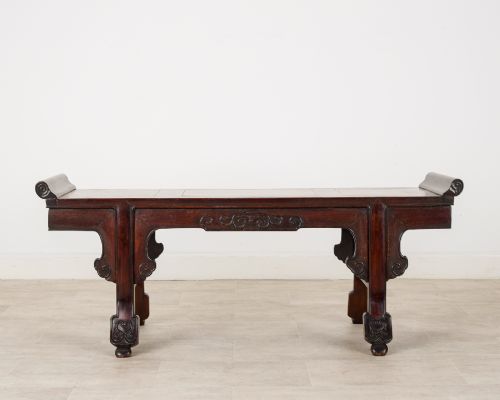
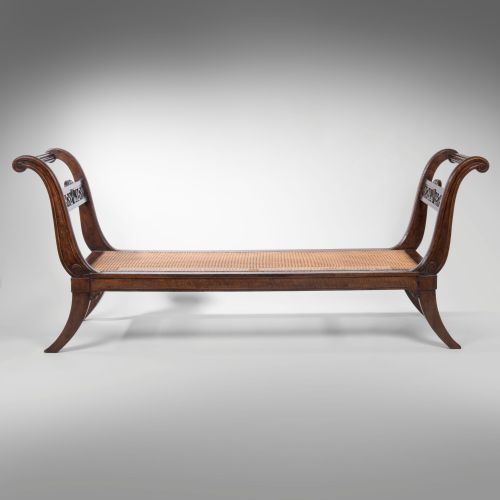
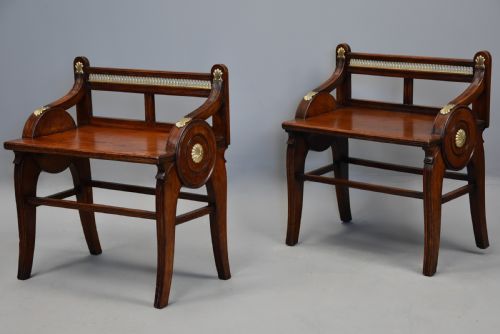
Carved Wooden Window Bench
A carved wooden window bench brings a practical seat to a light-filled alcove while adding period character to a room.
Carved Wooden Window Bench
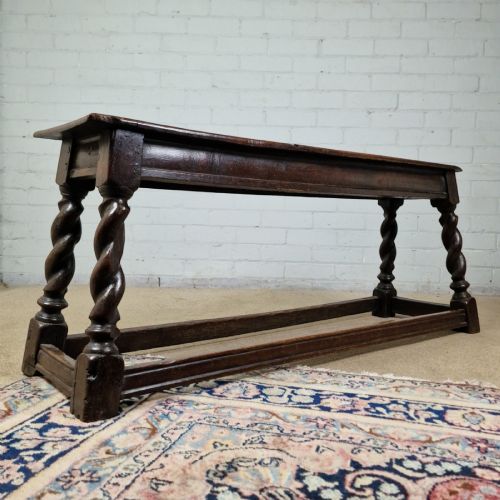
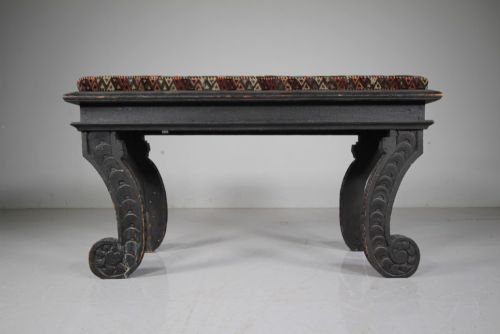
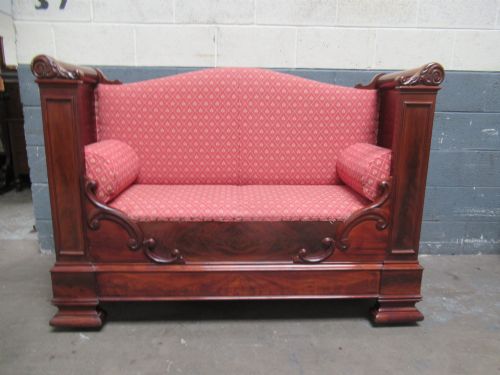
A carved wooden window bench serves as a low seat designed specifically to sit beneath window sills without blocking the light. These pieces appear frequently in nineteenth-century forms, alongside examples from the eighteenth and early twentieth centuries.
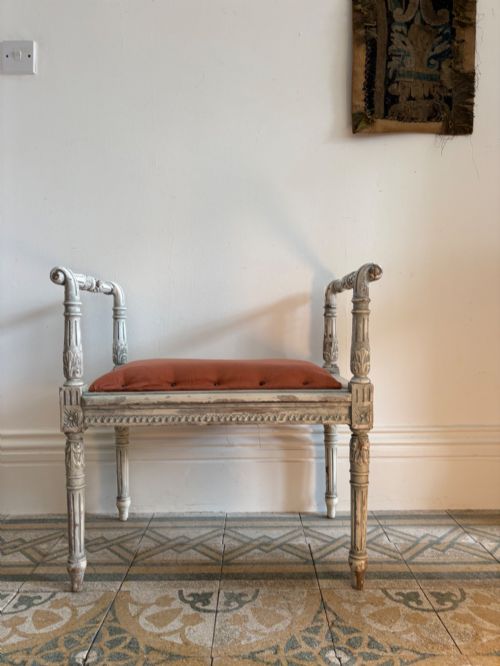
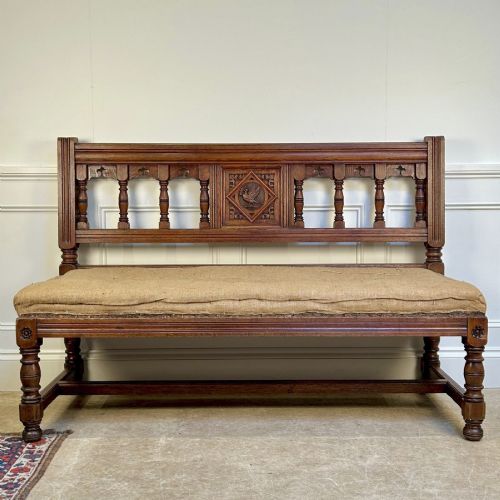
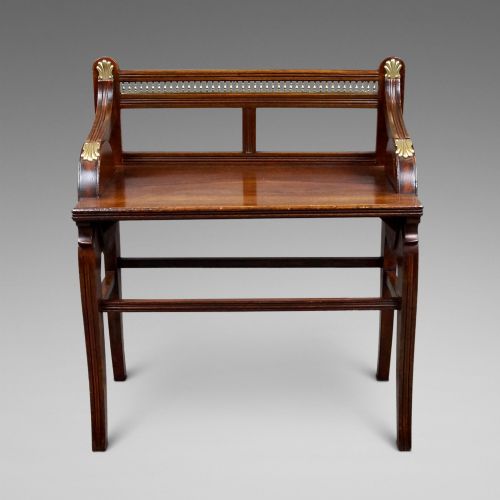
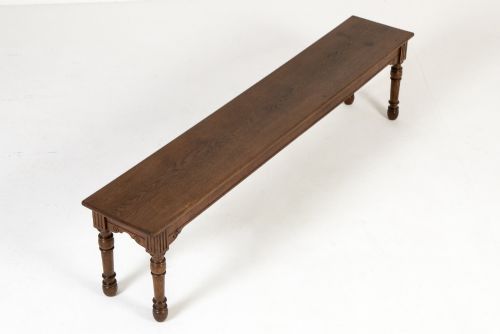
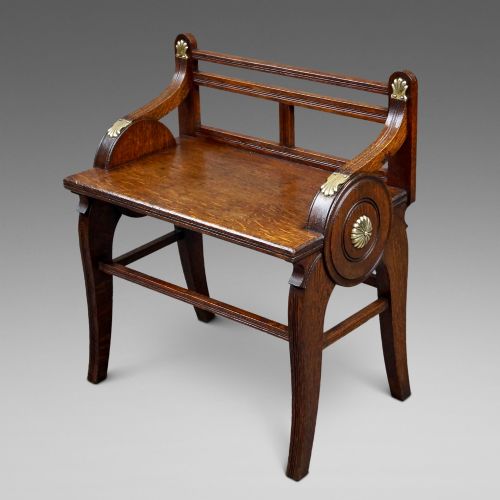
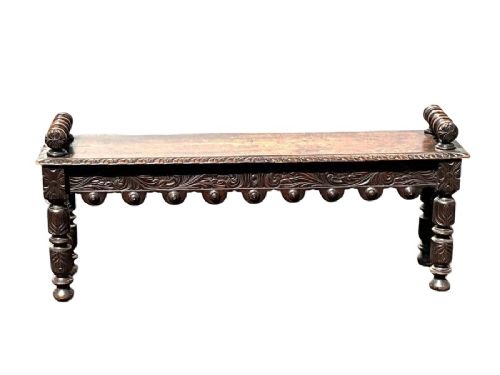
The selection ranges from sturdy oak hall benches and mahogany window seats to walnut stools and painted pine frames. Makers applied various regional styles, including Regency, Gothic Revival, Edwardian, and French Neoclassical.
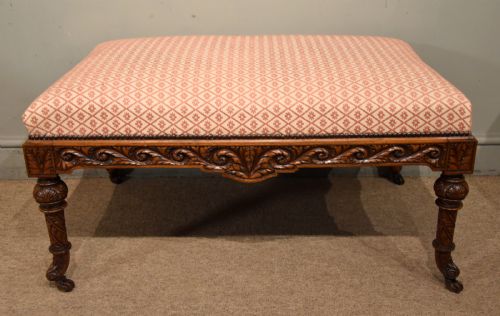
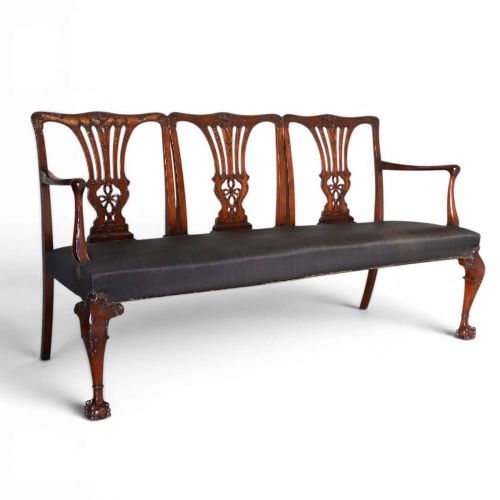
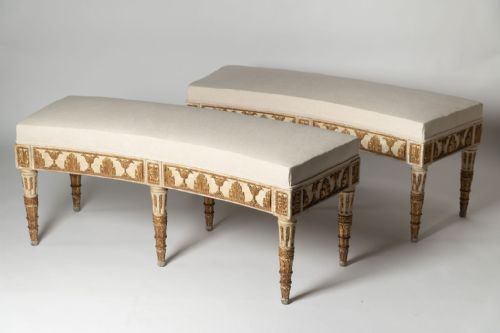
Buyers encounter forms varying from single stools and X-frame seats to longer settees intended for two or three occupants. Many pieces retain upholstered seats finished in fabric, silk, or linen.
How they were made
Cabinetmakers utilised solid timbers such as mahogany, oak, walnut, and rosewood for the structural frames, often shaping the wood with hand-carved details. Certain pieces incorporate secondary woods or painted finishes on pine.
Decorative elements include brass mounts, mother-of-pearl inlay, and turned or fluted legs that reflect the prevailing taste of the maker's period. Upholstery techniques rely on traditional webbing and stuffing secured beneath linen, silk, or modern replacement fabrics.
What varies in quality
The depth and crispness of the wood carving distinguish standard utility furniture from pieces produced by skilled cabinetmakers. Sharply defined ornament on the rails and legs indicates superior workmanship.
The integrity of the timber frame and the quality of the timber selection dictate durability. Pieces constructed from dense hardwoods with tight joinery maintain their structural stability better over generations of use.
Gillows·James Shoolbred & Co.
The Carved Wooden Window Bench Glossary
- X-frame
- A form of base or stool featuring intersecting diagonal legs that create an X shape from the side elevation. This classical structural device appears frequently on Regency and Empire window seats.
- Hall bench
- A sturdy wooden seat traditionally placed in an entrance hall, often combining storage capabilities or high carved backs. These pieces share forms with window seats due to their shallow depth.
- Settee
- A small upholstered sofa designed to seat two or more people comfortably. Several examples feature carved wooden frames in the manner of Chippendale or Edwardian makers.
- Gothic Revival
- A nineteenth-century design movement drawing inspiration from medieval architecture. Pieces in this style frequently display pointed arch motifs, heavy tracery, and solid oak construction.
- Gustavian
- The Swedish interpretation of French neoclassical design characterised by pale painted finishes and restrained classical carving. These seats often feature light colour palettes and slender tapered legs.
Carved Wooden Window Bench: Frequently Asked Questions
Where should I place a window bench?
These seats suit narrow spaces, hallways, and low window alcoves where standard chairs block the view or light.
Their shallow depth allows them to fit flush against walls or beneath sills without disrupting room flow.
How do I identify a Regency window seat?
Regency pieces often feature classical elements such as scroll arms, saber legs, or X-frame structures.
Mahogany remains the predominant timber for this period, frequently paired with restrained brass mounts.
Can I reupholster an antique bench?
Reupholstering is a common practice that allows owners to match modern interior colour schemes.
Traditional methods and materials preserve the character of older frames during the restoration process.