



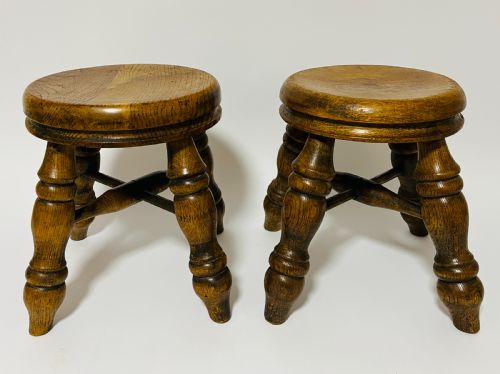


Small Turned Oak Stool
These small turned oak stool pieces combine solid timber and traditional joinery, offering practical character for everyday interior use.
Small Turned Oak Stool
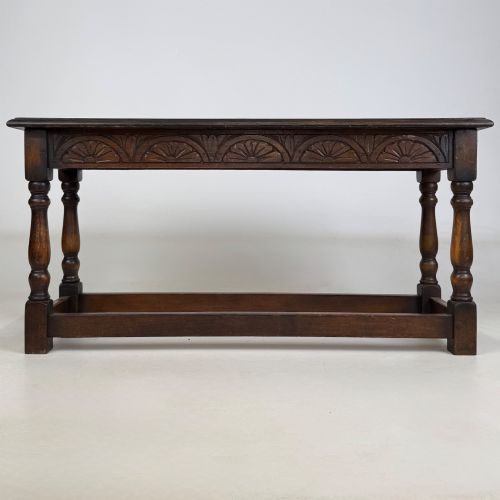
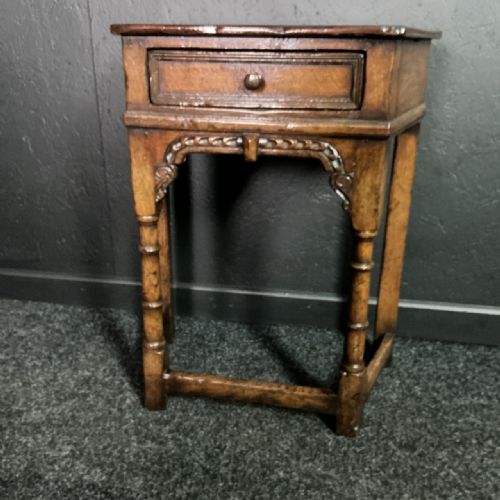
A small turned oak stool represents a compact seating form shaped by traditional domestic needs across several centuries. The selection ranges from early joint stools to Edwardian interpretations and country farmhouse versions.
Buyers frequently encounter examples spanning the seventeenth century through to the Edwardian period and nineteen-twentieth century revivals. These pieces often serve double duty as occasional tables, side surfaces, or low seats.
Materials and construction methods
Makers utilised solid oak alongside supporting timbers such as elm, ash, beech, and hardwood for frames and legs. Rush, cane, and tweed linen provide the seating surfaces on specific country and vernacular examples.
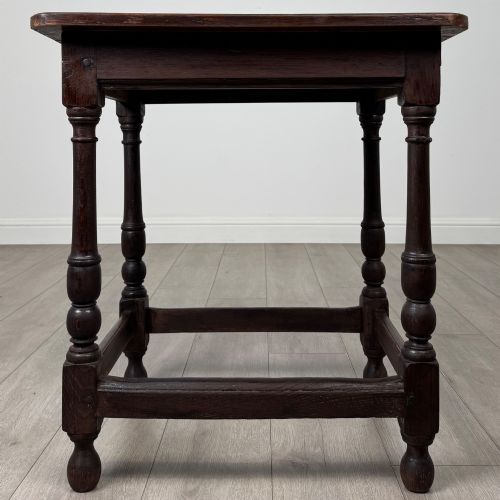
Turning techniques shape the legs and stretchers, creating bobbin and spindle details that define the aesthetic. Traditional joinery secures the framework without reliance on modern adhesives.
Listings feature oak alongside elm, ash, beech, and brass elements across nineteenth and twentieth century revival styles.
Quality factors in turning and timber
The precision of the wood turning and the integrity of the original joints dictate the structural grade of each piece. Crisp detail in bobbin or spindle work distinguishes finer workshops from simple utility items.
The character and figure of the oak timber, alongside the condition of rush or cane seating surfaces, separate standard regional examples from more refined historical interpretations.
The Small Turned Oak Stool Glossary
- Joint stool
- A solid wooden stool constructed with mortise and tenon joints rather than turned legs alone. These sturdy pieces date back to early domestic interiors.
- Bobbin turned
- A style of leg or stretcher shaped on a lathe to resemble a string of beads or bobbins. This decorative turning appears frequently on seventeenth century and revival pieces.
- Rush seat
- A woven seating surface made from dried marsh grasses twisted into cords. Country stools often utilise this material for flexibility and durability.
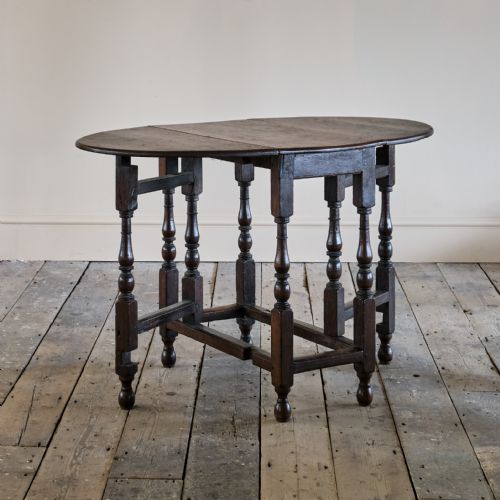
- Gateleg table
- A folding table with hinged flaps supported by swing legs. Several examples share space with stools in this category due to their compact dimensions.
Small Turned Oak Stool: Frequently Asked Questions
What is a joint stool?
A joint stool is a heavy timber seat constructed with pegged mortise and tenon joinery rather than glued joints. These items served multiple household duties in early rooms.
Their robust build allowed them to function as small tables or steps when needed.
How do I date an oak stool?
Dating relies on examining the tool marks, timber shrinkage, construction methods, and the style of the turning. Revival pieces from the Edwardian era often mimic earlier seventeenth century details.
Comparing the wear patterns and wood patination helps clarify the age of the piece.
Were these stools used for sitting?
Many served as everyday seating around the hearth or table in country homes. Others functioned as milking stools or low nursery seats.
Their small footprint made them easy to move about the room as required.
Can I use these as side tables?
The flat timber tops make them suitable for use as compact side tables or plant stands. Their sturdy construction easily supports small lamps and books.
Many buyers choose to place them beside armchairs for convenient surface space.