
Victorian Wooden Server Table
A victorian wooden server table brings solid nineteenth-century character and practical surface space to a dining room or hallway.
Victorian Wooden Server Table
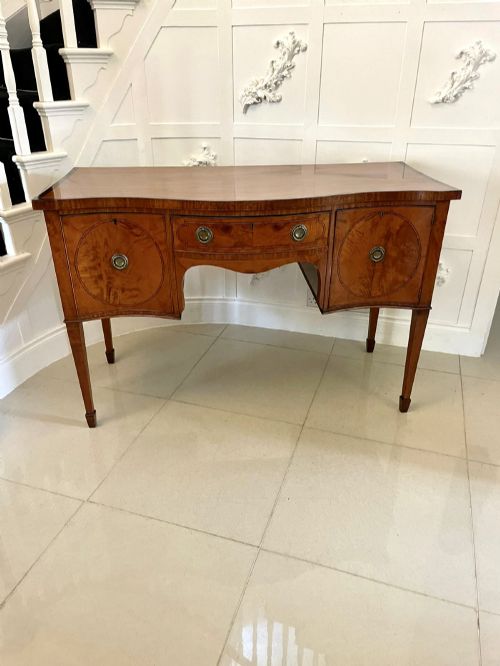
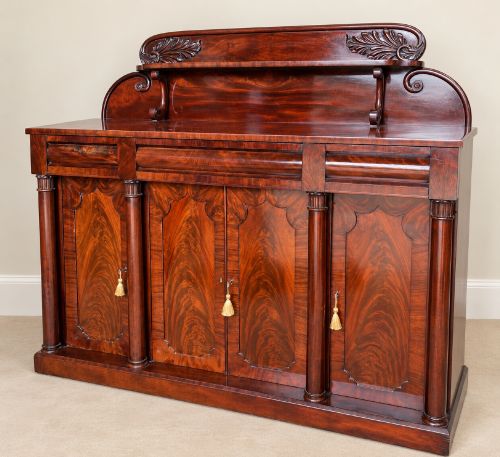
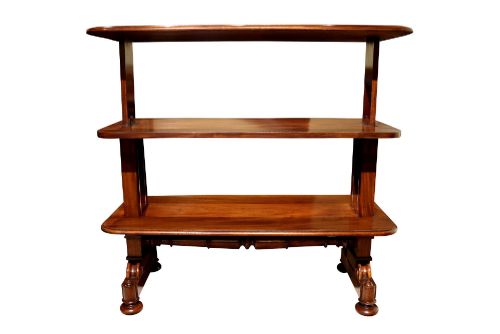
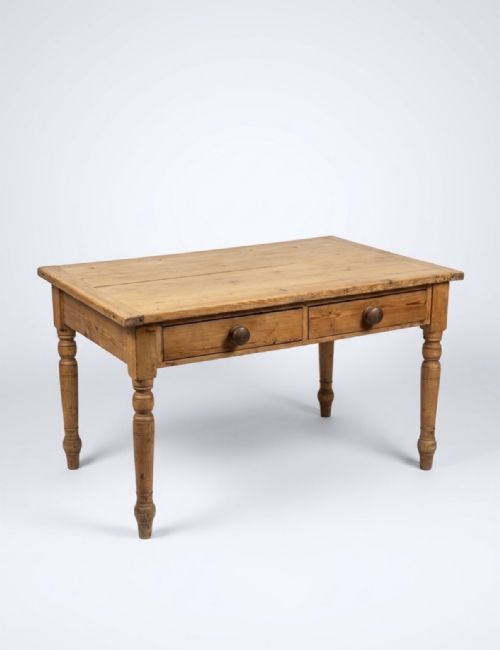
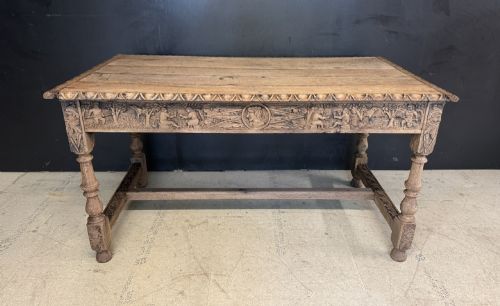
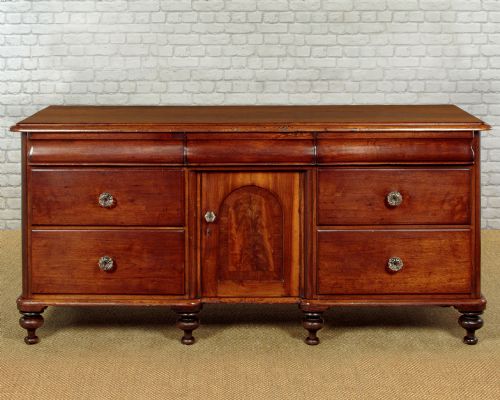
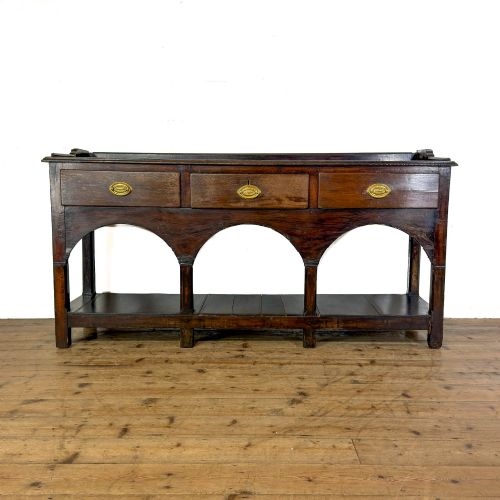
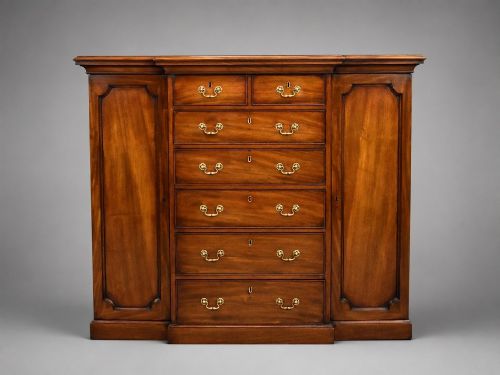
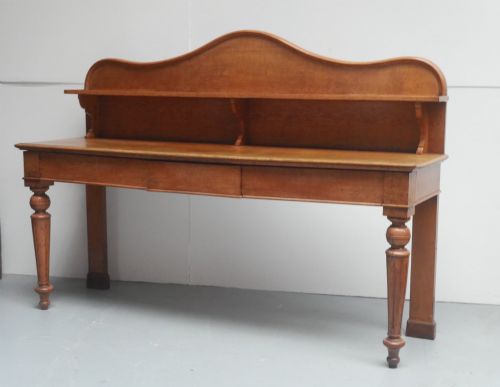
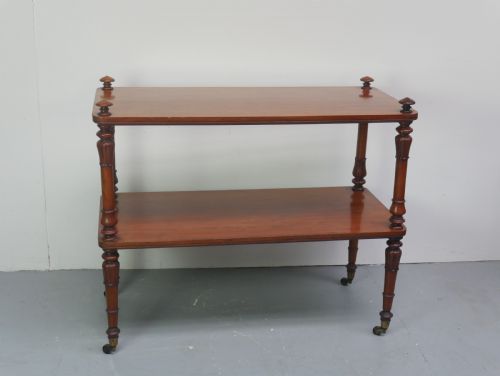
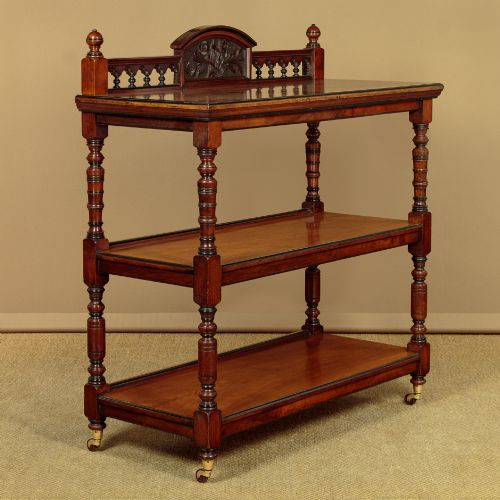
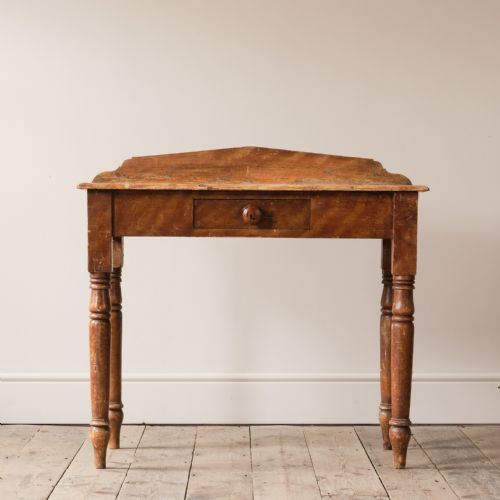
When searching for a victorian wooden server table, buyers encounter a diverse selection of nineteenth-century sideboards, serving tables, and multi-tiered buffets designed for domestic hospitality. The pieces appearing here span from early Victorian iterations to late nineteenth-century country house examples, reflecting the practical needs of period dining rooms.
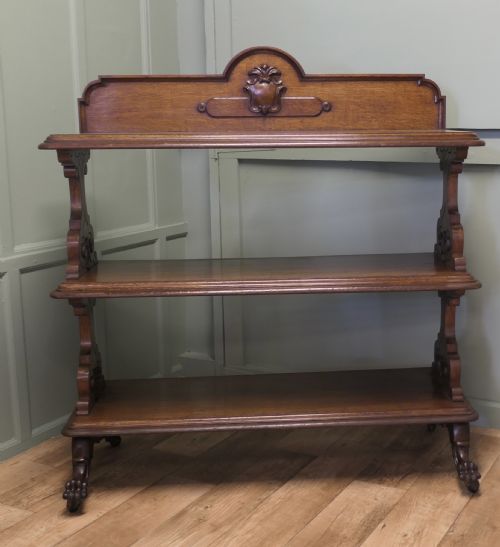
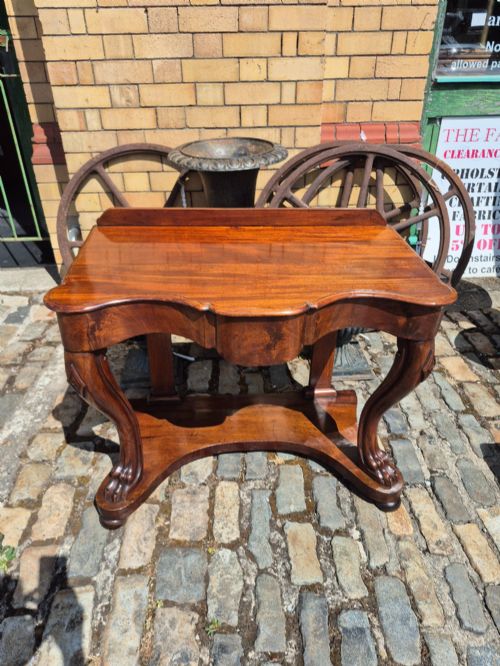
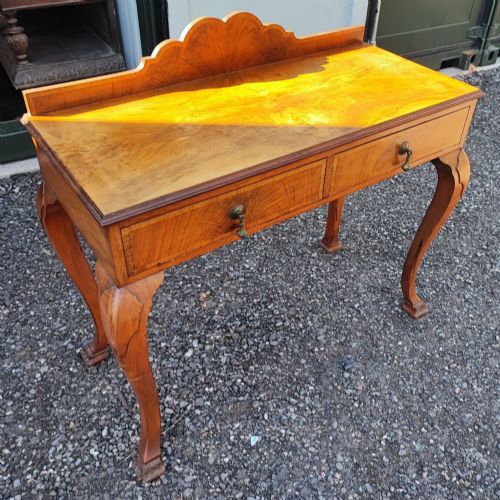
The most frequent forms include mahogany and oak serving tables alongside walnut and pitch pine sideboards, often featuring useful drawers or tiered shelves. These items served functional roles in large households, functioning as staging surfaces for meals or storage for dining silver and linen.
Origins stretch from formal English workshops to regional country kitchens, encompassing styles such as Gothic Revival, Aesthetic Movement, and Victorian Country. Selecting the right piece involves matching the timber tone and proportions of the server to the intended room.
Materials and construction
Cabinet makers relied heavily on dense hardwoods like mahogany, walnut, and oak to build durable frames capable of holding heavy serving dishes. Secondary timbers such as pine and pitch pine frequently appear in structural carcases and drawer linings.
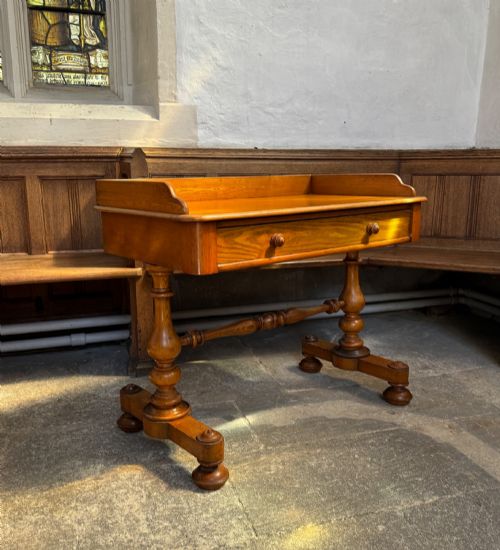
Construction techniques include hand-cut dovetailing for drawers and mortise and tenon joints for sturdy leg and frame assemblies. Many pieces incorporate carved decorative elements, turned supports, and original brass castors for mobility.
The listings span the nineteenth century, featuring oak, mahogany, walnut, and pitch pine across styles from Gothic Revival to Aesthetic Movement.
Assessing quality
Quality in a serving table or buffet is largely determined by the selection of timber and the crispness of any carved detailing. Finer examples display carefully figured veneers, solid secondary woods, and well-executed joinery that remains stable over centuries.
Gillows·W Williamson & Sons of Guildford·LIBERTY
The Victorian Wooden Server Table Glossary
- Buffet
- A sideboard or set of shelves used for food storage and serving during meals. These often feature multiple tiers or cupboards.
- Dovetail
- A traditional joint formed by interlocking wedge-shaped fingers, used extensively in drawer construction for strength. It indicates quality cabinet making.
- Pollard oak
- Oak timber taken from trees that were cut back to the trunk to encourage dense, knotty branch growth. This produces highly decorative veneer patterns.
- Serpentine
- A furniture front or edge shaped with a convex centre flanked by concave curves. This contour requires skilled hand-shaping.
- Tiered
- Having multiple levels or shelves arranged one above another, commonly seen on serving tables and dumb waiters. This maximises display and storage capacity.
Victorian Wooden Server Table: Frequently Asked Questions
What rooms suit a wooden server?
These tables find a natural home in dining rooms, where they function as auxiliary surfaces for serving food and displaying silver. They also sit comfortably in larger hallways or living spaces as substantial console tables.
The deep proportions and generous timber tops provide ample space for lamps, books, or decorative objects without dominating the room.
How do I care for antique timber?
Protect the wood by keeping tables away from direct heat sources and sudden humidity changes that cause timber to split. Regular dusting with a soft, dry cloth preserves the polished finish.
Applying a traditional beeswax periodically nourishes the wood and maintains a soft sheen without building up heavy chemical layers.
Were these tables used for dining?
Victorian serving tables and buffets acted as staging posts for meals before dining cars or modern kitchen layouts became common. Servants placed dishes, cutlery, and wine upon them away from the main dining table.
Over time, many transitioned into decorative furniture as household habits and interior layouts shifted away from formal service.
How do I spot an earlier piece?
Early Victorian and pre-Victorian pieces often display heavier mahogany construction, hand-cut joinery, and simpler classical proportions. Later nineteenth-century items frequently embrace diverse styles like Gothic Revival or Aesthetic Movement.
Examining the drawer construction and timber grain helps distinguish mid-nineteenth-century examples from later country workshops.