



Antique Red Painted Table
An antique red painted table brings bold colour and surface pattern into a room through centuries of cabinet-making traditions.
Antique Red Painted Table
When searching for an antique red painted table, buyers encounter a diverse selection ranging from utility furniture to decorative display pieces. The items listed span centuries of production, highlighting forms such as side tables, nests of tables, console tables, and dining tables.
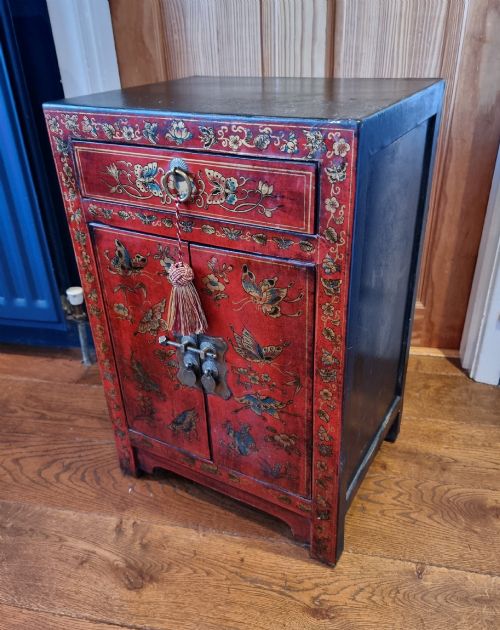
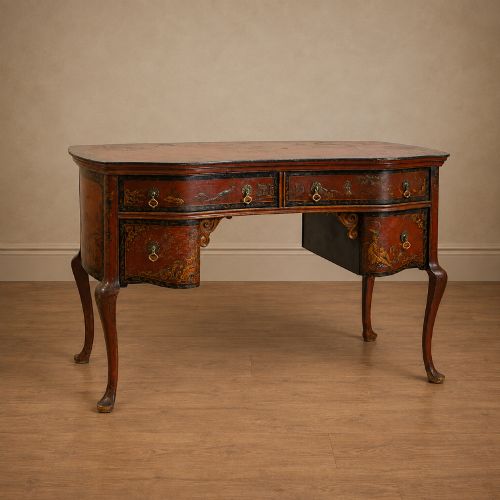
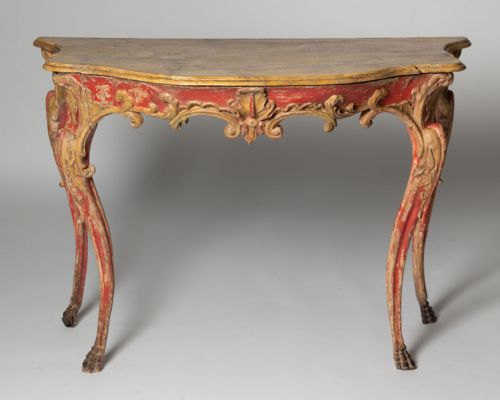
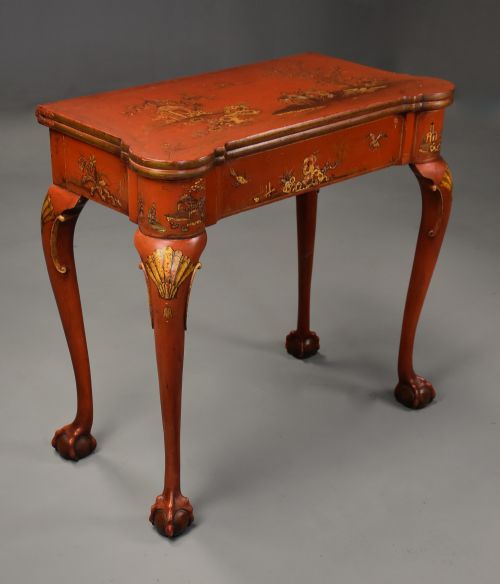
The aesthetic leans heavily towards specific regional decorative schemes rather than plain joinery. Pieces frequently surface in Chinoiserie lacquered finishes, Scandinavian country styles utilising traditional red paint, and Italian polychrome or faux porphyry treatments.
Origins stretch across Europe and Asia, uniting Welsh pine tavern furniture, French garden pieces, and Japanese or Burmese lacquerware under a single colour banner. Buyers are most likely to meet 19th-century pine bases with original red paint or early 20th-century Chinoiserie and lacquered occasional tables.
Materials and Construction
Construction relies primarily on timber substrates such as solid pine and various hardwoods, which provide stable foundations for decorative surface treatments. Joinery methods match the period of origin, from traditional pegged joints in country tavern tables to precise frames in nest sets.
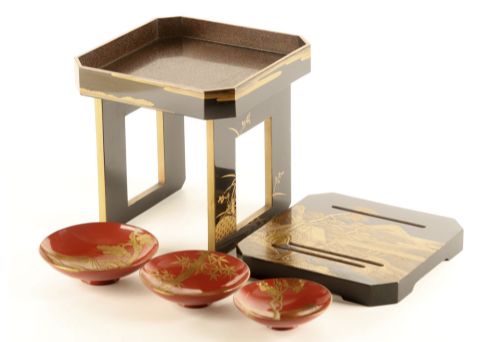
The distinctive red appearance stems from diverse finishing techniques including traditional oil paint, heavy lacquer, and applied pigments like Falu paint. Artisans built up layers of colour, occasionally incorporating gold leaf or hand-painted Chinoiserie motifs over the base coat.
A cardinal enjoys a quiet moment at a table in one oil painting, sharing space with centuries of lacquered wood.
Assessing Quality
Quality rests upon the integrity of the original surface and the skill of the hand-painted or lacquered decoration. Tables retaining their early or original red paint without extensive modern overpainting command greater interest from collectors.
Structural proportion and the crispness of decorative detail separate standard utilitarian items from finer examples. Well-executed Chinoiserie scenes or robustly framed tavern tables display a precision in craftsmanship that elevates the piece beyond basic utility.
Richard Ginori·Frank Moss Bennett·Moorcroft
The Antique Red Painted Table Glossary
- Lacquered
- Finished with multiple coats of resin or varnish that are polished to a hard, smooth sheen. This technique protects the timber and allows for rich surface decoration.
- Console table
- A table designed to stand against a wall, frequently supported by wall brackets or decorative legs. These items often feature marble or painted tops.
- Refectory table
- A long dining table historically used in communal dining halls. Examples in the evidence utilise sturdy pine construction.
- Falu paint
- A traditional deep red paint originating in Sweden, composed of water, flour, linseed oil, and copper mining residue. It preserves wood effectively and gives a characteristic matte finish.
Antique Red Painted Table: Frequently Asked Questions
How do I care for an antique red painted table?
Protect the surface from direct sunlight and excessive moisture to prevent the paint or lacquer from fading or lifting. Dust gently with a dry, soft cloth and avoid chemical polishes that might damage historic finishes.
Maintain stable indoor humidity levels to stop the underlying wood from expanding or contracting. This prevents cracking in both the timber and the decorative layers above it.
Are these tables suitable for everyday use?
Many sturdy examples, such as pine tavern or refectory tables, function well for daily dining or working. Lighter decorative items like nests of tables or lacquered card tables require a more cautious approach to avoid scratching the finish.
Use coasters and placemats on any antique surface to guard against heat marks and spills. Treating the furniture with care ensures the historical finish survives for future generations.
How can I tell original paint from later decoration?
Original paint typically shows natural wear patterns, craquelure, and integration with the underlying wood that modern repainting cannot easily replicate. Examination under magnification often reveals age-related micro-cracks penetrating all layers of the finish equally.
Look for consistency in the wear around edges and high-touch areas where daily use naturally removes pigment. Restoration work often appears cleaner and lacks the cumulative grime settled in the crevices of genuine period surfaces.
What is the difference between lacquer and painted finishes?
Lacquer involves building up many thin layers of resin or sap that are meticulously dried and polished to create a hard, glossy surface. Paint relies on pigments suspended in a liquid binder such as oil or water, applied to sit on top of the wood.
Lacquered pieces often display an Asian influence, such as Chinoiserie scenes built up in low relief. Painted finishes tend to have a more matte texture, characteristic of European country furniture.