


Victorian Wooden Mirror
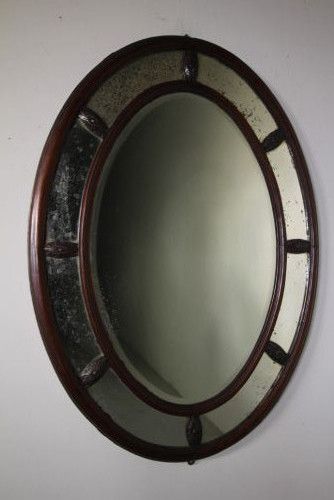
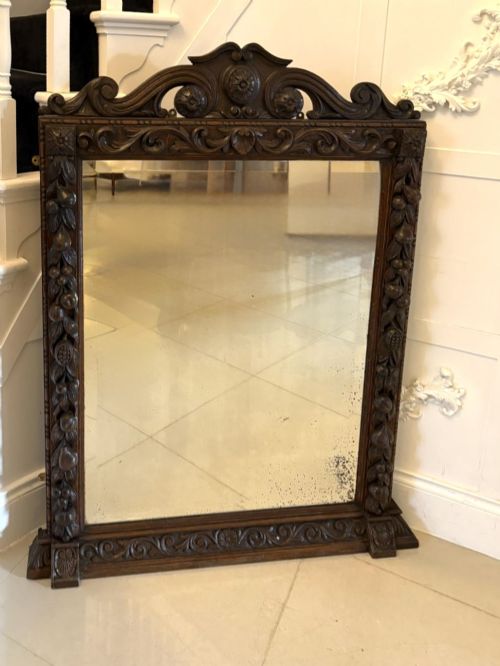
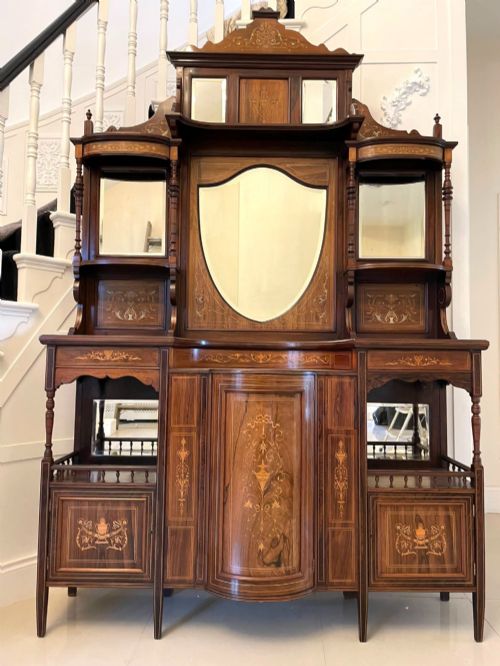
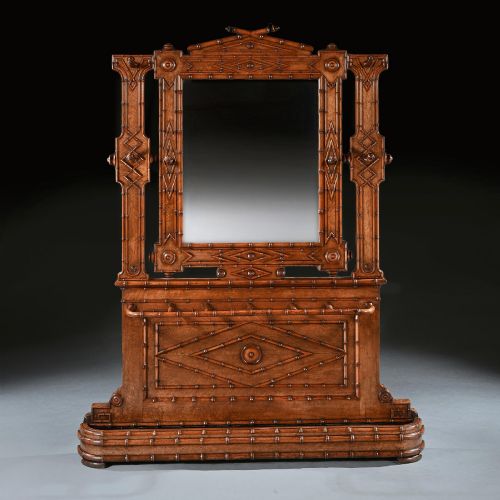
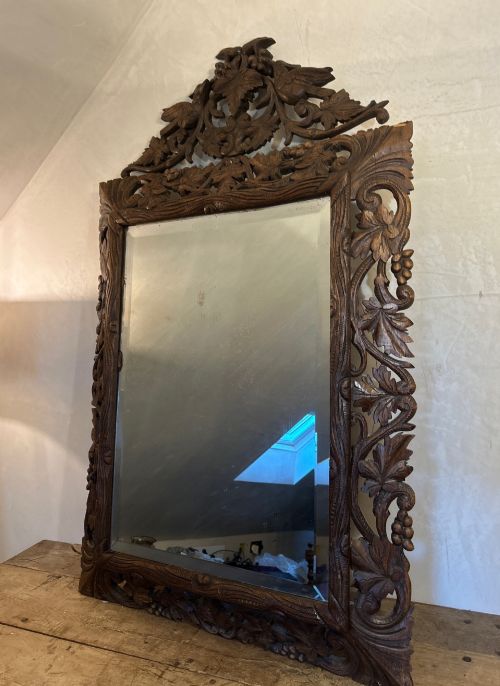
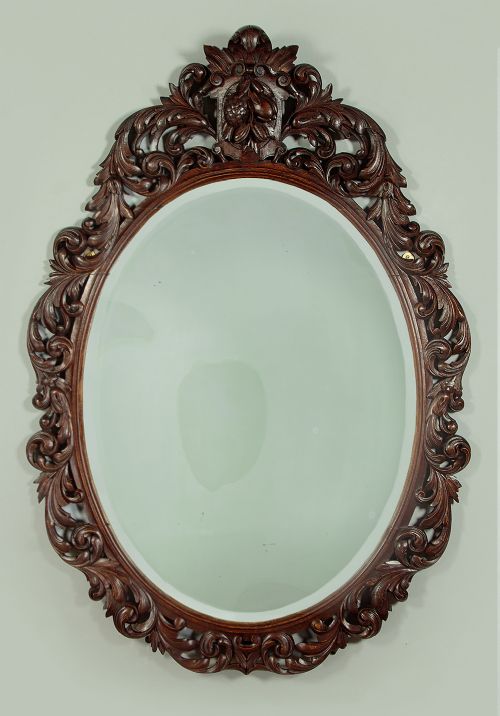
These pieces deliver the rich timber grain and carved detail that define a victorian wooden mirror.
Victorian Wooden Mirror
A victorian wooden mirror brings domestic reflection into focus through solid timber frames and substantial glass plates. These objects emerge from nineteenth-century workshops as wall-hanging pieces, overmantels, and cheval dressings.
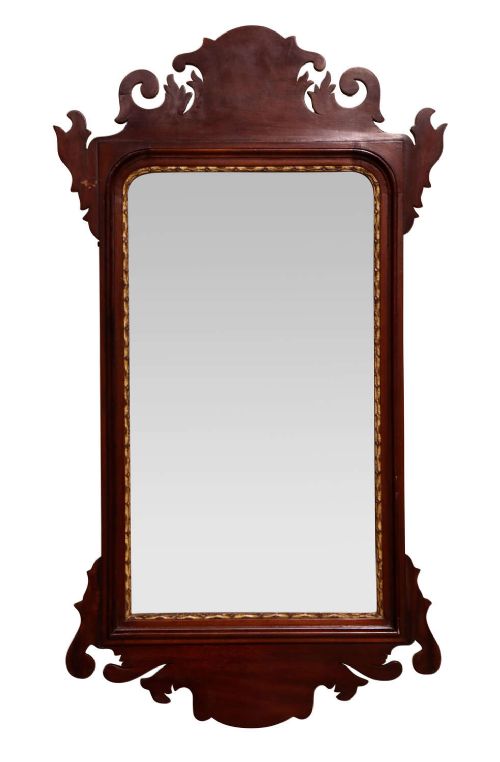
The selections span simple rural pine and oak frames alongside heavily carved walnut and mahogany wall mirrors. Many items reflect the revival styles of the period, drawing on Chippendale, Rococo, and Renaissance motifs.
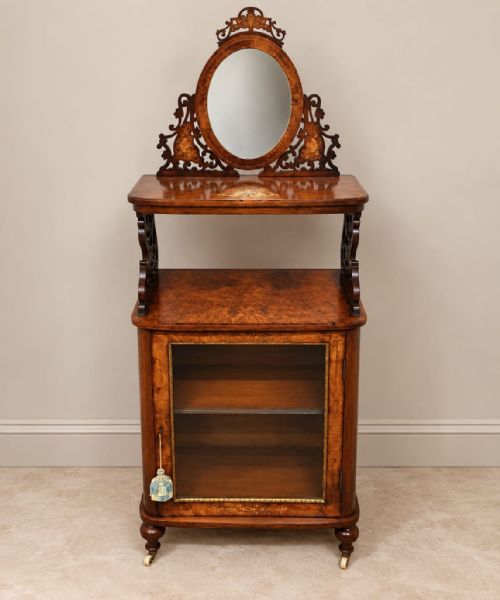
Buyers encounter everything from compact hall mirrors with integrated shelves to massive overmantels designed for grand chimney breasts. The timbers range from pale golden oak to dark polished mahogany and figured burr walnut.
Materials and Construction
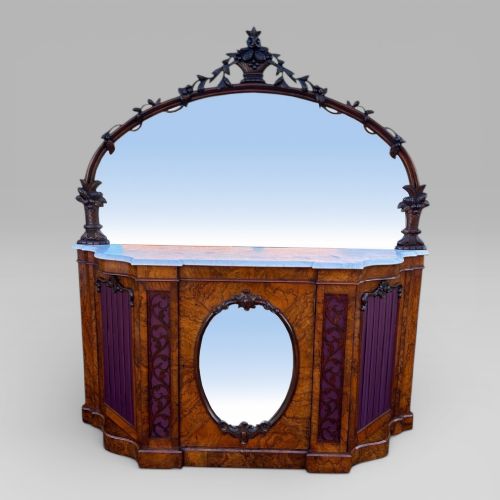
Cabinet makers utilised native and imported hardwoods, selecting oak, mahogany, walnut, and pine for structural frames and decorative veneers. Timber sections were joined with traditional joinery before carvers applied intricate foliage, scrolls, and fretwork patterns directly into the solid wood.
Glass plates were silvered and secured into rebates behind wooden mouldings, often accompanied by gilt gesso enrichment or brass hanging hardware. Surface finishes relied on hand-applied wax, polish, or varnish to protect the grain while accentuating natural colour variations.
Several mirrors arrive with hidden compartments or secret stationery ledges built quietly behind the wooden framing.
Judging Quality
Quality rests in the depth of the carving and the selection of timber figures, such as burr walnut or figured mahogany. Superior examples display crisp hand-carved detail without mechanical tooling marks and maintain original mirror glass with appropriate ageing.
The integrity of the wooden frame, the weight of the timber, and the harmony of proportion distinguish master workshop pieces from standard commercial production. Secondary woods and backing boards should match the period of manufacture.
Edwards and Roberts·Heal and Sons·Holland and Sons·P and MA Nicholson
The Victorian Wooden Mirror Glossary
- Overmantel mirror
- A large horizontal mirror designed specifically to hang on the wall directly above a fireplace mantelpiece. These pieces often feature architectural columns or elaborate gesso carvings.
- Cheval mirror
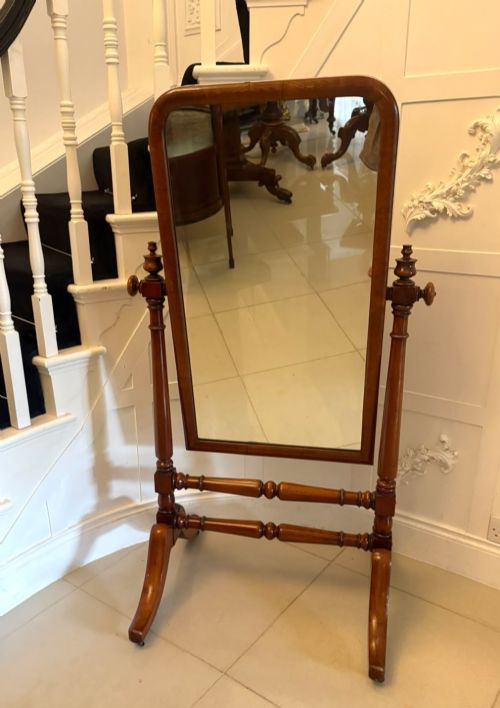
- A full-length dressing mirror suspended on a vertical swivelling frame between two upright posts. This freestanding form allows the glass to tilt at various angles.
- Burr walnut
- A prized timber veneer harvested from walnut tree growths that display complex, swirling grain patterns. Cabinet makers applied these decorative veneers to prominent surfaces of high-end furniture.
- Fretwork
- Openwork ornamentation cut from thin wood using a saw, creating delicate geometric or scrolling patterns. Victorian Chippendale style mirrors frequently utilise this technique on their outer frames.
- Gesso
- A plaster-like mixture applied to wooden frames as a smooth base for gilding or paint. Artisans carved intricate relief details directly into the dried gesso layer.
Victorian Wooden Mirror: Frequently Asked Questions
How do I hang a heavy wooden mirror?
Heavy nineteenth-century mirrors require secure fixings anchored directly into wall studs or masonry using appropriate steel brackets. Professional installation ensures the substantial weight of the timber frame and glass is safely supported.
Position the mirror at a height that reflects eye level or balances the surrounding furniture proportions. Check that the original hanging rings or wires on the back remain structurally sound before mounting.
How should I clean the wooden frame?
Dust the timber regularly with a soft, dry cloth to prevent particulate buildup in carved crevices and joints. Avoid modern liquid polishes containing silicone, which can damage historic wax and varnish finishes.
Apply a quality beeswax sparingly once or twice a year to nourish dry hardwoods and maintain a gentle sheen. Buff the surface gently after application using a clean cotton cloth.
How do I spot original mirror glass?
Original nineteenth-century glass often exhibits subtle imperfections, tiny dark oxidation spots, and faint distortion when viewed at an angle. These characteristics result from historical manufacturing methods before modern float glass production.
Replacement glass typically appears entirely flat, uniform, and free from age blemishes. Inspect the rear edges and backing boards to see if the glass has been re-secured over time.
What is a compactum wardrobe?
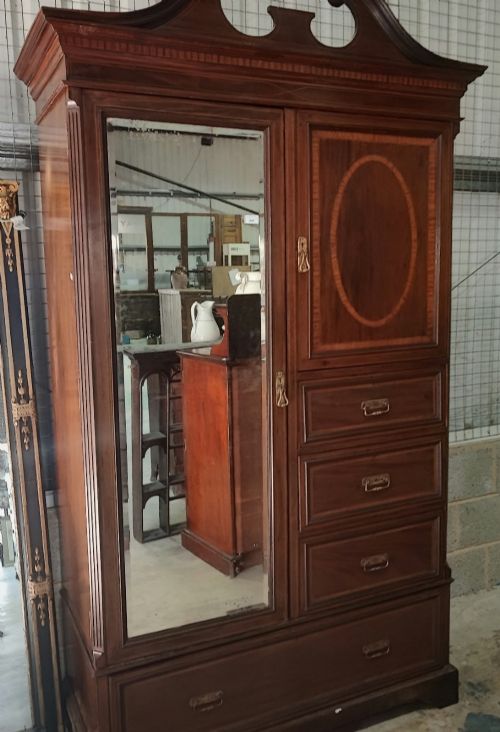
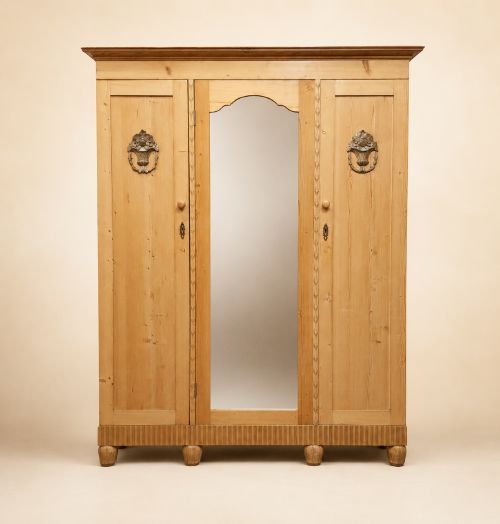
A compactum is a large multi-functional wardrobe designed to provide comprehensive storage within a single fitted unit. These pieces typically combine hanging space with linen shelves and internal drawers.
Many examples incorporate central mirrored doors that serve the dual purpose of garment inspection and light distribution in a bedroom.