
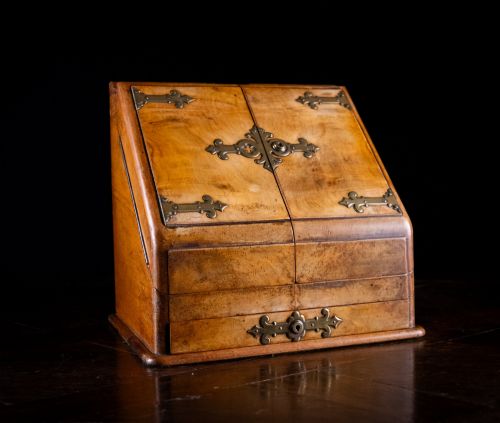


Victorian Wooden Desk
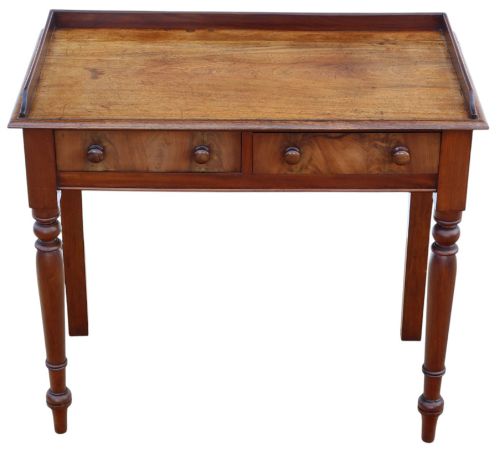
A victorian wooden desk provides a sturdy working surface shaped by nineteenth-century carpentry and domestic use.
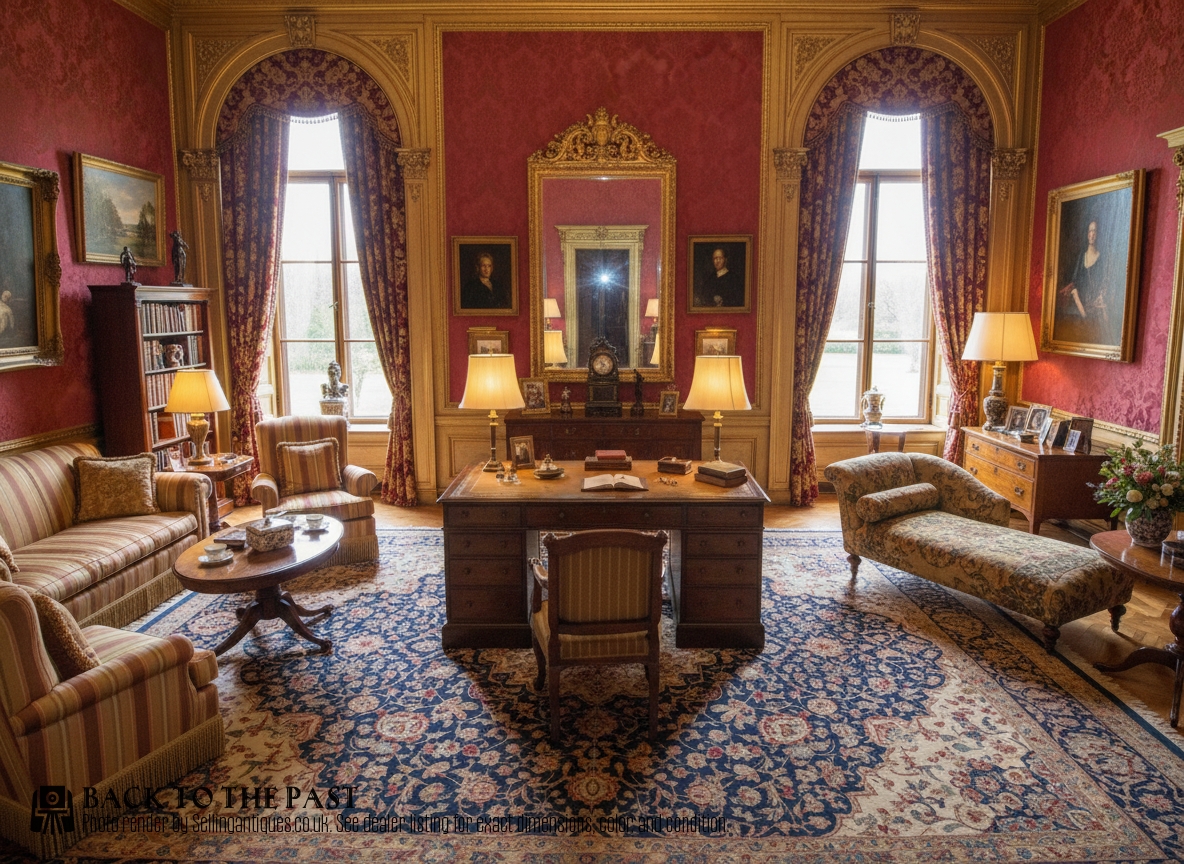
Victorian Wooden Desk
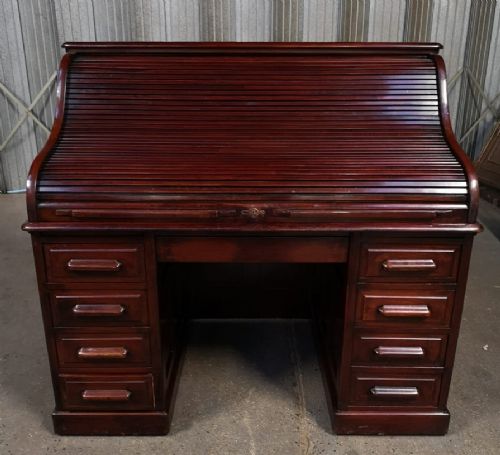
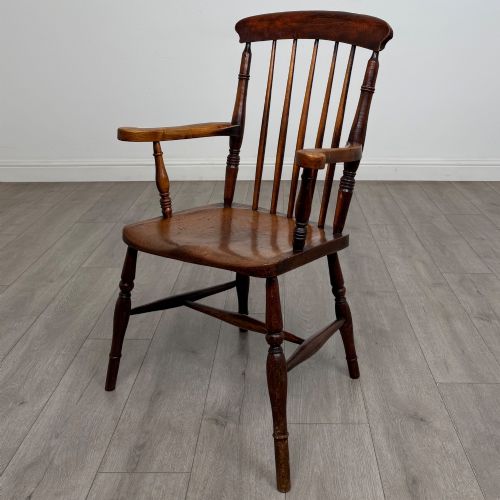
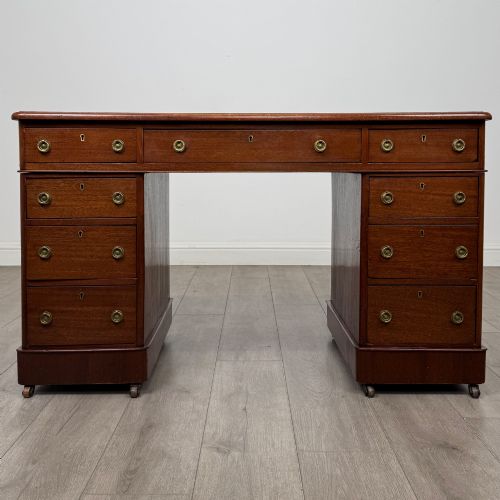
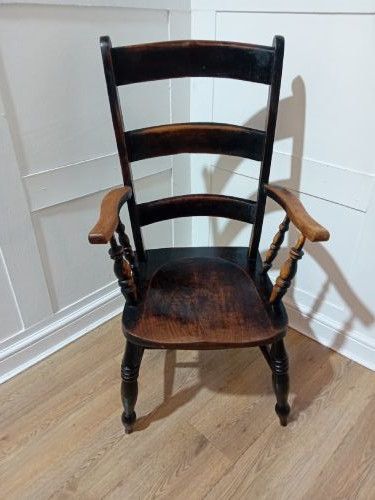
When you search for a victorian wooden desk, you encounter substantial writing tables, pedestal desks, and roll-top forms designed for study and correspondence. The examples most frequently met here span the nineteenth century, including vernacular country pieces and formal town furniture.
These items served professionals, scholars, and households as dedicated stations for letter writing, accounts, and administration. They range from compact kneehole configurations to grander architectural forms incorporating drawers and compartments.
How they were made
Cabinet makers utilised dense hardwoods such as mahogany, oak, and walnut, often pairing them with secondary timbers like elm, beech, and ash for structural framework and drawer linings. Surface detailing frequently involved brass hardware, leather writing inserts, and burr veneers.
Joinery relied on traditional methods including dovetailing for drawer construction and mortise and tenon frames, ensuring durability across decades of daily operation. Finishes were applied through hand-rubbed polishes that enhanced the natural grain of the wood.
The furniture spans Victorian, Edwardian, and Arts and Crafts styles, alongside Gothic Revival designs.
What varies in quality
The standard of a piece is determined by the selection of timber and the precision of the cabinet work, particularly in the smoothness of drawer operation and the integrity of the joints. Higher grade examples display carefully matched veneers and subtle carved or inlaid details rather than mass-produced ornamentation.
Proportion and balance distinguish finer workshop production from simpler vernacular items, where timber selection was governed strictly by local availability. Original surfaces and untouched brass furniture hold greater appeal for collectors than heavily restored examples.
The Victorian Wooden Desk Glossary
- Pedestal desk
- A form comprising two banks of drawers supporting a single desktop surface. This layout provides generous storage beneath the working area.
- Roll-top desk
- A writing desk featuring a slatted tambour shutter that pulls down to conceal the pigeonholes and drawers. It protects the contents when not in use.
- Kneehole desk
- A compact desk design with a central recess for the sitter's legs, flanked by pedestals of drawers. It offers an efficient footprint for smaller rooms.
- Writing slope
- A portable or table-standing box with a slanted lid lined for writing. Interior compartments hold inkwells and stationery.
- Dovetail
- A joint formed by interlocking wedge-shaped fingers, prized in drawer construction for its mechanical strength and resistance to pulling apart.
Victorian Wooden Desk: Frequently Asked Questions
How do I care for a nineteenth-century wooden desk?
Keep wooden surfaces away from direct heat sources and strong sunlight to prevent the timber from drying out and cracking. Dust regularly with a soft cloth and apply quality beeswax periodically to nourish the finish.
Avoid commercial liquid polishes containing silicones, which can build up over time and damage traditional polish surfaces.
Are these desks suitable for daily modern use?
Many nineteenth-century writing pieces accommodate contemporary working habits, particularly pedestal and partner configurations that offer ample surface area. However, drawer dimensions may require checking if you intend to store modern stationery supplies.
Their sturdy timber construction ensures they withstand regular daily administration just as they did in the nineteenth century.
How can I tell the period of a wooden desk?
Examine the construction methods visible within the drawer interiors, such as hand-cut dovetails and the choice of secondary woods. Secondary timbers and hardware styles often provide reliable clues to the decade of manufacture.
Stylistic markers like Gothic Revival motifs or Arts and Crafts simplicity also help narrow down the date alongside any maker stamps.