


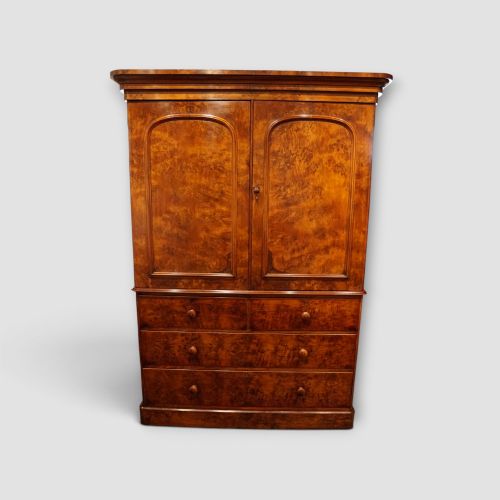
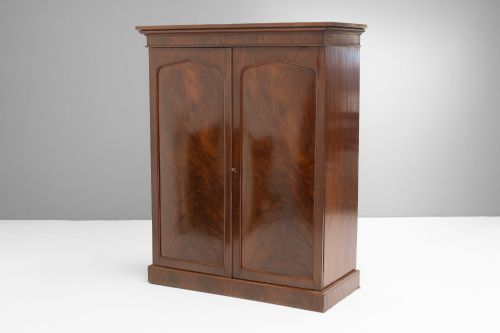
Victorian Wooden Cupboard
A victorian wooden cupboard brings nineteenth-century utility and solid timber construction into domestic rooms.
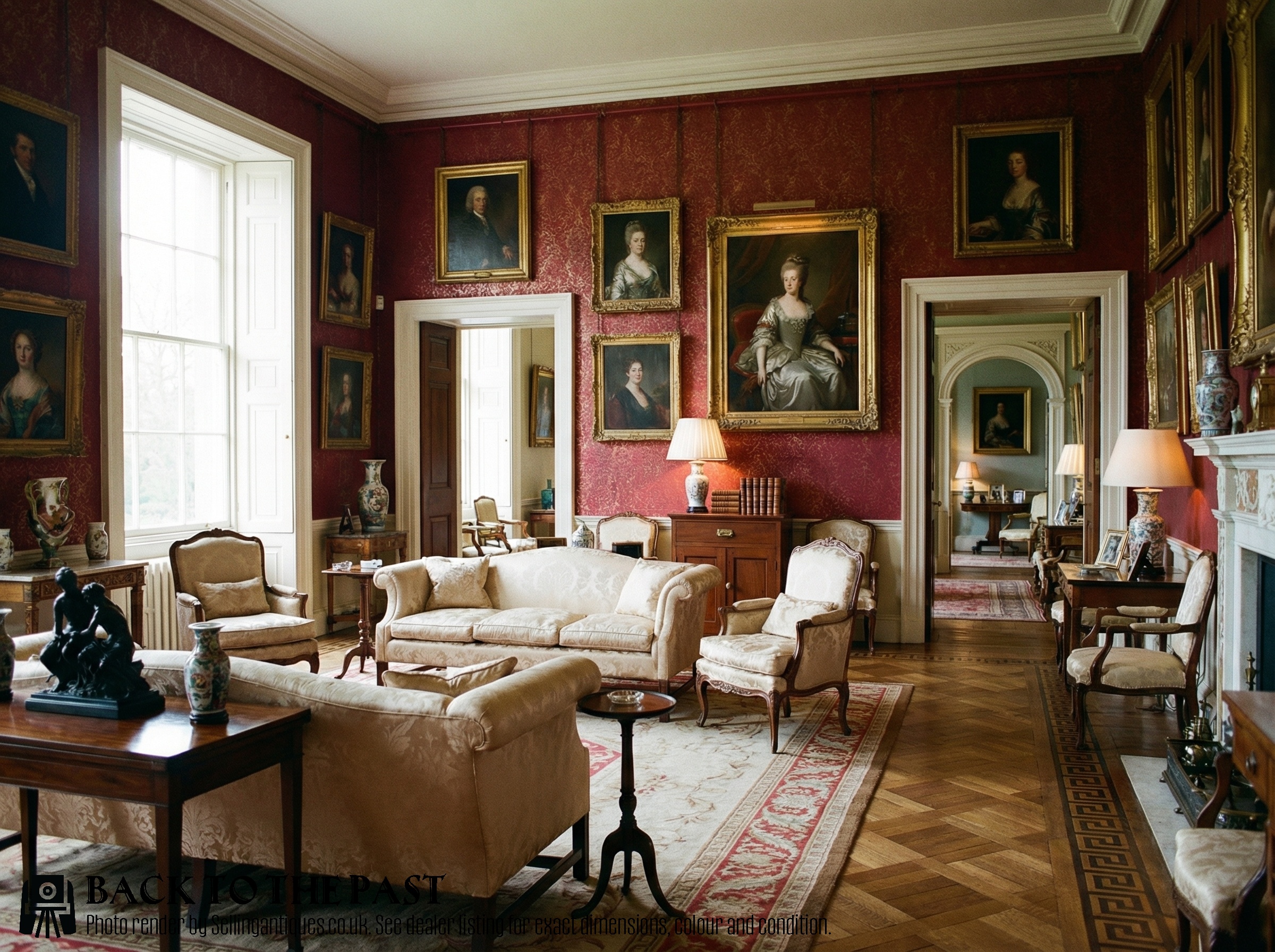
Victorian Wooden Cupboard
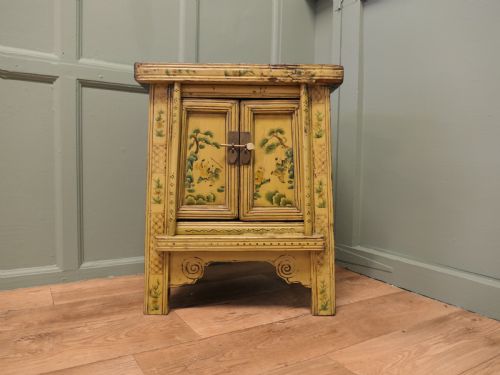
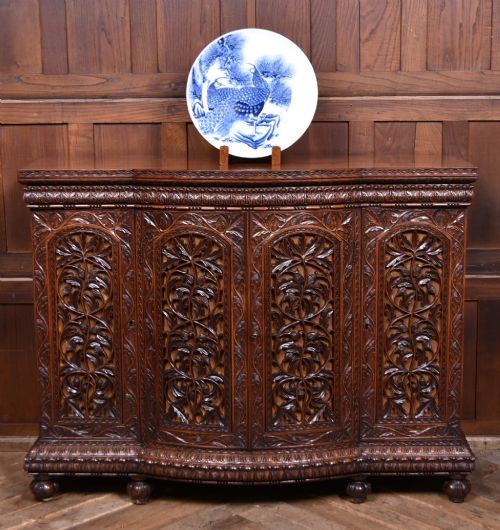
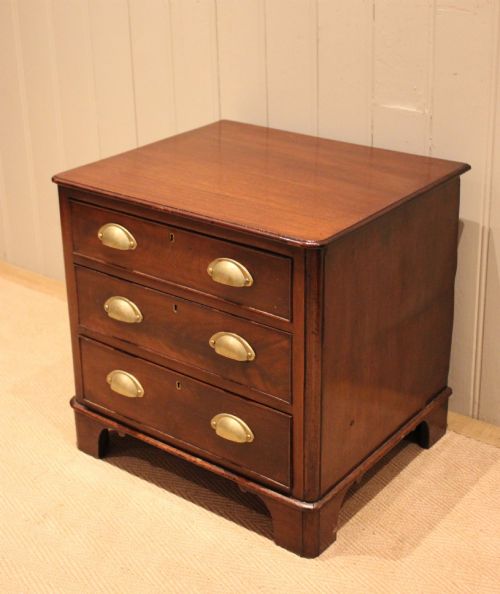
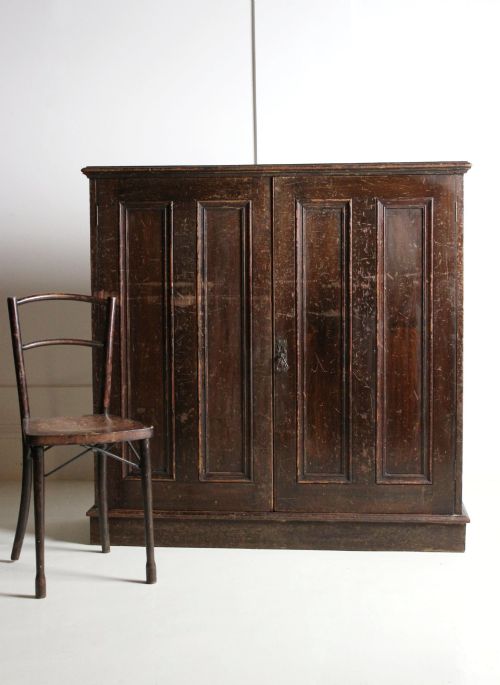
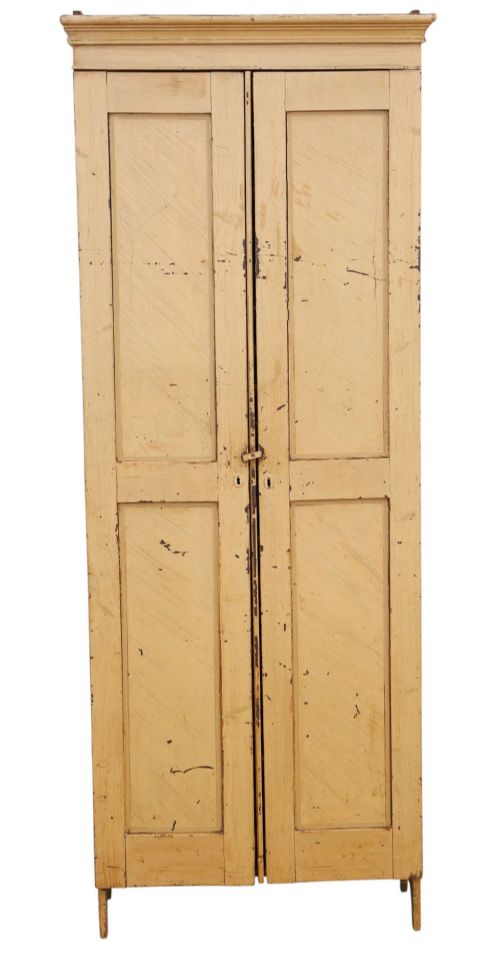
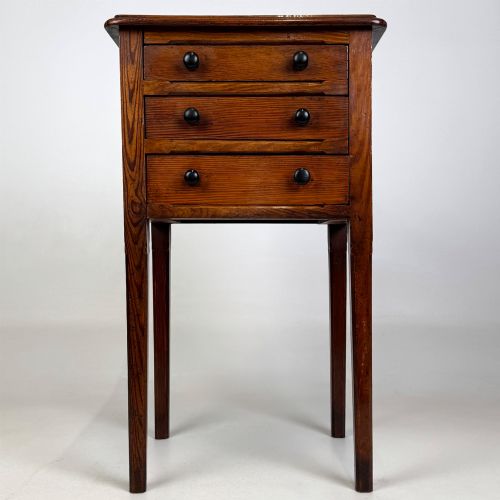
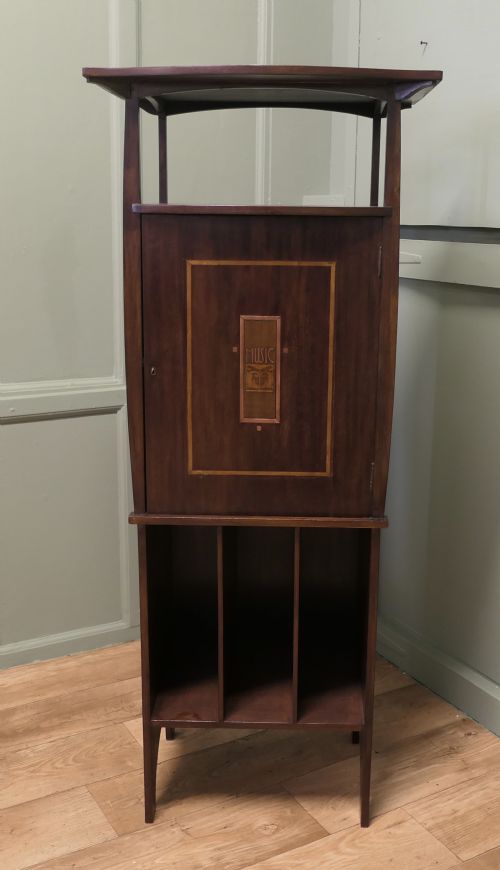
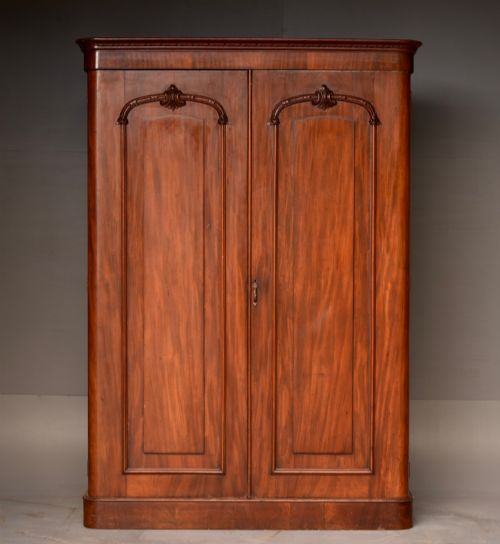
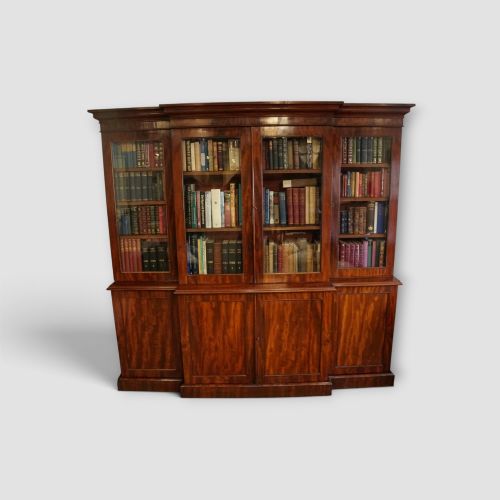
A victorian wooden cupboard encompasses diverse domestic storage forms built during the nineteenth century, including pot cupboards, bedside cabinets, kitchen housekeepers' cupboards, and larger two-door units. These pieces range from simple utilitarian pine furniture to more ornate mahogany and burr walnut examples fitted with doors, shelves, and drawers.
The version most commonly met on this page is the functional pine or mahogany kitchen or bedroom cupboard, often standing on bun feet or raised bases. Pieces span the nineteenth century and extend into the Edwardian period, reflecting both rural vernacular styles and formal urban cabinet-making.
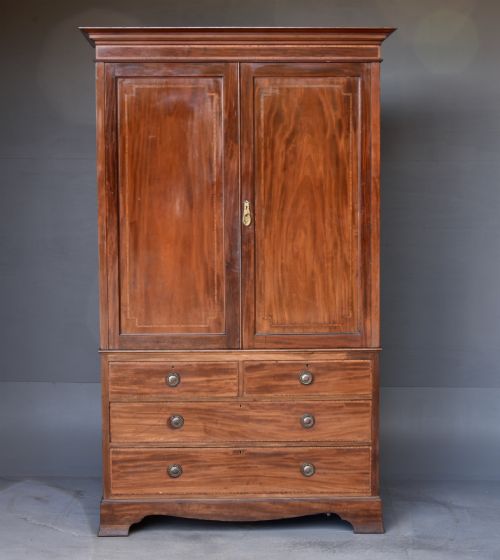
Makers and workshops across Britain and Europe produced these storage items for varied domestic spaces, utilising native and imported timbers. Collectors encounter forms varying from single-door bedside pieces to large linen presses and multi-drawer banks.
Materials and Construction Techniques
Makers utilised a combination of softwoods and hardwoods, constructing carcasses in pine, oak, ash, and mahogany, with specific pieces enhanced by burr walnut, satinwood, and padouk veneers. Surfaces frequently received wax finishes, paint layers, or scumble faux oak treatments to imitate higher-status grain.
Joinery techniques relied on traditional methods such as dovetailing for drawer construction and mortise and tenon joints for frames. Brass hardware, including drop handles and escutcheons, was fitted alongside original glass panels in glazed cabinet doors.
Victorian Wooden Cupboard Retail Price Guide 2026
Typical asking prices for victorian wooden cupboard among the pieces listed under this phrase on Sellingantiques today, from the lower quarter to the upper quarter. They describe what is for sale here now, not the wider market.
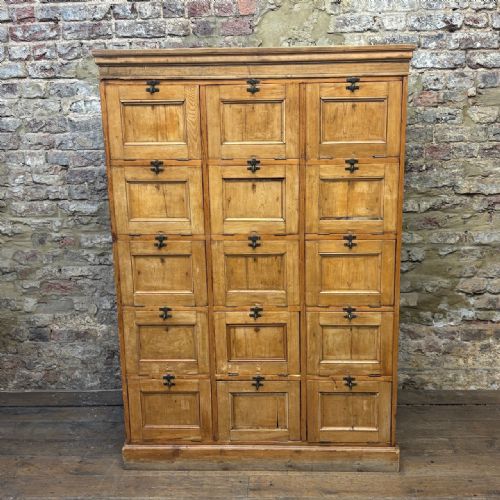
A fifteen-door locker cabinet and a twenty-five drawer bank prove Victorians had an absolute passion for categorising everything.
Distinctions in Quality and Execution
Quality rests in the selection of timber and the precision of the cabinet work, particularly in figured veneers and the alignment of doors and drawers. Superior examples display thoughtful detailing such as hand-carved ornamentation, original hardware, and well-executed interior shelving or hanging space.
Secondary wood selection and the retention of original surface treatments - whether aged paint, scumble finishes, or polished mahogany - distinguish well-preserved pieces from heavily altered ones. The integration of period-appropriate brass fittings and sound structural joinery marks the difference between standard utilitarian storage and finer workshop production.
GM Elwood for JS Henry·Luxmore's of Ilfracombe·maples & co
The Victorian Wooden Cupboard Glossary
- Chiffonier
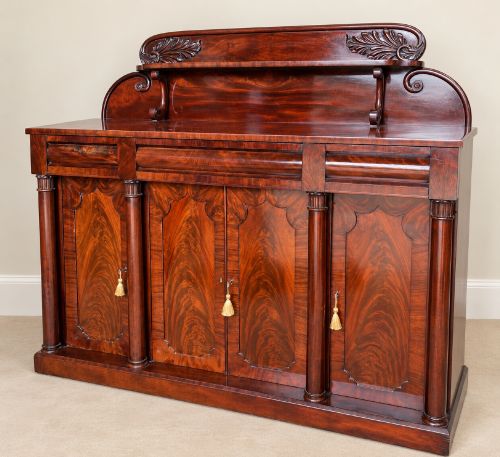
- A low sideboard or cabinet featuring enclosed shelving beneath, developed during the nineteenth century for dining and drawing rooms.
- Linen Press
- A tall storage piece comprising upper sliding trays or shelves enclosed by doors, positioned above a base section fitted with drawers.
- Scumble Paint
- A decorative surface treatment applied to mimic the grain of more costly hardwoods like oak upon a softer timber base.
- Pot Cupboard
- A small bedside cabinet designed originally to house a chamber pot, often standing on short legs or bun feet.
- Compactum
- A large, fitted wardrobe designed to maximise internal storage capacity through specialised compartments, hanging space, and drawers.
Victorian Wooden Cupboard: Frequently Asked Questions
What distinguishes a chiffonier from a standard cupboard?
A chiffonier combines lower enclosed storage with an upper tier or shelf, serving dining and living areas rather than solely functioning as a utility cabinet.
These pieces typically display more decorative mahogany or burr walnut surfaces intended for public rooms.
How do I identify pine cupboards from the nineteenth century?
Nineteenth-century pine cupboards usually exhibit hand-cut dovetails, wider boards, and evidence of historical wax polishing or layered painted finishes.
Makers frequently utilised regional softwoods, resulting in distinct patination across kitchen and bedroom furniture.
Where were bedside cupboards placed in Victorian homes?
Bedside cupboards and pot cupboards stood adjacent to sleeping quarters to provide concealed storage for personal items and chamber vessels.
Their compact dimensions allowed them to fit neatly beside standard nineteenth-century bed frames.
Are painted finishes on these cupboards original?
Many pine and kitchen pieces retain early or original painted surfaces, including scumble techniques designed to simulate costly hardwoods.
Examination of the underlying timber and wear patterns helps determine the age of the surface coating.