



Victorian Wine Box
These nineteenth-century pieces of storage and refreshment are built for keeping bottles secure and cool in proper style.
Victorian Wine Box
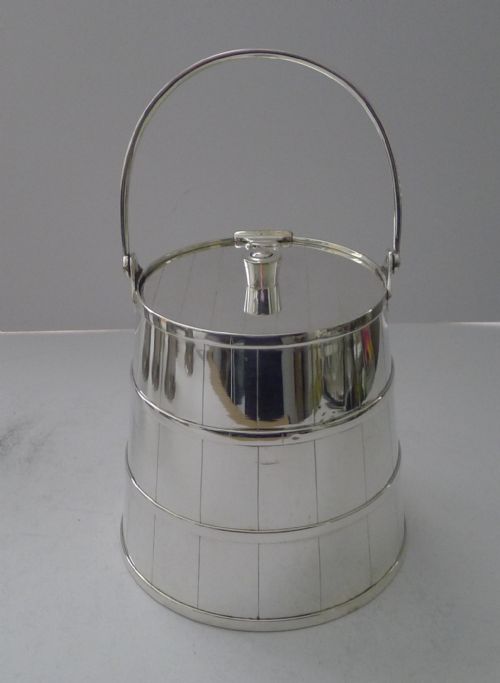
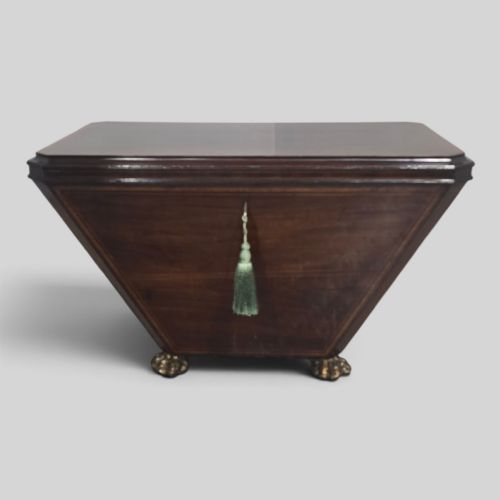
When you search for a victorian wine box, you encounter substantial cellarettes, coolers, and campaign pieces designed for holding liquor securely. Mahogany forms the backbone of these items, appearing frequently in sarcophagus shapes and inlaid designs.
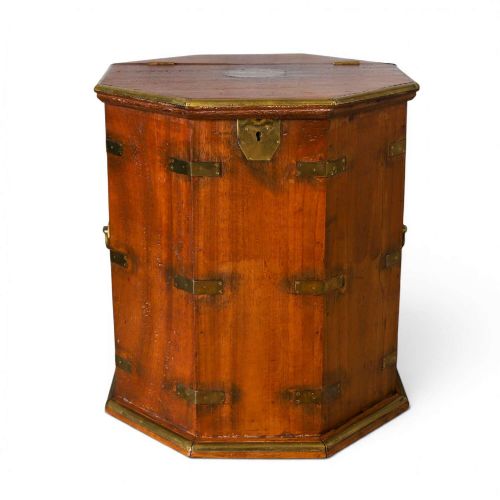
Makers shaped these objects to sit in dining rooms and campaign tents alike, utilising sturdy timbers and fitted interiors. Alongside standard cellarettes, the selection includes French ebonised planters and Anglo-Indian variants.
Materials and construction
Cabinet makers utilised dense hardwoods like mahogany and walnut, frequently enhancing the exterior with satinwood inlay or marquetry. Brass mounts, handles, and repoussé work provided structural reinforcement and decorative contrast.
Joinery methods focused on durability, accommodating heavy hinged lift-up tops and lined interiors intended to hold ice and bottles. Ebonised finishes and gilt mounts also appear, alongside intricate carving on walnut bodies.
Victorian Wine Box Retail Price Guide 2026
Typical asking prices for victorian wine box among the pieces listed under this phrase on Sellingantiques today, from the lower quarter to the upper quarter. They describe what is for sale here now, not the wider market.
Nineteenth-century makers occasionally hid their dedication to refreshment in plain sight, carving treen nutmeg graters directly into the miniature shape of a wine bottle.
Markers of fine execution
Quality rests in the precision of the timber selection, from deeply figured mahogany to sharp marquetry and satinwood inlay. The integration of brass hardware, from handles to repoussé mounts, dictates how successfully a piece holds its structural integrity.
Attribution to documented workshops like Edwards and Roberts or Freemans of Norwich elevates a piece, as does the crispness of carved details on walnut and fruit wood bodies.
Edwards and Roberts·Freemans of Norwich
The Victorian Wine Box Glossary
- Cellarette
- A lockable cabinet or container designed for holding bottles of wine near the dining table. They often feature lead lining for ice and take sarcophagus or rectangular forms.
- Sarcophagus form
- A classic nineteenth-century shape for a wine cooler, characterised by a domed lid and flared base resembling an ancient stone coffin. This profile allowed for deep internal storage.
- Campaign chest
- Portable furniture built with brass corners and recessed handles for military transport. Examples often incorporate hinged lift-up tops for practical storage.
- Repoussé
- A metalworking technique where the design is hammered into relief from the reverse side. This method appears on brass planters and wine accessories.
- Marquetry
- The art of applying pieces of veneer to a structure to form decorative patterns. Craftsmen utilised this on mahogany surfaces for visual depth.
Victorian Wine Box: Frequently Asked Questions
What is a victorian wine box used for?
These items served primarily to store, cool, and present bottles of wine during nineteenth-century dining. Interiors were often fitted to hold bottles securely and sometimes lined to maintain low temperatures with ice.
Over time, many adapted to general storage roles or decorative display within period interiors. Their robust construction made them suitable for both permanent dining room placement and travel.
How do I identify a cellarette?
A cellarette typically presents as a heavy timber box, often in mahogany or walnut, featuring a hinged lid and secure locking mechanism. Many display sarcophagus proportions or sit upon low feet designed for dining room positioning.
Internal compartments or linings distinguish them from standard trunks, reflecting their original purpose of holding glass bottles upright.
Where were these pieces kept?
They originated in the formal dining rooms of nineteenth-century townhouses and country estates, usually positioned near the main table for easy access by hosts and servants. Campaign variants travelled further afield with officers.
Today, buyers place them in living spaces as statement furniture pieces or functional side tables that retain their historical character.
What woods were commonly used?
Mahogany forms the majority of surviving examples, prized for its durability and rich grain. Walnut and fruit wood also appear, particularly on carved or later nineteenth-century pieces.
Inlays in satinwood and ebonised finishes provided decorative contrast, demonstrating the cabinet maker's range of materials.