


Victorian Washstand Set
A victorian washstand set brings ceramic utility and bedroom elegance together, offering period charm for the home.
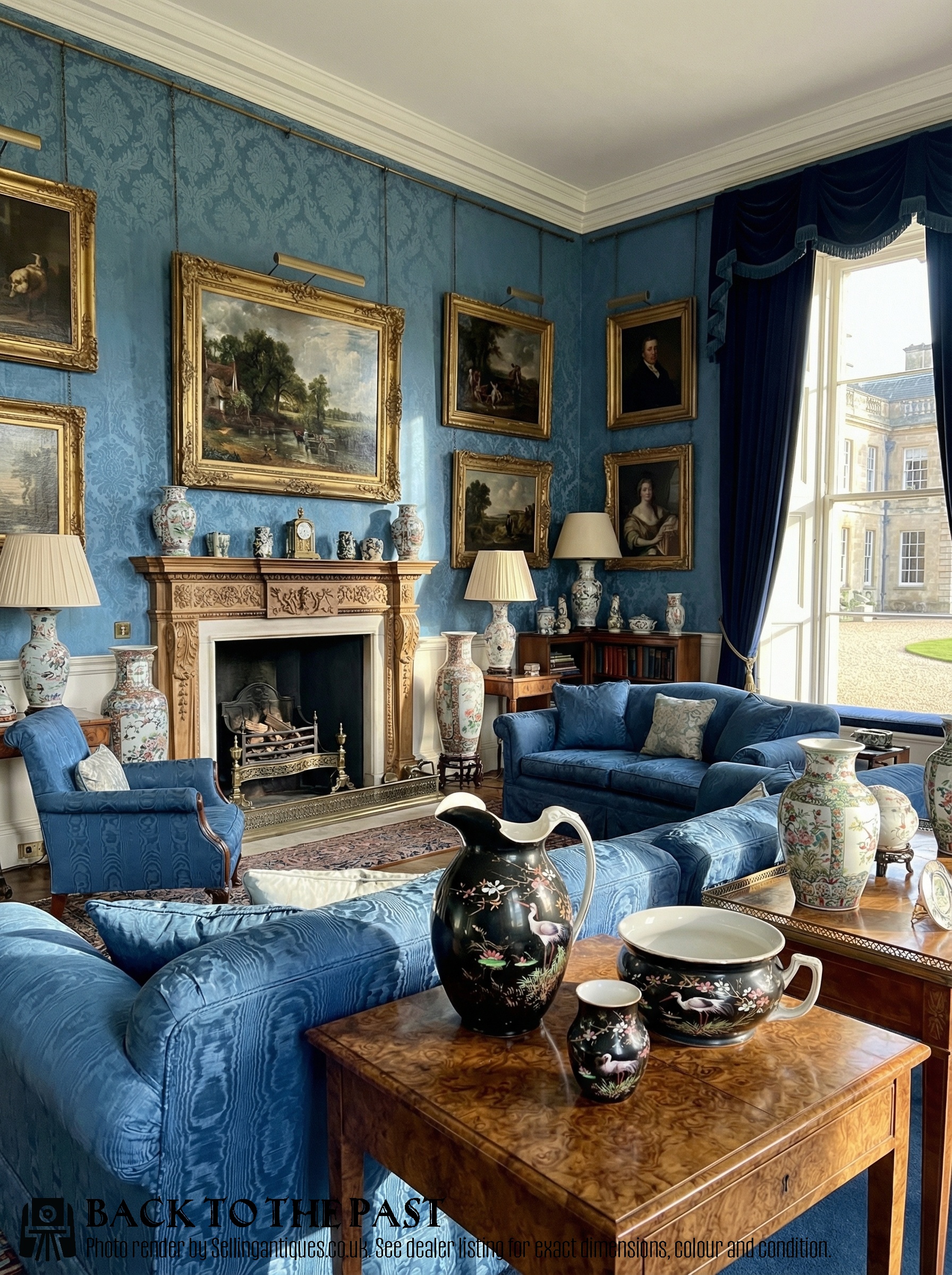
Victorian Washstand Set
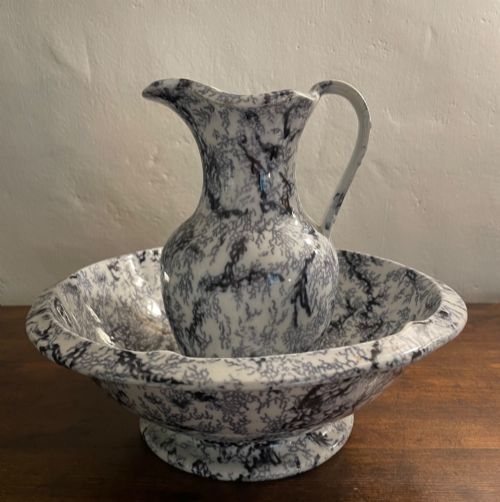
A victorian washstand set comprises ceramic basins, jugs, and matching accessories designed for bedroom washing before plumbed bathrooms became standard. These sets frequently appear as earthenware or porcelain jug and bowl combinations, sometimes expanding into larger bathroom sets or complete bedroom suites.
The pieces span the nineteenth century and into the Edwardian era, taking forms such as wash sets, shaving stands, and miniature sets. Makers and decorators utilised styles ranging from Victorian Chinoiserie and Aesthetic Movement to Art Nouveau and Arts and Crafts.
How they were made
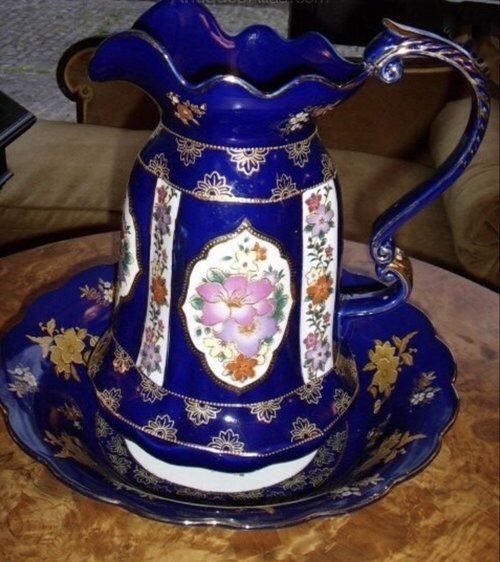
Potters shaped earthenware, ironstone, and porcelain into robust jugs and basins, applying glazes in cobalt blue, flow blue, or crisp white. Decoration involved printed flower designs, hand painting, and occasional touches of gold leaf or gilt.
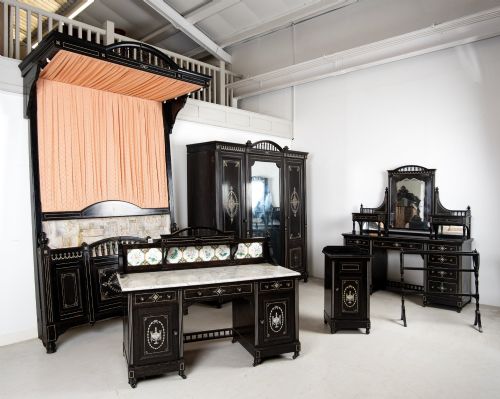
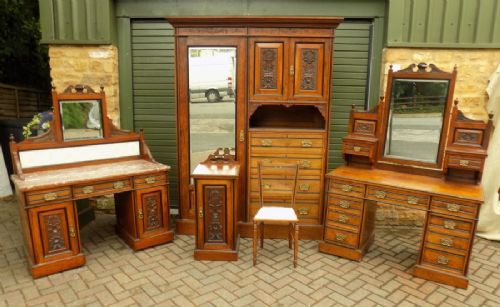
Beyond the ceramics, associated washstands incorporated timbers such as walnut, ash, and ebonised wood, sometimes featuring marble tops, brass fittings, or ceramic tiles.
Listings feature periods from the early nineteenth century through to the Edwardian era, encompassing ironstone, porcelain, glass, and ceramic tiles.
What varies in quality
Quality rests in the crispness of the ceramic moulding, the depth and stability of the glaze, and the precision of any hand-painted or transfer-printed floral design. Finer sets display harmonious proportions between the jug and the bowl, avoiding clumsiness in the handle or rim.
Sets linked to established potteries or incorporating materials like burr walnut, marble, and brass exhibit superior handling of secondary materials and cabinetwork.
Masons Ironstone·Doulton Burslem·Mark Jones And Sons
The Victorian Washstand Set Glossary
- Flow blue
- A cobalt blue printing style where the colour blurred slightly during firing into the white glaze, creating a soft, misty effect. This technique originated in Staffordshire potteries during the nineteenth century.
- Ironstone
- A dense, durable type of earthenware patented in the nineteenth century to rival true porcelain. It provided a strong body for heavy daily use in wash sets.
- Aesthetic movement
- A late nineteenth-century design style that emphasised visual beauty over narrative meaning, often drawing inspiration from Japanese art. Pieces in this style feature stylised floral motifs and balanced asymmetry.
- Ebonised
- Timber treated with a stain or finish to imitate expensive ebony wood. It appears frequently on Victorian furniture frames and bedroom suites.
Victorian Washstand Set: Frequently Asked Questions
What is a victorian washstand set?
A victorian washstand set is a matching grouping of ceramic vessels, primarily a large jug and a basin, used for personal hygiene in bedrooms before running water was common.
These sets often included smaller accessory vessels for soap or toothbrushes and frequently sat atop a dedicated wooden washstand or within a larger bedroom suite.
How were these ceramic sets used?
Households filled the large jug with warm water brought from the kitchen or scullery and poured it into the basin for morning washing and shaving.
After use, the soiled water was emptied into a slop bucket kept in the washstand cupboard below.
How do I date a wash set?
Dating relies on ceramic body types, glaze colours, and stylistic markers such as Aesthetic Movement transfer prints or Art Nouveau curving lines. Maker marks stamped on the ceramic base also help establish the decade of production.
Cabinetry elements like burr walnut veneers or ebonised finishes provide further chronological clues for sets that include wooden furniture.
Can I use an antique wash set daily?
Most collectors display these ceramic sets as decorative objects or utilise them for dry storage rather than daily washing. Thermal shock from hot water or accidental knocks can damage nineteenth-century glazes and earthenware bodies.