


Victorian Wash Basin Set
These Victorian wash basin set pieces bring period charm to a room, offering both decorative presence and a tangible link to nineteenth-century domestic life.
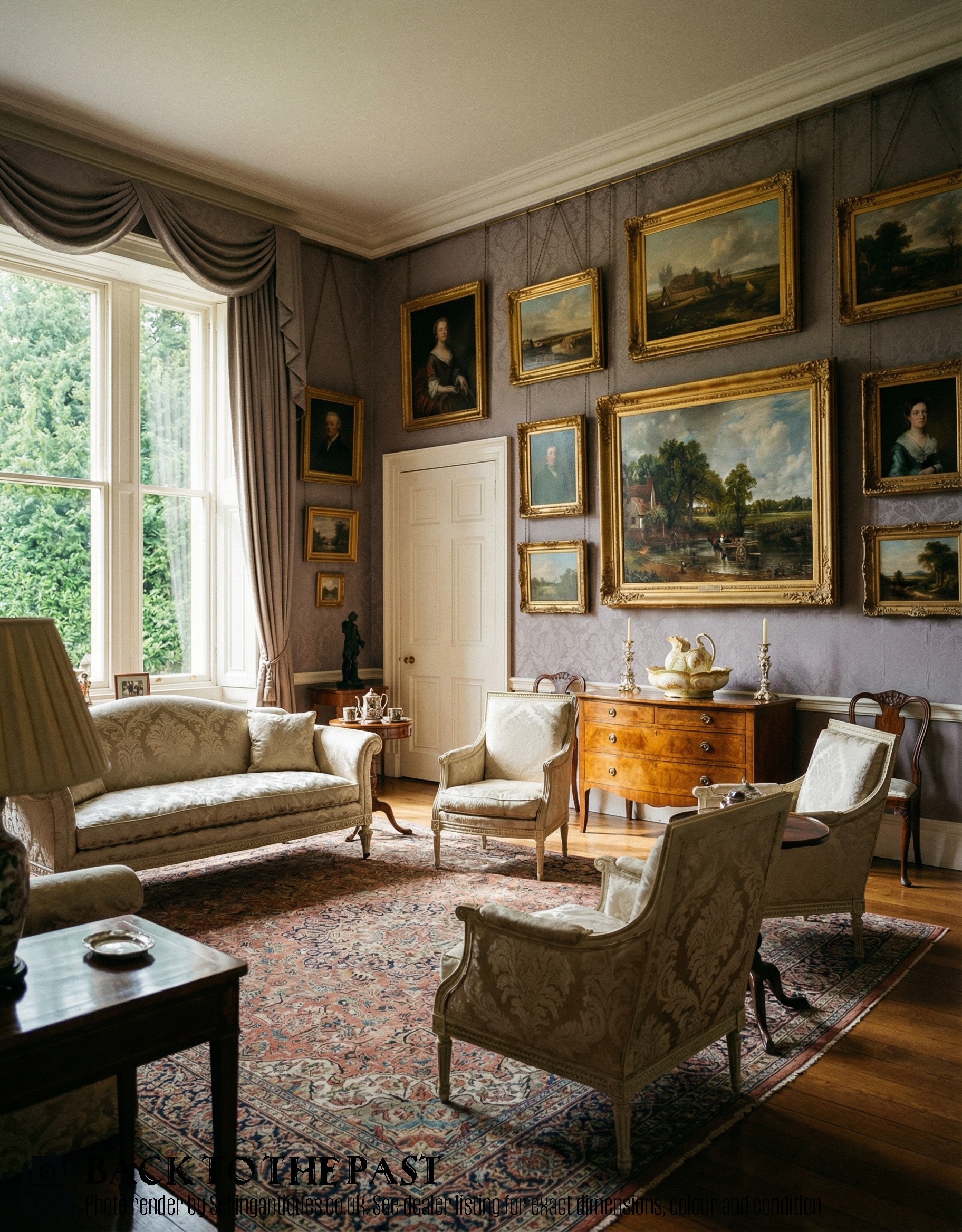
Victorian Wash Basin Set
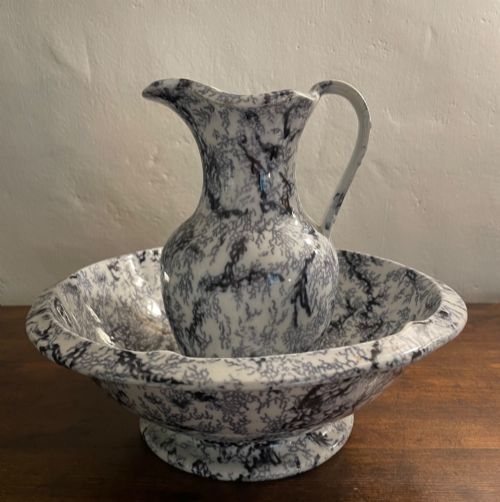
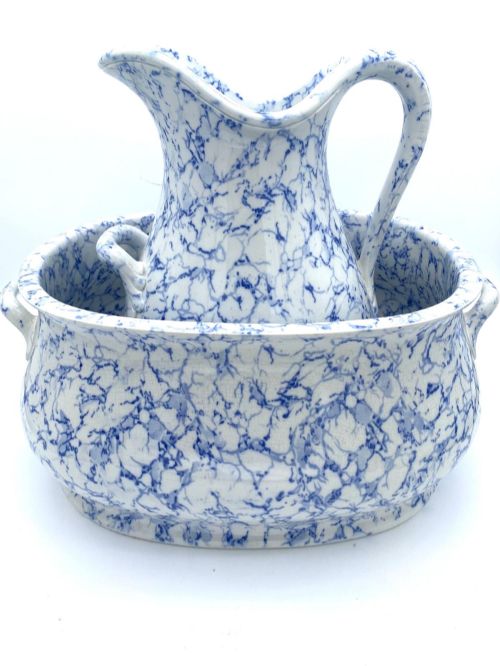
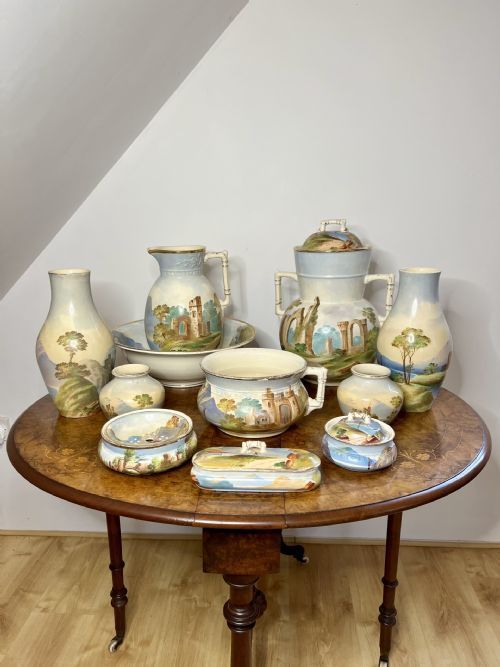
A Victorian wash basin set comprises a matching jug and bowl designed for personal grooming before indoor plumbing became universal in bedrooms. These functional groupings range from full four-piece arrangements down to miniature examples and specialised footbaths with corresponding pitchers.
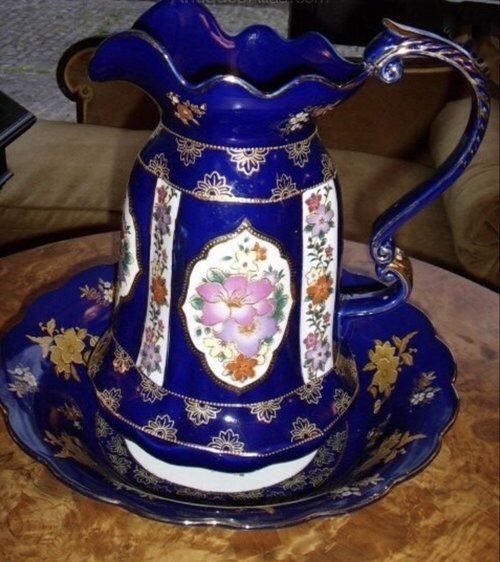
The materials and styles span earthenware, porcelain, and glass, reflecting periods from the early nineteenth century through the Edwardian era and into the 1930s. Ceramic versions dominate the selection, often featuring transfer-printed patterns or cobalt blue glazes.
Buyers encountering this phrase find utilitarian washstands paired with their ceramic ware, alongside standalone basin and jug sets decorated with floral motifs or Chinoiserie designs. Art Nouveau interpretations also appear, showing the stylistic shifts across different decades.
What varies in quality
The distinction between standard utility ware and finer pieces rests upon the crispness of the transfer printing and the precision of any hand-applied gilt or gold leaf. Superior examples demonstrate careful control during the glazing process, avoiding uneven pooling or heavy discolouration.
Maker attribution elevates certain sets, particularly those bearing marks from established factories like Masons or Doulton Burslem, whose bodies show superior density and refinement. The complexity of the form, from standard basin pairs to complete multi-piece bathroom sets, also influences the standing of an item.
Listings feature ceramics from the early nineteenth century through the Edwardian period, alongside glass and bentwood furniture.
Mark Jones & Sons·Doulton Burslem·Masons Ironstone·Minton
The Victorian Wash Basin Set Glossary
- Flow blue
- A nineteenth-century ceramic printing technique where cobalt oxide blurred during firing to create a hazy, atmospheric effect. This style became particularly popular in Staffordshire potteries.
- Ironstone
- A dense, durable type of earthenware patented in the nineteenth century to rival true porcelain. It provides a sturdy body well suited to heavy domestic items like wash basins.
- Cranberry glass
- A rich red glass created by adding gold chloride to the molten batch. It gained popularity during the Victorian period for decorative tableware and toilet sets.
- Chinoiserie
- A European stylistic interpretation of Chinese artistic motifs and scenes. This aesthetic appears on various ceramic wash sets from the nineteenth century.
- Glaze
- A glassy coating fused to ceramic ware through firing, providing a smooth and impervious surface. It protects the underlying clay and carries decorative colours.
Victorian Wash Basin Set: Frequently Asked Questions
What is a Victorian wash basin set?
A matching pairing of a large jug and a deep basin designed for washing before modern plumbing.
They sat upon wooden washstands in bedrooms and guest rooms.
How were these sets used originally?
Servants filled the pitchers with warm water from the kitchen for morning and evening ablutions.
The user poured water from the jug into the bowl to wash hands, face, and hair.
How do I clean an antique wash basin?
Wash ceramic and glass pieces gently using warm water and mild soap.
Avoid harsh abrasives that might damage historic glazes, enamel decorations, or gold leaf accents.
Can I use these sets for fresh flowers?
Many collectors display the large basins and jugs filled with seasonal blooms or greenery.
Check for internal hairline cracks before filling ceramic vessels with water to prevent leaks.
How do I date a wash basin set?
Examine the pottery marks on the underside and observe the ceramic body type, such as ironstone versus porcelain.
Stylistic clues like Art Nouveau curves or flow blue patterns also help narrow down the decade of production.