




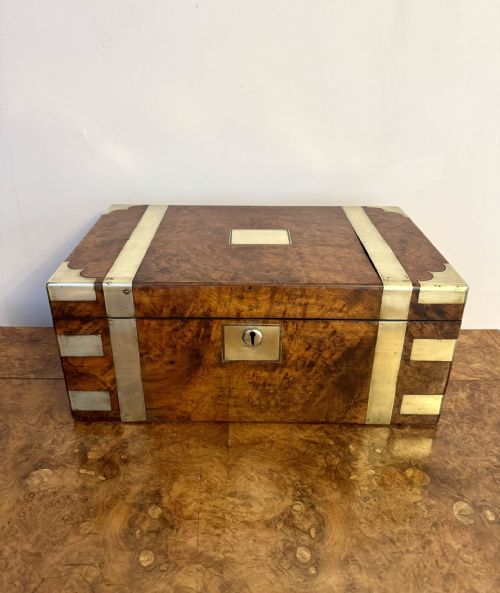


Victorian Walnut Writing Slope
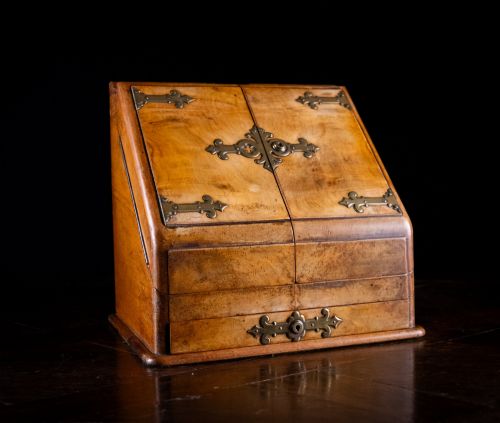
A victorian walnut writing slope is a portable desk built to hold correspondence and fold open into a fitted writing surface, offering rich grain and solid construction.
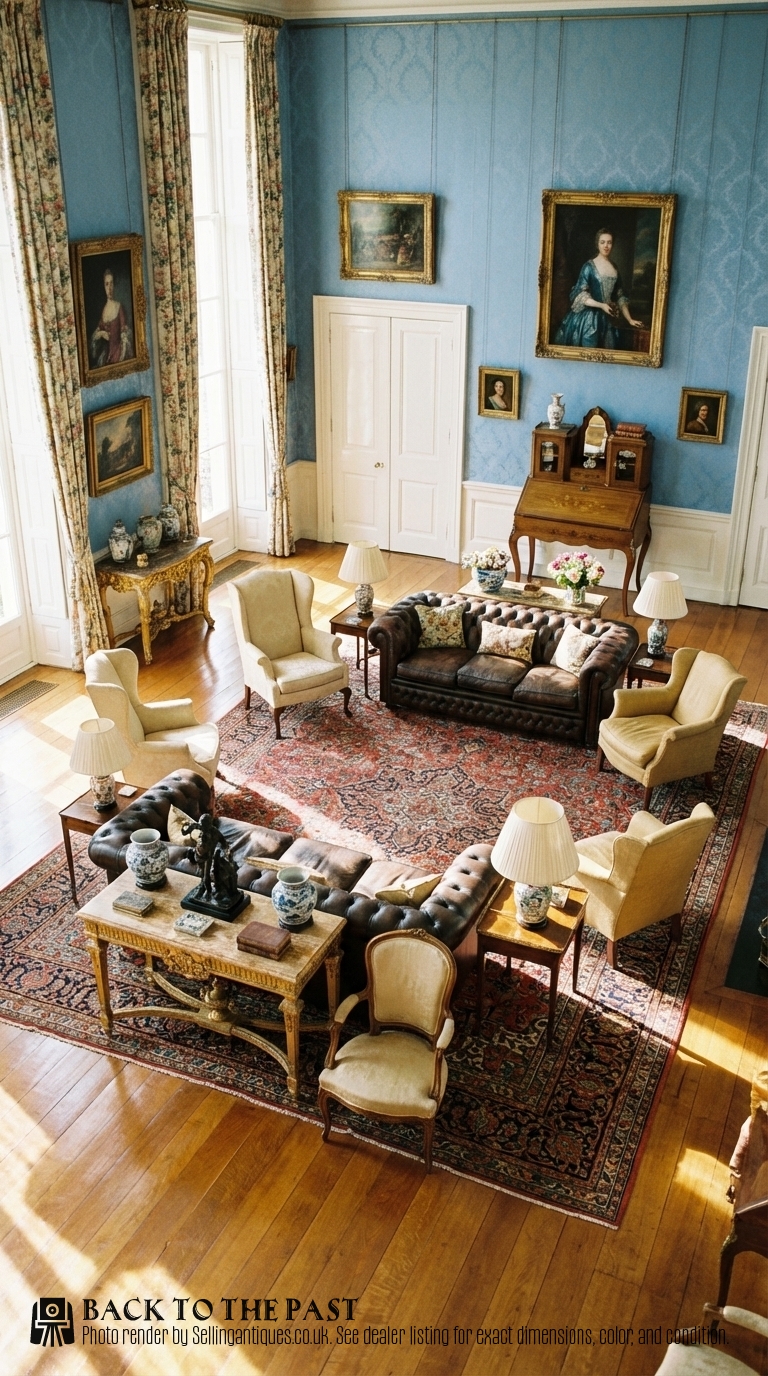
Victorian Walnut Writing Slope
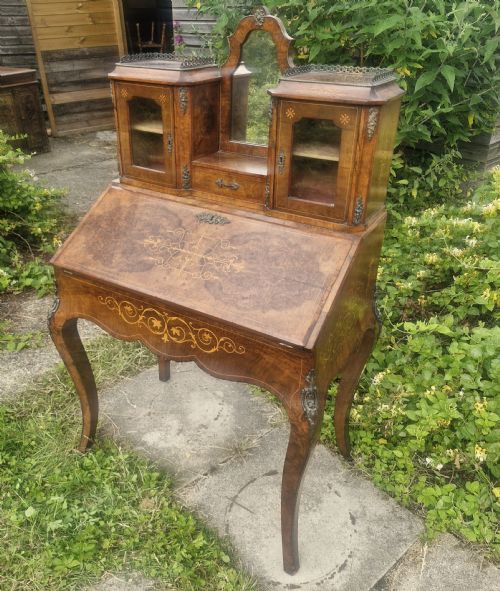
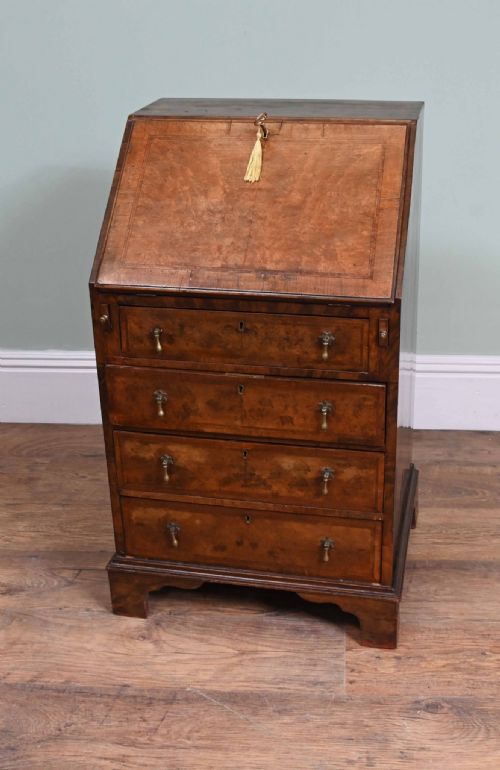
A victorian walnut writing slope brings together portable desk design and rich timber, predominantly appearing as hinged boxes that unfold to reveal a slanted leather writing surface.
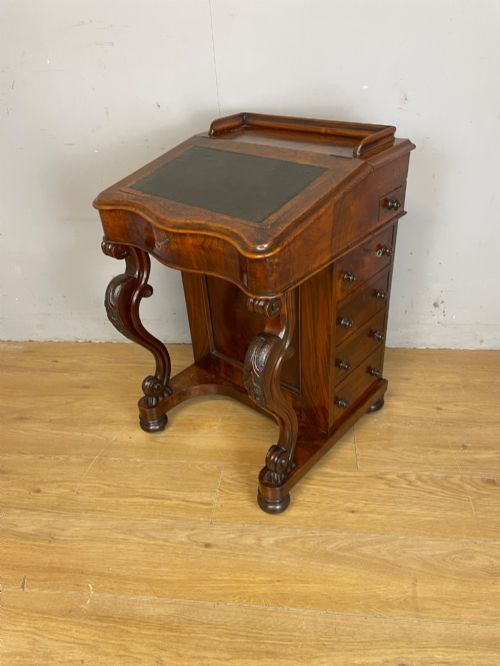
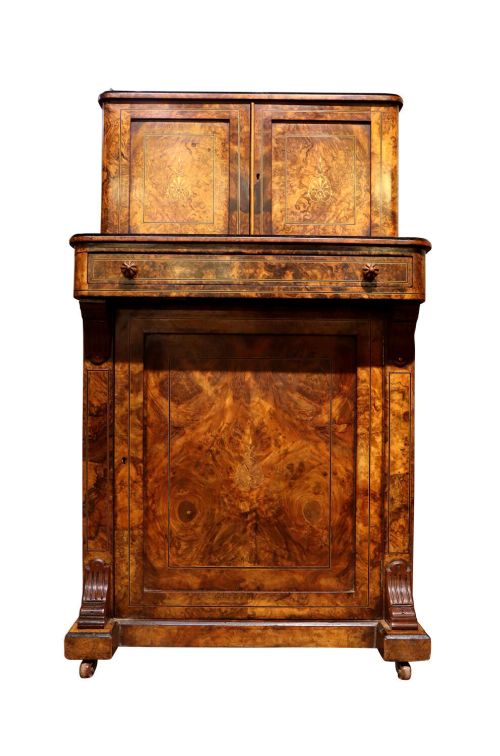
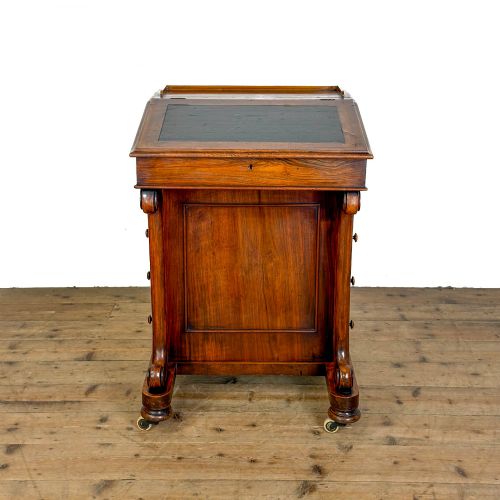
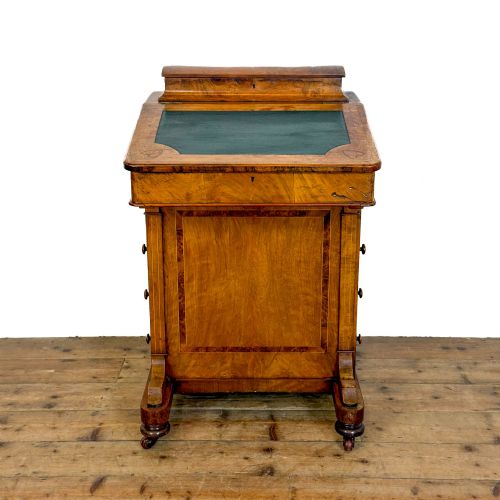
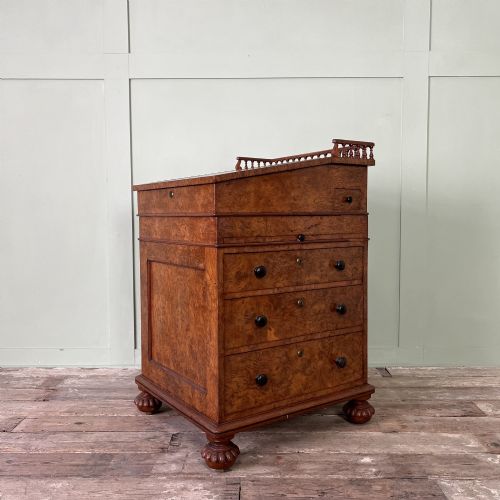
The selections span traditional rectangular lap boxes with brass bounding to more elaborate Davenport desks and stationery cabinets produced across the nineteenth century.
Makers often utilised burr walnut for its distinct cloud-like grain patterns, complemented by interior compartments designed for inkwells, pens and secret drawers.
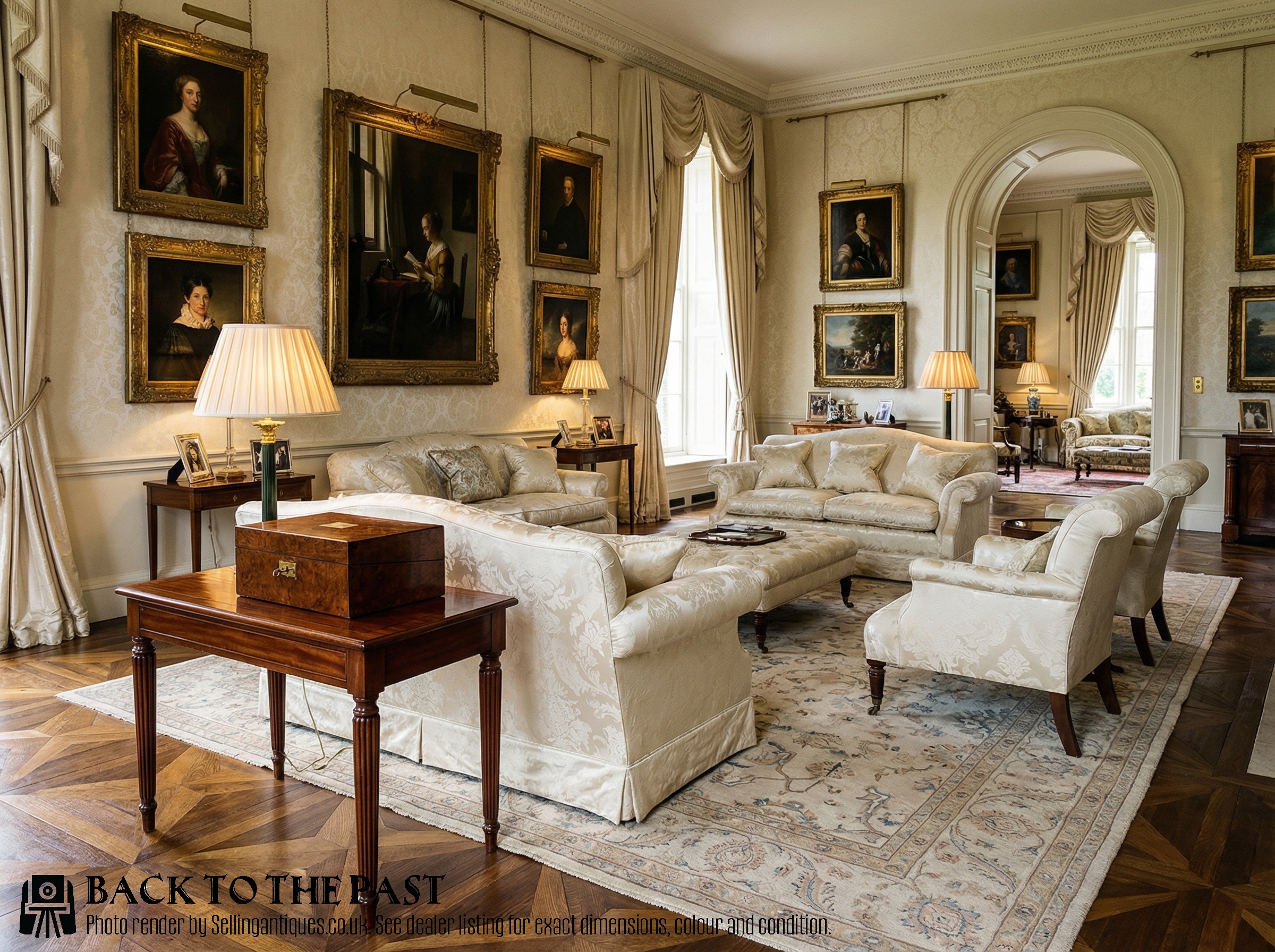
Materials and construction
Carpenters constructed these pieces using solid walnut or applied burr walnut veneers over secondary timbers, often framing the exterior with brass corners, straps or inlaid stringing in boxwood.
Interiors frequently incorporate fitted components of satinwood or maple alongside sloping writing panels lined in leather, secured by brass locks such as those by Bramah.
Victorian Walnut Writing Slope Retail Price Guide 2026
Typical asking prices for victorian walnut writing slope among the pieces listed under this phrase on Sellingantiques today, from the lower quarter to the upper quarter. They describe what is for sale here now, not the wider market.
Many a Victorian letter was penned in haste upon these slopes, relying on hidden compartments to keep love letters safe from prying eyes.
Assessing quality
Quality rests heavily on the selection of the timber veneer, where dense burr walnut with matching grain across the lid commands greater appreciation than plain timber.
Superior examples distinguish themselves through fine marquetry or brass inlay, intact secret drawer mechanisms, and robust original brass hardware rather than replaced fittings.
Gillow & Co·Maple & Co
The Victorian Walnut Writing Slope Glossary
- Burr walnut
- A figured timber harvested from walnut tree growths, prized for its swirling, organic grain patterns on box lids and desk fronts.
- Davenport desk
- A compact Victorian writing desk featuring a sloped top above a pedestal of drawers, often incorporating stationery compartments.
- Secret drawers
- Concealed compartments hidden behind false partitions or released by secret spring mechanisms within the writing slope interior.
- Writing slope
- A portable box with a hinged, angled lid that folds down to create a firm writing surface while housing stationary inside.
Victorian Walnut Writing Slope: Frequently Asked Questions
How were these slopes used?
These boxes served as portable writing desks for correspondence before the widespread availability of fitted home offices.
Owners stored paper, envelopes and ink inside the compartment beneath the folded writing surface while travelling or moving between rooms.
What is a Davenport desk?
A Davenport is a small, freestanding form of writing furniture developed during the nineteenth century, combining a sloping desk with a set of pedestal drawers.
Many examples on the market feature stationery boxes on top and small pull-out side ledges for holding inkwells.
How do I spot secret drawers?
Secret drawers are typically concealed behind removable panels, false drawer backs or spring-loaded sections inside the stationery compartment.
Finding them usually requires sliding interior partitions upward or pressing hidden wooden pins to release the secret catch.
How should I care for burr walnut?
Burr walnut veneer benefits from placement away from direct sunlight and sudden temperature shifts that can dry out old timbers.
Applying a light coat of quality furniture wax occasionally helps nourish the wood and preserve the depth of the grain.