


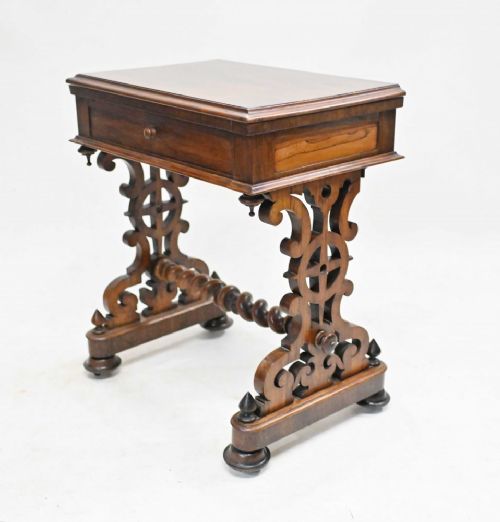
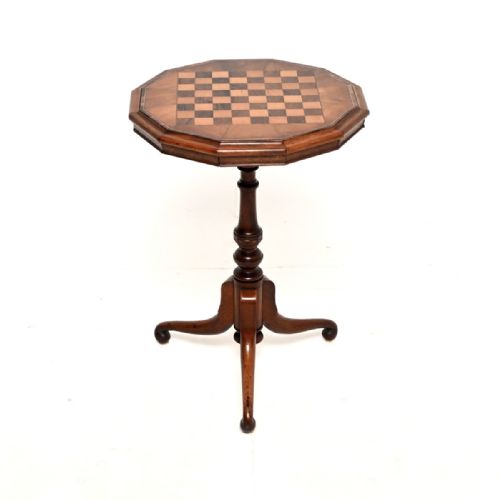
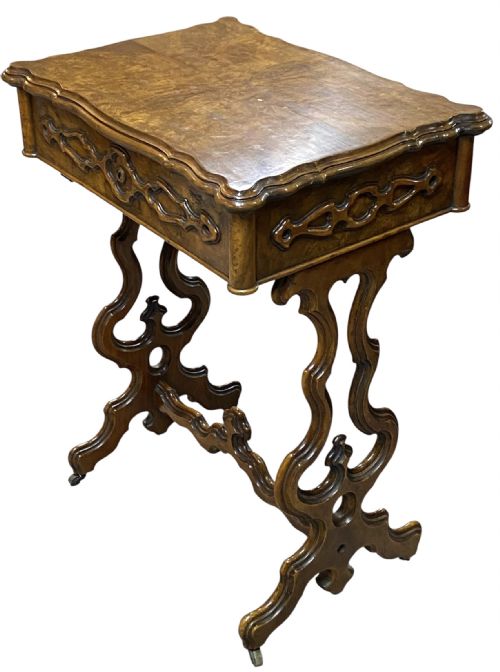


Victorian Walnut Work Table
A victorian walnut work table combines refined domestic utility with intricate timber marquetry, offering a versatile surface and hidden storage for needlework.
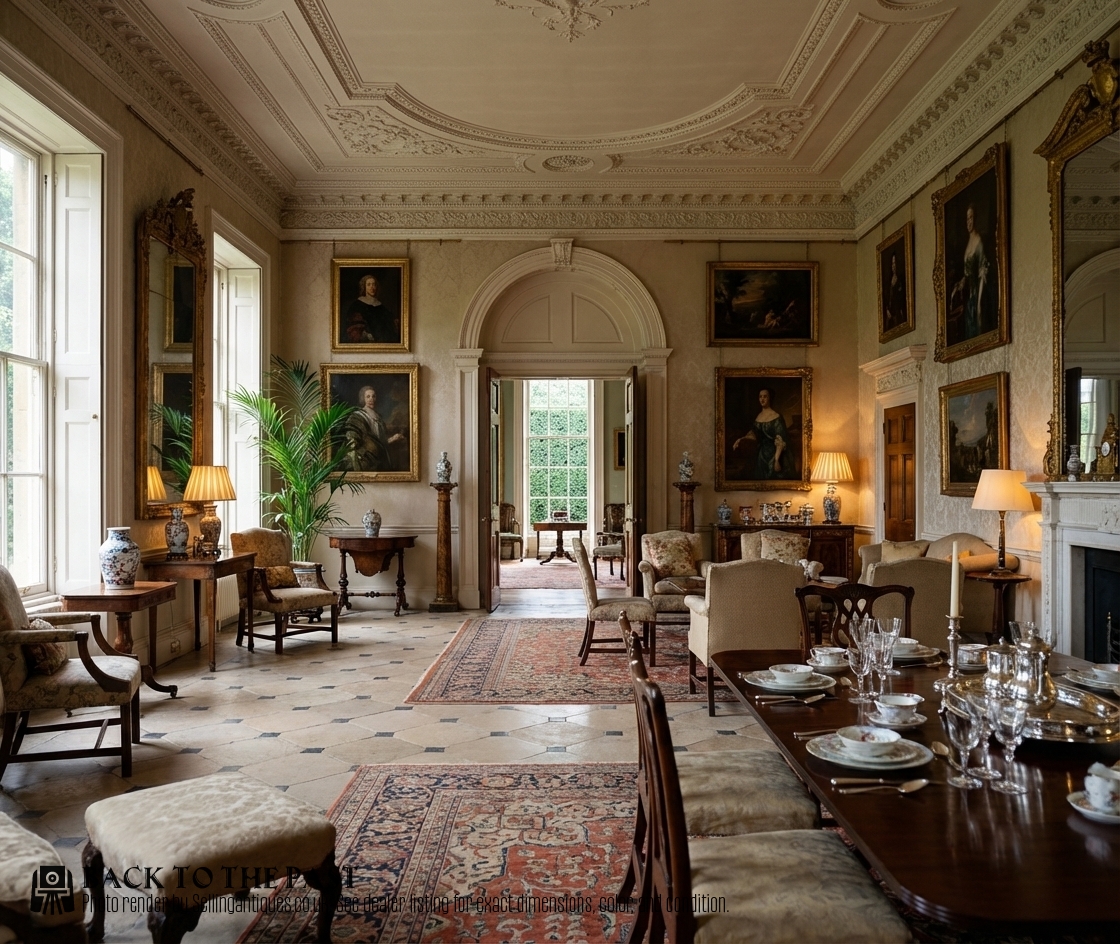
Victorian Walnut Work Table
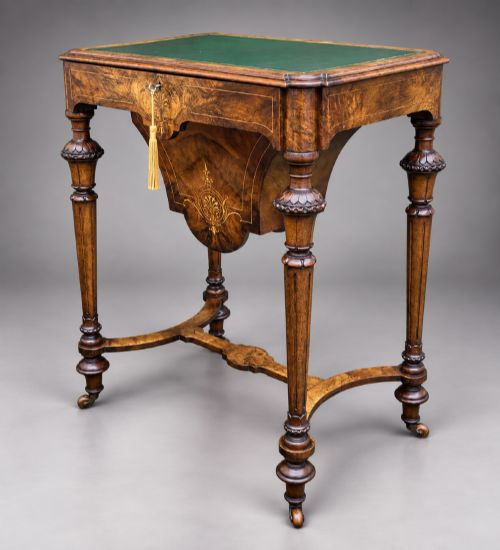
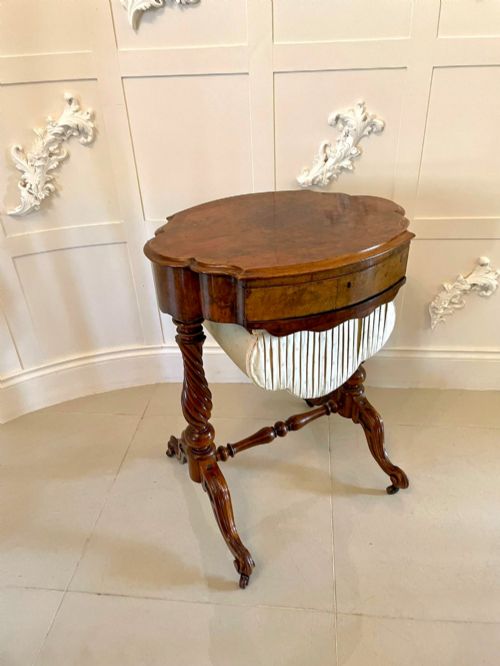
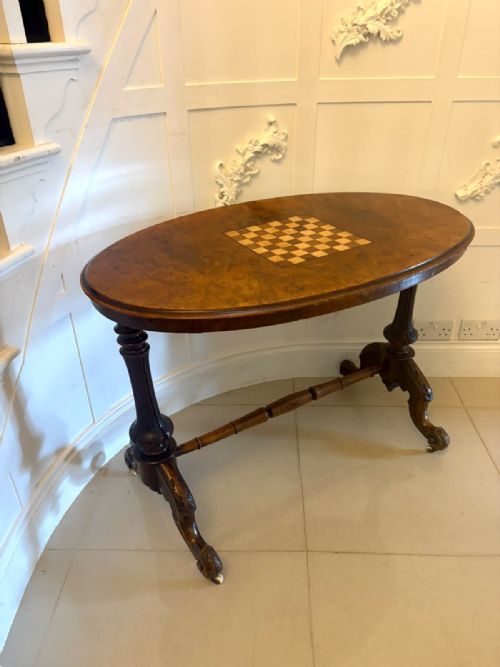
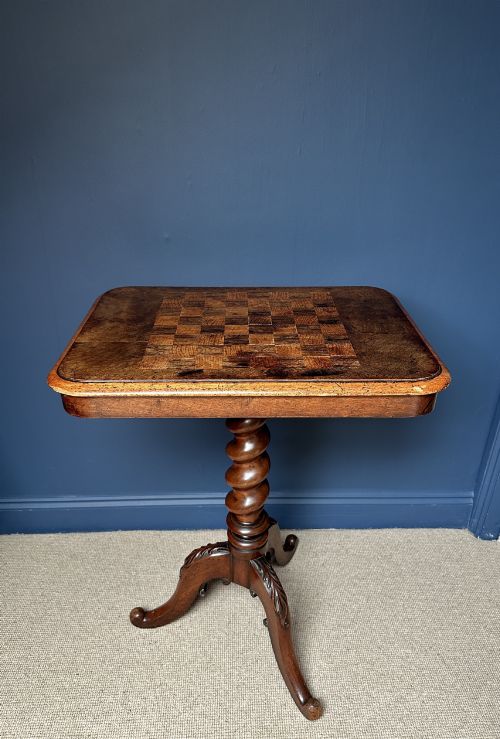
A victorian walnut work table is a multifunctional domestic piece designed primarily for sewing, needlework, and small crafts, often incorporating a fitted interior and a hanging fabric bag below. These items frequently double as games tables, featuring inlaid chess or backgammon boards on the folding tops.
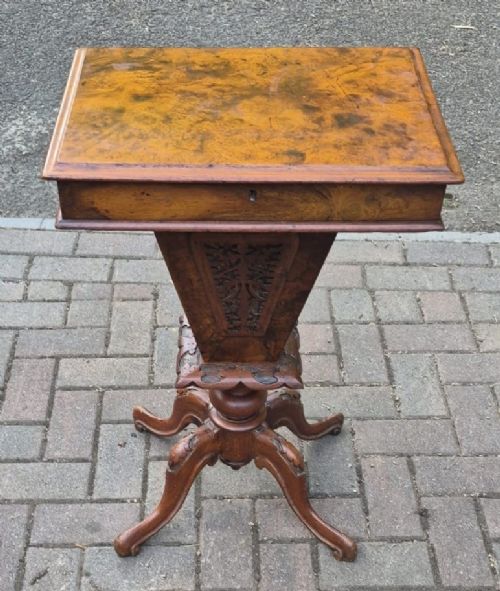
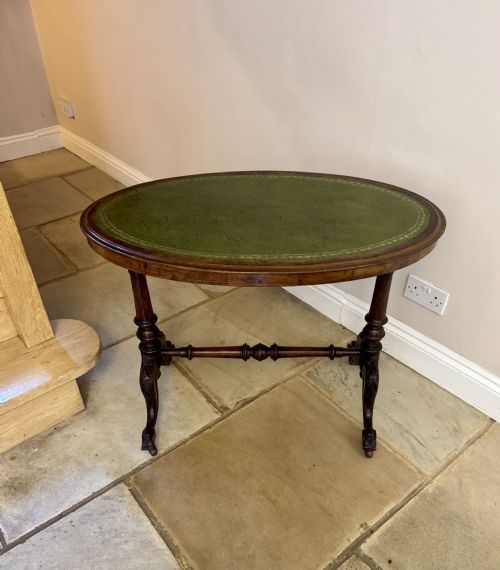
Most examples found here date from the mid to late nineteenth century, spanning various decades of the Victorian era alongside occasional Edwardian pieces. Formats range from pedestal trumpet tables to shaped occasional stands with fitted drawers and compartments.
Originating as essential furnishings for nineteenth-century parlours and boudoirs, these tables served the social and domestic requirements of the household. Buyers encounter plain timber variants as well as heavily decorated specimens influenced by French revival styles.
How they were made
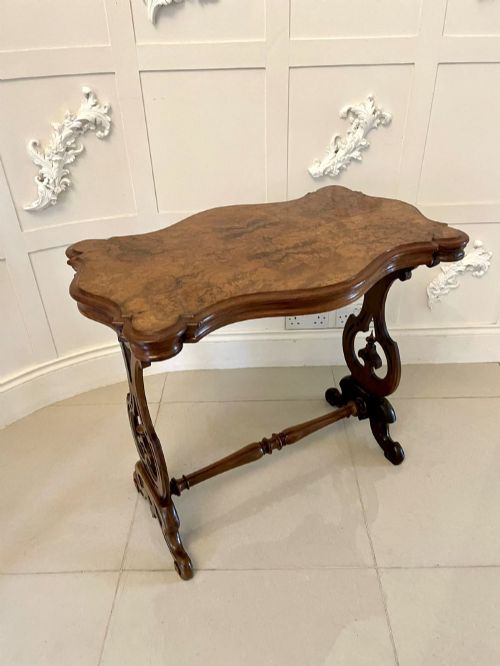
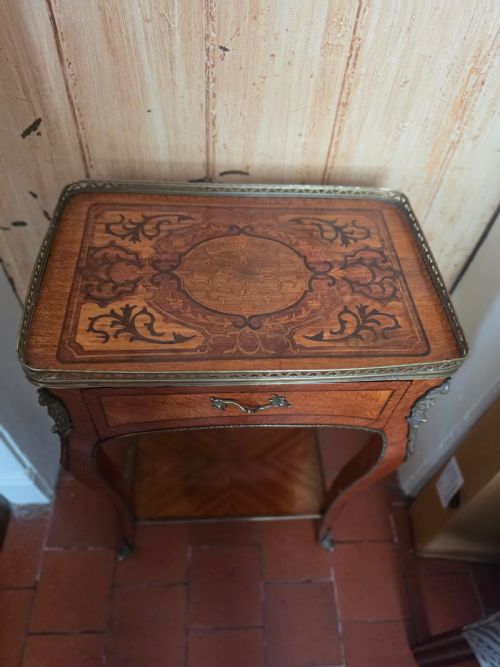
Cabinet makers utilised solid walnut and figured burr walnut veneers applied to secondary timbers, creating rich surface patterns across the top and sides. These wooden structures are frequently enhanced with contrasting wood inlay, boxwood lines, and elaborate floral marquetry.
Many examples integrate brass hardware, ormolu mounts, and fitted interior compartments lined with fabric for storing sewing implements and writing materials. Structural joints and folding mechanisms rely on traditional carpentry adapted for multi-use furniture.
Victorian Walnut Work Table Retail Price Guide 2026
Typical asking prices for victorian walnut work table among the pieces listed under this phrase on Sellingantiques today, from the lower quarter to the upper quarter. They describe what is for sale here now, not the wider market.
Listings feature walnut, burr walnut, and marquetry inlay across pedestal trumpet forms and rectangular sewing tables.
What varies in quality
Quality rests primarily in the selection of the burr walnut veneer, the precision of the marquetry inlay, and the crispness of any hand-carved wooden details. Finer pieces display continuous grain matching and intricate geometric or floral detailing across every surface.
The internal complexity and original condition of the fitted compartments, sewing bags, and writing slopes significantly separate standard production items from superior workshop output. Sturdiness in the pedestals, functioning locks, and intact hinges also dictate the tier of the piece.
The Victorian Walnut Work Table Glossary
- Burr walnut
- A veneer taken from the knotted growths of a walnut tree, yielding highly decorative swirling patterns. This figured timber was favoured by Victorian cabinet makers for principal display surfaces.
- Marquetry inlay
- Decorative patterns formed by fitting contrasting pieces of wood veneer into a prepared background. Floral motifs and geometric borders are typical of nineteenth-century examples.
- Trumpet table
- A form featuring an octagonal or rounded body widening downwards towards a flared base, resembling the bell of a musical instrument. These often contain internal compartments accessed via a hinged lid.
- Canterbury
- A partitioned stand used for holding sheet music or books, occasionally incorporated into the design of nineteenth-century work and occasional tables.
- Ormolu
- Gilded bronze ornamentation applied to furniture for decorative accent. This technique appears on revival styles influenced by French cabinet making traditions.
Victorian Walnut Work Table: Frequently Asked Questions
What is a victorian walnut work table?
A victorian walnut work table is a nineteenth-century domestic piece designed for sewing, needlework, and crafts, usually fitted with internal compartments and a storage bag.
Many examples also double as games tables, incorporating folding tops with inlaid chess or backgammon boards.
How were these tables used originally?
These tables served ladies in the parlour for sorting threads, storing needlework, writing letters, and playing board games.
The clever combination of drawers, compartments, and sliding bags kept domestic pursuits organised and easily accessible.
How do I date a walnut work table?
Dating relies on observing construction methods, timber choices, and stylistic markers across the nineteenth century.
Mid-century pieces often feature rich burr veneers and elaborate floral marquetry, while later Victorian examples may display different revival influences and varied leg configurations.
Are these tables suitable for modern rooms?
Their compact proportions make these tables adaptable as bedside stands, lamp tables, or hallway occasional furniture.
The internal storage compartments remain practical for modern living, offering discrete space for small items.