

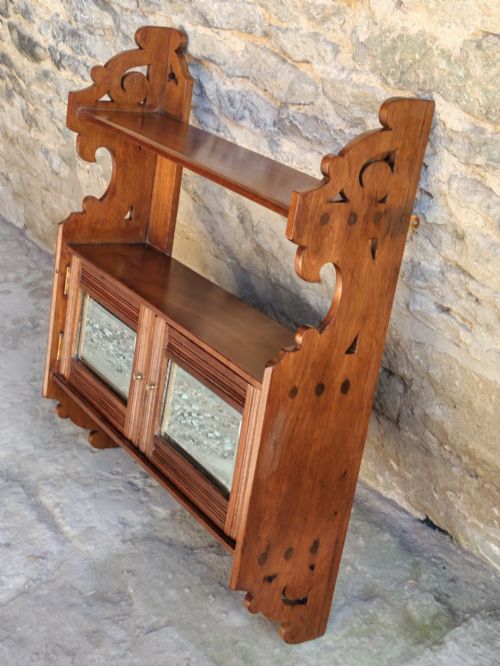


Victorian Walnut Wall Cabinet
These victorian walnut wall cabinet examples combine dense timber and glazed doors to display small possessions securely off the floor.
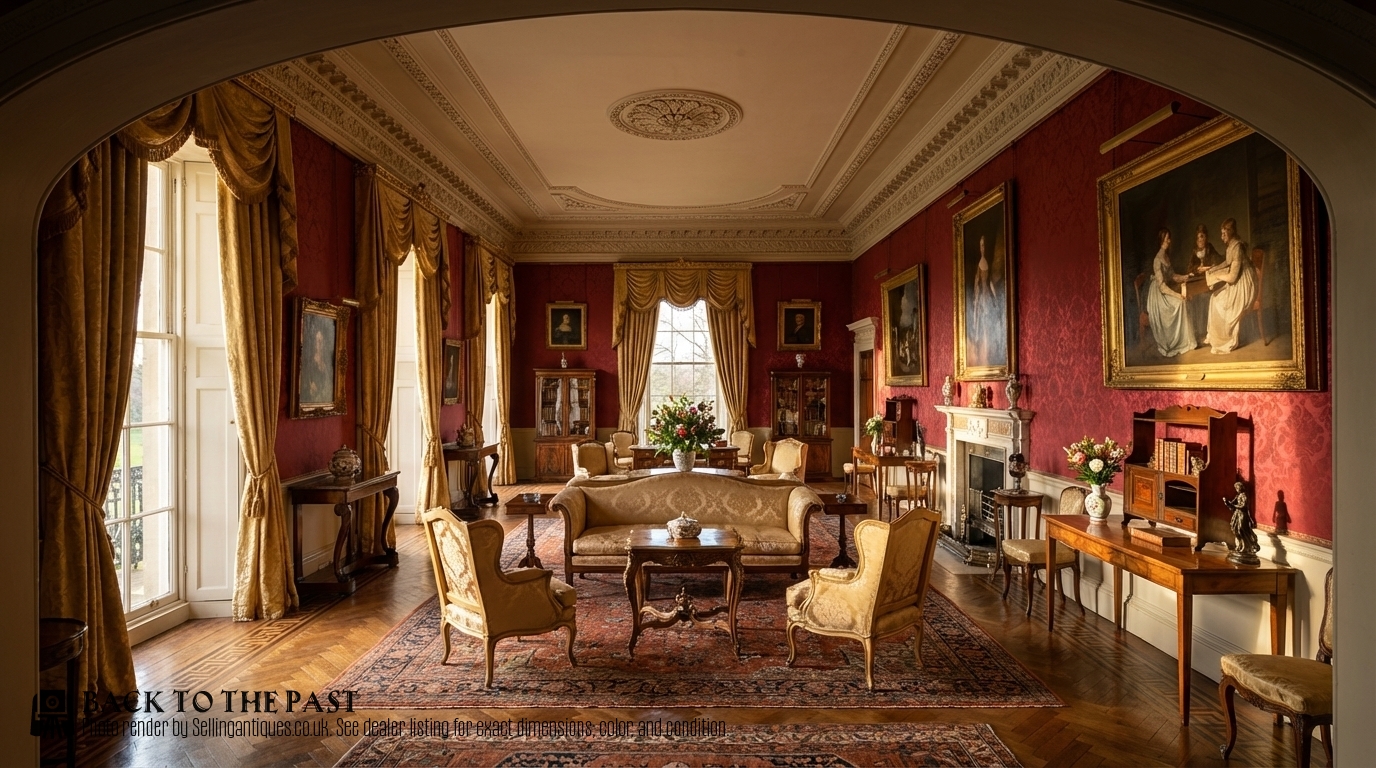
Victorian Walnut Wall Cabinet
A victorian walnut wall cabinet provides compact hanging storage utilising rich timber surfaces and glass panels. Pieces on this page span the nineteenth century, taking forms such as corner cupboards, display cabinets, and hanging shelves.
Makers shaped these items for domestic interiors, producing both plain medicine cupboards and elaborate architectural fronts. Aesthetic Movement and Gothic Revival examples introduce specific regional designs and varied silhouettes to the selection.
How they were made
Cabinet makers selected figured walnut and burr walnut veneers for visible exterior surfaces, frequently housing them over secondary structural timbers. Brass hinges, locks, and occasional ormolu mounts secure the doors and provide structural contrast.
Glazed front panels allow interior display, while internal shelving divides the restricted space for small ceramics and books. Inlaid details and carved mouldings define the distinct Late Victorian and Anglo-Japanese stylistic variants.
Victorian Walnut Wall Cabinet Retail Price Guide 2026
Typical asking prices for victorian walnut wall cabinet among the pieces listed under this phrase on Sellingantiques today, from the lower quarter to the upper quarter. They describe what is for sale here now, not the wider market.
The documented periods span the nineteenth century, with specific dates clustering around 1870, 1880, and 1890.
What varies in quality
Quality rests on the selection of timber figure, particularly the richness of burr walnut veneers against plain framing woods. The precision of inlaid decoration and the robustness of brass hardware distinguish superior items from standard utility pieces.
Construction methods determine durability, seen in the tight joinery of corner cupboards and the integrity of glazed door frames. Maker attribution, such as signed regional cabinet work, elevates certain examples above anonymous production.
Urquhart and Adamson Liverpool
The Victorian Walnut Wall Cabinet Glossary
- Burr walnut
- A figured timber harvested from tree growths, displaying complex swirling grain patterns. It provides highly decorative surfaces on cabinet doors.
- Aesthetic Movement
- A late nineteenth century design style emphasising visual beauty over narrative meaning. Anglo-Japanese examples within this group show distinct linear framing.
- Gothic Revival
- An architectural style applied to nineteenth century furniture, featuring pointed arches and heavy mouldings. It creates a formal, medieval appearance.
- Bow front
- A convex curved cabinet front that projects forward from the corners. This shape softens the profile of wall mounted cupboards.
- Ormolu
- Gilded bronze mounts applied to furniture for decorative effect. It adds metallic highlights to dark wood surfaces.
Victorian Walnut Wall Cabinet: Frequently Asked Questions
How were victorian walnut wall cabinets used?
These cabinets hung in parlours, studies, and bedrooms to store precious ceramics, books, and small personal items. Their wall mounting kept valuable collections visible at eye level while saving floor space in crowded rooms.
Some variants functioned as medicine cupboards, keeping remedies secured behind lockable wooden doors. Others incorporated open display shelves for decorative plates and ornaments.
Where should I hang a wall cabinet?
Choose a wall capable of supporting the combined weight of dense walnut timber and glass contents. Placing them away from direct sunlight protects the timber finish and vulnerable veneers from fading.
Ensure the mounting height suits the function, keeping display items at comfortable viewing levels. Secure fixings into wall studs or masonry for safety.
How do I identify Aesthetic Movement pieces?
Look for simplified geometric lines and influences from Japanese design traditions. These cabinets often feature contrasting timber tones and understated brass hardware.
They reject heavy Victorian ornamentation in favour of balanced asymmetry and flat decorative panels. The overall aesthetic prioritises artistic composition over traditional revival styles.
What is the difference between corner and flat wall cabinets?
Corner cabinets feature angled backs designed to fit directly into room junctions. This form maximises awkward spaces while offering glazed display frontage.
Flat wall cabinets have rectangular backs intended for straight wall surfaces. They provide greater internal depth and often include wider breakfront or bow front profiles.