

Brown Walnut Shelf
When you handle a brown walnut shelf, you find timber with rich grain patterns configured into practical display spaces for rooms of any period.
Brown Walnut Shelf
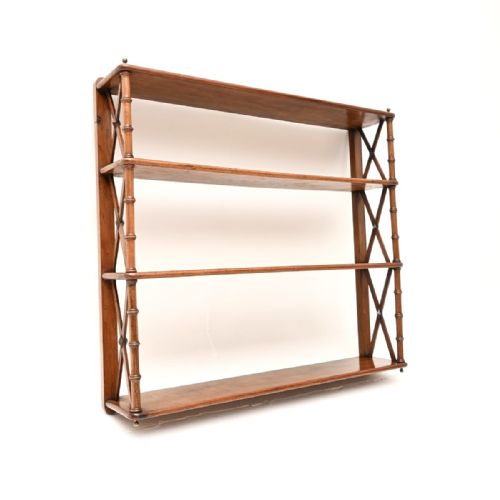
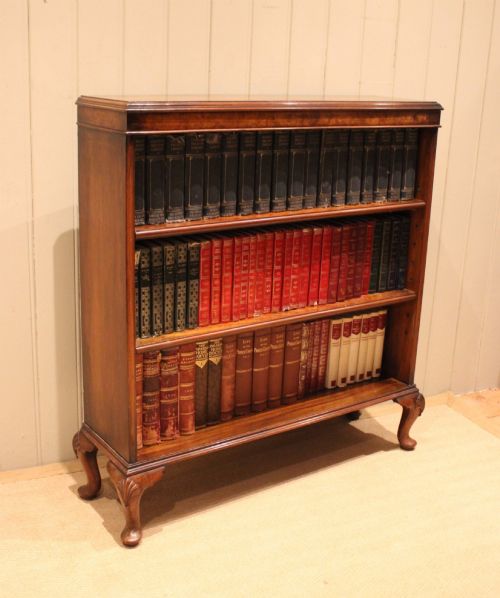
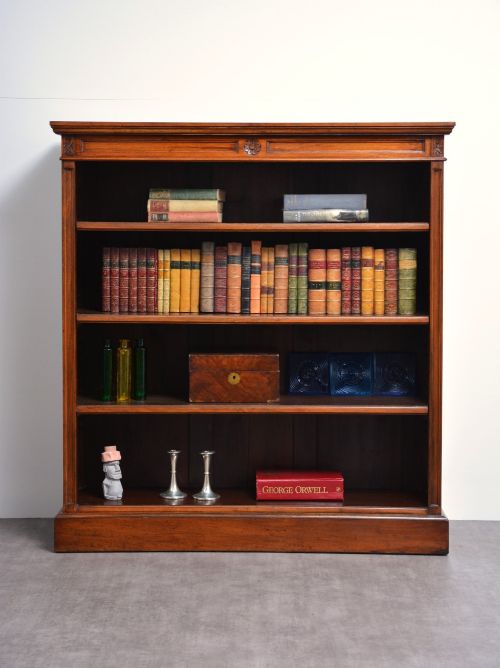
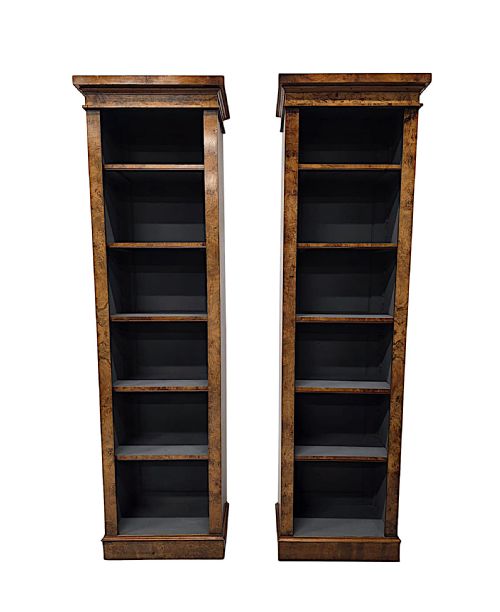
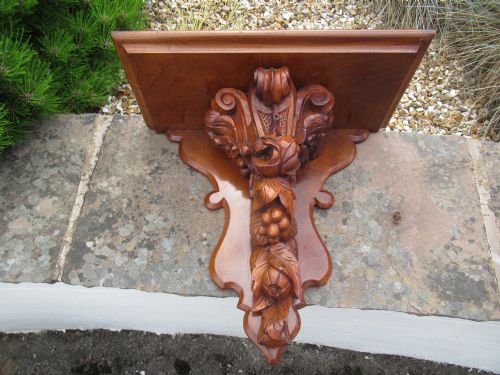
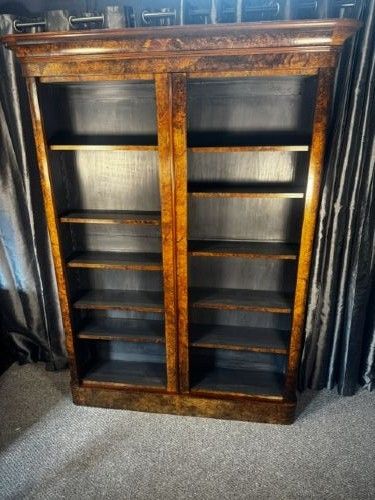
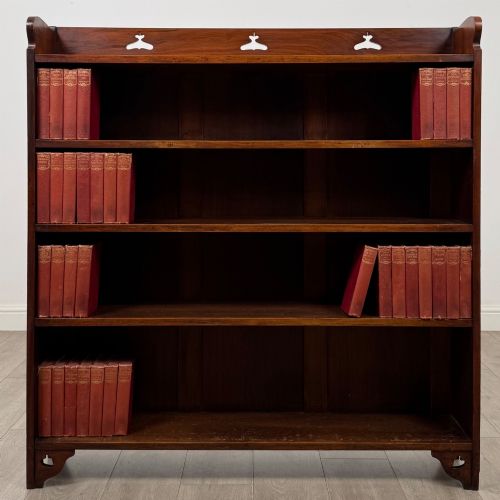
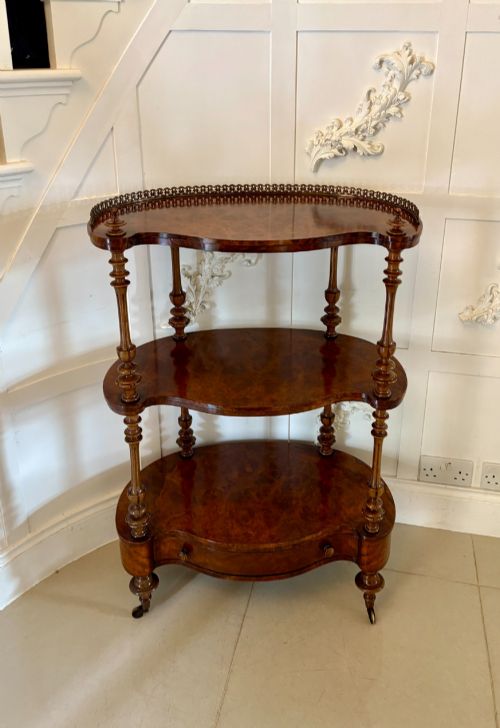
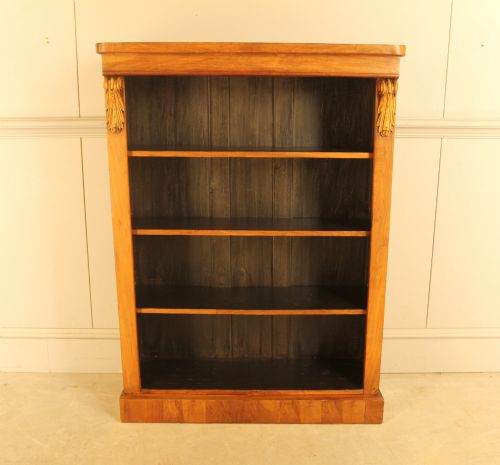
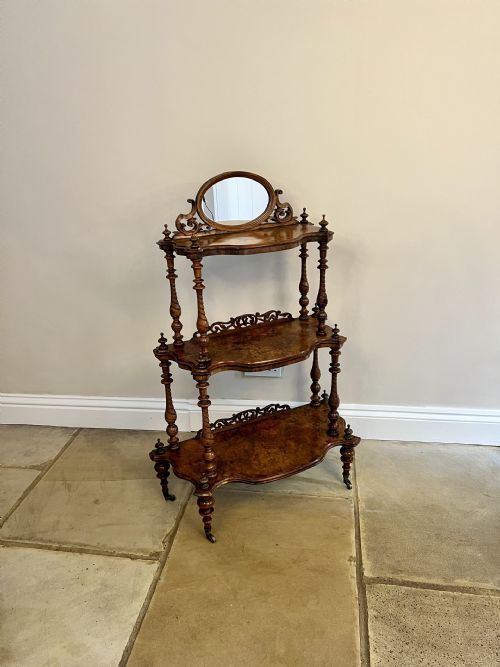
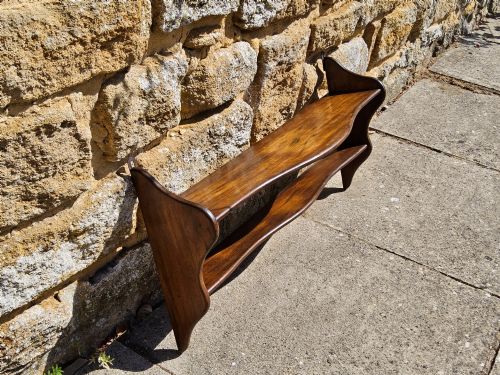
A brown walnut shelf covers open bookcases, wall brackets, hanging cabinets, and multitiered whatnots designed to hold books and decorative objects. You will frequently encounter Victorian and Edwardian examples alongside pieces from the Art Deco period and the nineteenth century.
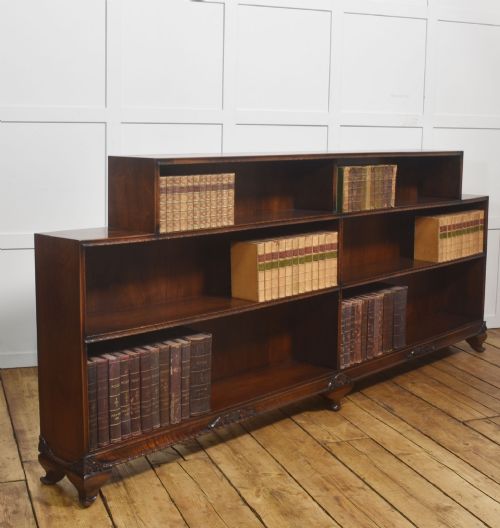
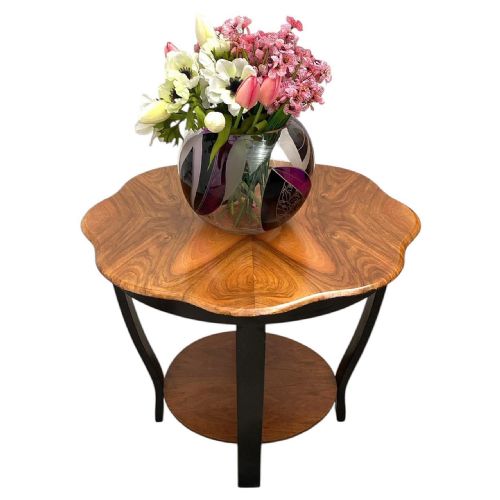
Makers shaped these brown walnut shelf designs in various forms, from large breakfront libraries and stepped bookcases to small wall-mounted brackets and corner display units. The wood appears in plain grain, figured timber, and decorative burr veneers.
Originating predominantly from British and continental workshops, these items serve as functional storage furniture that doubles as architectural wall decor. The selection ranges from straightforward low open bookcases to elaborate serpentine whatnots.
How they were made
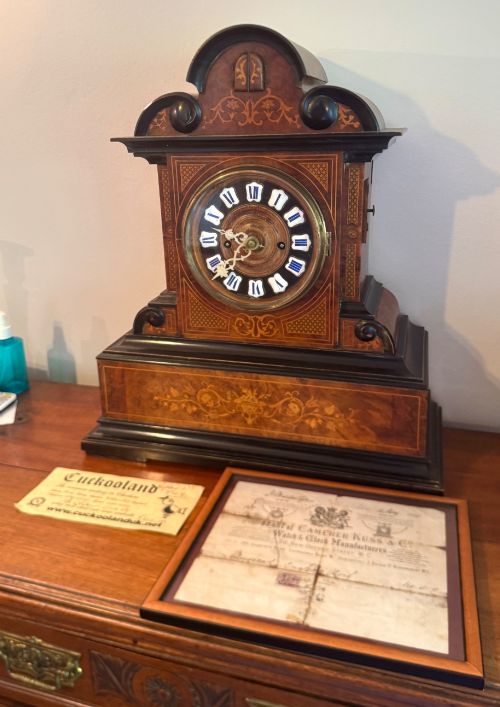
Cabinetmakers constructed these pieces primarily using solid walnut and pine carcases overlaid with decorative walnut veneer or highly figured burr walnut. Brass fittings, gilt metal mounts, and glass elements often supplement the wooden structures.
Construction techniques include traditional joinery alongside applied marquetry, ebonised details, and turned legs. Workshops applied polished finishes to highlight the natural grain patterns and rich brown tones of the timber.
Carved wooden owls keep watch over the library from a pair of Black Forest bookends.
What varies in quality
The choice of timber creates the primary distinction, with highly figured burr walnut and book-matched veneers marking out more ambitious cabinetwork than plain walnut boards. Finer pieces display careful grain continuity across multiple sections and doors.
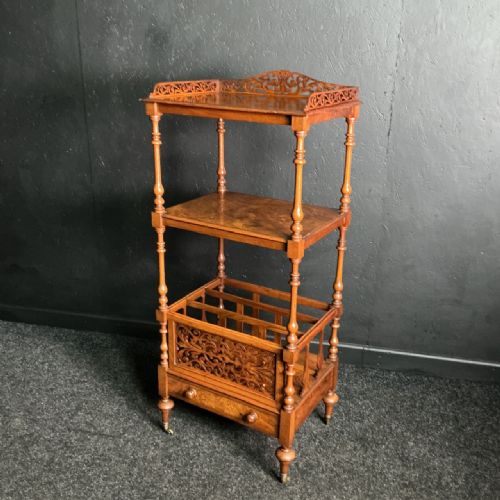
Execution of detail separates standard utility items from superior examples. Finely turned columns, intricate marquetry inlay, shaped serpentine fronts, and well-fitted adjustable shelving indicate higher craftsmanship.
H.A.C.·Haller
The Brown Walnut Shelf Glossary
- Burr walnut
- A veneer sliced from the growth warts of walnut trees, yielding intricate swirling grain patterns. This material was favoured for high-status Victorian and Edwardian cabinet furniture.
- Whatnot
- An open shelving unit with multiple tiers supported by slender columns or turned legs. It was designed for displaying ornaments, books, and bric-a-brac in principal rooms.
- Serpentine
- A curved furniture front characterised by a convex central section flanked by concave sweeps. This shape requires skilled joinery and adds movement to cabinets and whatnots.
- Etagere
- A piece of furniture consisting of a set of open shelves for displaying small objects. French examples often feature turned supports and refined proportions.
- Breakfront
- A large cabinet or bookcase where the central section projects forward from the flanking wings. This configuration breaks up a flat wall line and creates depth.
Brown Walnut Shelf: Frequently Asked Questions
What is a brown walnut shelf used for?
These pieces serve as wall-mounted displays or floor-standing bookcases intended to hold books, clocks, and decorative ceramics.
They provide accessible storage while adding warm timber tones to studies, living rooms, and hallways.
How do I date a brown walnut shelf?
Dating relies on stylistic clues, construction methods, and timber treatments that align with periods like the Victorian era or Art Deco.
Victorian pieces often feature rich burr walnut and turned supports, whereas 1930s examples lean towards stepped profiles and figured veneers.
Are walnut shelves adjustable?
Many of the open bookcases and library pieces feature adjustable shelving supported by wooden bearers or metal tracks.
Wall brackets and fixed whatnots generally retain their original static tier heights as designed by the maker.
How do I care for antique walnut?
Maintain the finish by keeping the timber away from direct heat sources and strong sunlight that can dry out the veneer.
Apply a traditional beeswax polish occasionally to nourish the grain and preserve the surface sheen.