


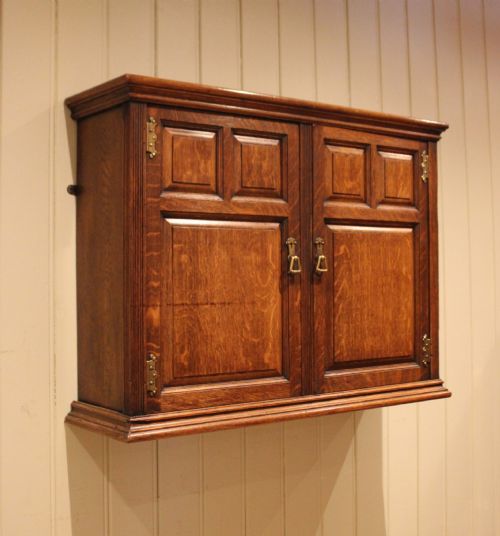
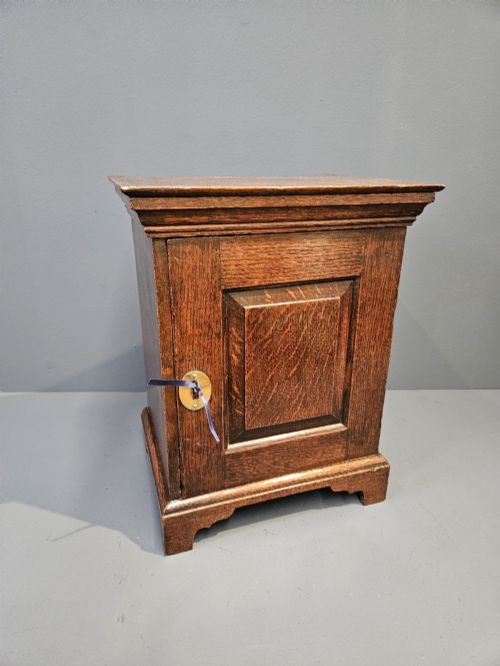
Small Hanging Wall Cabinet
A small hanging wall cabinet brings order to compact spaces while displaying modest treasures at eye level.
Small Hanging Wall Cabinet
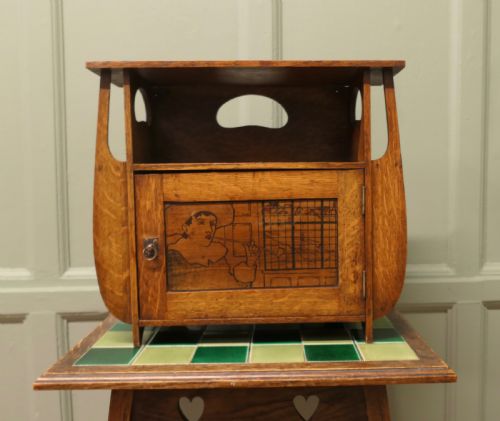
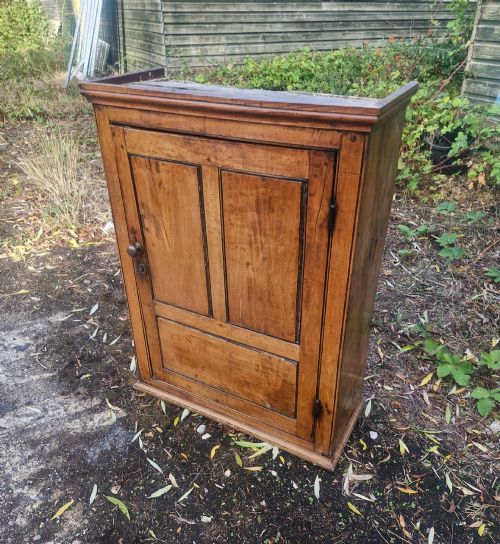
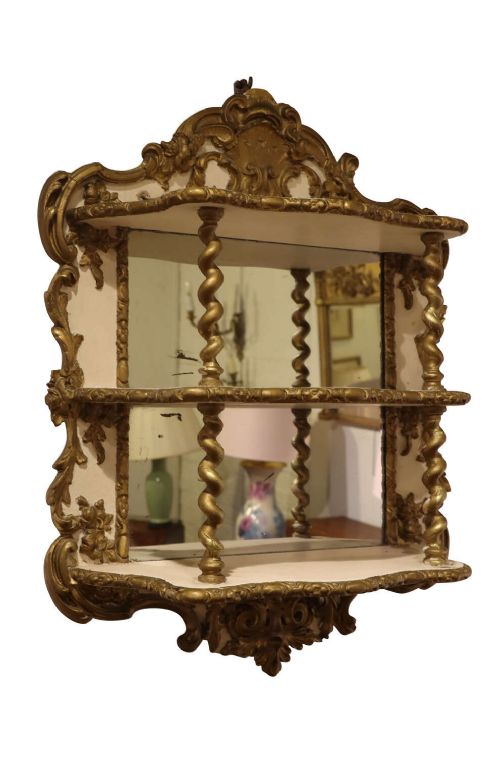
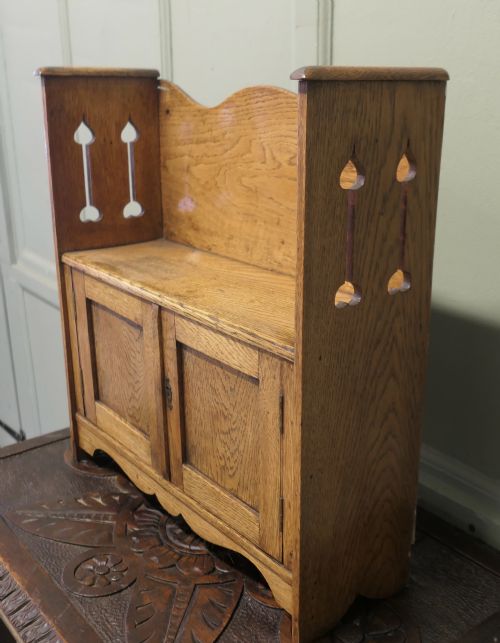
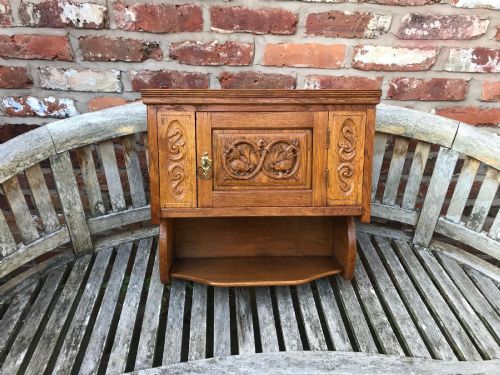
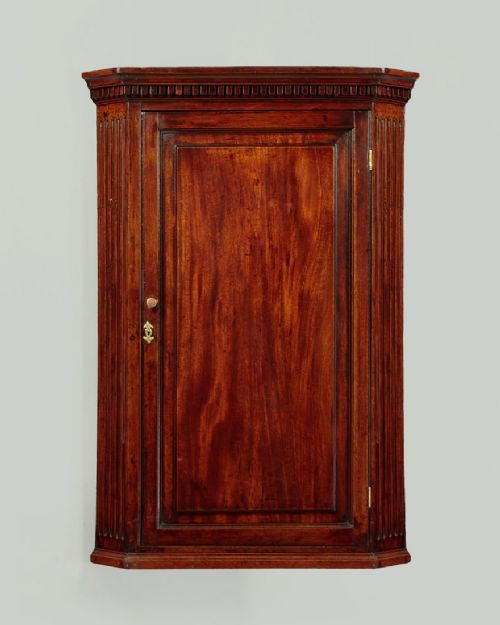
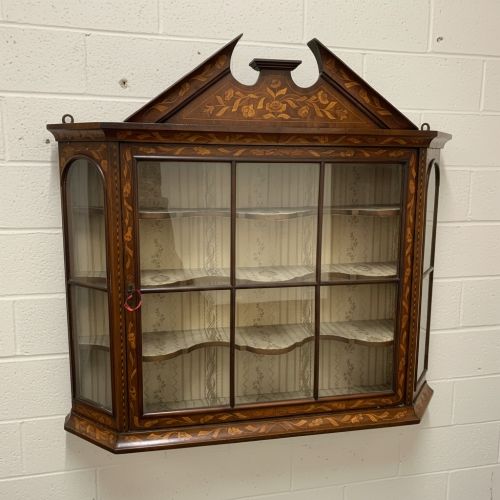
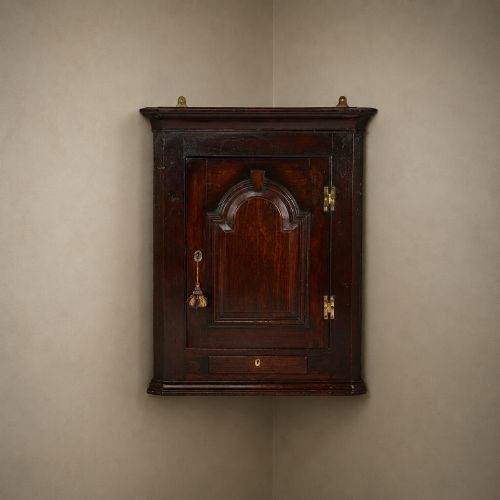
A small hanging wall cabinet serves to store spices, keys, books or precious items directly on a room partition without claiming floor area. When searching for this phrase, buyers encounter varied forms including corner cupboards, spice boxes, étagères and glazed display units.
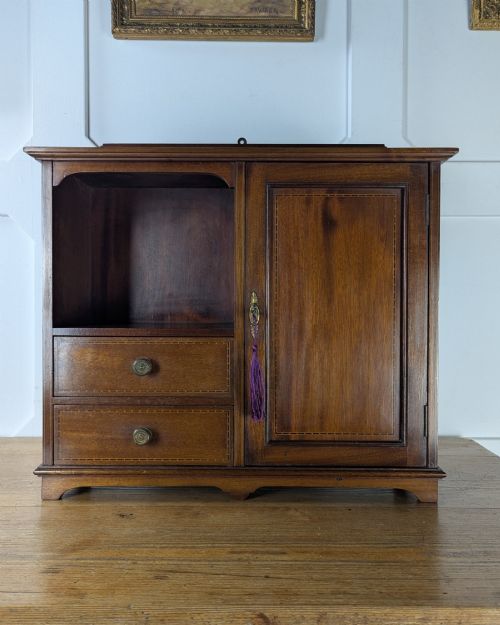
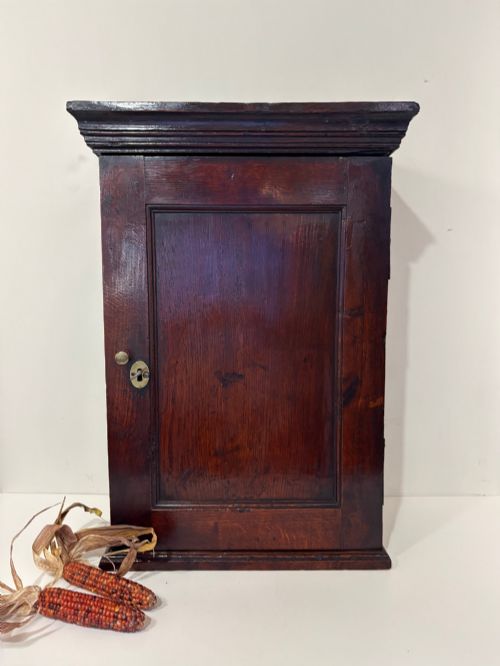
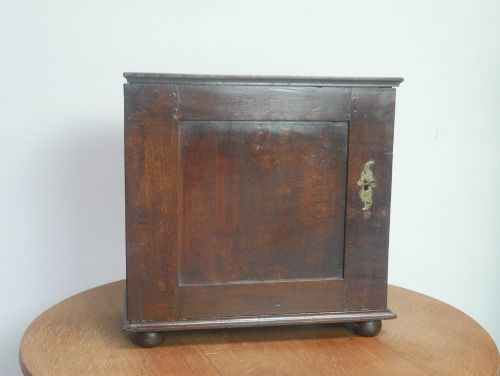
The pieces appearing on this page span several centuries, with robust oak spice cupboards from the eighteenth century sitting alongside slender Edwardian mahogany glazed units and rustic pine corner cupboards. Oak and pine dominate the early vernacular examples, whilst mahogany and satinwood appear frequently in later refined urban pieces.
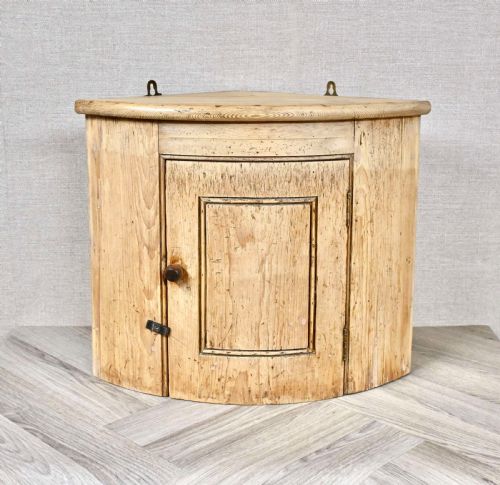
Corner variants make clever use of neglected angles in smaller rooms, whereas flat-backed wall cupboards offer straightforward placement above desks or sideboards. Many retain original brass hinges, key escutcheons and working locks that anchor their historical utility.
Assessing quality and merit
Superior examples demonstrate thoughtful timber selection, where boards display matched grain and minimal disturbance from modern repairs. Finer pieces incorporate delicate details such as crossbanding, string inlay, carved panels or shaped bracket feet.
Construction integrity separates master work from vernacular utility. Original brass hardware, intact glass panes, and sound internal shelving elevate a piece above standard utilitarian storage items.
The listings span from the seventeenth century through to the Art Deco period, encompassing oak, mahogany, walnut, satinwood, pine and limewood.
The Small Hanging Wall Cabinet Glossary
- Marquetry
- The art of forming decorative patterns by fitting together small pieces of wood veneer. This technique frequently graces the doors of Dutch and Georgian cabinets.
- Spice cupboard
- A small wall-mounted timber box containing multiple interior drawers. These vessels served to store expensive culinary spices in seventeenth and eighteenth century households.
- Étagère
- A piece of furniture consisting of a set of open shelves for displaying small objects. French revival examples often feature painted and gilt surfaces.
- Corner cupboard
- A triangular cabinet designed to fit snugly into the internal angle of a room. These units maximise storage efficiency in compact Georgian and Victorian interiors.
- Escutcheon
- A flat plate of metal surrounding a keyhole. Original brass examples help authenticate the period of the cabinet.
Small Hanging Wall Cabinet: Frequently Asked Questions
How do I hang a wall cabinet safely?
Most antique wall cabinets feature internal fixing points or sturdy brackets affixed to the rear stiles. Ensure you locate solid wall studs or use appropriate masonry fixings to bear the combined weight of the timber and its contents.
Distributing heavier items on the lower shelves maintains stability once the cabinet hangs on the partition.
What is the difference between a corner cupboard and a wall cabinet?
A corner cupboard possesses a triangular cross-section engineered specifically to slot into ninety-degree room angles. Standard wall cabinets feature flat backs designed for placement along linear wall surfaces.
Both types utilise wall-hanging mechanisms to save valuable floor space in domestic rooms.
How do I care for antique wood finishes?
Maintain timber surfaces by applying traditional beeswax sparingly with a soft cloth, avoiding modern silicone-based sprays that build up residue. Keep cabinets away from direct heat sources and strong sunlight to prevent timber shrinkage and fading.
Gentle dusting with a dry lint-free cloth preserves the polished patina accumulated over centuries.
Were these cabinets originally used in kitchens?
Many early oak spice cupboards and shallow wall units served culinary purposes in domestic kitchens and larders. Later Victorian and Edwardian examples often functioned as smokers' cabinets, key boxes or display units in parlours.
Their versatile proportions allowed owners to mount them in hallways, bedrooms and sitting rooms alike.