



Victorian Walnut Jardiniere
A victorian walnut jardiniere brings living foliage indoors with the rich grain and polished presence characteristic of nineteenth-century reception rooms.
Victorian Walnut Jardiniere
A victorian walnut jardiniere is a decorative plant holder or planter designed to display indoor greenery on stands, tables, or bucket forms. The pieces available here span from the mid nineteenth century into the early twentieth century, taking the shape of plant stands, occasional tables, and coopered buckets.
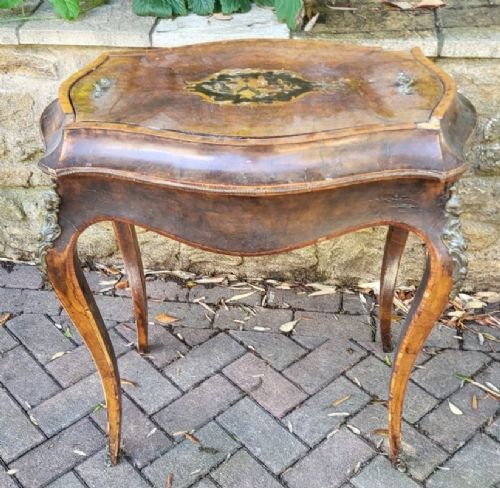
The dominant style is Victorian, accompanied by Art Nouveau, revival aesthetics such as Louis XV and Louis XVI, and occasional Georgian influences. Buyers most frequently encounter burr walnut versions featuring marquetry inlay and lift-off lids.
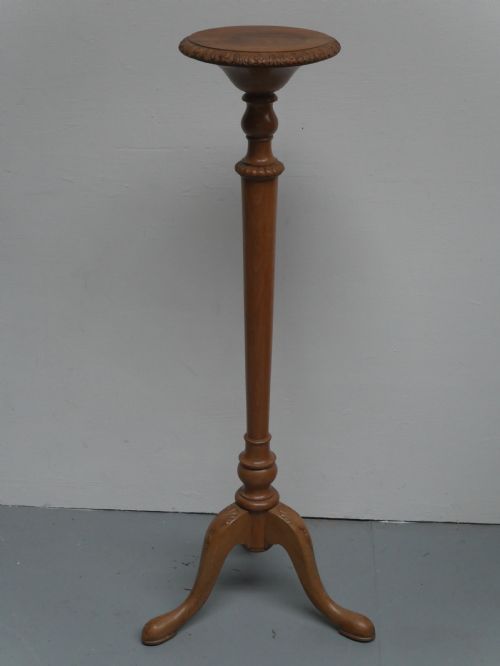
Makers utilised specific forms to serve as side tables or wine coolers alongside their primary botanical function. The inventory ranges from tall carved stands to low inlaid tables with internal metal linings.
Materials and construction
Makers constructed these pieces primarily from walnut and burr walnut veneers, often laid over secondary woods to showcase rich figuration. Marquetry inlay in lighter timbers frequently decorates the body of the planter.
Metal components such as brass, ormolu, and zinc provide functional liners and decorative mounts to protect the wood from moisture. Coopered stave construction appears in bucket forms alongside carved solid walnut details.
Internal elements include removable metal liners or lift-off lids that convert the jardiniere table into a flat surface when not holding plants.
Victorian Walnut Jardiniere Retail Price Guide 2026
Typical asking prices for victorian walnut jardiniere among the pieces listed under this phrase on Sellingantiques today, from the lower quarter to the upper quarter. They describe what is for sale here now, not the wider market.
Listings feature walnut and burr walnut predominantly, supplemented by brass, zinc, and ormolu hardware across Victorian and Art Nouveau styles.
Distinctions in quality
Quality rests in the selection of burr walnut veneer and the precision of the marquetry inlay across the body. Superior examples display intricate floral patterns and balanced grain matching on all visible sides.
The sophistication of the carving on structural elements and the crispness of brass or ormolu mounts separate standard production from finer workshop output. Original metal liners and lift-off lids intact within the structure elevate the piece.
Proportion and stability in taller plant stands and table forms indicate the skill of the original maker. Finer items integrate secondary functions, such as wine cooling, without compromising the elegance of the silhouette.
The Victorian Walnut Jardiniere Glossary
- Burr walnut
- A highly figured timber taken from the wart or burl growth of a walnut tree. It produces swirling patterns prized in nineteenth-century cabinet making.
- Marquetry
- The art of applying pieces of veneer to a structure to form decorative patterns and pictures. Craftsmen used contrasting woods to create floral motifs on these planters.
- Coopered
- Made with narrow staves of wood joined together side by side and bound with metal bands. This technique derives from barrel-making and appears in bucket-style jardinieres.
- Ormolu
- Gilded bronze used for decorative mounts and feet on furniture. It adds bright metallic contrast to dark walnut surfaces.
- Jardiniere
- A decorative pot or stand for holding plants or flowers. In this period, the form evolved into elaborate furniture pieces for domestic interiors.
Victorian Walnut Jardiniere: Frequently Asked Questions
How were these used in period homes?
These planters housed potted palms and ferns in nineteenth-century drawing rooms and parlours. The plants brought natural greenery inside while the wooden stands protected the carpets and flooring.
Many designs doubled as side tables or wine coolers through the addition of a lift-off lid. This versatility allowed them to serve practical functions during domestic gatherings.
Can I put real plants inside them?
Most examples contain a metal or zinc liner designed to hold moisture and soil safely away from the wood. Using these original or replacement liners protects the antique timber from water damage.
For pieces without a watertight insert, placing a potted plant inside a separate saucer prevents direct contact with the interior surface.
How do I care for walnut furniture?
Keep the wood away from direct sunlight and strong heat sources to prevent the burr walnut veneer from drying and splitting. Regular dusting with a soft, dry cloth preserves the polished finish.
Occasional application of appropriate wax maintains the lustre of the timber without building up heavy residues.
How do I distinguish between periods?
Mid-nineteenth century pieces often feature rich burr walnut veneers with classical Revival proportions. Later nineteenth-century examples incorporate Art Nouveau carvings or French Louis style influences.
Construction methods and hardware styles provide further clues, as earlier items rely on hand-cut dovetails and heavy brass fittings.