



Antique Indoor Planter Stand
An antique indoor planter stand brings nature inside through refined woodwork and metalwork spanning the Victorian and Edwardian eras.
Antique Indoor Planter Stand
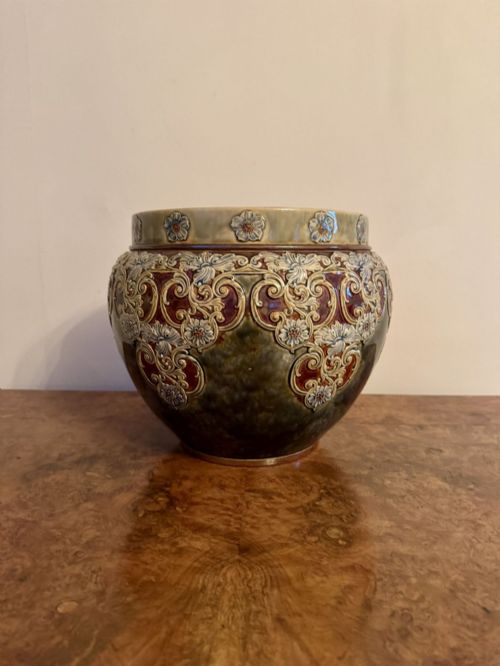
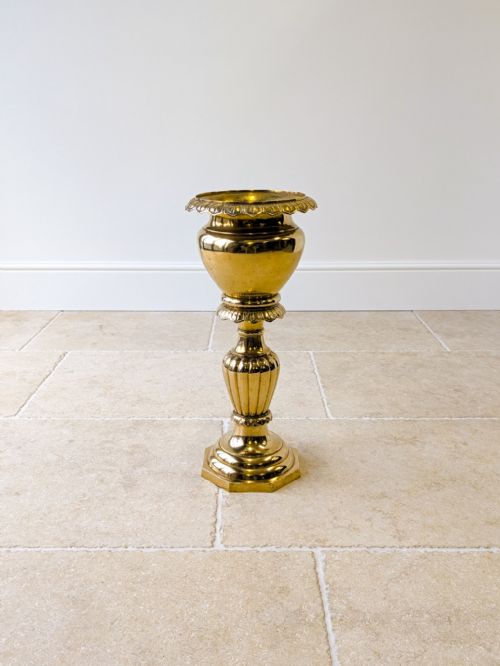
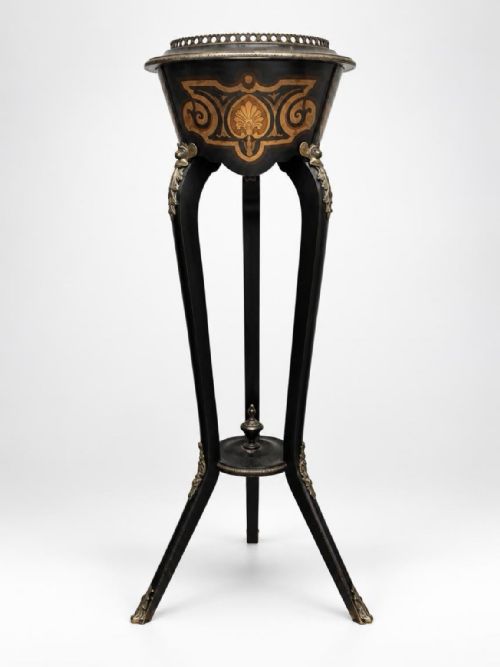
An antique indoor planter stand serves to display interior greenery using furniture forms like jardiniere tables, pedestals, and cache pots. Buyers examining this page encounter pieces originating primarily from the Victorian and Edwardian periods, alongside examples reflecting Regency and Arts & Crafts aesthetics.
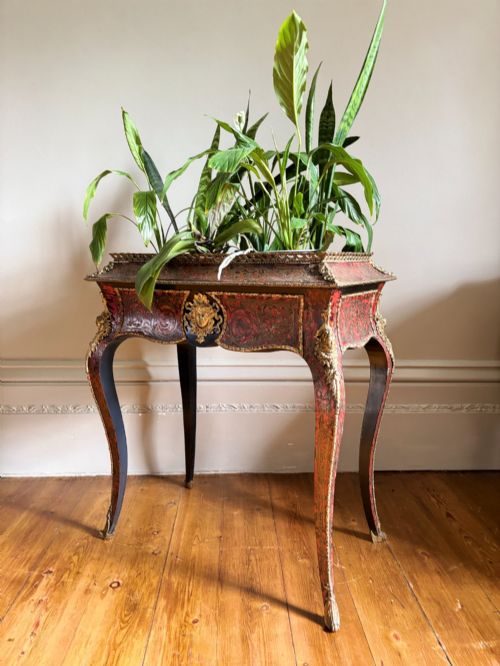
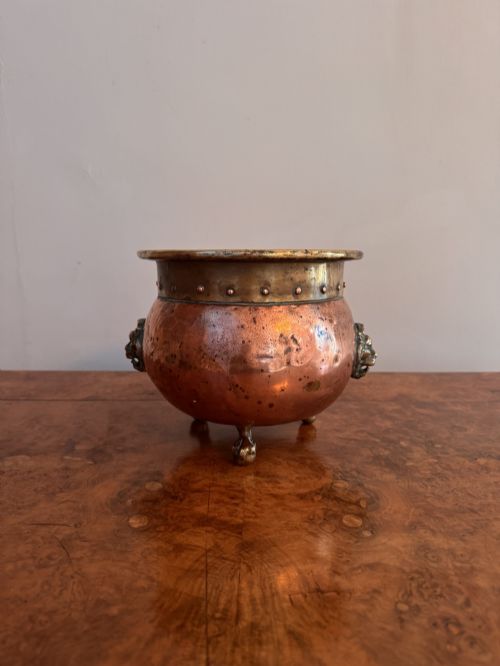
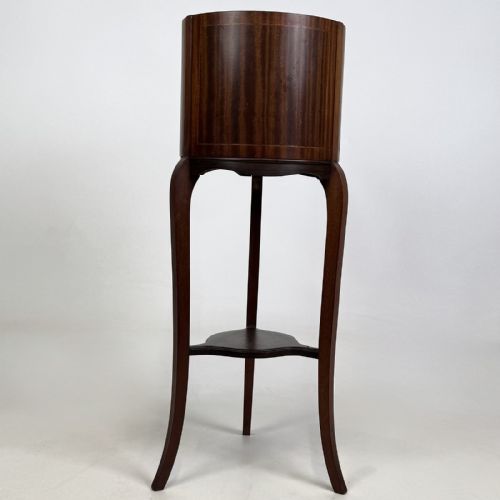
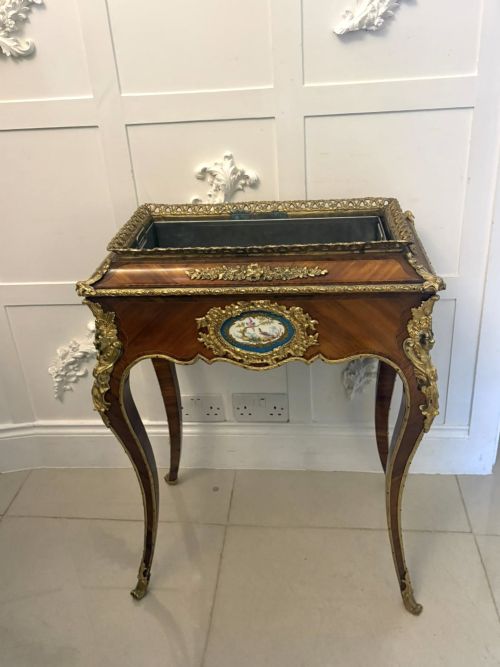
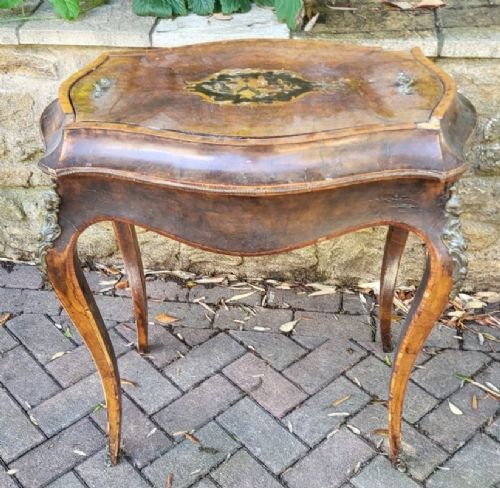
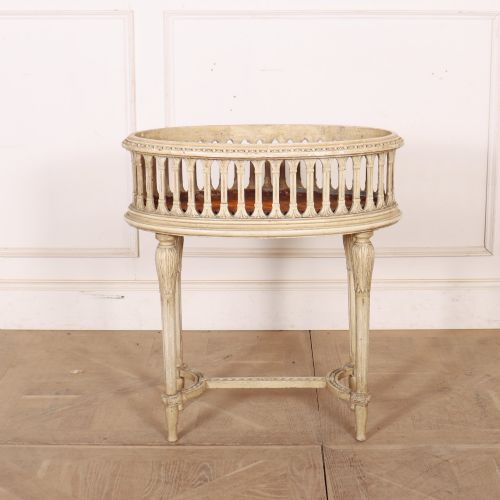
The selection ranges from simple oak and mahogany plant stands to elaborate French ormolu-mounted walnut and satinwood jardinieres. Makers and craftsmen utilised various configurations, including lift-off lids, brass-lined pots, and paired holders designed specifically for domestic interiors.
Materials and construction methods
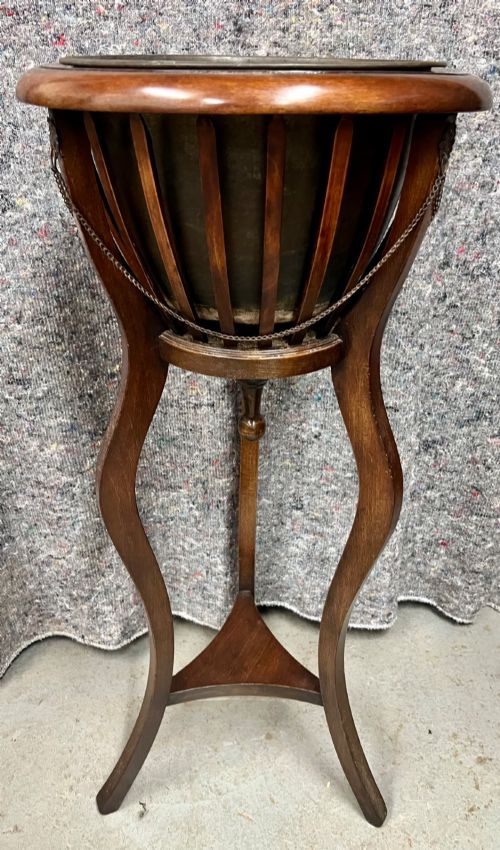
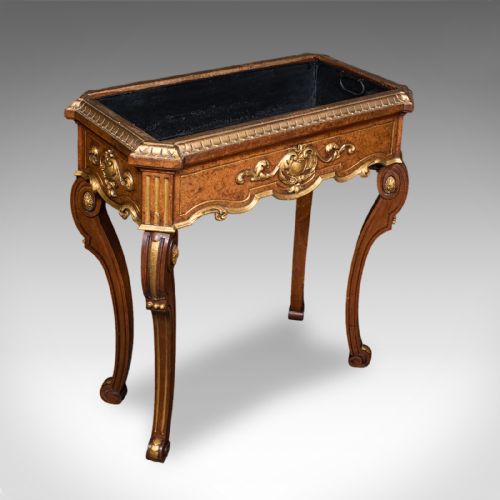
Cabinetmakers constructed these stands using hardwoods such as mahogany, walnut, burr walnut, satinwood, and kingwood, frequently incorporating marquetry inlay, ebonisation, or giltwood. Metal elements appear extensively through cast ormolu mounts, copper pots, wrought iron frames, and brass linings designed to hold soil and water safely.
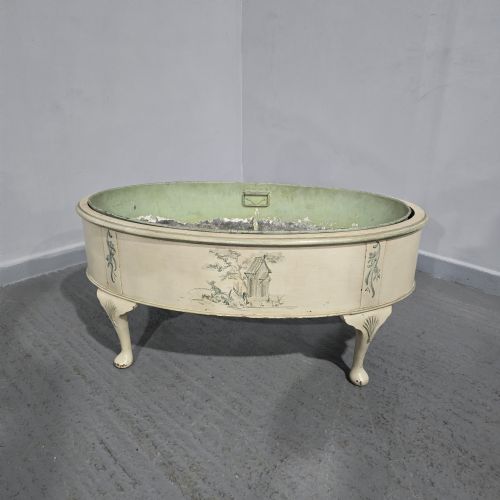
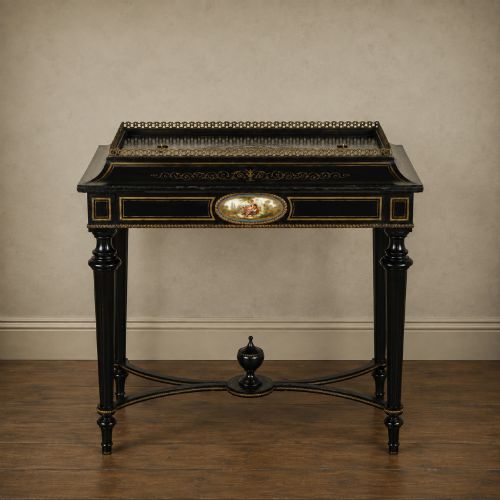
Many examples feature specialised joinery and decorative details like painted porcelain plaques, carved alabaster, majolica ceramics, or coopered barrel construction. Liners made of zinc or metal protect the surrounding wooden frames from moisture damage during daily use.
Antique Indoor Planter Stand Retail Price Guide 2026
Typical asking prices for indoor planter stand among the pieces listed under this phrase on Sellingantiques today, from the lower quarter to the upper quarter. They describe what is for sale here now, not the wider market.
Several stands feature lift-off lids that successfully disguise domestic shrubbery as elegant tea caddies until watering day arrives.
Assessing quality in planter stands
Quality rests upon the selection of timber figures, such as burr walnut or figured mahogany, paired with crispness in woodcarving and marquetry. Superior examples exhibit finely chased ormolu mounts and intact original porcelain or ceramic inserts rather than later replacements.
Structural integrity and the retention of original waterproof liners determine the practical standard of a piece. Finer items demonstrate careful attention to internal joinery and secondary timbers, ensuring stability when loaded with heavy plants.
The Antique Indoor Planter Stand Glossary
- Jardiniere
- An ornamental pot or stand designed to hold flowers or plants indoors. These vessels often sit within dedicated wooden or metal frames.
- Ormolu
- Gilded bronze mounts applied to furniture for decoration. This technique gained prominence in French and English luxury cabinetmaking.
- Marquetry
- Decorative patterns formed by fitting together thin veneers of wood. Artisans used contrasting timbers to create geometric or floral scenes.
- Cache pot
- An outer decorative flower pot that conceals a plain growing container. They frequently sit upon matching stands or tables.
- Coopered
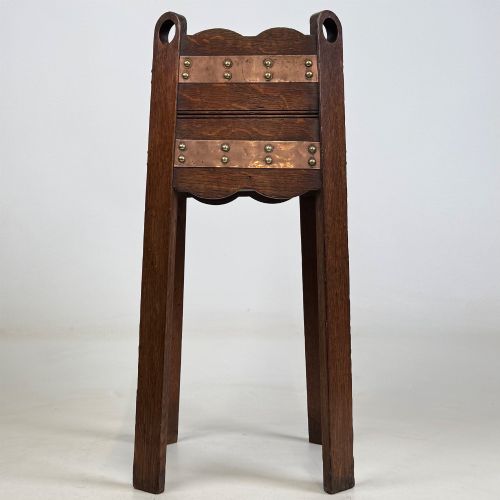
- Built from wooden staves joined together with metal bands, mimicking barrel construction. This technique appears in oak plant stands.
Antique Indoor Planter Stand: Frequently Asked Questions
What is an antique indoor planter stand?
An antique indoor planter stand is a piece of furniture built to hold houseplants and floral displays inside the home. These items range from small wooden tables with built-in metal liners to tall pedestals supporting ceramic pots.
Craftsmen produced them in various styles during the nineteenth and early twentieth centuries to elevate greenery off the floor. They combine decorative cabinetmaking with practical waterproof containers for interior horticulture.
How were planter stands used historically?
Victorian and Edwardian households utilised these stands to bring botanical specimens into principal living spaces like drawing rooms and parlours. Plants demonstrated household refinement and connected interior domestic life with the natural world.
Waterproof metal or zinc liners protected the surrounding wooden furniture frames from damp soil and moisture during watering. Some designs incorporated lift-off lids or removable pots for easy plant maintenance.
How can I tell Victorian from Edwardian stands?
Victorian pieces often display heavier proportions, darker woods, and ornate decoration such as French Rococo or heavy burr walnut marquetry. They frequently utilise cast brass mounts and deep, rich wood tones.
Edwardian examples tend to feature lighter satinwood, simpler geometric lines, and influences from the Arts & Crafts movement. Their construction often highlights natural oak or copper elements alongside simpler inlay patterns.