
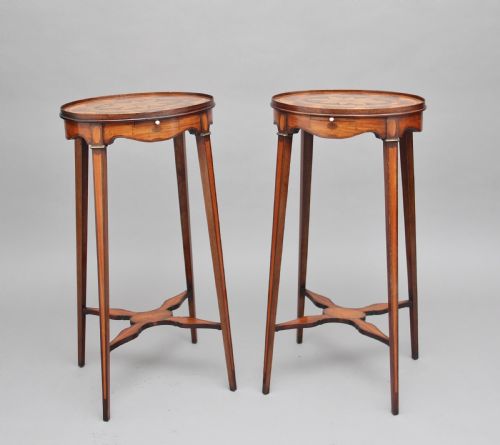


Edwardian Inlaid Plant Pedestal
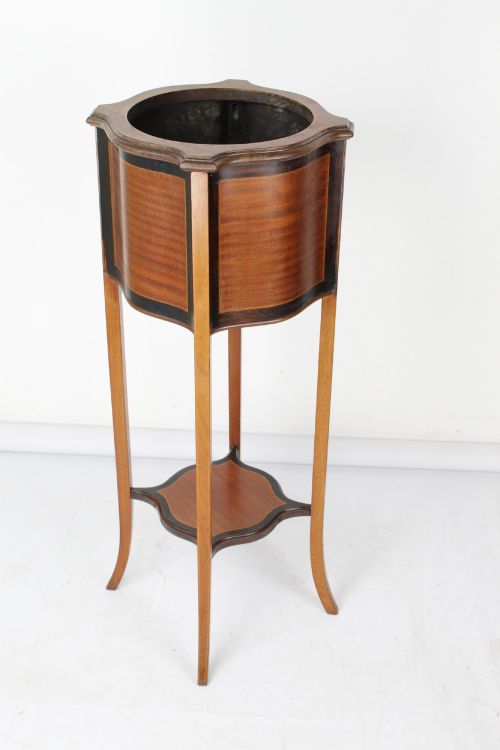
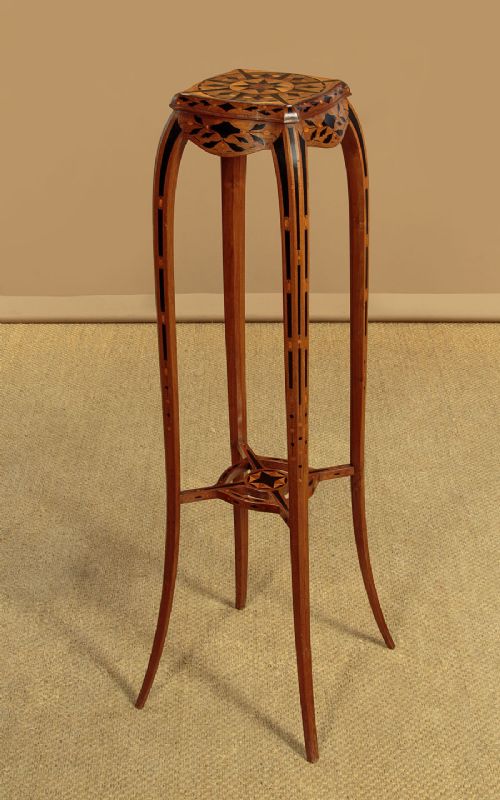
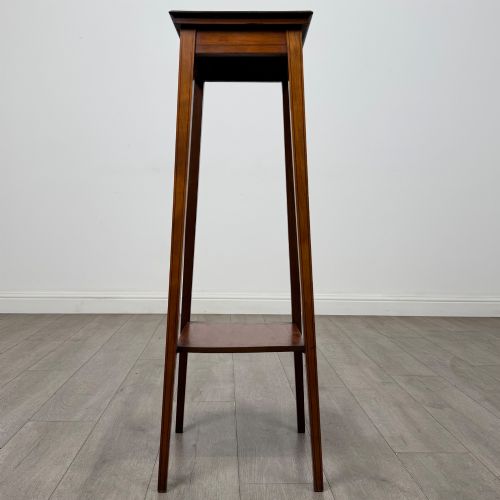
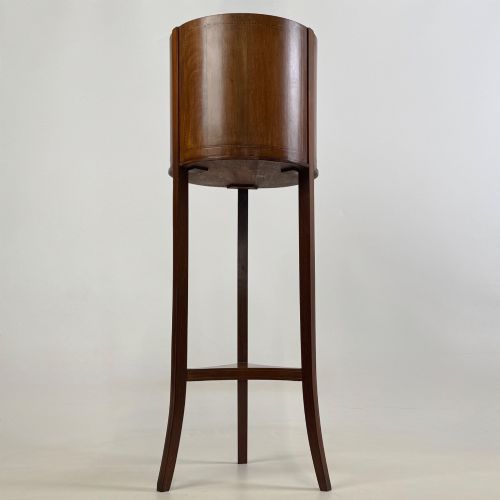
These Edwardian inlaid plant pedestal pieces bring height and elegance to a room, offering a slender stage for your favourite flora.
Edwardian Inlaid Plant Pedestal
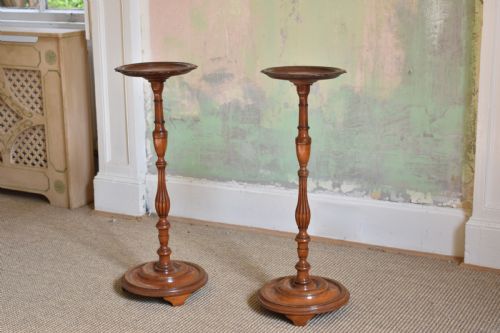
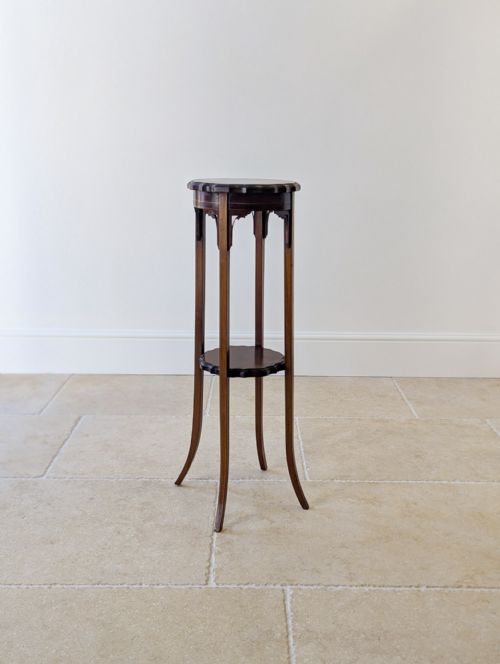
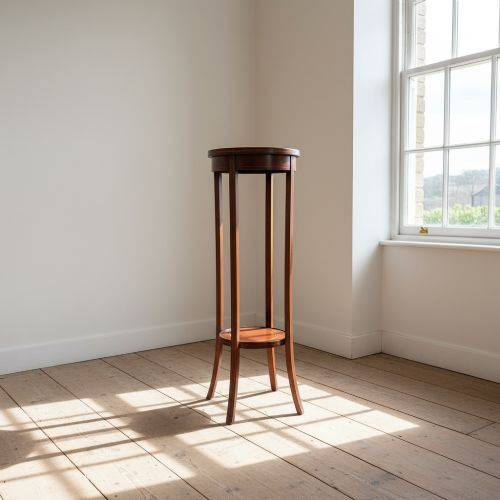
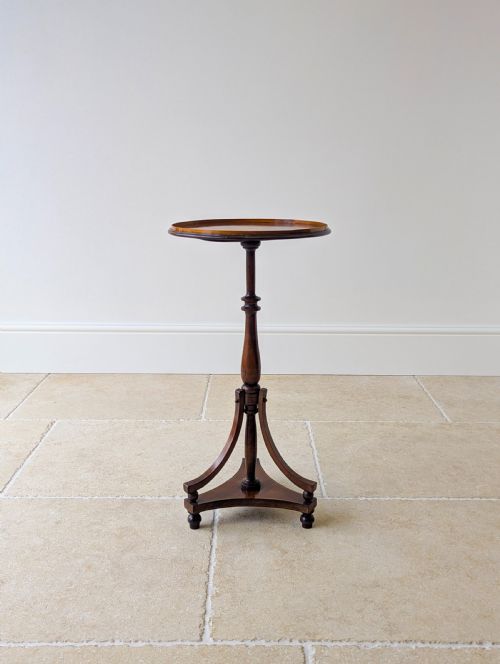
An Edwardian inlaid plant pedestal serves as a raised platform designed to display plants, urns, or torcheres within domestic interiors. When exploring the available selections, buyers frequently encounter Edwardian plant stands and torchere stands alongside occasional tables and wine tables.
The objects span periods from the Edwardian era and circa 1900 to Georgian Revival and Sheraton Revival styles, reflecting both original early twentieth-century manufacture and later revivals. Formats range from single slender columns to matched pairs of tall wine tables and jardiniere stands.
Most examples originate directly from the Edwardian period or around 1900, constructed predominantly as tall, narrow tables or columns. These pieces function equally well as candle stands, urn stands, and side tables depending on the specific top surface and height.
How they were made
Cabinet makers utilised mahogany as the primary timber body for these stands, frequently pairing it with contrasting woods such as satinwood, walnut, rosewood, and ebony. The structural frames rely on solid turning and joinery to support slender columns and pedestals.
Decoration is achieved through intricate inlay work featuring satinwood, boxwood, and specimen wood details. Selected pieces also incorporate metal elements alongside traditional wood marquetry to define the panels and borders.
Some specimens feature enough contrasting woods to double as a timber encyclopedia.
What varies in quality
The refinement of the inlay work marks the distinction between standard production and superior examples. Crisp execution of boxwood and satinwood banding demonstrates the skill of the cabinet maker.
Choice of timber grain and the complexity of the turned column structure dictate the visual weight and elegance of the pedestal. Paired items and pieces incorporating diverse specimen woods show greater ambition in their design.
The Edwardian Inlaid Plant Pedestal Glossary
- Torchere
- A tall, slender stand designed specifically to support a lamp, candle, or small decorative object. Originating in earlier centuries, these tall supports remained popular in Edwardian interiors for vertical display.
- Inlay
- A decorative technique where pieces of contrasting timber, such as satinwood or boxwood, are inserted into recesses within the primary mahogany surface to form geometric or floral patterns.
- Jardiniere stand
- A specialised piece of furniture built to hold a heavy plant container or flower pot, often featuring reinforced tops or protective galleries.
- Sheraton Revival
- A late nineteenth and early twentieth-century design movement that reinterpreted the light, classical furniture styles of eighteenth-century designer Thomas Sheraton.
- Specimen wood
- Timber selected for its unusual grain, colour, or natural markings, assembled to create decorative mosaic patterns on table tops and pedestals.
Edwardian Inlaid Plant Pedestal: Frequently Asked Questions
What is an Edwardian plant pedestal?
An Edwardian plant pedestal is a tall, slender piece of furniture designed to elevate plants, urns, or decorative objects within a room.
These pieces typically feature mahogany frames decorated with contrasting wood inlays and date from the early twentieth century or draw upon Georgian revival styles.
How were plant pedestals used?
Households used these stands in hallways, drawing rooms, and parlours to display potted plants, trailing foliage, or decorative jardinieres at eye level.
Their narrow footprint allowed them to occupy corners and tight spaces where standard tables would not fit, while also serving as torchere or candle stands.
How do I identify the style?
Identification relies on observing the combination of Edwardian or Georgian Revival design characteristics, slender columns, and inlaid geometric banding.
The presence of specific timber choices like satinwood inlay alongside turnings helps distinguish original early twentieth-century pieces.