





Victorian Vanity Chest
A victorian vanity chest organises personal grooming and dressing items inside timber cases and fitted drawers.
Victorian Vanity Chest
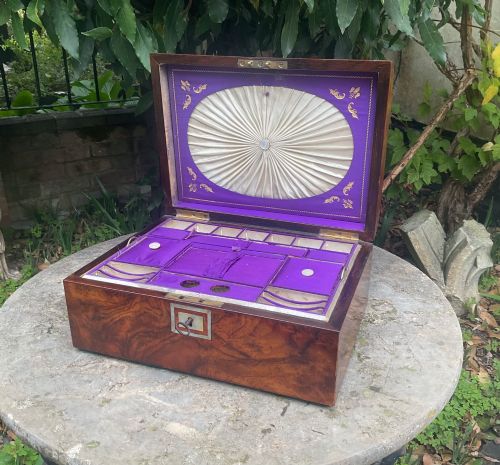
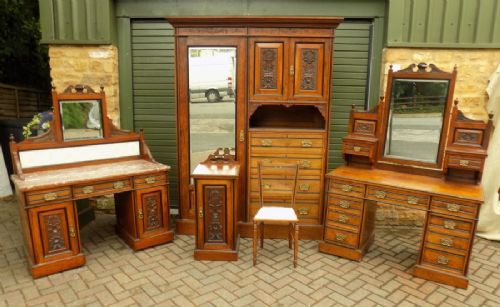
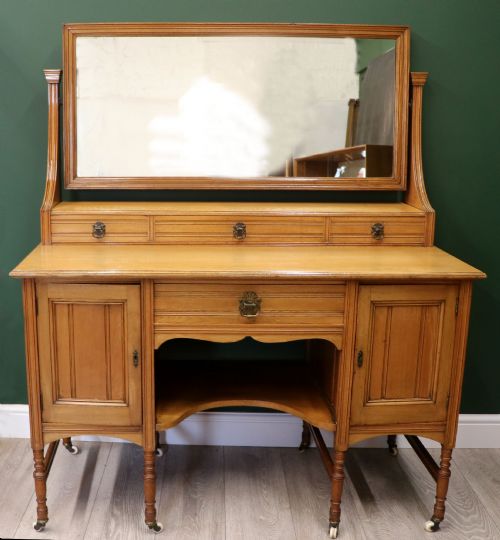
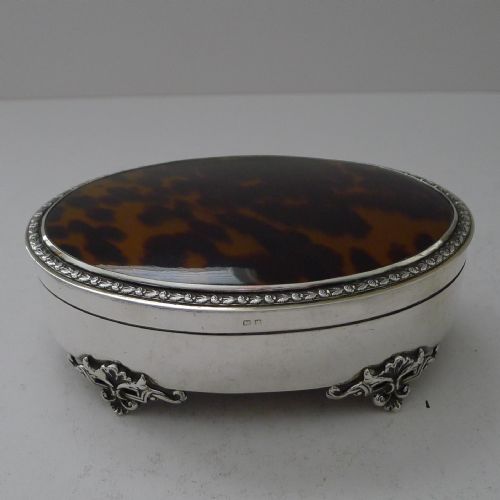
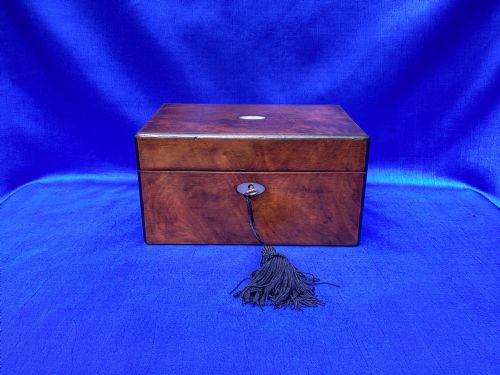
A victorian vanity chest takes the form of dressing tables, washstands, and smaller tabletop boxes designed to hold cosmetics and jewellery. These pieces serve domestic dressing rooms with compartments for everyday grooming apparatus.
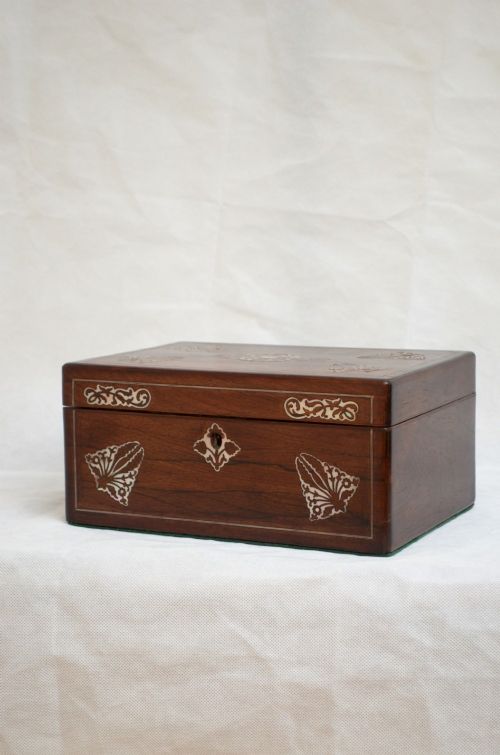
Makers construct these items from the Victorian period through the Edwardian era, spanning varieties like the burr walnut duchess dressing table and smaller rosewood scent caskets. Buyers encounter mahogany and pine dressing chests alongside compact table top boxes.
The selection includes specialised workboxes and sewing chests alongside larger pedestal dressing tables fitted with swing mirrors. Oak arts and crafts examples and gothic revival variants complete the range seen on the page.
Materials and construction
Craftsmen build the carcasses using dense hardwoods like mahogany, walnut, and rosewood, often applying burr walnut veneers to display dramatic grain patterns. Pine serves for painted or scumble glazed bedroom furniture.
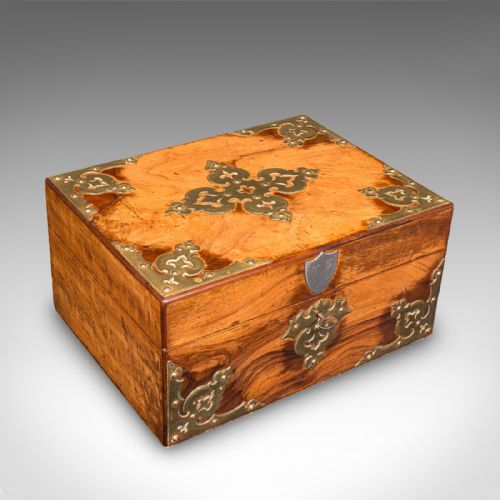
Makers integrate brass hardware, mother of pearl inlay, marquetry, and ormolu mounts to ornament the exterior surfaces. Glass mirrors, marble tops, and silk or velvet linings complete the internal and external presentation.
Some dressing chests include concealed candle sconces to illuminate the mirror during dark Victorian mornings.
Distinctions in standard
Quality separates through the selection of timber veneers and the precision of marquetry or mother of pearl inlay work. Superior examples display integration of fitted internal trays, secret compartments, and heavy sterling silver or gilt bronze mounts.
The integrity of the original interior lining and the crispness of carved wooden details distinguish finer pieces from standard utilitarian bedroom furniture. Maker attribution also elevates the standing of an individual dressing chest.
Edwards & Roberts·Drew & Sons·Wright & Hunter of Belfast·Gillows·Harris Lebus of London
The Victorian Vanity Chest Glossary
- Burr walnut
- A figured timber harvested from walnut tree growths, displaying intricate swirling grain patterns highly prized for veneer work on Victorian furniture.
- Duchess dressing table
- A grand dressing table style featuring a large central swing mirror supported by small jewellery drawers above a central table.
- Ormolu
- Gilded bronze mounts applied to furniture edges and box corners, providing decorative contrast against dark rosewood and walnut timbers.
- Scumble glaze
- A decorative paint technique applied to pine surfaces to imitate the grain and colour of more expensive hardwood timbers.
- Scent casket
- A small timber box fitted internally with glass bottles for holding perfume, secured with a brass lock.
Victorian Vanity Chest: Frequently Asked Questions
What is a vanity chest?
A vanity chest is a specialised piece of furniture or fitted box designed to store cosmetics, jewellery, and grooming tools.
These items range from small tabletop travel boxes to large pedestal dressing chests with integrated mirrors.
How do I date a Victorian vanity chest?
Dating relies on identifying timber choices, construction methods, and decorative styles typical of the nineteenth century.
Earlier pieces often use rosewood and mahogany with delicate inlay, while later Victorian and Edwardian examples utilise oak, pine, and lighter walnut.
Were these chests used for travel?
Certain compact boxes featuring brass corners and fitted leather interiors were made for officers and travellers.
Larger dressing tables and washstands remained stationary fixtures within domestic Victorian bedrooms.
How should I clean the wood?
Maintain timber surfaces by applying a traditional beeswax polish using a soft cloth.
Avoid using modern liquid cleaners or silicone sprays that damage antique polish.