

Victorian Two Door Sideboard
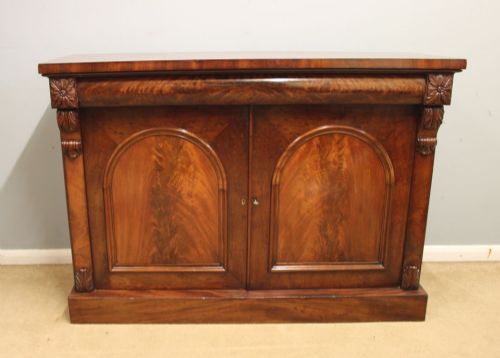
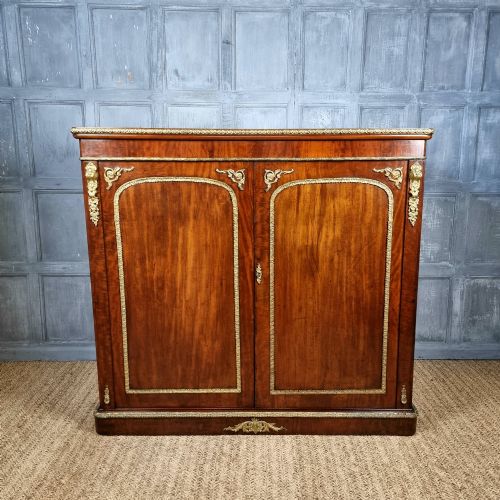
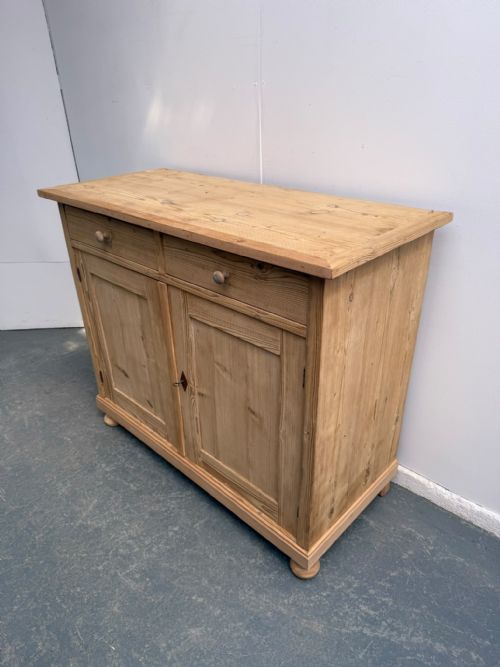
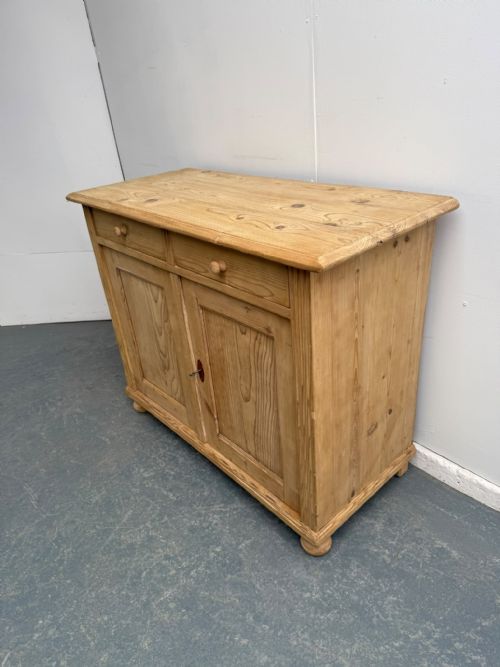
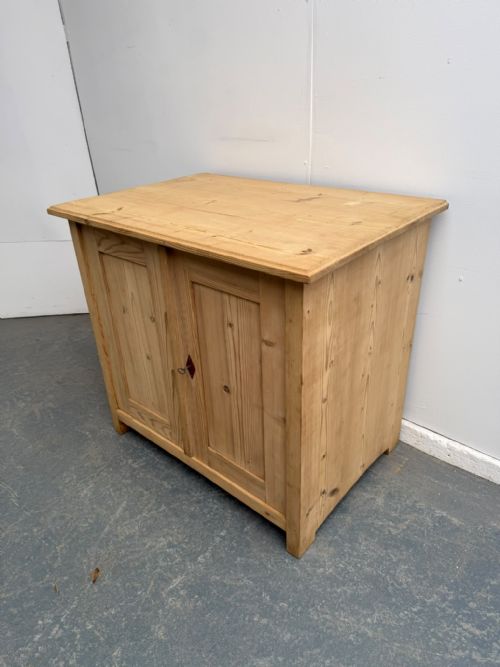
A victorian two door sideboard brings robust nineteenth-century utility and rich timber grain to a dining room or hallway.
Victorian Two Door Sideboard
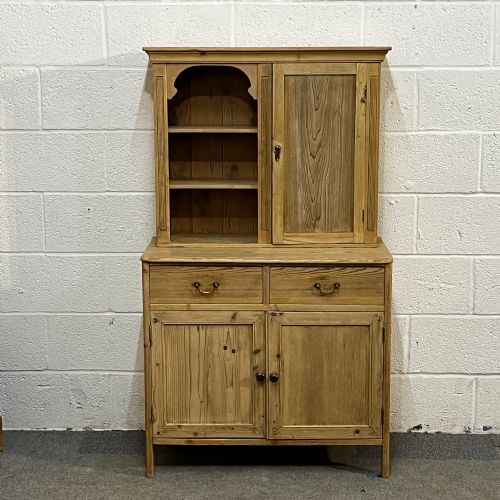
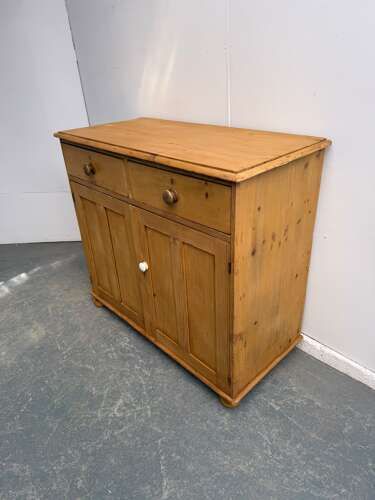
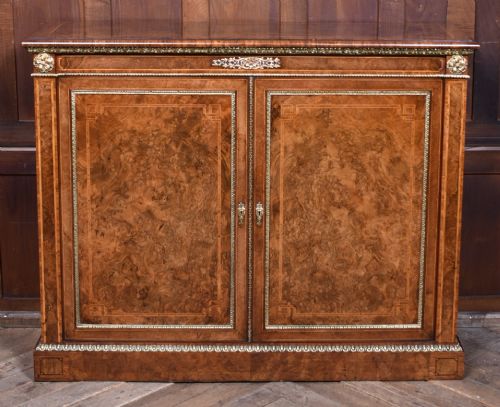
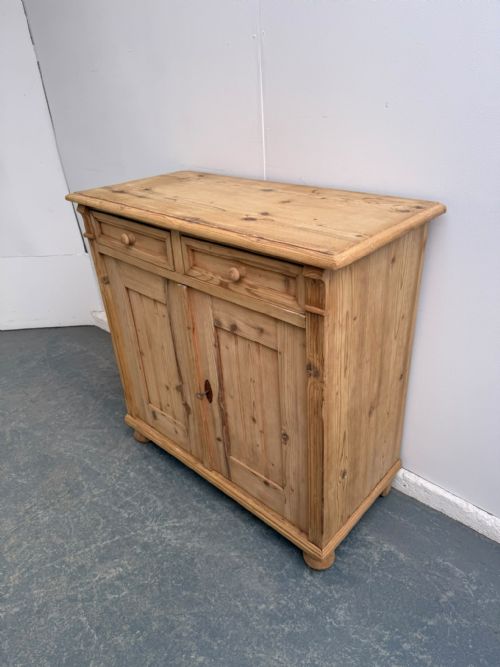
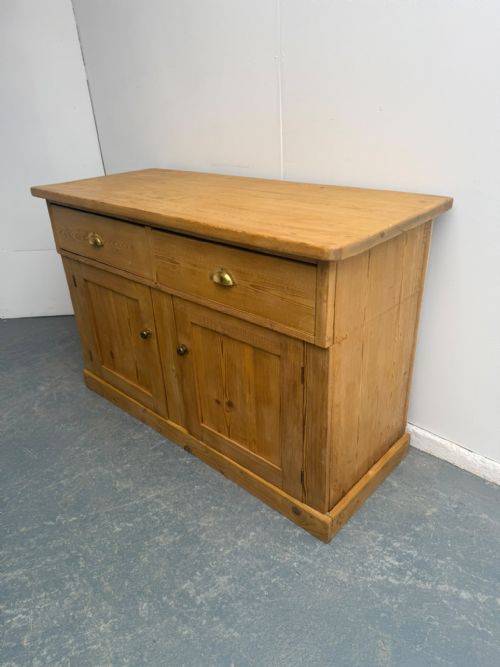
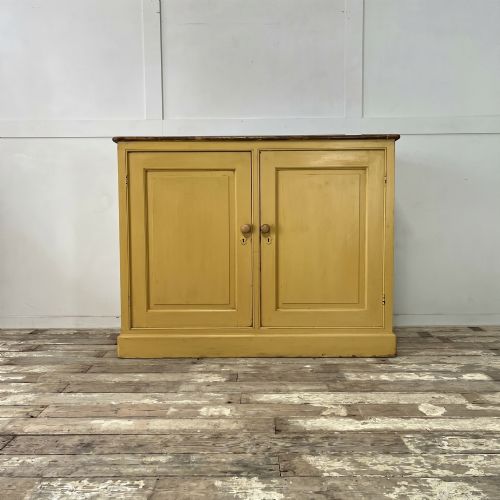
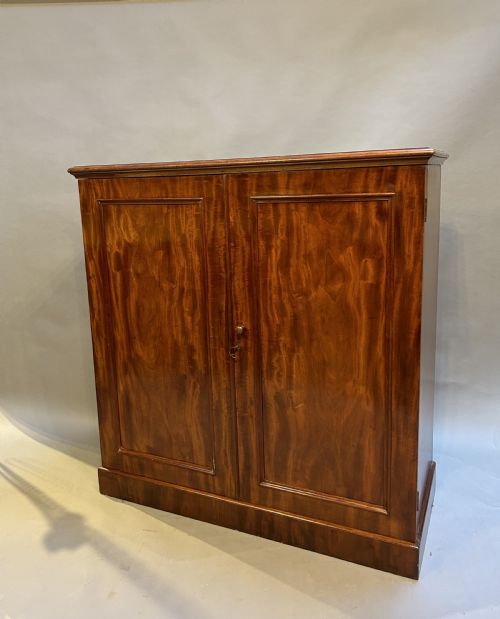
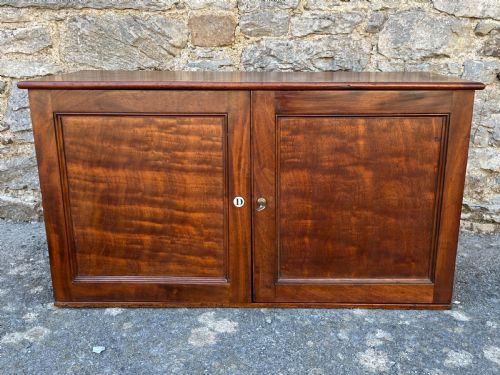
A victorian two door sideboard serves as a substantial storage cabinet, appearing frequently in robust pine country kitchen formats, formal mahogany server designs, and walnut configurations.
The phrase encompasses related nineteenth-century forms such as chiffoniers, dresser bases, and side cabinets equipped with twin doors for domestic storage.
Makers and workshops of the period utilised these twin-door timber carcases to anchor dining spaces and parlours with functional surface area and enclosed shelving.
Materials and construction
Cabinet makers built these pieces primarily from solid and veneered hardwoods like mahogany, walnut, and flame mahogany, alongside utilitarian softwoods such as pine.
Joinery techniques relied on traditional hand-cut dovetails for drawers and sturdy frame-and-panel construction for the twin doors to accommodate seasonal timber movement.
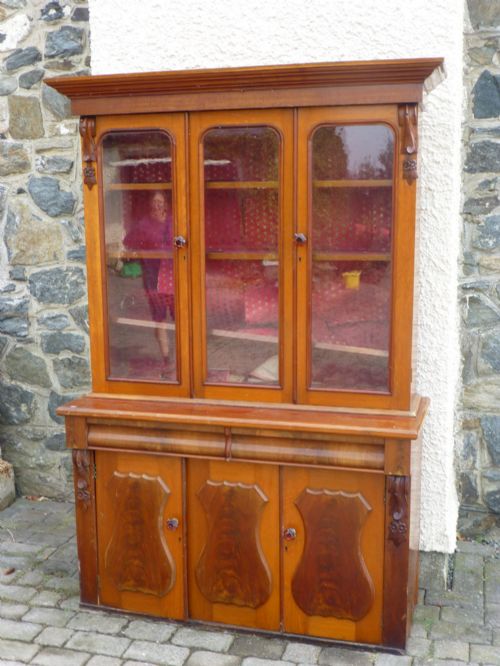
Surface embellishments incorporated brass hardware, glass panels, and intricate carving, reflecting the stylistic shifts across the nineteenth century.
Listings feature woods spanning mahogany, pine, walnut, oak, satinwood, and ash across the nineteenth century.
Distinctions in quality
Quality rests upon the selection of timber, distinguishing highly figured flame mahogany or burr walnut veneers from utilitarian painted pine.
Finer examples demonstrate crisp hand-carved detailing, precise joinery in the drawer linings, and original brass fittings rather than later replacements.
Gillows·Heals·Maple and Co
The Victorian Two Door Sideboard Glossary
- Chiffonier
- A compact sideboard or cabinet, typically featuring a lower cupboard enclosed by two doors with a shelf or superstructure above.
- Dresser base
- A low wooden storage cabinet featuring cupboards and drawers, historically used in kitchens and dining rooms for food preparation and tableware storage.
- Flame mahogany
- A prized timber veneer exhibiting a distinctive, undulating flame-like grain pattern used on high-end nineteenth-century case furniture.
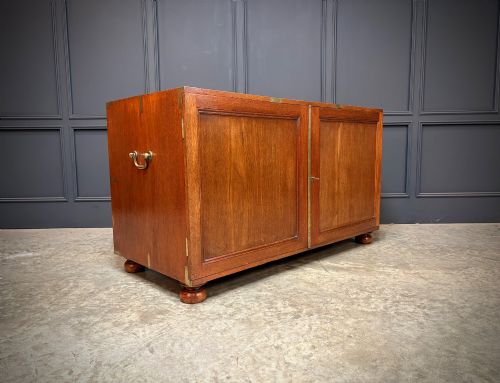
- Military campaign
- Portable furniture constructed in sections with recessed brass handles and corner brackets designed for easy transport by officers on duty.
- Side cabinet
- A versatile low storage unit with doors, placed against dining room or parlour walls.
Victorian Two Door Sideboard: Frequently Asked Questions
Where should I place a victorian two door sideboard?
These cabinets suit dining rooms, hallways, or living spaces where enclosed lower storage and a surface top are useful.
Ensure you measure the depth of the room to allow the twin doors to open fully without obstruction.
How do I maintain the wood finish?
Dust the timber regularly with a dry cloth and apply natural beeswax periodically to nourish polished mahogany or walnut surfaces.
Avoid placing the cabinet near direct heat sources or strong sunlight to prevent the timber from drying out.
What is the difference between a chiffonier and a sideboard?
A chiffonier is generally more compact and often includes a low shelf or mirror superstructure above the twin doors.
Standard sideboards are typically larger and designed primarily for serving food and storing dining linen.
Are these pieces suitable for modern kitchens?
Pine versions and painted dresser bases integrate well into contemporary spaces as standalone kitchen storage units.
They provide deep interior shelving for heavy crockery and a durable wooden top for daily use.