
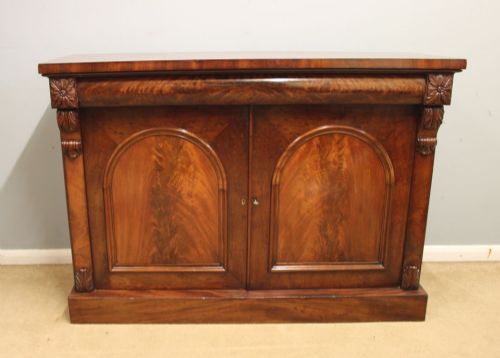
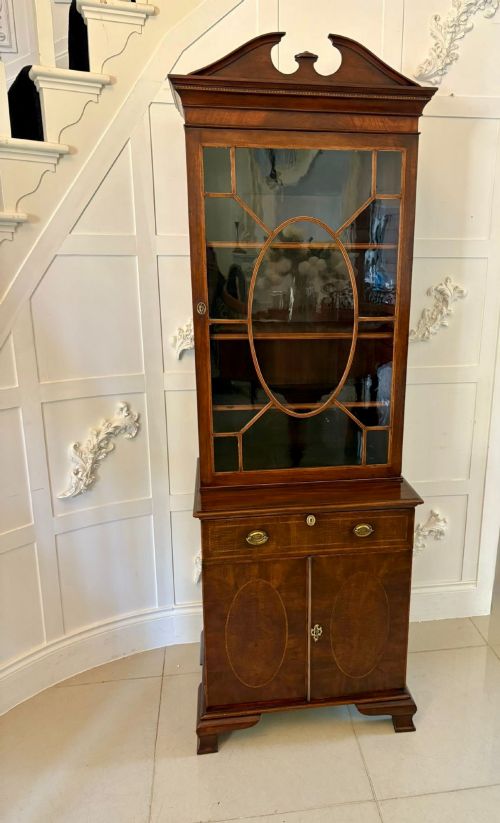
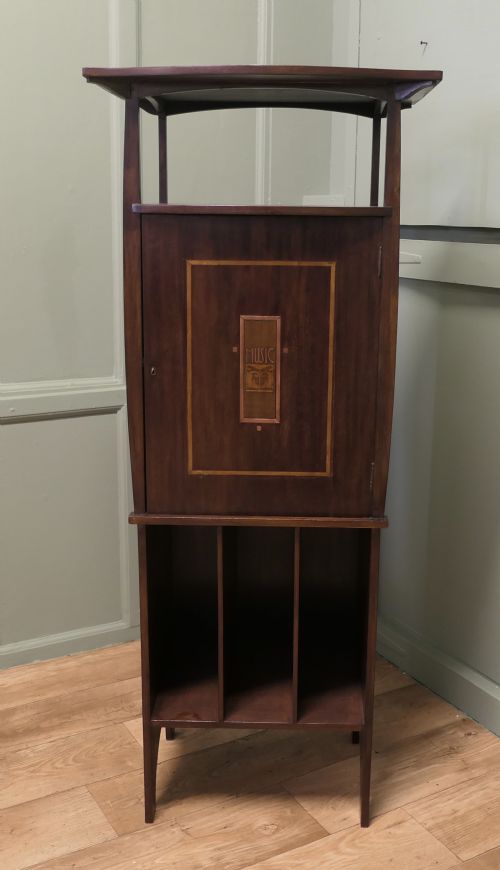
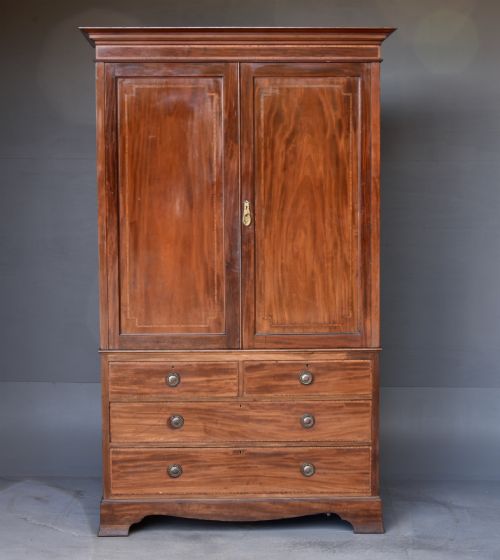
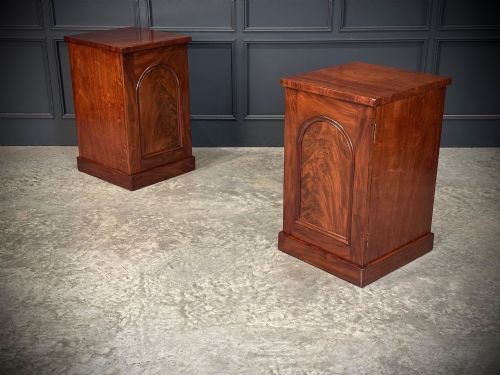
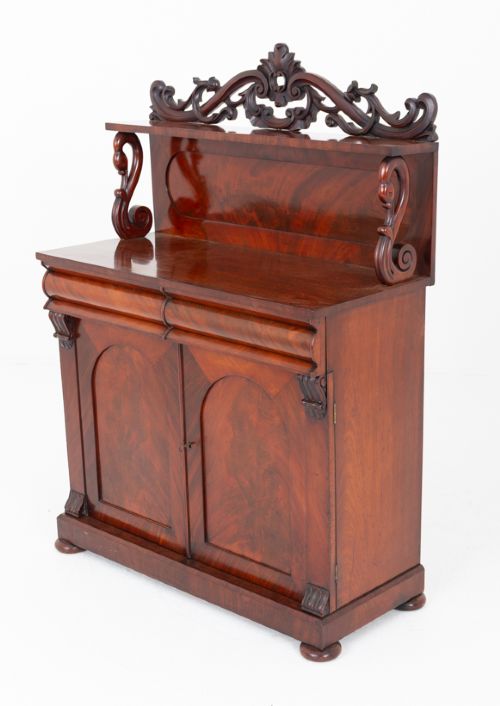
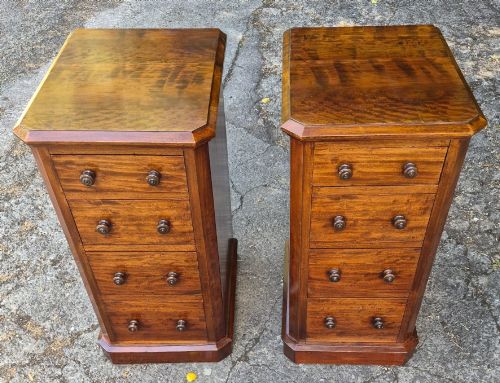
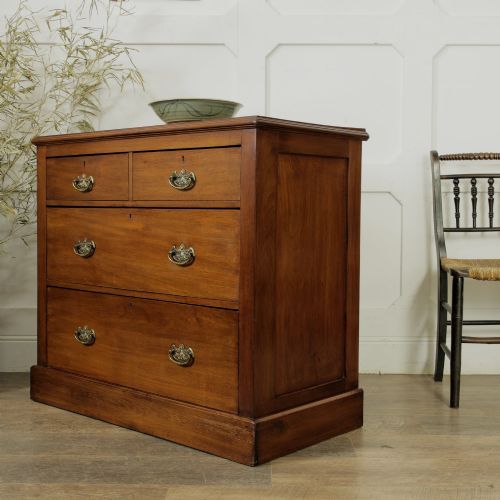
Victorian Mahogany Storage Cabinet
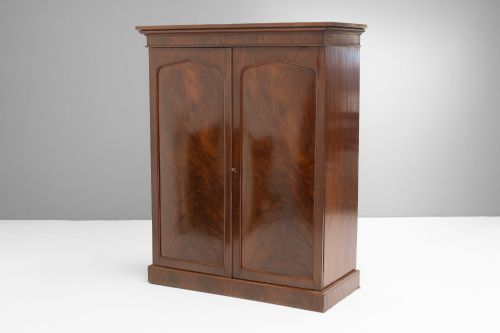
A victorian mahogany storage cabinet brings heavy timber and practical organisation together, offering an authentic nineteenth-century solution for keeping rooms tidy.
Victorian Mahogany Storage Cabinet
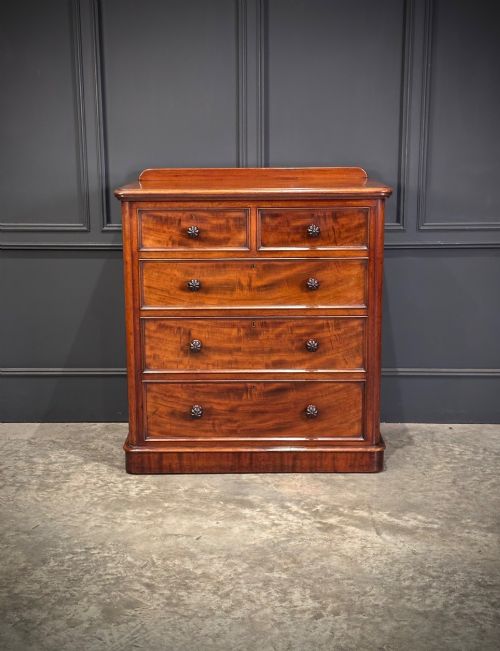
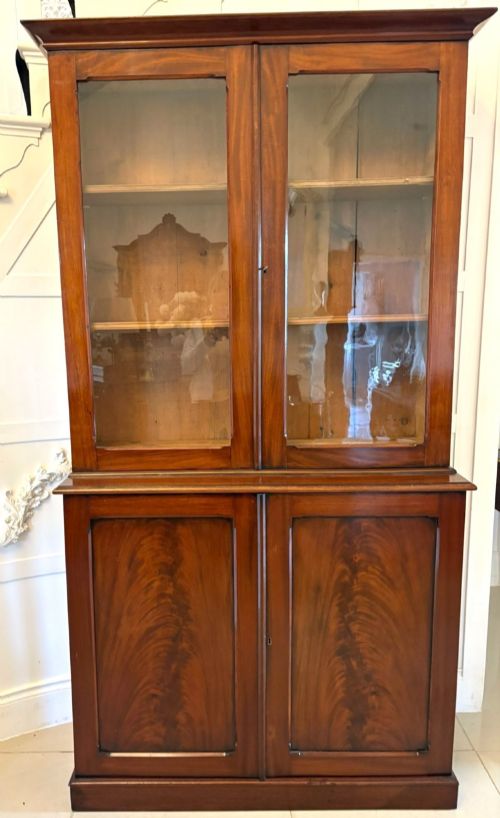
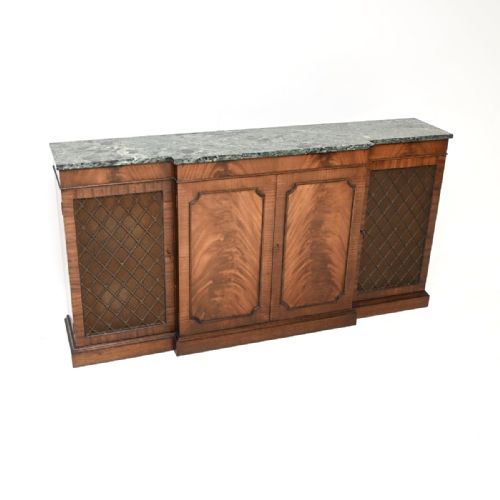
A victorian mahogany storage cabinet spans a wide selection of nineteenth-century forms designed to hold everything from books and linens to medical supplies and personal collections. Buyers searching this phrase commonly encounter chests of drawers, bookcases, sideboards, linen presses, and specialised cupboards across this selection.
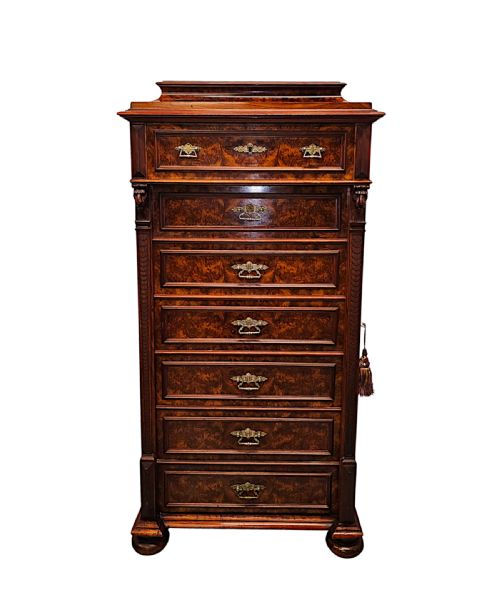
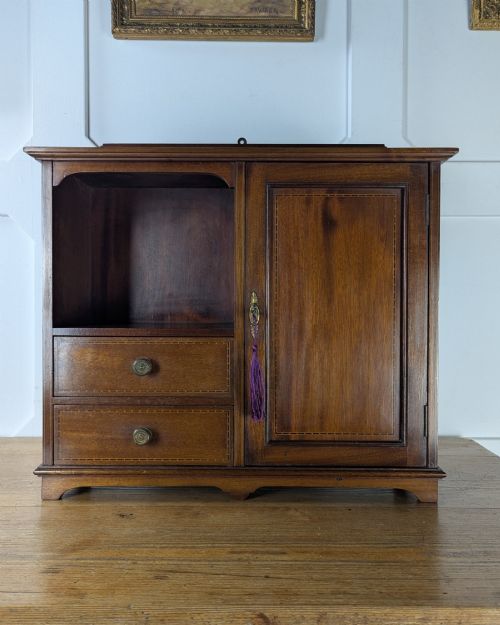
The pieces originating from this era range from modest bedside chests and small smokers' cupboards to massive estate office cabinets, library bookcases, and multi-drawer apothecary banks. Most examples date from the Victorian period or the broader nineteenth century, reflecting the heavy domestic and institutional storage needs of the time.
Materials and construction
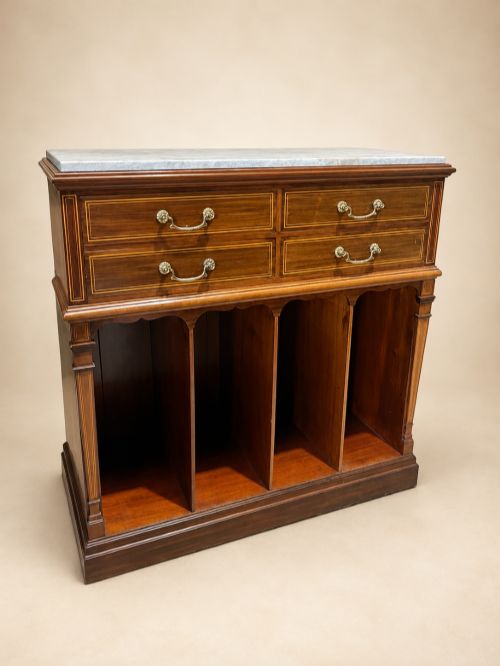
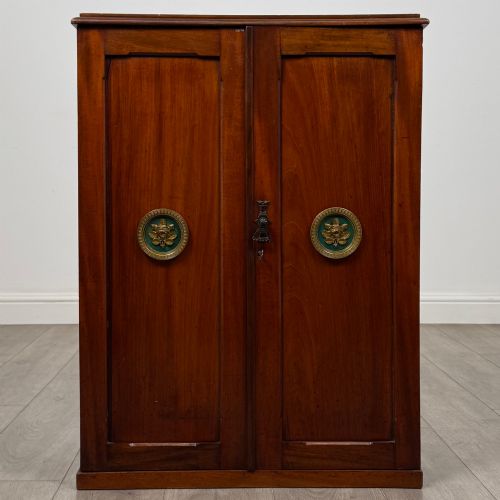
Cabinet makers relied heavily on solid mahogany and flame mahogany veneer, frequently supported by secondary timbers like pine and accented with satinwood, brass hardware, glass panels, and marble tops. These materials provided both structural stability and a rich, dark surface finish suited to formal domestic spaces.
Joinery techniques ranged from standard drawer construction and blind fretwork cornices to elaborate marquetry, wood inlay, and grill fronts. Specialised pieces incorporated numerous internal drawers or specialised shelving to accommodate specific scientific, botanical, or domestic items.
Listings feature mahogany, brass, glass, satinwood, and marble across periods spanning the Victorian era, the nineteenth century, and the early twentieth century.
Distinguishing quality
The calibre of a piece often rests on the choice of timber, particularly the depth of figure in flame mahogany veneers and the precision of any wood inlay or marquetry. Superior examples display careful grain matching across drawer fronts and doors rather than haphazard timber selection.
Structural integrity and original hardware also dictate overall standing, where intact brass fittings, smooth drawer movement, and sound secondary woods separate standard utility furniture from finer workshop productions.
GM Elwood for JS Henry·maples & co·Messrs Watkins & Doncaster
The Victorian Mahogany Storage Cabinet Glossary
- Mahogany
- A durable tropical hardwood known for its reddish-brown colour and stability, widely utilised in fine nineteenth-century cabinet making. It takes a high polish and resists warping well.
- Flame mahogany veneer
- A thin slice of timber cut from where a branch joins the trunk, producing a distinctive flickering grain pattern. Cabinet makers applied this to prominent surfaces like drawer fronts for decorative impact.
- Linen press
- A tall piece combining upper sliding shelves for textiles with lower drawers for bulkier items. They served as primary wardrobe furniture before fitted closets became standard.
- Blind fretwork
- Carved ornamental patterning applied flat to a surface, such as a cornice, without piercing right through the timber. It provides subtle surface texture on formal storage pieces.
- Marquetry
- The art of forming decorative patterns on woodwork by fitting together small pieces of different coloured veneers. It appears on panels and doors of more elaborate Victorian cabinets.
Victorian Mahogany Storage Cabinet: Frequently Asked Questions
What were these cabinets originally used for?
These cabinets served diverse domestic, commercial, and institutional purposes, storing clothing, books, household linens, and specialised items like geological specimens or apothecary supplies.
Different interior configurations, from shallow apothecary drawers to deep wardrobe hanging space, dictated the exact daily function within a nineteenth-century household or business.
How do I fit one into a modern room?
Their substantial presence and dark timber tones make them ideal as focal storage points in living rooms, bedrooms, or hallways. They anchor contemporary spaces by introducing historical depth and functional surface area.
Pairing a mahogany cabinet with lighter modern walls prevents the room from feeling dark while letting the grain and craftsmanship stand out.
How can I tell the period of a cabinet?
Dating relies on observing construction methods, timber choices, and stylistic cues such as Regency influences, Sheraton Revival details, or Arts and Crafts simplicity. Secondary woods like pine and the style of brass handles offer further clues.
Comparing the overall form and secondary materials against dated examples helps narrow down whether a piece belongs to the early, mid, or late Victorian era.
Are these pieces made of solid timber?
Most examples combine solid mahogany frames and structural components with flame mahogany veneers applied to flat surfaces like drawer fronts and cabinet doors. Secondary timbers such as pine frequently appear inside drawers and on unexposed backs.
This method of construction prevented warping while presenting an expensive decorative wood graining on the exterior.