

Victorian Turned Wood Table
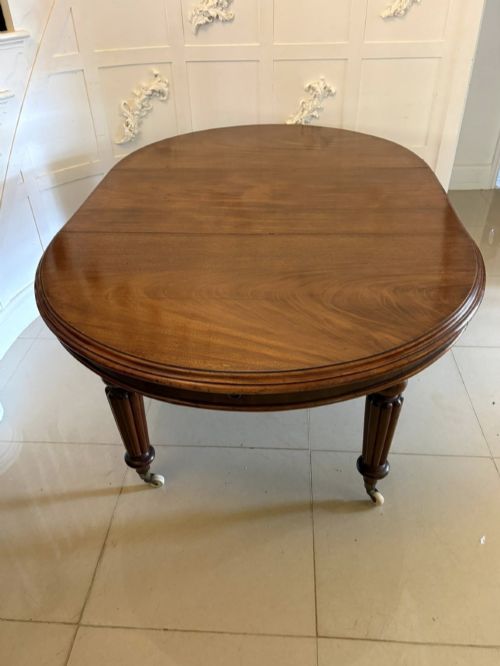
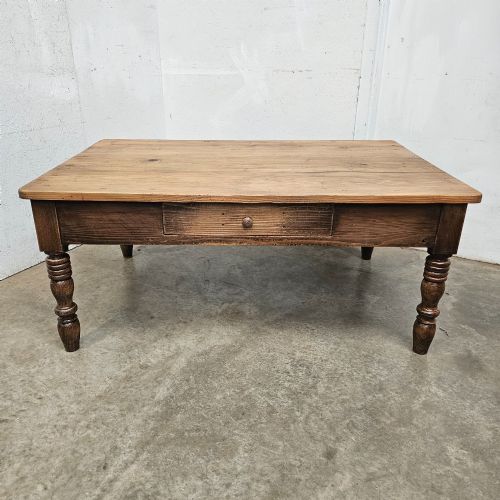
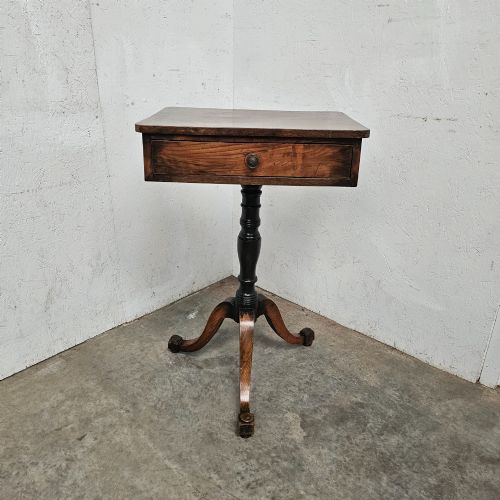
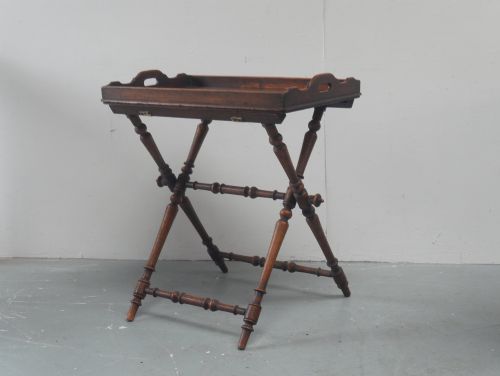
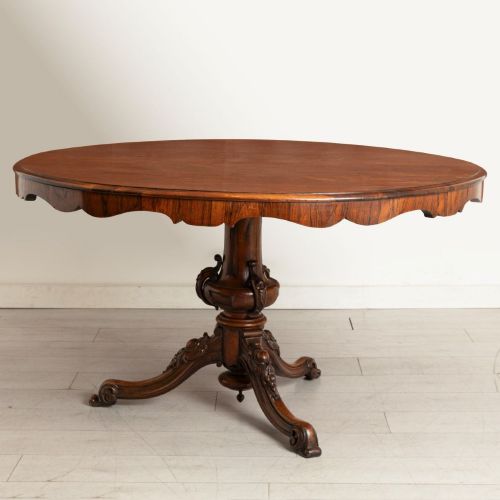
These pieces of a victorian turned wood table bring solid nineteenth-century character to a room through traditional lathe work and rich timber.

Victorian Turned Wood Table
A victorian turned wood table brings nineteenth-century form into a room, spanning dining pieces, side pieces, and smaller occasional tables. These items ground a space through functional design rooted in the Victorian period and surrounding decades.
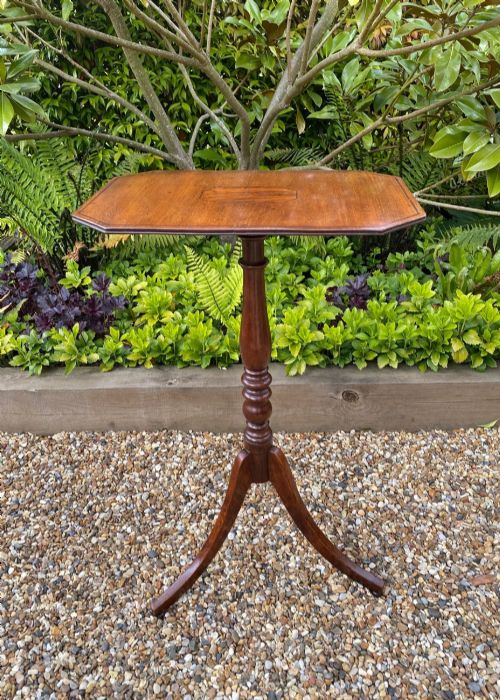
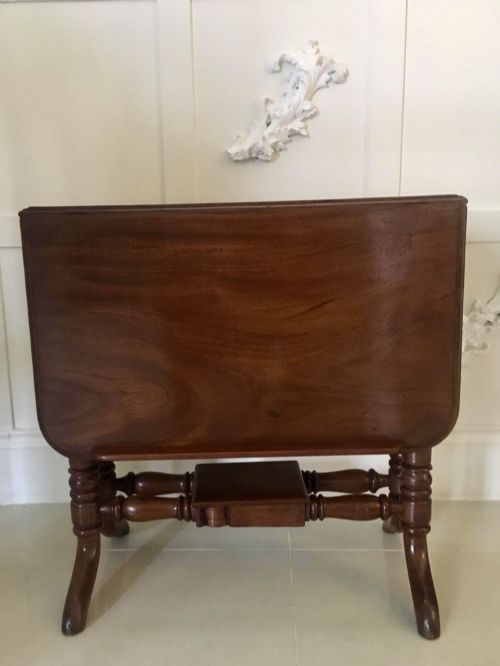
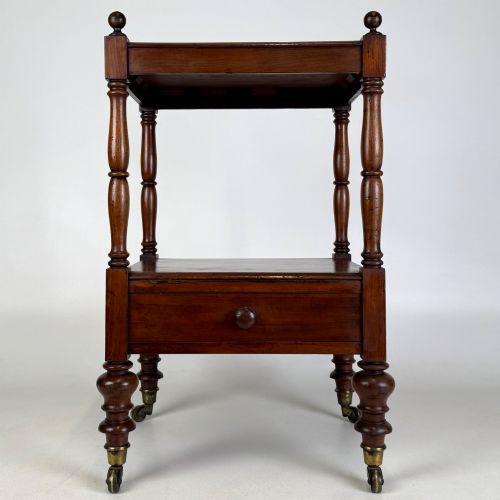
The version most commonly met on this page is the occasional or side table, often fashioned from mahogany or walnut with distinct lathe-shaped legs. Such pieces reflect the domestic habits of the period, serving beside seating or in hallways.
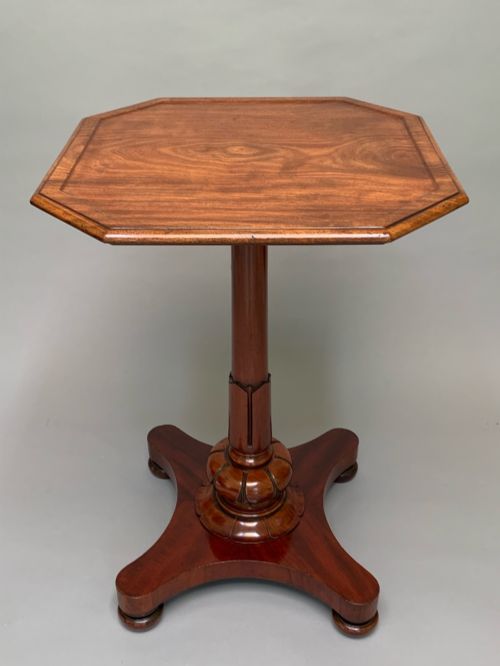
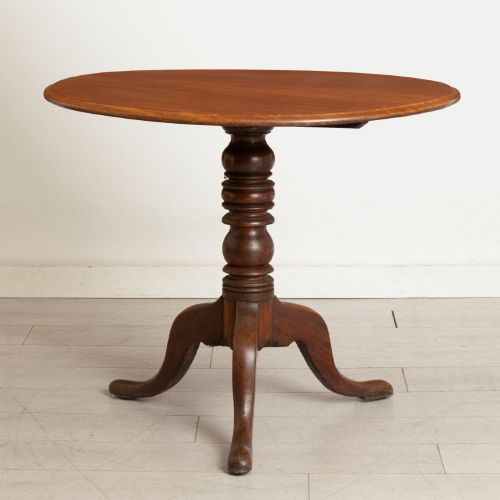
Other variations include extending dining tables, tilt-top wine tables, and smaller Sutherland or work tables. Each form utilises turned wooden elements to support a flat top, whether round, octagonal, or rectangular.
How they were made
Cabinet makers utilised dense hardwoods such as mahogany, walnut, rosewood, and oak, often pairing them with pine or cherry for internal or regional construction. These timbers were shaped by hand and lathe to form structural legs, pedestals, and stretchers.
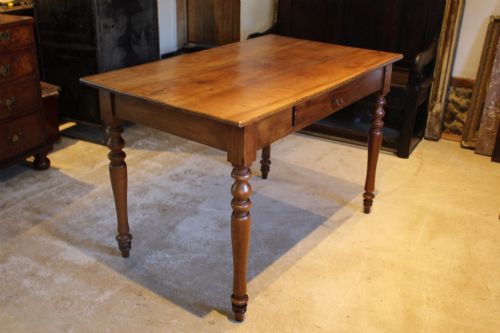
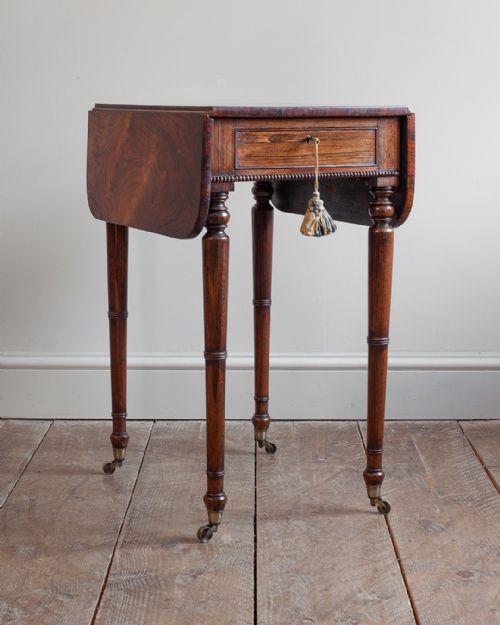
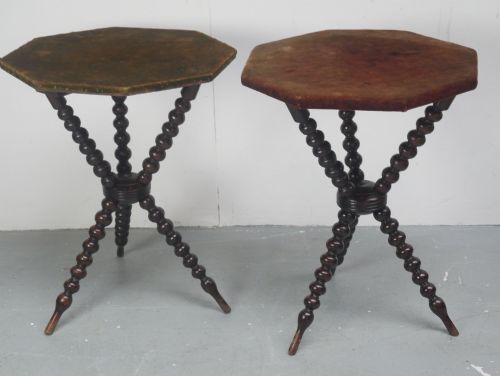
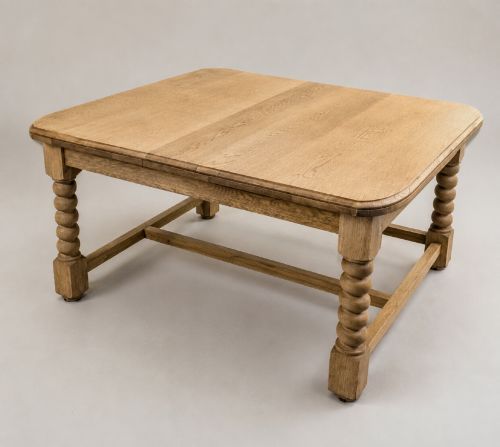
Lathe turning created smooth cylindrical, bobbin, or baluster profiles on legs and supports, while secondary techniques involved mortise and tenon joinery. Tops frequently featured polished finishes or occasional additions like brass castors and leather inserts.
Listings feature items from the Victorian, Late Victorian, and Edwardian periods, constructed in mahogany, walnut, oak, rosewood, and pine.
What varies in quality
The selection of timber dictates the upper tier of the range, with figured mahogany, burr walnut, and solid rosewood marking superior craftsmanship. Dense grain and well-matched veneers show deliberate intent by the maker.
The precision of the lathe work and the stability of the structural joints separate finely executed pieces from simpler workshop output. Crisp turning details and robust framing ensure endurance through decades of daily domestic use.
Gillows·Liberty of London·William Birch·Druce & Co London
The Victorian Turned Wood Table Glossary
- Tilt-top
- A mechanism allowing the tabletop to pivot into a vertical position for storage when not in use. This clever hinge design saved valuable floor space in nineteenth-century rooms.
- Bobbin legs
- Furniture supports shaped on a lathe to resemble a series of wooden reels or bobbins stacked end to end. This distinct decorative turning style appears frequently in late nineteenth-century pieces.
- Sutherland table
- A narrow drop-leaf table with hinged flaps supported by swing legs on either side. It folds down flat against a wall when minimal surface area is required.
- Gipsy table
- A lightweight occasional table featuring three turned legs and a cloth skirt or top covering. These portable items gained popularity during the late Victorian era for informal tea service.
- Wind-out table
- An extending dining table operated via a mechanical screw mechanism hidden beneath the leaves. Inserting or removing additional sections adjusts the surface length to accommodate guests.
Victorian Turned Wood Table: Frequently Asked Questions
What is a Victorian turned wood table?
A Victorian turned wood table is a nineteenth-century item of furniture featuring legs or pedestals shaped on a lathe. These pieces include dining tables, side tables, and small wine stands.
They serve practical purposes in modern rooms while displaying traditional timber construction and period character. Woods like mahogany, walnut, and oak dominate these historical designs.
How do I use an occasional table?
Occasional tables fit beside chairs, sofas, or against walls to hold lamps, books, or decorative objects. Their smaller footprints allow flexible placement throughout a home.
Many feature folding leaves or tilt mechanisms for easy repositioning. They provide functional surface space without overwhelming a room's layout.
How are dining tables extended?
Victorian dining tables often utilise a wind-out mechanism with an internal screw thread. Turning a handle separates the halves to insert matching leaves.
Support legs on castors move outward to stabilise the expanded surface. This system allowed households to alter table lengths for dinner parties.